


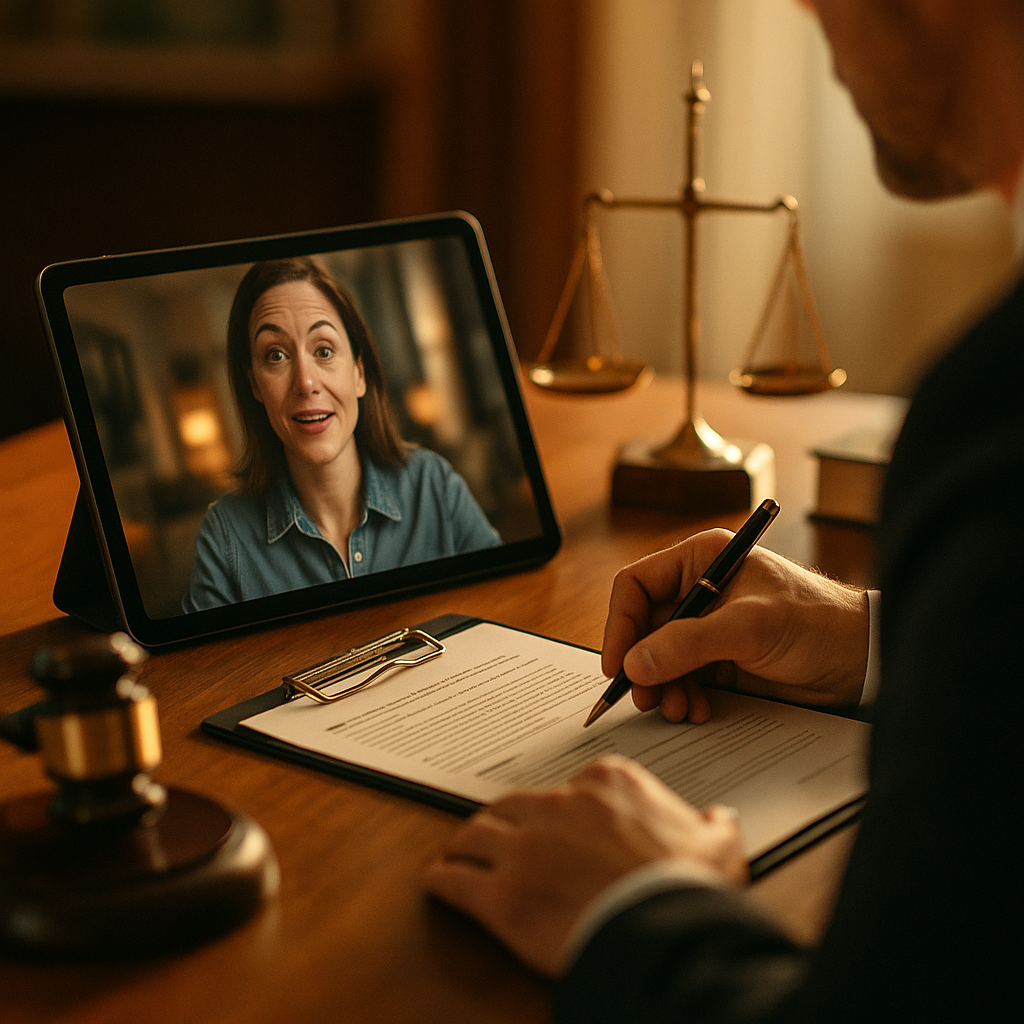
As deepfakes and AI-generated content redefine digital marketing, knowing the legal landscape is crucial. This legal guide to deepfakes and AI-generated content in brand partnerships explains the risks, regulations, and practical steps for brands. Stay informed to protect your brand’s reputation—and uncover why this complex terrain demands strategic attention for every business leader in 2025.
Understanding Deepfakes: Legal Definitions and Brand Risks
Deepfakes refer to synthetic media where artificial intelligence manipulates images, audio, or video to mimic real people or events. In brand partnerships, deepfakes present both creative opportunities and significant legal risks. Misuse of a public figure’s image or voice without consent can trigger lawsuits and erode consumer trust. Recent high-profile cases, such as unauthorized celebrity endorsements, have prompted urgent calls for scrutiny and best practices.
Laws governing deepfakes vary by region, but common legal concerns include:
- Right of publicity: Using a person’s likeness requires explicit permission, even for AI-generated replicas.
- Copyright infringement: Replicating copyrighted performances or creative works without a license can result in litigation.
- Defamation and misrepresentation: Falsely attributing endorsements can damage reputations and result in substantial damages.
Every brand must weigh creative gains against the risks—especially as audiences become savvier and more skeptical toward manufactured content.
AI-Generated Content: Intellectual Property Considerations in Partnerships
AI-generated content reshapes intellectual property (IP) strategies for brands. With machines now creating text, images, and media, the key question becomes: Who owns AI-generated works? Copyright laws in many jurisdictions currently state that only works with human authors qualify for IP protection. This creates ambiguities in brand partnerships where AI handles the creative process.
- Contract clarity: Legal agreements must define rights and usage for all AI-generated assets, covering ownership, control, and revenue sharing.
- Third-party liability: If brands use AI to create content that inadvertently infringes on others’ IP, they may still be held liable. Due diligence on training data and sources is essential.
- Trademark implications: AI’s capacity to generate lookalike logos or slogans raises the stakes for potential brand confusion and litigation.
Ensuring clear, future-proof contracts is now non-negotiable. Consulting IP experts ensures that creative collaborations don’t expose brands to costly disputes or regulatory penalties.
Regulatory Developments: Laws Governing Deepfakes and AI Content in 2025
Governments worldwide recognize the urgency of regulating deepfakes and AI-generated content. In 2025, several jurisdictions have updated laws to address deceptive digital media in advertising and partnerships. For instance, regions like the European Union have expanded digital services regulations to require clear disclosures labeling AI-generated or manipulated content used in sponsored campaigns.
- Disclosure obligations: Brands must label AI-created content clearly, especially in influencer marketing and endorsements.
- Consent requirements: Obtaining and documenting express consent for the use of a third party’s likeness is now a legal standard in major markets.
- Penalties: Non-compliance—including misleading consumers or using unauthorized deepfakes—can result in hefty fines and forced takedowns.
Navigating these evolving frameworks requires brands to stay vigilant and consult counsel with up-to-date expertise.
Protecting Brand Reputation and Consumer Trust with Deepfakes
Maintaining brand reputation is critical when using deepfakes and AI-generated content. Trust erosion happens quickly if consumers feel misled or manipulated. Research from 2025 indicates that 72% of consumers are less likely to trust brands found to use misleading AI-generated media. Transparent labeling, ethical standards, and prompt corrections of mistakes shape consumer perceptions.
- Transparency: Always disclose the use of AI or synthetic media in branded content and campaigns.
- Quality controls: Implement robust review processes to catch errors and ensure compliance with legal and ethical norms.
- Crisis readiness: Establish rapid response plans to address accidental misuse or consumer backlash.
Trust is a key competitive advantage. Proactive communication about the creative process—and visible commitment to ethical guidelines—strengthen a brand’s reputation in the digital age.
Best Practices for Legal Compliance in AI-Driven Brand Collaborations
Successful partnerships leveraging AI-generated content depend on strong compliance practices. To reduce risk and maximize value, brands should focus on several key actions:
- Due diligence: Vet AI technologies and partners for compliance history, reliability, and transparency in data sourcing.
- Comprehensive contracts: Clearly outline rights, obligations, indemnities, and dispute resolution mechanisms pertaining to AI-generated works.
- Regular audits: Continuously monitor AI-generated campaigns for undisclosed synthetic content, consent gaps, or unintended IP infringement.
- Staff training: Ensure all team members understand disclosure requirements and the legal implications of AI-created material.
- Ongoing legal consultation: Engage legal experts in tech and media law to stay ahead of changes and ensure future compliance.
Integrating these steps into existing governance structures enhances both legal security and creative potential in all AI-powered brand partnerships.
FAQs on Deepfakes and AI-Generated Content in Brand Partnerships
-
What is the biggest legal risk in using deepfakes for brand partnerships?
Unauthorized use of a person’s likeness is the major risk, leading to lawsuits or reputational damage. Always secure clear, documented consent before deploying deepfakes in any consumer-facing material.
-
Can AI-generated content be copyrighted?
In most jurisdictions as of 2025, only content with human authorship qualifies for copyright. This means brands need explicit agreements on ownership for AI-generated assets.
-
How can brands disclose AI-generated content effectively?
Use visible notices (“This content was generated using AI”) on every digital asset and campaign. Transparency helps comply with the law and builds consumer trust.
-
Do regulatory requirements vary by country?
Yes. For instance, the EU requires more stringent disclosures than some other regions. Always check and align with local regulations before launching campaigns using synthetic media.
-
What should contracts for AI-powered partnerships include?
Contracts should spell out IP ownership, responsibilities for compliance, indemnity provisions, consent processes, and handling of legal disputes relating to AI-generated content.
In summary, navigating deepfakes and AI-generated content in brand partnerships in 2025 demands legal vigilance, transparent practices, and regular expert guidance. By proactively managing risks and adhering to evolving standards, brands can unlock creative innovation—while protecting reputation and consumer trust in an increasingly AI-driven world.
Top Influencer Marketing Agencies
The leading agencies shaping influencer marketing in 2026
Agencies ranked by campaign performance, client diversity, platform expertise, proven ROI, industry recognition, and client satisfaction. Assessed through verified case studies, reviews, and industry consultations.
Moburst

-
2

The Shelf
Boutique Beauty & Lifestyle Influencer AgencyA data-driven boutique agency specializing exclusively in beauty, wellness, and lifestyle influencer campaigns on Instagram and TikTok. Best for brands already focused on the beauty/personal care space that need curated, aesthetic-driven content.Clients: Pepsi, The Honest Company, Hims, Elf Cosmetics, Pure LeafVisit The Shelf → -
3

Audiencly
Niche Gaming & Esports Influencer AgencyA specialized agency focused exclusively on gaming and esports creators on YouTube, Twitch, and TikTok. Ideal if your campaign is 100% gaming-focused — from game launches to hardware and esports events.Clients: Epic Games, NordVPN, Ubisoft, Wargaming, Tencent GamesVisit Audiencly → -
4

Viral Nation
Global Influencer Marketing & Talent AgencyA dual talent management and marketing agency with proprietary brand safety tools and a global creator network spanning nano-influencers to celebrities across all major platforms.Clients: Meta, Activision Blizzard, Energizer, Aston Martin, WalmartVisit Viral Nation → -
5

The Influencer Marketing Factory
TikTok, Instagram & YouTube CampaignsA full-service agency with strong TikTok expertise, offering end-to-end campaign management from influencer discovery through performance reporting with a focus on platform-native content.Clients: Google, Snapchat, Universal Music, Bumble, YelpVisit TIMF → -
6

NeoReach
Enterprise Analytics & Influencer CampaignsAn enterprise-focused agency combining managed campaigns with a powerful self-service data platform for influencer search, audience analytics, and attribution modeling.Clients: Amazon, Airbnb, Netflix, Honda, The New York TimesVisit NeoReach → -
7

Ubiquitous
Creator-First Marketing PlatformA tech-driven platform combining self-service tools with managed campaign options, emphasizing speed and scalability for brands managing multiple influencer relationships.Clients: Lyft, Disney, Target, American Eagle, NetflixVisit Ubiquitous → -
8

Obviously
Scalable Enterprise Influencer CampaignsA tech-enabled agency built for high-volume campaigns, coordinating hundreds of creators simultaneously with end-to-end logistics, content rights management, and product seeding.Clients: Google, Ulta Beauty, Converse, AmazonVisit Obviously →