


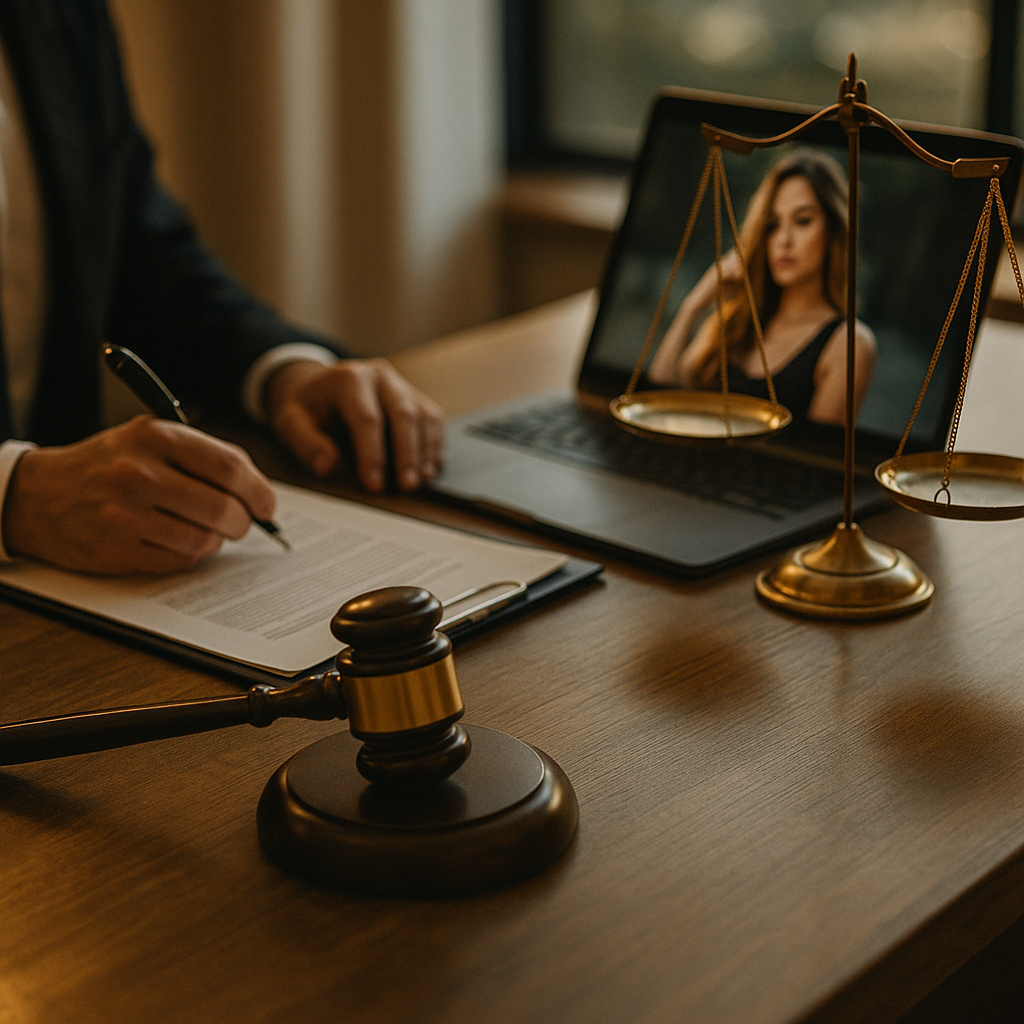
The rapid growth of artificial intelligence in digital marketing has spotlighted the legal ramifications of using influencer content in AI training models. As brands and developers harness influencer-generated media to refine algorithms, crucial questions arise about copyright, consent, and fair use. Understanding these complexities is essential for anyone leveraging influencer material. So, what exactly are the legal risks involved?
Influencer Content Rights: Ensuring Consent and Ownership
Before incorporating any influencer content into AI training datasets, companies must confirm who owns the rights to that material. Often, influencers retain ownership of the images, videos, and posts they share online, even if a brand has partnered with them for specific campaigns. Simply accessing or scraping this content does not confer legal permission for reuse. Direct, documented consent from content creators is vital—often in the form of signed agreements specifying uses beyond original brand campaigns.
Additionally, influencers are typically protected by platform terms of service and copyright law. Infringing on these rights, even unintentionally, can result in costly legal actions, DMCA takedown notices, or reputational damage. Brands must ensure their AI training protocols comply with all relevant licensing and contractual agreements. Establishing a clear chain of authorization is not just best practice; it is a legal necessity in 2025’s highly regulated digital landscape.
COPYRIGHT AND FAIR USE: NAVIGATING LEGAL BOUNDARIES
Copyright law is a cornerstone of influencer content protection. An influencer’s original photos, videos, and written expressions are automatically protected upon creation. When this content is ingested by AI models—particularly for tasks such as image recognition or text comprehension—developers must evaluate whether such use qualifies as “fair use.”
The fair use doctrine is narrow and nuanced, considering factors such as the purpose of use, the amount of content used, and the impact on the original creator’s market. Using influencer content for commercial machine learning applications rarely meets these criteria. Courts are increasingly scrutinizing whether companies profit from unlicensed influencer material through AI-powered products or services. Legal experts recommend obtaining explicit permissions rather than relying on ambiguous fair use arguments, as copyright infringement penalties can be severe.
DATA PRIVACY AND INFLUENCER CONSENT IN AI DATASETS
Social media content may contain personal or sensitive data—images, precise locations, or conversations—which triggers additional data privacy concerns. For influencers, account verification and authenticity mean their profiles are highly visible, often amplifying the effects of any content misuse. In the EU, GDPR regulations require explicit, informed consent before processing any personal data, and other global jurisdictions are quickly enacting similar statutes.
In 2025, the U.S. has expanded its data protection laws, mandating transparency and informed consent for data usage in model training. Failure to comply may expose brands to lawsuits, regulatory investigations, and multi-million dollar fines. Thus, transparent consent protocols are not just ethical but legally imperative for all parties using influencer content in AI development.
CONTRACTUAL PITFALLS: WHAT BRANDS AND DEVELOPERS NEED TO WATCH
Licensing contracts with influencers must explicitly outline how content can be used, especially regarding future technologies such as AI. Vague or outdated contracts may not cover machine learning or algorithmic applications, leaving both parties at risk. For instance, an agreement from prior years might grant rights for “marketing materials” but not for integrating content into generative AI tools or training sets.
Legal specialists advise regular review and updates of all influencer agreements, specifically addressing AI-related rights and waivers. Without detailed language, influencers could validly claim compensation—or even pursue legal action—if their images or likenesses are repurposed for algorithms, chatbots, or image generators. In practice, this means negotiating for model releases, indemnity clauses, and clear usage scenarios tailored to modern AI technologies.
REPUTATIONAL AND FINANCIAL RISKS FOR MISUSE OF INFLUENCER CONTENT
The legal consequences of misusing influencer content in AI extend beyond courtrooms. Negative publicity, loss of consumer trust, and online backlash can significantly damage brands and technology providers. Influencers, backed by loyal followings, often use their platforms to highlight copyright violations, amplifying legal disputes and sparking boycotts or regulatory scrutiny.
Recent analyses from major legal consultancies in 2025 show that companies found using influencer material without permission faced not only court-ordered damages but also substantial declines in brand equity. Investors now evaluate compliance with IP and data laws as serious risk factors. The message is clear: robust legal vetting protects not just from penalties but also preserves long-term reputation and market value.
PROACTIVE BEST PRACTICES FOR USING INFLUENCER-DRIVEN DATA IN AI
To minimize legal exposure, companies must:
- Secure explicit, written consent from influencers for every intended use, especially for AI model training.
- Review and revise contracts to specify AI applications and data rights.
- Conduct internal audits of AI datasets to verify all content sources are properly licensed or cleared.
- Maintain transparency in informing influencers, users, and regulators about content usage.
- Monitor evolving regulations in key markets to ensure up-to-date compliance procedures.
Ethical stewardship of influencer content not only protects from lawsuits, but also strengthens partnerships and public perception—crucial advantages in today’s AI-powered economy.
Conclusion
With stricter IP and data privacy rules in 2025, the legal ramifications of using influencer content in AI training models are more consequential than ever. Securing rights, drafting clear contracts, and prioritizing consent protects brands, influencers, and consumers. Ultimately, a legally compliant approach fosters trust and enables more sustainable, innovative AI development in digital marketing.
FAQs: Legal Issues of Influencer Content in AI Training Models
-
Can influencer content be used for AI model training without permission?
No. Using influencer content without direct, explicit permission is likely to violate copyright and, depending on content, data privacy laws. Always secure written approval first.
-
What happens if my AI model scraped public influencer content without consent?
You could face DMCA takedown requests, lawsuits, and significant fines, regardless of whether the content was publicly available. Public access does not remove legal protections.
-
Does fair use apply to influencer content for AI training?
Fair use generally does not protect commercial AI training with influencer content. Courts rarely consider this “transformative” enough, so explicit licensing is required.
-
Are there industry-standard guidelines for using influencer content in AI?
Industry best practices recommend: obtain explicit rights, verify copyrights, document all permissions, and ensure contracts address AI-specific uses. Always consult legal counsel for compliance.
-
What should influencer contracts include regarding AI?
Contracts should clearly specify which AI uses are permitted, outline payment terms if applicable, and include rights waivers and data privacy considerations tied to AI model training and outputs.
Top Influencer Marketing Agencies
The leading agencies shaping influencer marketing in 2026
Agencies ranked by campaign performance, client diversity, platform expertise, proven ROI, industry recognition, and client satisfaction. Assessed through verified case studies, reviews, and industry consultations.
Moburst

-
2

The Shelf
Boutique Beauty & Lifestyle Influencer AgencyA data-driven boutique agency specializing exclusively in beauty, wellness, and lifestyle influencer campaigns on Instagram and TikTok. Best for brands already focused on the beauty/personal care space that need curated, aesthetic-driven content.Clients: Pepsi, The Honest Company, Hims, Elf Cosmetics, Pure LeafVisit The Shelf → -
3

Audiencly
Niche Gaming & Esports Influencer AgencyA specialized agency focused exclusively on gaming and esports creators on YouTube, Twitch, and TikTok. Ideal if your campaign is 100% gaming-focused — from game launches to hardware and esports events.Clients: Epic Games, NordVPN, Ubisoft, Wargaming, Tencent GamesVisit Audiencly → -
4

Viral Nation
Global Influencer Marketing & Talent AgencyA dual talent management and marketing agency with proprietary brand safety tools and a global creator network spanning nano-influencers to celebrities across all major platforms.Clients: Meta, Activision Blizzard, Energizer, Aston Martin, WalmartVisit Viral Nation → -
5

The Influencer Marketing Factory
TikTok, Instagram & YouTube CampaignsA full-service agency with strong TikTok expertise, offering end-to-end campaign management from influencer discovery through performance reporting with a focus on platform-native content.Clients: Google, Snapchat, Universal Music, Bumble, YelpVisit TIMF → -
6

NeoReach
Enterprise Analytics & Influencer CampaignsAn enterprise-focused agency combining managed campaigns with a powerful self-service data platform for influencer search, audience analytics, and attribution modeling.Clients: Amazon, Airbnb, Netflix, Honda, The New York TimesVisit NeoReach → -
7

Ubiquitous
Creator-First Marketing PlatformA tech-driven platform combining self-service tools with managed campaign options, emphasizing speed and scalability for brands managing multiple influencer relationships.Clients: Lyft, Disney, Target, American Eagle, NetflixVisit Ubiquitous → -
8

Obviously
Scalable Enterprise Influencer CampaignsA tech-enabled agency built for high-volume campaigns, coordinating hundreds of creators simultaneously with end-to-end logistics, content rights management, and product seeding.Clients: Google, Ulta Beauty, Converse, AmazonVisit Obviously →