


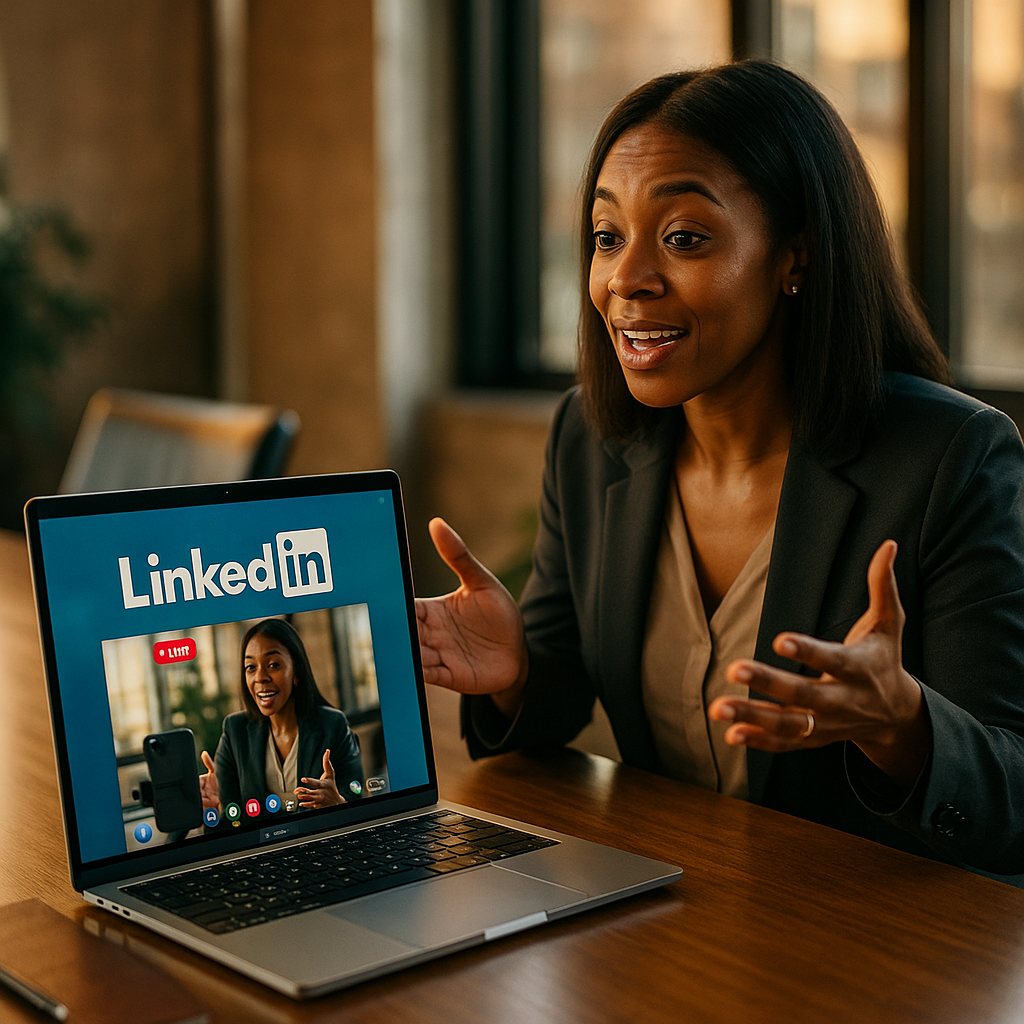
Linkedin influencer marketing strategies for B2B brands are rapidly transforming how companies generate leads and build industry authority. As decision makers flock to LinkedIn in 2025, savvy brands are unlocking new growth by collaborating with trusted thought leaders. Discover actionable ways to drive results—and outperform competitors—by harnessing the power of LinkedIn influencers.
Why LinkedIn Influencer Collaborations Matter for B2B Businesses
B2B buyers in 2025 are more selective and research-driven than ever. They consult peers, seek social proof, and often ignore generic brand ads. LinkedIn influencer collaborations offer B2B brands a unique way to cut through the noise. Leveraging respected industry voices builds genuine trust and sparks conversations among relevant decision makers.
According to recent LinkedIn data, content shared by employees and influencers often receives 2-3 times more engagement than company-branded content alone. Working with the right influencers doesn’t just expand your reach—it cultivates credibility and drives high-quality, sales-ready leads by associating your brand with known experts.
Selecting the Right LinkedIn Influencers for Your B2B Brand
Choosing the ideal LinkedIn influencers is crucial to your marketing strategy’s success. Focus on influencers whose expertise and audience directly align with your target customer profile. Consider these essential criteria during your selection process:
- Relevance: Are they recognized experts within your industry or niche?
- Engagement: Do their posts spark genuine discussion among decision makers?
- Authenticity: Do they consistently share valuable, unbiased insights?
- Network Quality: Is their audience composed of the people you want to reach—buyers, executives, or technical leads?
Tools such as LinkedIn Sales Navigator and dedicated influencer databases can help evaluate candidates based on engagement rates and follower quality, not just quantity. Always review a potential influencer’s content history to ensure their values align with your brand.
Proven Content Approaches for LinkedIn Influencer Marketing
Content is central to any B2B LinkedIn influencer campaign. While traditional sponsored posts can work, 2025’s most effective brands are co-creating more authentic and valuable content with their influencers. Here are high-impact formats to consider:
- Expert-led LinkedIn Live Sessions: Host joint webinars or Q&A sessions where influencers address pain points and trends frequently discussed by your target audience.
- Collaborative Thought Leadership Articles: Co-author in-depth articles or LinkedIn Newsletters to showcase joint expertise and insights.
- Personal Case Studies and Success Stories: Have influencers share their experiences using your solution, focusing on outcomes and transformation.
- Short-Form Video Snippets: Use engaging, authentic videos to break down complex ideas and share quick industry tips.
Ensure every piece of content meets LinkedIn’s best practices—clear visuals, concise messaging, and actionable takeaways. Encourage influencers to respond to comments and foster discussion for a greater impact.
Maximizing ROI Through Strategic Partnership and Measurement
Effectiveness in influencer marketing depends on more than just reach. Leading B2B brands in 2025 view influencer relationships as partnerships, not transactions. Start with clear objectives—brand awareness, lead generation, or demand creation—then support influencers with unique data, campaign insights, and co-branded assets.
To measure ROI, track metrics that matter:
- Engagement Rate: Percentage of likes, shares, and constructive comments on influencer content.
- New Followers: Growth in company and personal employee followers from influencer-driven campaigns.
- Lead Quality: Number and quality of leads generated from influencer CTAs and tracked URLs.
- Brand Sentiment: Increases in positive mentions and conversations around key topics.
Use UTM tracking, unique landing pages, and LinkedIn’s analytics to tie results directly back to influencer initiatives. Regularly align with influencers to analyze what’s working—and adapt your approach for stronger results.
Compliance, Authenticity, and EEAT: Building Trust on LinkedIn
EEAT—Experience, Expertise, Authoritativeness, and Trustworthiness—is crucial for B2B brands leveraging influencer marketing on LinkedIn. Buyers are wary of shallow endorsements, so transparency is key. Ensure all influencer collaborations:
- Openly disclose partnerships with clear #ad or #sponsored tags where appropriate
- Encourage influencers to share honest opinions, including challenges overcome using your product
- Prioritize authentic relationships over one-off sponsored posts
- Support influencers with accurate data and brand resources, empowering them to provide real value
This builds trust with both your audience and the influencers you partner with, paving the way for longer-term advocacy that continues to yield returns for your brand.
Integrating LinkedIn Influencer Marketing with Broader B2B Strategies
The full power of LinkedIn influencer marketing emerges when integrated into your wider B2B marketing mix. Cross-promote influencer content in your email campaigns, use it to drive discussions in customer communities, and repurpose insights for sales enablement materials. Share behind-the-scenes content of joint projects to humanize your brand.
Encourage executives and employees to engage with influencer content, amplifying its reach and demonstrating unified thought leadership. Keep your sales and product teams in the loop, leveraging influencer feedback to refine messaging and go-to-market initiatives based on real buyer conversations.
With the right influencer partnerships and purposeful strategy, your B2B brand can build lasting authority, inspire action, and achieve standout results on LinkedIn in 2025 and beyond.
FAQs: LinkedIn Influencer Marketing Strategies for B2B Brands
-
Why should B2B brands focus on LinkedIn influencers in 2025?
LinkedIn is where senior leaders and decision makers actively engage. Influencer collaborations turbocharge trust, spark relevant conversations, and generate higher-quality leads than traditional ads, thanks to influencers’ respected voices and networks.
-
How do we find the right influencers for our industry?
Use LinkedIn search tools, Sales Navigator, and influencer platforms. Focus on those with proven domain expertise, real engagement, and a network aligned with your buyers—not just high follower counts.
-
What content works best for B2B LinkedIn influencer campaigns?
Live events, expert co-authored articles, authentic case studies, and short-form videos resonate strongly. Prioritize formats that showcase expertise and foster real conversation among your audience.
-
How is ROI measured for LinkedIn influencer marketing?
Track engagement, qualified lead acquisition, follower growth, and brand sentiment. Use unique tracking links and analytics tools to attribute results directly to influencer activities.
-
How do brands maintain authenticity and compliance?
Disclose partnerships, empower influencers to speak honestly, and ensure all shared content aligns with LinkedIn’s and your industry’s disclosure guidelines. Authenticity builds enduring trust with your audience.
In 2025, smart B2B brands thrive on LinkedIn by forging strategic influencer partnerships—tapping into authentic voices, aligning with true experts, and integrating influencer-driven content into broader marketing. Start small, learn from measured results, and always prioritize real relationships for lasting impact.