


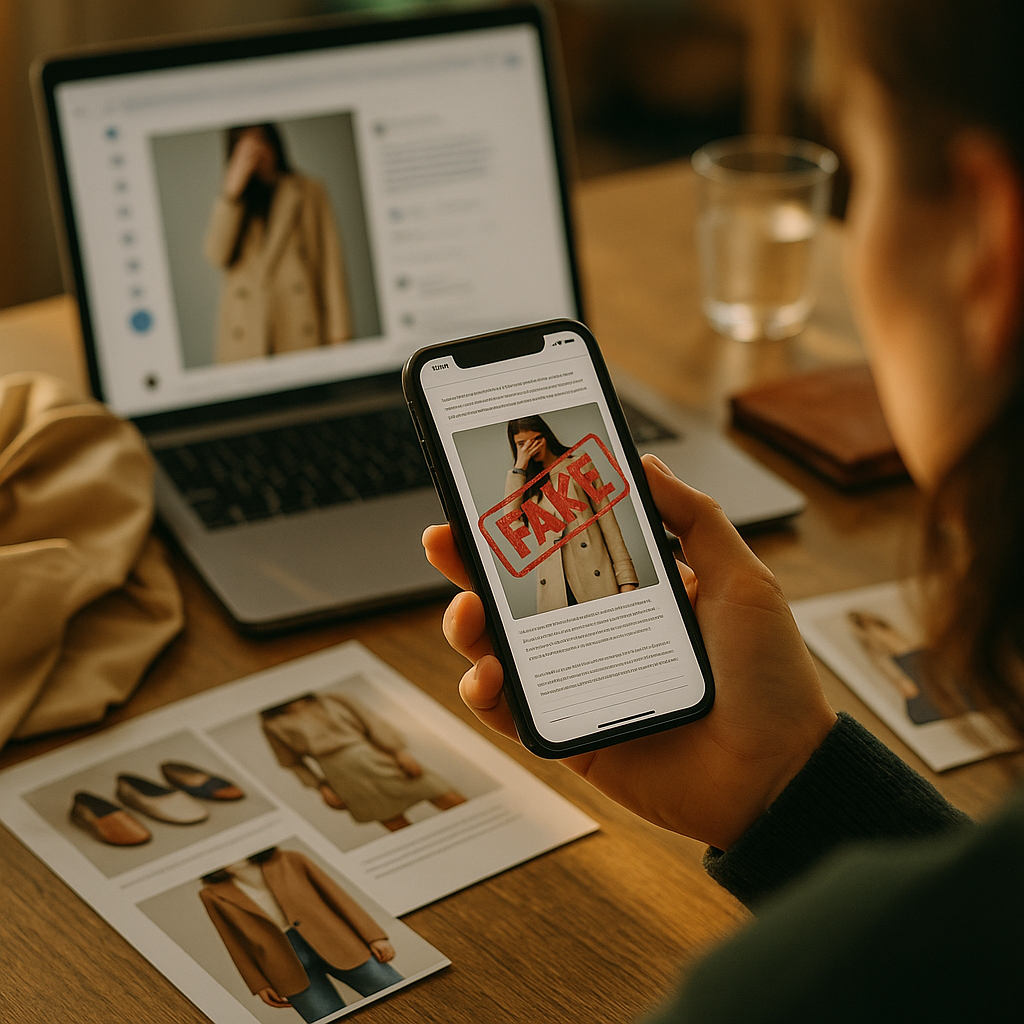
In 2026, a single false claim can outpace a brand’s official statement within hours. This case study examines how one fashion label managed a viral misinformation crisis without losing customer trust, retail partners, or long-term brand value. The response worked not because it was fast alone, but because it was credible, coordinated, and transparent from the first moment. What made that difference?
How a fashion brand crisis management plan shaped the first 24 hours
The label in this case was a mid-sized direct-to-consumer fashion company with a growing wholesale presence, strong social engagement, and a reputation for ethical sourcing. The crisis began when a short video spread across social platforms claiming the brand had used banned materials in a new collection and misled buyers about its supply chain. The video looked authoritative. It used clipped footage, a confident narrator, and screenshots taken out of context.
Within hours, customers were tagging the brand, creators were reacting publicly, and several retailers requested clarification. This is where many brands make a costly mistake: they either deny everything too quickly or stay silent too long. Instead, the label activated a pre-built fashion brand crisis management process designed for misinformation, product issues, and reputational attacks.
The first 24 hours followed a clear structure:
- Validate the facts internally before posting a public response.
- Create one source of truth for executives, customer support, social teams, PR, and retail partners.
- Separate allegations into categories: false, misleading, unverified, and legitimate questions.
- Document evidence including supplier certifications, lab testing, product records, and legal approvals.
- Monitor spread patterns to see which channels, creators, and audience segments were driving the narrative.
This early discipline mattered. The leadership team understood that misinformation is rarely defeated by emotion. It is contained through evidence, consistency, and speed. The label did not issue a vague “we take this seriously” statement and disappear. It shared a short holding statement, promised a timed update, and then delivered a verified response supported by documentation.
That promise-and-deliver sequence signaled competence. It also reduced the perception that the company was improvising under pressure. In crises like this, stakeholders do not just judge the accusation. They judge the quality of the response.
Using social media misinformation response tactics to regain control
A modern social media misinformation response needs more than a single post. False claims move in fragments across channels, so the correction must be designed for fragmented consumption. The label built its response in layers.
First, it published a concise statement on its owned channels explaining what was false, what was being reviewed, and when a detailed update would follow. That statement avoided defensive wording. It did not attack critics. It focused on verifiable facts.
Next, the brand released a second update with evidence. This included plain-language explanations of material standards, screenshots of certification records, and a timeline showing how the misleading video had edited separate events to imply wrongdoing. The company also created short-form versions of the correction for social platforms where attention spans were limited.
Three practices made the response especially effective:
- Native formatting: Instead of pushing users to a long press release alone, the team adapted key facts into carousels, short videos, captions, and story responses.
- Visible executives: The founder and head of sourcing appeared on camera to explain the issue directly. This humanized the response and increased credibility.
- Reply strategy: The social team answered genuine customer questions in public comments while escalating abusive or legally risky posts privately.
The label also resisted a common temptation: overcorrecting. Flooding feeds with repeated denials can amplify the original claim. Instead, the team focused on high-traffic posts, trusted creators, and customer touchpoints where confusion was highest. The goal was not to “win the internet.” It was to give reasonable buyers enough confidence to pause, review evidence, and avoid sharing false information further.
Another smart move was acknowledging uncertainty where appropriate. If a question required supplier confirmation, the brand said so. That honesty reinforced trust. Audiences can tell when a company is performing certainty rather than communicating facts.
Why brand reputation recovery depends on proof, not promises
In any brand reputation recovery effort, proof outranks polished language. Consumers, journalists, and business partners want to see receipts: documents, processes, and accountable people. The fashion label understood this and built its recovery around transparency assets rather than slogans.
It launched a dedicated crisis information page that housed:
- Supplier compliance records relevant to the disputed product line
- Third-party testing summaries in language non-experts could understand
- A timeline of claims and corrections to clarify how misinformation spread
- A customer Q&A covering returns, safety concerns, and sourcing questions
- Contact channels for press, retail partners, and affected customers
This approach followed core EEAT principles. It showed experience by explaining how the brand actually manages sourcing reviews. It demonstrated expertise through technical input from qualified internal leaders and external validators. It established authoritativeness by presenting evidence in a structured, auditable format. Most importantly, it built trustworthiness by making information easy to inspect.
The label also gave its customer support team better tools than a standard apology script. Agents received an updated knowledge base, links to evidence, and escalation paths for buyers who needed more detail. This reduced inconsistent responses, which often worsen reputation damage. If one customer sees a detailed answer and another gets a generic deflection, trust erodes faster.
Retail partners received their own briefing pack. That included talking points for store associates, a summary of facts, and instructions for handling returns or media inquiries. This was a critical decision. Crisis recovery does not happen only on public channels. It also happens in email threads, call centers, stockist conversations, and internal staff chats.
What crisis communication in retail must include across every stakeholder group
Effective crisis communication in retail requires message consistency without message uniformity. Different audiences need different levels of detail. The label identified six core stakeholder groups: customers, employees, wholesale partners, investors, creators, and media. Each group received a tailored communication stream built from the same verified facts.
For customers, the brand focused on safety, product integrity, and returns. For employees, it addressed morale and gave clear instructions on what to say and where to route questions. For wholesale partners, it provided commercial clarity and reassurance. For creators, it offered factual briefings without pressuring them to post support. For the media, it made subject-matter experts available quickly. For investors, it explained risk exposure and mitigation.
This prevented a dangerous mismatch. When stakeholders receive conflicting levels of transparency, they often assume concealment. The label avoided that by creating a central facts document and then customizing delivery.
It also chose its spokespersons carefully. The founder handled values and accountability. The head of sourcing handled technical questions. Legal counsel stayed behind the scenes unless needed. This improved clarity. Audiences trust people who speak within their actual area of responsibility.
Importantly, the company did not frame the incident as just a “PR problem.” It treated it as an operational issue with reputational consequences. That mindset led to stronger decisions:
- Pausing paid campaigns that could appear tone-deaf
- Briefing store teams before they were caught off guard
- Reviewing influencer partnerships for misinformation exposure
- Tracking customer support categories to identify unresolved confusion
- Preparing legal options without making them the public centerpiece
The result was a coordinated response that reduced internal noise while improving external clarity. In misinformation crises, a disorganized brand often damages itself more than the rumor does. This label stayed aligned.
Digital reputation management lessons from the monitoring and measurement phase
Strong digital reputation management does not end when the loudest criticism fades. The label continued measuring sentiment, search behavior, support volume, product return rates, and partner confidence for several weeks. This revealed whether the response had simply slowed the spread or actually restored trust.
The monitoring team looked at key indicators:
- Search query shifts: Were people still searching the brand name alongside the false claim?
- Comment quality: Had accusations changed into questions, and had questions turned into neutral discussion?
- Refund patterns: Were returns rising in categories tied to the misinformation?
- Wholesale confidence: Did retailers continue orders or delay commitments?
- Creator sentiment: Were previously skeptical voices updating their audiences?
These signals showed gradual improvement. The false claim did not disappear completely, but its reach weakened once search results, customer service replies, media coverage, and social content all pointed back to the same documented facts.
The company also ran a post-crisis review. This is one of the most overlooked steps. It examined what made the misinformation believable in the first place. The answer was useful: some of the brand’s sustainability messaging had been too broad. While the accusation itself was false, vague phrasing on product pages made it easier for critics to twist the narrative.
So the label changed more than its crisis tactics. It improved labeling language, added sourcing context to product pages, and expanded its public transparency content. That move turned a reputational threat into an operational upgrade.
This is a key lesson for any fashion business. A misinformation attack may be dishonest, but it can still expose communication gaps. Fixing those gaps strengthens the brand long after the crisis ends.
Fashion industry PR strategy takeaways other brands can apply immediately
The most useful fashion industry PR strategy lesson from this case is simple: brands need a misinformation playbook before they need a response. Once a false claim goes viral, teams have very little time to build structure from scratch.
Here are the practical takeaways other fashion labels can use now:
- Create a crisis evidence library. Keep certifications, testing records, policy documents, and supplier approvals organized and accessible.
- Train spokespeople in advance. The right executive should be comfortable explaining complex issues clearly on camera.
- Build message trees. Prepare concise, medium, and detailed versions of the same answer for different channels.
- Align customer support with PR. Public trust collapses when social posts say one thing and support agents say another.
- Monitor emerging narratives early. Look for unusual spikes in mentions, comments, creator discussions, and search associations.
- Avoid legalistic public language unless necessary. If every sentence sounds evasive, audiences assume the worst.
- Update product and sourcing pages proactively. Clear information reduces the power of misleading edits and decontextualized screenshots.
Another important takeaway: not every viral accusation deserves the same level of response. The label succeeded because it assessed the threat accurately. The claim involved product integrity and ethics, both high-sensitivity issues in fashion. That justified a visible, multi-channel intervention. Lesser claims might need a lighter touch.
Finally, remember that trust returns in stages. People first want reassurance, then evidence, then consistency over time. Brands that expect one statement to solve a credibility issue misunderstand how reputation works in 2026. Trust is rebuilt through repeated proof.
FAQs about a viral misinformation crisis in fashion
What is a viral misinformation crisis for a fashion label?
It is a fast-spreading false or misleading claim that damages a fashion brand’s reputation, sales, partnerships, or customer trust. Common triggers include edited videos, inaccurate sourcing allegations, fake recalls, or manipulated screenshots.
What should a fashion brand do first when misinformation goes viral?
The brand should verify facts internally, activate a response team, create a single source of truth, and issue a short holding statement. Acting fast matters, but accuracy matters more. An incorrect early response can deepen the crisis.
Should a brand respond publicly to every false claim?
No. Brands should assess the scale, credibility, and business risk of the claim. If misinformation affects customer safety, product integrity, ethics, or major commercial relationships, a public response is usually necessary.
How can fashion labels make their response more credible?
Use documented evidence, qualified spokespersons, plain language, and consistent messaging across all channels. Transparency pages, supplier records, testing summaries, and clear timelines help audiences evaluate the facts themselves.
How long does brand reputation recovery usually take?
Recovery depends on the severity of the misinformation, the strength of the evidence, media pickup, and customer sentiment. Public attention may cool quickly, but search perception, partner confidence, and buyer trust often require sustained follow-up.
What role does customer support play during a misinformation crisis?
A major one. Support agents are often the first human contact for confused customers. They need accurate scripts, links to evidence, and clear escalation paths so they do not unintentionally spread inconsistent or outdated information.
Can a misinformation crisis improve a brand in the long term?
Yes, if the brand uses the event to strengthen transparency, refine product messaging, improve documentation, and build a better crisis system. A strong recovery can increase trust by showing the company is accountable and operationally mature.
The fashion label in this case did not escape damage simply by posting faster than everyone else. It recovered because it paired speed with evidence, clarity, and disciplined stakeholder communication. For brands facing misinformation in 2026, the lesson is direct: prepare before a crisis, verify before responding, and rebuild trust with proof people can actually inspect.