


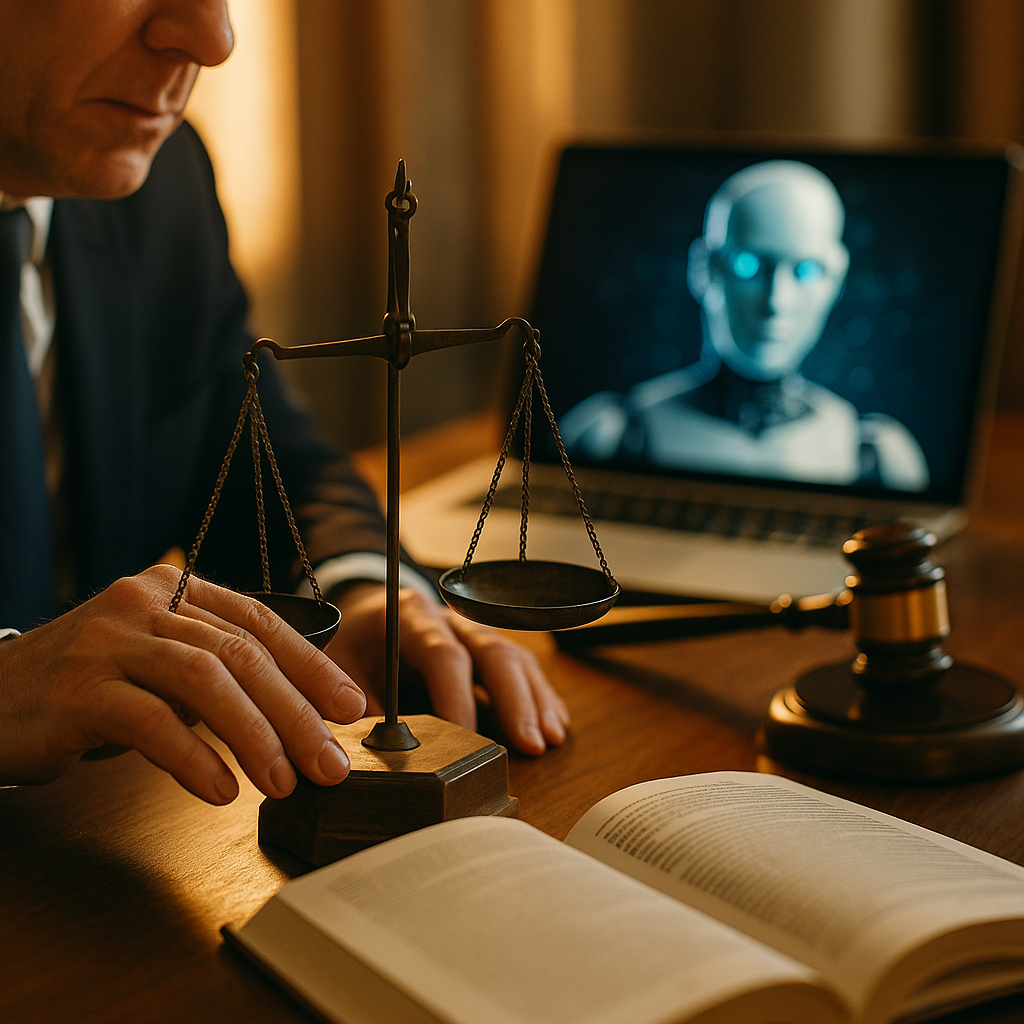
Using AI to mimic a specific artist’s style in ads can seem like a fast creative shortcut, but the legal risks of using AI to mimic a specific artists style in ads are growing in 2026. Brands now face sharper scrutiny from artists, platforms, regulators, and consumers. Before launching style-based AI campaigns, marketers need to understand where inspiration ends and liability begins.
Copyright infringement risks in AI-generated advertising
Copyright is often the first issue marketers consider, but it is not always the simplest. In many jurisdictions, copyright protects original expression rather than broad ideas, methods, or general artistic trends. That distinction matters when a brand prompts an AI tool to create imagery “in the style of” a named living artist for a paid campaign.
A single style, by itself, may not always receive direct copyright protection. However, the output can still create serious exposure if it closely resembles protected elements from the artist’s body of work. This includes recurring compositions, distinctive visual motifs, color treatments, character design choices, or arrangements that make the new output feel substantially similar to real copyrighted works.
Advertising raises the stakes because the content is commercial. A brand is not creating experimental art for private use. It is using the output to sell products or services, which makes rights holders more likely to challenge it. Courts and claimants may also view intentional prompting with a named artist as evidence that the advertiser tried to capture protected expression rather than develop something independently.
Legal review should also include the training-data question. If the AI system was trained on copyrighted works without permission, that can trigger separate disputes involving the model developer. Even if the advertiser did not build the model, it may still be pulled into claims, takedowns, or reputational fallout once a campaign goes live.
Practical risk factors include:
- Named-artist prompts that explicitly reference a living or recently active creator
- Outputs that echo specific works rather than a broad artistic movement
- Use in paid ads across social, search, video, outdoor, or app store placements
- High-profile campaigns that attract media attention or consumer discussion
- Lack of human review before publication
Marketers should not assume that because an AI platform allowed the prompt, the output is safe to use. Platform access is not legal clearance.
Artist style rights and the growing right of publicity problem
The phrase artist style rights is common in business discussions, but the legal protection behind it usually comes from a mix of doctrines rather than one clear rule. In 2026, one of the most important is the right of publicity, especially when a brand uses AI to evoke a specific creator’s identity for commercial gain.
The right of publicity generally protects against unauthorized commercial use of a person’s name, likeness, voice, persona, or other identifying attributes. For visual artists, the argument is evolving: if a creator is widely recognized for a signature style, and a brand asks AI to imitate that style in ads, the campaign may imply association, endorsement, or exploitation of the artist’s commercial identity.
This risk increases when the ad copy names the artist, references their fame, or uses media language that signals the connection. Even if the ad never says the artist endorsed the product, consumers may infer sponsorship if the creative clearly trades on that artist’s reputation.
Brands should also watch for false endorsement and unfair competition claims. These claims do not always require exact copying. They often focus on whether the campaign is likely to confuse the public or unfairly benefit from the artist’s market recognition. A luxury brand, entertainment company, or consumer app that leans on a recognizable AI-generated “look” may be especially vulnerable if the artist has licensed similar work in the past.
Ask these questions before launch:
- Would an average consumer believe the artist collaborated on the ad?
- Does the campaign copy a signature aesthetic that functions like a commercial identifier?
- Are you using the artist’s name in prompts, briefs, metadata, or public-facing copy?
- Has the artist previously licensed their work or style for brand campaigns?
If the answer to any of these is yes, the legal and business risk rises quickly.
Trademark and false endorsement issues in commercial AI art
Trademark law can also enter the picture, even when the dispute appears to be about art. Some artists and studios use names, logos, recurring characters, or branded visual elements that act as source identifiers. If an AI-generated ad borrows those elements, or gets close enough to create confusion, trademark claims may follow.
This matters in commercial AI art because ad creatives often do more than display an image. They appear next to product claims, calls to action, logos, and landing pages. That commercial context can make consumers think there is a business relationship between the brand and the artist.
False endorsement claims are especially relevant on social platforms where ads move fast and users scan visually. A campaign may never state “official collaboration,” yet still communicate that message through design choices. If consumers comment, share, or react as though the artist participated, those reactions may later become evidence of likely confusion.
Another overlooked area is trade dress. While more common in product packaging and retail design, trade dress principles may apply where a visual presentation is so distinctive that it signals source. If a brand uses AI to emulate a unique branded visual world tied to a known artist or studio, counsel may examine trade dress exposure alongside copyright and publicity claims.
To reduce trademark-related risk, advertisers should:
- Avoid using artist names in public campaign materials unless licensed
- Remove branded motifs, symbols, or character elements that point to a known source
- Test whether the creative suggests partnership or endorsement
- Document internal review showing independent creative intent
- Escalate high-visibility ads for legal signoff before release
Strong review processes matter because trademark disputes often turn on consumer perception, not just technical similarity.
AI advertising compliance and disclosure duties for brands
Beyond intellectual property, AI advertising compliance now includes disclosure, substantiation, contract review, and platform policy checks. A campaign that imitates a specific artist may create legal trouble even if no lawsuit is filed immediately.
Regulators increasingly focus on deceptive practices in digital advertising. If an ad suggests that a human artist created, approved, or collaborated on the content when that did not happen, the brand may face scrutiny for misleading representation. This issue becomes more serious when the artist is famous, deceased with an active estate, or publicly associated with certain values or causes.
Brands should also review the terms of use for AI tools. Some providers restrict use of outputs that imitate named individuals or infringe third-party rights. If a campaign violates those terms, the provider may suspend access, deny indemnity, or require content removal at a costly moment.
Vendor contracts deserve close attention. If an agency, freelancer, or production partner used AI to generate ad assets, the brand should know:
- Which model or platform created the content
- Whether the prompt referenced a real artist
- What warranties and indemnities apply
- Whether training-data controversies affect the tool
- How quickly the partner can replace challenged assets
Internal governance is equally important. Helpful, defensible content comes from documented review rather than guesswork. That means building a workflow where marketing, creative, legal, and procurement teams evaluate AI-assisted ads before distribution. In high-risk cases, brands should consider obtaining a license, commissioning original work from a human artist, or revising the concept to avoid identifiable imitation.
A short compliance checklist can prevent expensive mistakes:
- Prohibit prompts that name living artists without legal approval
- Run similarity and reverse-image checks on final assets
- Review ad copy for implied endorsement
- Confirm usage rights in contracts and platform terms
- Create a rapid takedown plan if a claim arises
In 2026, a defensible process is often as important as the final image itself.
Brand reputation damage from style imitation in marketing
Not every dispute starts in court. Brand reputation damage can hit first and spread faster than formal legal action. Artists now speak directly to audiences on social platforms, and consumers often react strongly when they believe a company replaced human creativity with imitation.
That backlash is not limited to art communities. Customers may see style mimicry as unfair, lazy, or exploitative, especially when the campaign appears to profit from a creator’s identity without payment. For premium brands, this can undermine trust. For startups, it can distract from launch goals and increase acquisition costs if paid media has to be paused and rebuilt.
Reputational harm can trigger operational problems:
- Influencers or creators refuse partnerships
- Publishers reject or limit ad placements
- App stores or platforms flag campaign materials
- Employees raise ethics concerns internally
- Press coverage reframes the brand as opportunistic
These effects can outlast the campaign. Once consumers connect a brand with creative appropriation, future artist collaborations may become harder and more expensive.
The safer path is usually straightforward: develop a distinctive brand aesthetic, hire artists directly, or license styles and assets through clear agreements. If AI is part of the workflow, use it to explore concepts, accelerate production, or personalize approved design systems rather than imitate a named creator’s signature look.
This approach aligns legal caution with smart marketing. Brands perform better when they build assets they can own, defend, and reuse without recurring fear of takedowns or public criticism.
Risk management strategies for using generative AI in ads
The best response is not to avoid AI entirely. It is to use it with disciplined risk management strategies. Marketers can still benefit from generative tools while reducing exposure to copyright, publicity, trademark, and deception claims.
Start by classifying projects by risk. An internal mood board is not the same as a national campaign. Paid ads, celebrity-adjacent concepts, and high-budget product launches deserve the highest level of review. Next, define what your team will not do. A clear rule against named-artist imitation removes ambiguity and helps agencies follow the same standard.
Then build originality into the creative process. Have human designers transform AI outputs, combine multiple influences, and align assets to documented brand guidelines. Keep records that show how the final creative evolved. If a question arises later, that documentation can help demonstrate independent development and responsible oversight.
Insurance may also be relevant. Some media liability and intellectual property policies can help, but coverage varies. Review exclusions for AI-generated content and confirm whether publicity, copyright, and trademark claims are included.
For most brands, a practical framework looks like this:
- Create an AI ad policy covering prompts, approvals, vendor use, and prohibited practices
- Train teams regularly so marketers understand legal triggers before briefing creative
- Use pre-publication review for anything inspired by recognizable creators
- Prefer licensed or commissioned work when a specific style is central to campaign performance
- Monitor public response after launch and act quickly if confusion or complaints appear
The key takeaway is simple: if your campaign value depends on the audience recognizing a specific artist in the AI output, the risk is not incidental. It is the strategy. That is exactly when legal review should be strongest.
FAQs about legal risks of using AI to mimic a specific artists style in ads
Is it legal to ask AI to create an ad “in the style of” a famous artist?
It can be risky even if not automatically illegal in every case. The output may trigger copyright, right of publicity, false endorsement, trademark, or unfair competition claims, especially when used in commercial advertising.
Can an artist own their style?
Style alone is not always protected under a single legal rule. But an artist may still have strong claims if the ad copies protectable expression, exploits their identity, or suggests endorsement. In practice, brands should treat recognizable signature styles as high risk.
Does it matter if the AI image does not copy one exact artwork?
No. Legal exposure can still exist if the output is substantially similar to protected elements across the artist’s work, or if it trades on the artist’s persona and market recognition.
Are brands liable if an agency or freelancer used the AI tool?
Often, yes. The brand that publishes and profits from the ad can still face claims. That is why contracts, warranties, indemnities, and internal approval processes matter.
Should brands disclose that AI was used in the ad?
Disclosure may be wise in some contexts, especially if the campaign could mislead consumers into believing a human artist created or endorsed the work. Disclosure alone, however, does not cure copyright or publicity problems.
What is the safest alternative if a brand likes a specific artist’s look?
The safest option is to license the style or commission the artist directly. If that is not possible, build an original campaign inspired by broader movements, not a named individual, and document careful legal and creative review.
Using AI to imitate a specific artist in advertising creates real legal and commercial exposure in 2026. Copyright, publicity, trademark, deception, and reputational risks often overlap, especially when the campaign depends on audience recognition. The safest path is clear: avoid named-artist imitation, use strong review processes, and invest in original or licensed creative that your brand can use with confidence.
Top Influencer Marketing Agencies
The leading agencies shaping influencer marketing in 2026
Agencies ranked by campaign performance, client diversity, platform expertise, proven ROI, industry recognition, and client satisfaction. Assessed through verified case studies, reviews, and industry consultations.
Moburst

-
2

The Shelf
Boutique Beauty & Lifestyle Influencer AgencyA data-driven boutique agency specializing exclusively in beauty, wellness, and lifestyle influencer campaigns on Instagram and TikTok. Best for brands already focused on the beauty/personal care space that need curated, aesthetic-driven content.Clients: Pepsi, The Honest Company, Hims, Elf Cosmetics, Pure LeafVisit The Shelf → -
3

Audiencly
Niche Gaming & Esports Influencer AgencyA specialized agency focused exclusively on gaming and esports creators on YouTube, Twitch, and TikTok. Ideal if your campaign is 100% gaming-focused — from game launches to hardware and esports events.Clients: Epic Games, NordVPN, Ubisoft, Wargaming, Tencent GamesVisit Audiencly → -
4

Viral Nation
Global Influencer Marketing & Talent AgencyA dual talent management and marketing agency with proprietary brand safety tools and a global creator network spanning nano-influencers to celebrities across all major platforms.Clients: Meta, Activision Blizzard, Energizer, Aston Martin, WalmartVisit Viral Nation → -
5

The Influencer Marketing Factory
TikTok, Instagram & YouTube CampaignsA full-service agency with strong TikTok expertise, offering end-to-end campaign management from influencer discovery through performance reporting with a focus on platform-native content.Clients: Google, Snapchat, Universal Music, Bumble, YelpVisit TIMF → -
6

NeoReach
Enterprise Analytics & Influencer CampaignsAn enterprise-focused agency combining managed campaigns with a powerful self-service data platform for influencer search, audience analytics, and attribution modeling.Clients: Amazon, Airbnb, Netflix, Honda, The New York TimesVisit NeoReach → -
7

Ubiquitous
Creator-First Marketing PlatformA tech-driven platform combining self-service tools with managed campaign options, emphasizing speed and scalability for brands managing multiple influencer relationships.Clients: Lyft, Disney, Target, American Eagle, NetflixVisit Ubiquitous → -
8

Obviously
Scalable Enterprise Influencer CampaignsA tech-enabled agency built for high-volume campaigns, coordinating hundreds of creators simultaneously with end-to-end logistics, content rights management, and product seeding.Clients: Google, Ulta Beauty, Converse, AmazonVisit Obviously →