


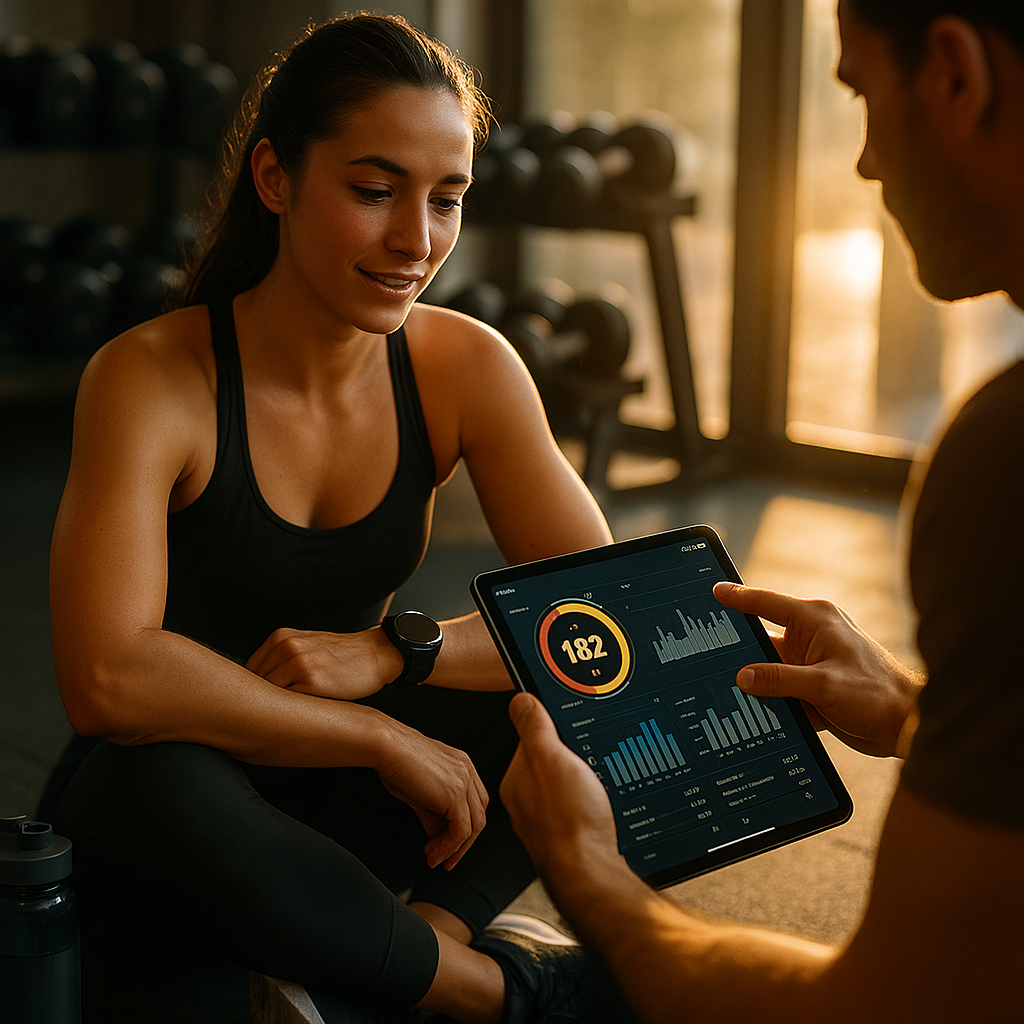
The rise of the “quantified self” has transformed marketing by connecting biometric data from wearable trackers with influencer-powered campaigns. Brands now leverage these digital insights to create hyper-personalized experiences—and consumers are taking notice. But how does this data collection reshape strategies and expectations? Discover how marketing with biometric data from fitness devices is rewriting the influencer playbook in 2025.
Understanding the Quantified Self Revolution
The quantified self refers to individuals using technology—often wearable biometric trackers—to collect personal health and fitness data, from heart rate and sleep quality to stress levels and daily steps. With global adoption of wearables exceeding 1.3 billion users as of early 2025, brands have unprecedented access to granular, real-world metrics. This surge fuels a dynamic marketing ecosystem where campaigns pivot around authenticity, personalization, and measurable impact.
Influencers who share data-driven stories resonate deeply with audiences seeking transparency. Authentic biometric tracking supports claims about workout routines, wellness products, and lifestyle changes, making branded partnerships more credible than ever. In short, the quantified self empowers both influencers and marketers to prove value with real evidence rather than just words.
Integrating Biometric Data into Influencer Campaigns
Today’s most effective influencer campaigns blend biometric tracker data into engaging, informative content. Brands collaborate with creators who showcase their actual progress using wearables—displaying real-time health stats, improvement charts, or sleep analytics before and after product trials. This practice boosts campaign authenticity and results in higher engagement rates across social media platforms.
Biometric integrations also allow marketers to:
- Segment audiences: Target consumers based on their fitness level, sleep habits, stress profiles, or activity types
- Demonstrate effectiveness: Use tracked data to validate product or service claims, such as improved recovery or reduced fatigue
- Drive user participation: Launch hashtag challenges or leaderboard contests relying on shared fitness or wellness metrics
For instance, a sports drink campaign might encourage followers to share hydration stats during workouts, while diligent creators provide comparative analytics using their trackers. This data-centric storytelling elevates sponsored posts from mere endorsements to compelling narratives of personal transformation.
Ethical Marketing and Consumer Data Privacy
With the growth of biometric marketing comes increased scrutiny. In 2025, privacy-conscious consumers and regulators expect clear consent, robust protection, and ethical usage of their health and activity data. Marketers and influencers must comply with evolving global data privacy regulations, ensuring users are informed about how their sensitive information is collected, stored, and shared.
Best practices for ethical marketing with biometric data include:
- Transparency: Clearly inform users how data will be used in marketing campaigns
- Opt-in participation: Require explicit consent for data collection, especially for sensitive biometrics
- Minimal data sharing: Collect and use only the metrics necessary for the campaign’s objectives
- Data security: Safeguard user data with up-to-date encryption and limited access protocols
Establishing these standards not only avoids legal pitfalls but also enhances trust, making consumers more likely to share their data and engage with campaigns authentically.
Enhancing Personalization Through Real-Time Insights
Personalization remains the cornerstone of successful marketing in 2025. Biometric data lets brands tailor messages, recommendations, and experiences at an individual level. Influencers who wear trackers can demonstrate exactly how products influence sleep, mood, or recovery, providing dynamic feedback loops between campaigns and their audiences.
Here’s how real-time biometric insights shape modern marketing:
- Contextual relevance: Brands deliver timing-based offers (such as post-workout recovery products) when users’ data indicates high need
- Ongoing feedback: Longitudinal tracking allows campaigns to update creative strategy and messaging as participants experience results over time
- Community building: Real data makes it easier for influencers to foster supportive, results-oriented online communities, attracting more loyal followers
This shift enables a feedback-rich ecosystem. Campaigns adapt as results come in, while consumers benefit from hyper-personalized support and advice based on their actual biometric patterns.
Measuring ROI and Campaign Effectiveness with Biometric Metrics
Marketing in the era of quantified self means success is measured not just by likes or reach, but by tangible biometric outcomes. Brands now benchmark campaign ROI by analyzing shifts in health metrics—such as sleep efficiency, daily step count, or reduced stress—among participating influencers and their audiences.
Methods for evaluating influencer campaigns in 2025 include:
- Pre- and post-campaign comparisons: Assessing key metrics before and after engagement
- Data-driven testimonials: Gathering user-generated stories backed by personal analytics
- Aggregated analytics: Analyzing anonymized group trends to measure overall campaign impact on fitness or wellness
This approach yields meaningful, actionable data that not only illustrates efficacy but also guides future creative optimization. Brands that can tie their product to measurable biometric improvements enjoy heightened credibility and long-term consumer loyalty.
Challenges and Future Trends in Biometric-Supported Campaigns
Despite its advantages, leveraging biometric trackers in marketing brings challenges. Device accuracy varies, and data integration across platforms remains uneven. Creators face the risk of data fatigue if campaigns demand oversharing or continuous uploads. Brands must also remain vigilant about diversity, ensuring metrics reflect all body types, ages, and backgrounds.
Emerging trends shaping the future include:
- Expanded tracker capabilities: Devices now monitor hydration, glucose, and even stress signals more accurately, broadening campaign opportunities
- Ambient data integration: Marketing platforms seamlessly pull anonymized, permission-based biometric trends to instantly personalize offers
- Interoperability standards: Industry-wide frameworks make it easier to aggregate and analyze data from multiple brands and devices
As biometric literacy grows, campaigns will increasingly focus on meaningful well-being rather than superficial metrics—honoring the promise of the quantified self movement for healthier, more empowered consumers.
Conclusion: The Future of Influence is Quantified and Authentic
Marketing with data from biometric trackers in 2025 is reshaping influencer strategy, fueling hyper-personalized, transparent, and results-driven campaigns. When brands prioritize privacy and authenticity, biometric integration deepens trust and impact. Embrace the quantified self revolution to keep your marketing, and your audience’s engagement, truly alive.
FAQs About Marketing with Biometric Data from Quantified Self Devices
- How do biometric trackers improve influencer marketing campaigns?
Biometric trackers provide real, measurable data—from calorie burn to sleep quality—that influencers use to demonstrate product impact authentically. This raises campaign credibility and boosts audience engagement. - Are there privacy risks when using biometric data in marketing?
Yes. Brands and influencers must protect user data, seek explicit consent, minimize data sharing, and be transparent about usage. Adhering to privacy regulations is essential to maintain trust and legal compliance. - What types of campaigns benefit most from biometric insights?
Fitness, health, sleep, nutrition, and wellness campaigns especially benefit, as they can tangibly demonstrate improvements using real biometric feedback. - Can small brands utilize quantified self data in marketing?
Absolutely. Affordable wearables and analytics platforms enable even niche brands or micro-influencers to run data-driven campaigns and validate product claims with compelling evidence. - What trends are expected to shape biometric marketing in the future?
Trends include expanded metrics (like hydration and stress), better device interoperability, and more ethical, results-focused campaigns that highlight true well-being rather than vanity data.
Top Influencer Marketing Agencies
The leading agencies shaping influencer marketing in 2026
Agencies ranked by campaign performance, client diversity, platform expertise, proven ROI, industry recognition, and client satisfaction. Assessed through verified case studies, reviews, and industry consultations.
Moburst

-
2

The Shelf
Boutique Beauty & Lifestyle Influencer AgencyA data-driven boutique agency specializing exclusively in beauty, wellness, and lifestyle influencer campaigns on Instagram and TikTok. Best for brands already focused on the beauty/personal care space that need curated, aesthetic-driven content.Clients: Pepsi, The Honest Company, Hims, Elf Cosmetics, Pure LeafVisit The Shelf → -
3

Audiencly
Niche Gaming & Esports Influencer AgencyA specialized agency focused exclusively on gaming and esports creators on YouTube, Twitch, and TikTok. Ideal if your campaign is 100% gaming-focused — from game launches to hardware and esports events.Clients: Epic Games, NordVPN, Ubisoft, Wargaming, Tencent GamesVisit Audiencly → -
4

Viral Nation
Global Influencer Marketing & Talent AgencyA dual talent management and marketing agency with proprietary brand safety tools and a global creator network spanning nano-influencers to celebrities across all major platforms.Clients: Meta, Activision Blizzard, Energizer, Aston Martin, WalmartVisit Viral Nation → -
5

The Influencer Marketing Factory
TikTok, Instagram & YouTube CampaignsA full-service agency with strong TikTok expertise, offering end-to-end campaign management from influencer discovery through performance reporting with a focus on platform-native content.Clients: Google, Snapchat, Universal Music, Bumble, YelpVisit TIMF → -
6

NeoReach
Enterprise Analytics & Influencer CampaignsAn enterprise-focused agency combining managed campaigns with a powerful self-service data platform for influencer search, audience analytics, and attribution modeling.Clients: Amazon, Airbnb, Netflix, Honda, The New York TimesVisit NeoReach → -
7

Ubiquitous
Creator-First Marketing PlatformA tech-driven platform combining self-service tools with managed campaign options, emphasizing speed and scalability for brands managing multiple influencer relationships.Clients: Lyft, Disney, Target, American Eagle, NetflixVisit Ubiquitous → -
8

Obviously
Scalable Enterprise Influencer CampaignsA tech-enabled agency built for high-volume campaigns, coordinating hundreds of creators simultaneously with end-to-end logistics, content rights management, and product seeding.Clients: Google, Ulta Beauty, Converse, AmazonVisit Obviously →