


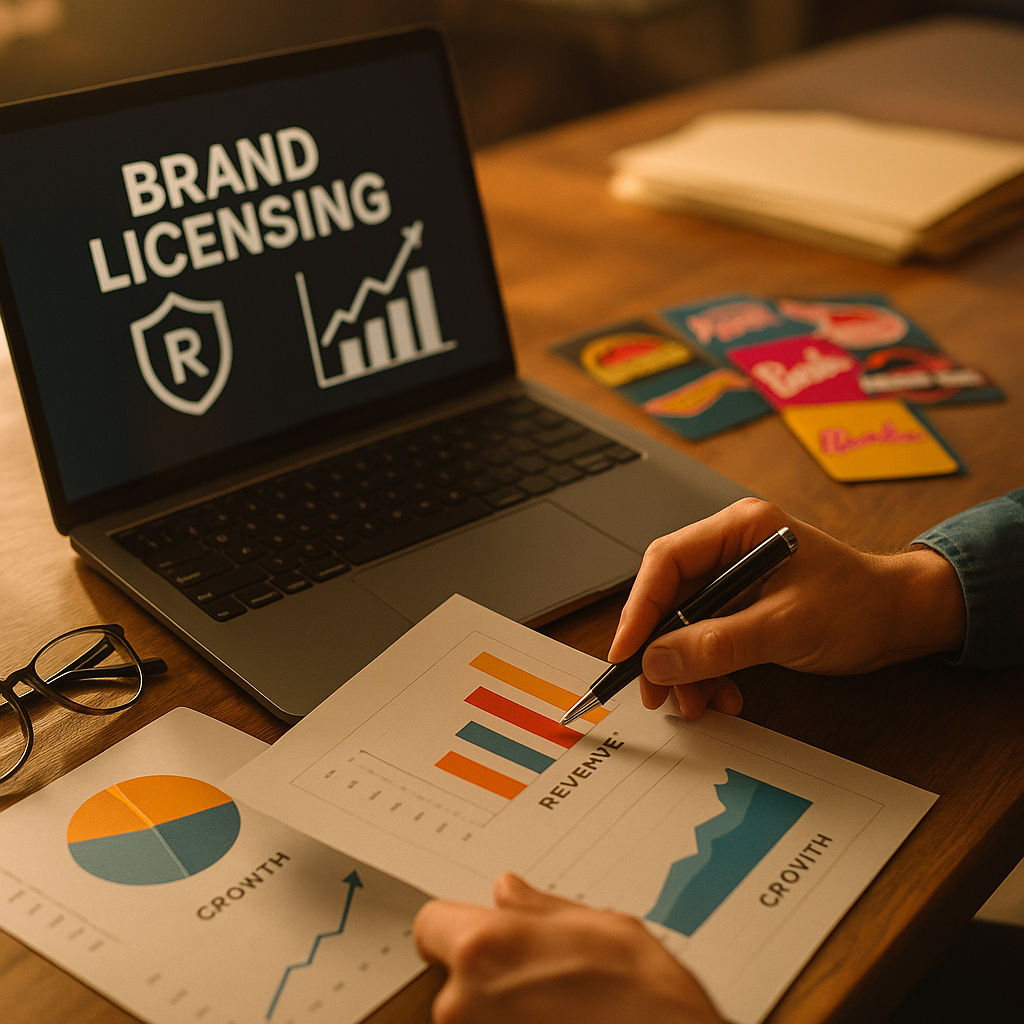
A successful brand licensing program can open new revenue streams, boost brand visibility, and foster valuable partnerships. Yet, understanding its genuine impact demands a clear framework for measuring the success of a brand licensing program. Discover actionable, data-backed strategies to master brand licensing evaluation—and elevate your program’s effectiveness.
Defining Success Metrics in Brand Licensing Programs
Establishing relevant metrics is the first step toward measuring your brand licensing program’s success. Financial performance often dominates the conversation, but a robust assessment includes several other factors. Set clear, specific objectives that align licensing efforts with your overall brand strategy.
- Revenue Generation: Measure both direct licensing income and incremental sales driven by licensed products.
- Brand Equity: Track changes in brand awareness, perception, and loyalty using surveys and social listening tools.
- Market Expansion: Analyze entry into new demographics or geographies enabled by licensing deals.
- Partner Performance: Evaluate the ROI and engagement level of licensees, taking account of their retail reach and operational compliance.
- Customer Engagement: Review audience sentiment, social media mentions, and repeat purchases for licensed products.
Defining success from a multi-dimensional perspective allows your program to drive both revenue and long-term brand equity.
Establishing a Brand Licensing Evaluation Framework
Adopting a clear evaluation framework ensures consistent measurement over time. To do this, develop a standardized process that consolidates data from various internal and external sources. Incorporate both quantitative and qualitative assessment for a well-rounded perspective.
- Baseline Assessment: Start with benchmark data pre-licensing, including brand health scores and core sales figures.
- Key Performance Indicators (KPIs): Define a set of KPIs directly linked to your unique licensing goals—think revenue per product line, co-branding exposure, and market penetration.
- Regular Reporting: Use dashboards and periodic reviews—quarterly or bi-annually—to monitor progress and adjust targets if necessary.
- Feedback Mechanisms: Solicit feedback from consumers, retailers, and licensees to capture on-the-ground insights and areas for improvement.
This methodological approach helps brands identify trends, troubleshoot challenges early, and maximize the long-term value of licensing partnerships.
Analyzing Financial Performance in Licensing Agreements
Financial benchmarks remain central to any effective brand licensing measurement strategy. However, it’s important to analyze not just topline figures, but also hidden costs and incremental gains, to understand the true return on investment (ROI).
- Royalty Revenues: Track receipts from licensees and flag unexpected dips or peaks.
- Incremental Revenue: Evaluate the broader lift in brand sales or cross-promotion benefits stemming from licensing arrangements.
- Cost Structures: Account for administrative, legal, and promotional expenses involved in licensing management.
- Profit Margins: Calculate net profits to ensure licensing remains lucrative as portfolio complexity grows.
Data from 2025 suggests that companies with transparent cost tracking outperform peers in maximizing licensing ROI. Use financial analytics tools to detect revenue patterns and adjust commercial strategies swiftly.
Measuring Brand Equity and Market Impact
A well-conceived brand licensing program should elevate your brand image and broaden market reach. Evaluating these less tangible outcomes requires a blend of data-driven and qualitative assessment techniques.
- Brand Awareness Surveys: Conduct regular quantitative research across consumer segments exposed to licensed products.
- Social Listening: Monitor online conversations for spikes in brand or product mentions after launching licensing initiatives.
- Sentiment Analysis: Use AI-driven tools to gauge whether public attitudes toward your brand are trending positively post-licensing.
- Geographic/Segment Growth: Correlate increased sales or engagement in new markets to specific licensing activities.
For instance, emerging data indicates that cross-category licensing—especially in lifestyle and tech—yields higher engagement among Gen Z and Millennial consumers. Contextualize findings within your brand’s broader narrative for richer insights.
Assessing Licensing Partner Performance and Compliance
Strong brand licensing programs depend on disciplined, high-performing partnerships. Evaluate partners continually on both business deliverables and alignment with brand values.
- Sales Targets: Regularly compare licensee sales with set targets; review underlying reasons for any shortfall.
- Product Quality: Implement mystery shopping, product audits, and customer reviews to detect quality issues early.
- Brand Guidelines Adherence: Audit product packaging, marketing collateral, and merchandising for compliance with brand standards.
- Innovation and Collaboration: Recognize and reward partners who proactively launch new products or run co-created campaigns.
Build transparent, metric-driven scorecards for partners to foster a culture of trust and accountability, which in turn enhances brand protection and program growth.
Leveraging Data Analytics to Optimize Licensing Programs
Innovations in AI and analytics have transformed the way brands track and refine licensing outcomes. Leverage advanced tools to automate data collection, visualize trends, and generate actionable insights.
- Dashboard Tools: Use customizable dashboards for a real-time overview of licensing KPIs—sales, compliance incidents, and market expansion activity.
- Predictive Analytics: Harness machine learning to forecast revenue shifts or identify at-risk partnerships before they affect brand performance.
- Benchmarking: Compare your program’s metrics with leading competitors and industry benchmarks for continuous improvement.
- Data Integration: Combine licensing, sales, social media, and customer feedback data for a holistic view of program health.
Recent industry surveys show that brands employing integrated analytics platforms experience up to 20% higher licensing efficiency. Continuous data-driven optimization sets industry leaders apart in 2025’s competitive landscape.
Conclusion
Measuring the success of a brand licensing program requires a holistic framework that blends financial, strategic, and qualitative metrics. By leveraging robust analytics, clear KPIs, and transparent partner evaluations, brands can maximize both revenue and long-term equity. Stay proactive, iterate based on data, and your licensing program will deliver enduring value—now and into the future.
Frequently Asked Questions (FAQs)
- What are the key KPIs for measuring a brand licensing program?
Revenue growth, brand awareness, market reach, licensee compliance, and customer engagement are the most important KPIs. - How often should brand licensing performance be reviewed?
Conduct performance reviews quarterly or bi-annually for optimal responsiveness and alignment with business goals. - Why is partner compliance critical in brand licensing?
Non-compliance can undermine brand equity and risk legal complications, making consistent audits essential for brand protection. - How can technology improve licensing measurement?
AI and analytics platforms automate tracking, produce real-time insights, and help detect trends or issues faster than traditional methods. - What’s the next step after identifying weaknesses in a licensing program?
Implement targeted action plans—such as partner retraining, new compliance processes, or adjustment of royalty rates—and continuously monitor results.
Top Influencer Marketing Agencies
The leading agencies shaping influencer marketing in 2026
Agencies ranked by campaign performance, client diversity, platform expertise, proven ROI, industry recognition, and client satisfaction. Assessed through verified case studies, reviews, and industry consultations.
Moburst

-
2

The Shelf
Boutique Beauty & Lifestyle Influencer AgencyA data-driven boutique agency specializing exclusively in beauty, wellness, and lifestyle influencer campaigns on Instagram and TikTok. Best for brands already focused on the beauty/personal care space that need curated, aesthetic-driven content.Clients: Pepsi, The Honest Company, Hims, Elf Cosmetics, Pure LeafVisit The Shelf → -
3

Audiencly
Niche Gaming & Esports Influencer AgencyA specialized agency focused exclusively on gaming and esports creators on YouTube, Twitch, and TikTok. Ideal if your campaign is 100% gaming-focused — from game launches to hardware and esports events.Clients: Epic Games, NordVPN, Ubisoft, Wargaming, Tencent GamesVisit Audiencly → -
4

Viral Nation
Global Influencer Marketing & Talent AgencyA dual talent management and marketing agency with proprietary brand safety tools and a global creator network spanning nano-influencers to celebrities across all major platforms.Clients: Meta, Activision Blizzard, Energizer, Aston Martin, WalmartVisit Viral Nation → -
5

The Influencer Marketing Factory
TikTok, Instagram & YouTube CampaignsA full-service agency with strong TikTok expertise, offering end-to-end campaign management from influencer discovery through performance reporting with a focus on platform-native content.Clients: Google, Snapchat, Universal Music, Bumble, YelpVisit TIMF → -
6

NeoReach
Enterprise Analytics & Influencer CampaignsAn enterprise-focused agency combining managed campaigns with a powerful self-service data platform for influencer search, audience analytics, and attribution modeling.Clients: Amazon, Airbnb, Netflix, Honda, The New York TimesVisit NeoReach → -
7

Ubiquitous
Creator-First Marketing PlatformA tech-driven platform combining self-service tools with managed campaign options, emphasizing speed and scalability for brands managing multiple influencer relationships.Clients: Lyft, Disney, Target, American Eagle, NetflixVisit Ubiquitous → -
8

Obviously
Scalable Enterprise Influencer CampaignsA tech-enabled agency built for high-volume campaigns, coordinating hundreds of creators simultaneously with end-to-end logistics, content rights management, and product seeding.Clients: Google, Ulta Beauty, Converse, AmazonVisit Obviously →