


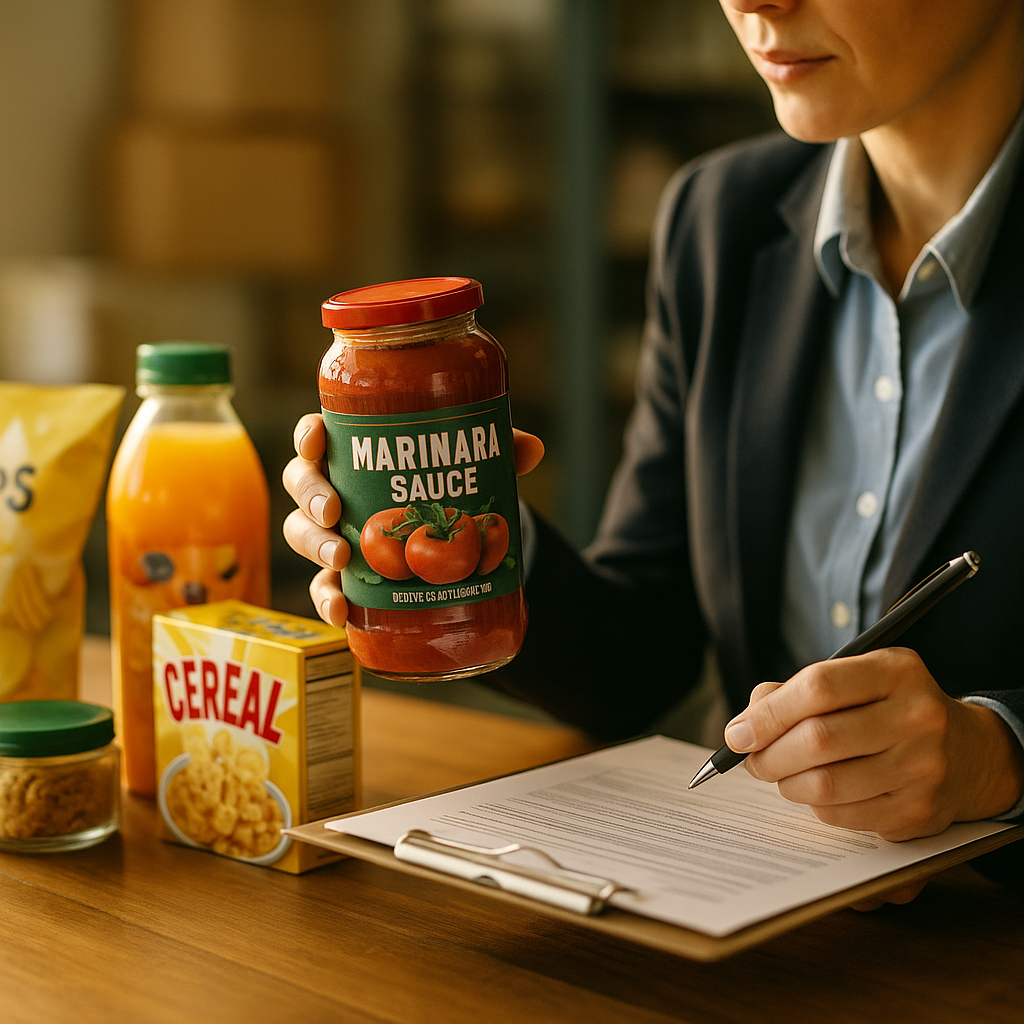
Complying with food and beverage advertising and labeling regulations is essential for brands to maintain consumer trust and avoid costly penalties. Adherence not only protects your reputation but also ensures your products reach wider markets legally. Unlock the secrets to navigating compliance with clear, actionable steps tailored for today’s rapidly changing regulatory environment.
Understanding Food Advertising Compliance
Food advertising compliance involves ensuring all marketing communications about your food or beverage products are truthful, not misleading, and substantiated by evidence. Regulatory bodies like the FDA and FTC in the United States, as well as counterparts globally, closely monitor advertising claims—especially health benefits, nutritional claims, and images used in digital and traditional marketing.
Essential elements include:
- Truthfulness: Claims about ingredients, nutrition, origin, or health effects must be accurate.
- Substantiation: Scientific backing is required for nutritional or health-related statements.
- Non-Deception: Marketing should not mislead through implication, omission, or exaggeration.
Recent guidance from regulatory agencies (as of 2025) emphasizes transparency in social media advertising and influencer partnerships. Disclosures about paid promotions and any health-related testimonials must be obvious to consumers.
Key Labeling Requirements for Food and Beverage Products
Complying with food and beverage labeling regulations is crucial for product acceptance in retail and international trade. Labels serve as the primary communication channel between your product and consumers, so accuracy and clarity are paramount.
Core elements found on compliant labels:
- Product Identity: Clearly state what the product is (e.g., “sparkling apple juice”).
- Net Quantity: Display the amount of product in the packaging (weight or volume).
- Ingredients List: Identify all ingredients in descending order by weight.
- Allergen Declarations: Highlight any major food allergens, following the Food Allergen Labeling and Consumer Protection Act.
- Nutrition Facts: Use the standardized Nutrition Facts format and update serving sizes as required.
- Manufacturer Information: Include contact details for traceability and consumer inquiries.
- Expiration Dates and Storage Instructions: Let consumers know how long your product is safe and how it should be kept.
Pay special attention to country-specific requirements. For example, new 2025 regulations in several regions require clearer font sizes and bilingual labeling in some markets. The use of QR codes for traceability and extended ingredient information is increasingly preferred.
Managing Health and Nutritional Claims
Using health and nutritional claims can significantly influence consumer buying decisions, but they are strictly regulated. Authorities require that claims like “low-sugar,” “high-protein,” or “supports immune health” are supported by rigorous scientific evidence and conform to pre-set definitions.
To ensure compliance:
- Use only permitted claims as defined by the relevant regulatory authority.
- Maintain up-to-date documentation proving the accuracy of the claims.
- Regularly audit formulations against claim requirements—even minor recipe changes can compromise compliance.
- Refrain from making disease prevention or cure claims unless explicitly approved (such as for certain functional foods).
In 2025, regulators continue to increase focus on environmental claims like “eco-friendly” or “sustainable sourcing.” These claims now require formal third-party certification and must be verifiable.
Global Food and Beverage Regulation Standards
Navigating global food and beverage regulation standards is crucial for businesses aiming to scale internationally. Countries and regions may follow the Codex Alimentarius but often have additional laws that govern marketing and labeling.
Key country and regional considerations:
- European Union: Foods with “nutritional or health claims” require pre-authorization; allergen icons are mandatory on the front of packaging.
- United States: GMO disclosure and front-of-package calorie labeling are required for many categories.
- Asia-Pacific: Some countries enforce unique labeling for traditional ingredients, additives, and religious certifications like halal or kosher.
Stay updated with organizations such as the Global Food Safety Initiative (GFSI) and local authorities. Consulting with legal and regulatory professionals in your target export markets is highly recommended for smooth entry and ongoing compliance as rules evolve.
Implementing Effective Internal Controls and Audits
Effective internal controls ensure ongoing compliance with food labeling and advertising regulations. In 2025, automated solutions and integrated compliance management systems are increasingly common in large and mid-sized businesses.
Recommended actions:
- Appoint a compliance officer or designate a cross-functional team.
- Develop clear Standard Operating Procedures (SOPs) for drafting, approving, and updating labels and advertisements.
- Conduct routine internal audits and label reviews.
- Invest in staff training to stay current with evolving regulations and best practices.
- Utilize audit-ready documentation and maintain change logs for product recipes, formulas, and marketing materials.
Consider third-party compliance software to automate review processes, flagging potential violations before they reach the market. Maintaining proactive control reduces the risk of recalls, fines, or marketplace bans.
Adapting to Changes in Food Advertising Policy
Food advertising policy frequently shifts in response to new research and consumer protection concerns. With increased scrutiny on children’s advertising, environmental responsibility, and technology utilization, brands must anticipate rather than just react.
Stay ahead by:
- Subscribing to updates from regulatory agencies and industry groups.
- Participating in webinars, workshops, and compliance training events.
- Engaging with professional associations to exchange insights and best practices.
- Championing a culture of compliance organization-wide, ensuring everyone is responsible for upholding standards.
Leading brands treat compliance not as a box-ticking exercise but as an integral part of consumer trust and market leadership in 2025.
Conclusion
Mastering compliance with food and beverage advertising and labeling regulations is crucial for brand integrity and marketplace success. By understanding evolving laws, maintaining accurate documentation, and implementing robust controls, you protect both your consumers and your business. Stay informed, proactive, and transparent—make compliance a strategic advantage now and in the future.
FAQs About Food and Beverage Advertising and Labeling Regulations
-
What is the penalty for non-compliance with food labeling regulations?
Penalties can include product recalls, fines, import bans, and reputational damage. Some violations may result in civil or even criminal charges, especially if consumer health is affected.
-
How often should labels and advertising materials be reviewed?
Labels and advertising should be reviewed at least annually or whenever there is a change in product formulation, regulations, or marketing approach.
-
Are digital and social media ads regulated differently?
No, digital and social media ads generally follow the same rules as traditional advertising. However, digital ads require extra transparency regarding paid endorsements and testimonials.
-
How can companies verify the accuracy of health claims?
Health claims must be supported by robust scientific studies. Consult with nutritionists, regulatory experts, and legal counsel, and maintain updated research files as backup.
-
Where can I find the latest updates on food labeling laws in 2025?
Regularly check official websites of bodies like the FDA, EFSA, and Codex Alimentarius. Subscribe to industry newsletters and attend relevant regulatory webinars for real-time updates.
Top Influencer Marketing Agencies
The leading agencies shaping influencer marketing in 2026
Agencies ranked by campaign performance, client diversity, platform expertise, proven ROI, industry recognition, and client satisfaction. Assessed through verified case studies, reviews, and industry consultations.
Moburst

-
2

The Shelf
Boutique Beauty & Lifestyle Influencer AgencyA data-driven boutique agency specializing exclusively in beauty, wellness, and lifestyle influencer campaigns on Instagram and TikTok. Best for brands already focused on the beauty/personal care space that need curated, aesthetic-driven content.Clients: Pepsi, The Honest Company, Hims, Elf Cosmetics, Pure LeafVisit The Shelf → -
3

Audiencly
Niche Gaming & Esports Influencer AgencyA specialized agency focused exclusively on gaming and esports creators on YouTube, Twitch, and TikTok. Ideal if your campaign is 100% gaming-focused — from game launches to hardware and esports events.Clients: Epic Games, NordVPN, Ubisoft, Wargaming, Tencent GamesVisit Audiencly → -
4

Viral Nation
Global Influencer Marketing & Talent AgencyA dual talent management and marketing agency with proprietary brand safety tools and a global creator network spanning nano-influencers to celebrities across all major platforms.Clients: Meta, Activision Blizzard, Energizer, Aston Martin, WalmartVisit Viral Nation → -
5

The Influencer Marketing Factory
TikTok, Instagram & YouTube CampaignsA full-service agency with strong TikTok expertise, offering end-to-end campaign management from influencer discovery through performance reporting with a focus on platform-native content.Clients: Google, Snapchat, Universal Music, Bumble, YelpVisit TIMF → -
6

NeoReach
Enterprise Analytics & Influencer CampaignsAn enterprise-focused agency combining managed campaigns with a powerful self-service data platform for influencer search, audience analytics, and attribution modeling.Clients: Amazon, Airbnb, Netflix, Honda, The New York TimesVisit NeoReach → -
7

Ubiquitous
Creator-First Marketing PlatformA tech-driven platform combining self-service tools with managed campaign options, emphasizing speed and scalability for brands managing multiple influencer relationships.Clients: Lyft, Disney, Target, American Eagle, NetflixVisit Ubiquitous → -
8

Obviously
Scalable Enterprise Influencer CampaignsA tech-enabled agency built for high-volume campaigns, coordinating hundreds of creators simultaneously with end-to-end logistics, content rights management, and product seeding.Clients: Google, Ulta Beauty, Converse, AmazonVisit Obviously →