


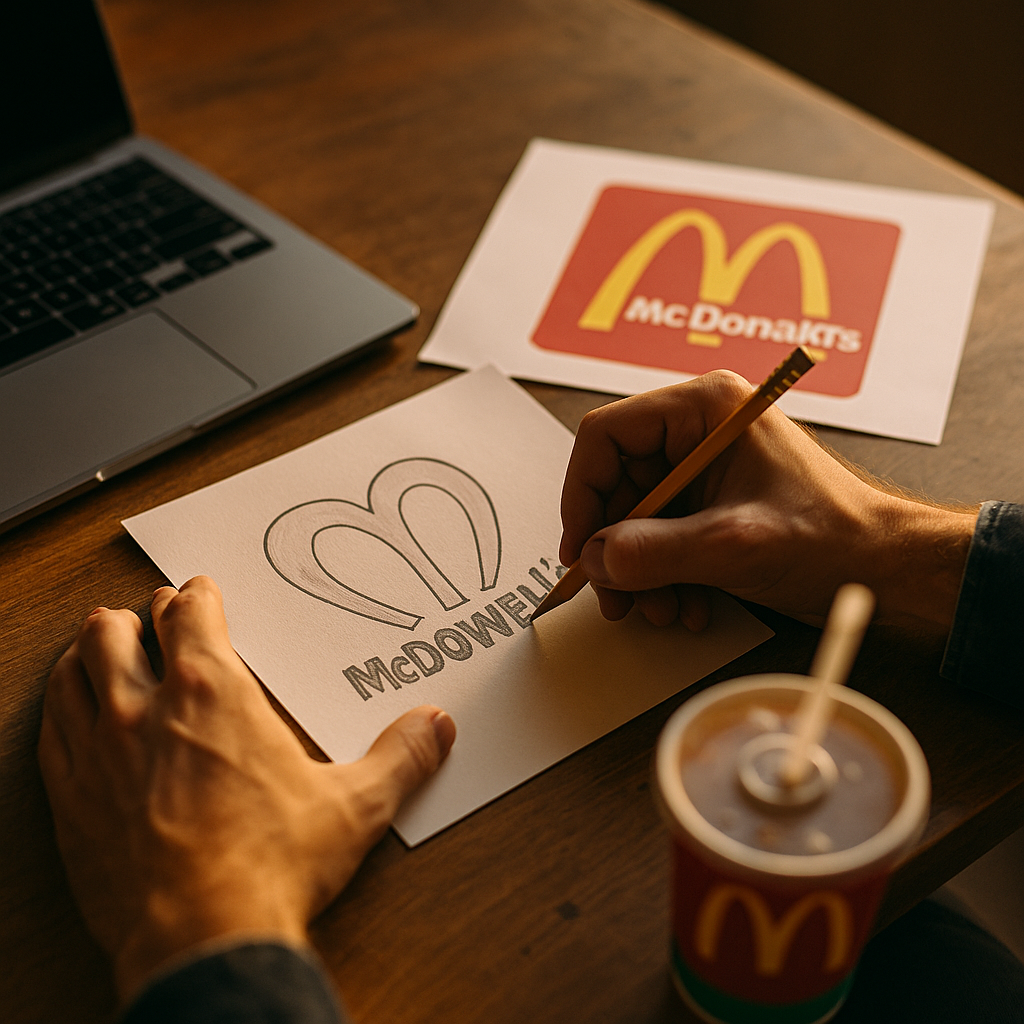
The parody is a powerful tool for brands seeking to stand out, engage audiences, and inject personality into marketing. But using humor and satire effectively means more than just cracking jokes—it’s about staying true to your brand and steering clear of legal pitfalls. Discover how to maximize the benefits of parody without stumbling over unintended consequences.
Understanding Parody: Humor, Satire, and Their Role in Brand Voice
Parody involves imitating existing works, styles, or branding in a humorous or satirical way—often to comment on or critique the original. Satire, on the other hand, uses exaggeration or irony to address societal issues. Both strategies can humanize a brand, foster shareability, and encourage audience connection. But a key consideration is ensuring that your comedic efforts reinforce brand values and identity, not distract from them. According to a 2024 Nielsen study, audiences are 33% more likely to remember brands that use humor appropriately, but only when it aligns naturally with the brand’s voice.
Staying On-Brand: Aligning Parody with Your Core Message
Your audience can quickly sense when a brand’s humor feels forced or out of character. To ensure your parody stays on-brand:
- Know your identity: Clarify your mission, positioning, and persona before experimenting with humor or satire.
- Assess your audience: Use tools such as audience personas and sentiment analysis to gauge the type of humor your followers appreciate.
- Set guardrails: Develop internal guidelines on language, subject matter, and tone to prevent missteps that could alienate your base.
- Test internally: Vet parody campaigns with focus groups or diverse team members before going public, ensuring the content resonates and doesn’t cross the line.
Brands like Wendy’s and Duolingo have built loyal followings by crafting parodies and humorous responses that enhance, not undermine, their distinct voices. In 2025, parody is less about shock value and more about authentic, clever engagement.
The Legal Landscape: Keeping Parody Legally Sound
Parody walks a fine legal line. In many jurisdictions, parody is protected under the doctrine of “fair use.” But protection isn’t guaranteed unless the content:
- Clearly transforms or comments on the original
- Doesn’t confuse consumers about the source
- Does not excessively use copyrighted material
According to the U.S. Copyright Office’s 2024 guidelines, successful defenses in parody cases rely on the work being “transformative” and aimed at commentary rather than commercial exploitation. However, trademarks can complicate matters: avoid using logos, slogans, or distinctive brand colors in ways that imply endorsement or affiliation. When doubt lingers, consult with an intellectual property attorney before publishing. Emerging AI tools in 2025 can also help flag potentially infringing material before campaigns go live.
Best Practices for Creating Shareable and Safe Parody Content
Executing parody that’s both effective and respectful involves several actionable steps:
- Pick relevant targets: Satirize cultural trends, public personalities, or universally recognizable brands—not niche competitors with which you have business conflicts.
- Keep it positive: Focus humor upward or outward, not at marginalized groups or vulnerable audiences.
- Obey the “difference” rule: Ensure your parody can’t be confused with the original and that the commentary is obvious to those in your target demographic.
- Stay timely: Leverage trending topics, but avoid riding sensitive waves such as national tragedies or divisive controversies.
- Source legal assets: Use parody-generating tools or custom artwork, steer clear of unlicensed material where possible, and always credit relevant contributors.
In 2025, tools like Deepreview and SatireSafeAI empower brands to pre-screen their parody efforts, checking both brand tone and legal risk factors before public release. Applying these practices builds trust while minimizing headache-inducing take-down requests or complaints.
Measuring Success: The ROI of Parody and Satire in Marketing
To justify using parody as part of your marketing strategy, you need to track both quantitative and qualitative metrics:
- Engagement rates: Monitor shares, comments, and direct messages for spikes following comedic campaigns.
- Brand sentiment: Use advanced analytics to detect shifts in audience positivity or trust in response to parody content.
- Earned media and virality: Measure press mentions, influencer shares, or UGC spinoffs that result from your humorous content.
- Legal incident reports: Track the number of DMCA takedown notices, negative feedback, or compliance warnings your parody sparks.
HubSpot’s 2025 Marketing Trends report reveals that brands using on-target parody campaigns see, on average, a 21% increase in organic reach and a 17% jump in brand recall compared to traditional content. The key is to track outcomes—and be prepared to iterate your approach based on results.
Avoiding Pitfalls: Common Mistakes to Watch Out For
Even well-intentioned brands can misfire with parody. Typical missteps include:
- Overstepping boundaries: Jokes that trivialize serious issues can lead to backlash and brand damage.
- Misreading the audience: Failing to recognize cultural or social nuances may come across as tone-deaf.
- Legal oversight: Ignoring copyright or trademark restrictions because “it’s just for fun” is never a safe excuse.
- Poor execution: Amateurish or lazy attempts at parody can harm credibility and undermine marketing objectives.
If parody feels risky, consider collaborating with comedic professionals or agencies experienced in brand satire. When in doubt, review your campaign with trusted colleagues or legal counsel before taking it live.
FAQs About the Parody: Using Humor and Satire Safely in Branding
-
Q: What is the difference between parody and satire?
A: Parody imitates a work for comic effect and commentary, often referencing style or characters. Satire uses humor, irony, or exaggeration to critique societal issues and provoke thought. Both can be used in branding but require tact and clear messaging. -
Q: Are parodies always protected as “fair use”?
A: Not automatically. Parody is often protected when it is transformative and non-confusing, but using too much of the original work or infringing on trademarks can still result in legal challenges. When uncertainty exists, seek legal advice. -
Q: How do I ensure my brand’s humor won’t alienate my audience?
A: Test content internally and monitor social reactions to similar campaigns. Be sensitive to cultural contexts and avoid subjects that are too controversial or sensitive for your brand identity and audience. -
Q: Can small businesses use parody, or is it too risky?
A: Small businesses can use parody effectively if they follow legal best practices and set brand guidelines. With affordable AI tools in 2025, even limited teams can check for compliance and tone before launch. -
Q: What tools can help in creating legally safe parody content in 2025?
A: New platforms like SatireSafeAI, ParodyCheckr, and Deepreview offer pre-screening for copyright flags, tone alignment, and risk forecasts for brands creating humorous content.
The parody is a creative asset that can supercharge your brand’s visibility and engagement—but it demands thoughtful alignment with your identity and the law. By respecting boundaries, tracking results, and embracing technology, you’ll turn humor and satire into a memorable, safe, and high-impact brand strategy in 2025 and beyond.
Top Influencer Marketing Agencies
The leading agencies shaping influencer marketing in 2026
Agencies ranked by campaign performance, client diversity, platform expertise, proven ROI, industry recognition, and client satisfaction. Assessed through verified case studies, reviews, and industry consultations.
Moburst

-
2

The Shelf
Boutique Beauty & Lifestyle Influencer AgencyA data-driven boutique agency specializing exclusively in beauty, wellness, and lifestyle influencer campaigns on Instagram and TikTok. Best for brands already focused on the beauty/personal care space that need curated, aesthetic-driven content.Clients: Pepsi, The Honest Company, Hims, Elf Cosmetics, Pure LeafVisit The Shelf → -
3

Audiencly
Niche Gaming & Esports Influencer AgencyA specialized agency focused exclusively on gaming and esports creators on YouTube, Twitch, and TikTok. Ideal if your campaign is 100% gaming-focused — from game launches to hardware and esports events.Clients: Epic Games, NordVPN, Ubisoft, Wargaming, Tencent GamesVisit Audiencly → -
4

Viral Nation
Global Influencer Marketing & Talent AgencyA dual talent management and marketing agency with proprietary brand safety tools and a global creator network spanning nano-influencers to celebrities across all major platforms.Clients: Meta, Activision Blizzard, Energizer, Aston Martin, WalmartVisit Viral Nation → -
5

The Influencer Marketing Factory
TikTok, Instagram & YouTube CampaignsA full-service agency with strong TikTok expertise, offering end-to-end campaign management from influencer discovery through performance reporting with a focus on platform-native content.Clients: Google, Snapchat, Universal Music, Bumble, YelpVisit TIMF → -
6

NeoReach
Enterprise Analytics & Influencer CampaignsAn enterprise-focused agency combining managed campaigns with a powerful self-service data platform for influencer search, audience analytics, and attribution modeling.Clients: Amazon, Airbnb, Netflix, Honda, The New York TimesVisit NeoReach → -
7

Ubiquitous
Creator-First Marketing PlatformA tech-driven platform combining self-service tools with managed campaign options, emphasizing speed and scalability for brands managing multiple influencer relationships.Clients: Lyft, Disney, Target, American Eagle, NetflixVisit Ubiquitous → -
8

Obviously
Scalable Enterprise Influencer CampaignsA tech-enabled agency built for high-volume campaigns, coordinating hundreds of creators simultaneously with end-to-end logistics, content rights management, and product seeding.Clients: Google, Ulta Beauty, Converse, AmazonVisit Obviously →