


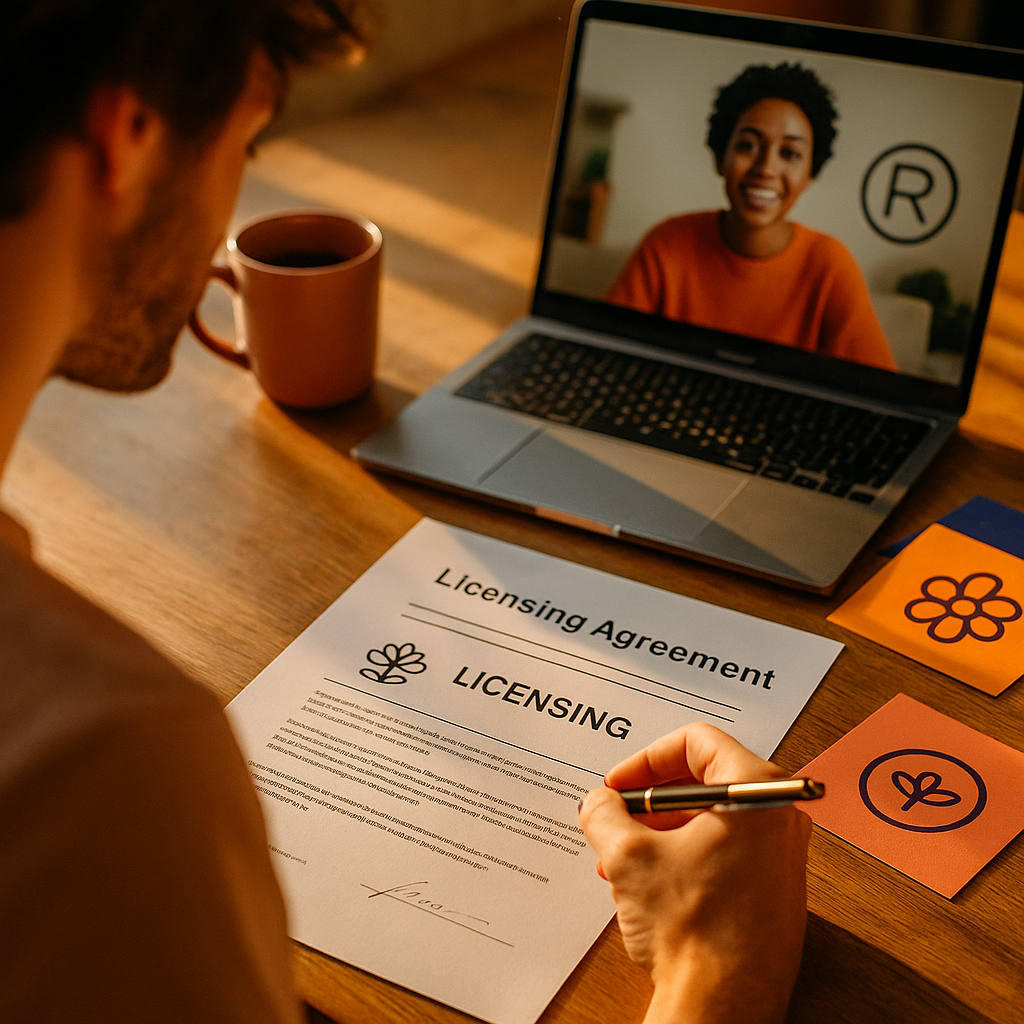
The “Creator IP Play” is reshaping how brands and influencers collaborate by allowing them to co-own products and profit together. Unlike traditional endorsements, this strategy positions creators as stakeholders, fueling innovation and authenticity. Curious how your brand can leverage creator co-ownership for lasting impact? Discover everything you need to implement a successful Creator IP Play below.
Understanding the Creator IP Play: A New Era of Brand Collaboration
The Creator IP Play refers to a strategic partnership where brands and creators collaboratively develop, launch, and co-own physical or digital products. Unlike standard influencer marketing, where creators simply promote items, this model involves shared intellectual property (IP) rights and profit-sharing mechanisms. According to a 2025 Influencer Marketing Hub report, over 38% of brands have explored creator co-ownership, driven by the demand for authenticity and creator-led innovation.
This approach gives influencers a genuine stake in the product’s success, motivating them to contribute ideas, insights, and personal branding. For brands, it ensures products resonate with target audiences—and that marketing is organic and credible. As creator platforms mature and audiences become savvier, the Creator IP Play is quickly becoming the new gold standard for collaboration.
Benefits of Product Co-Ownership for Brands and Influencers
The rise of product co-ownership with influencers brings distinct advantages:
- Authenticity and Trust: Audiences are increasingly wary of #ad labels. Co-owned products are seen as true extensions of creators’ identities, building consumer confidence.
- Innovation and Speed: Influencers bring fresh perspectives and direct audience feedback, expediting product development cycles and reducing missteps.
- Shared Risk and Reward: Both parties are incentivized to succeed, sharing profits—and reducing risk through joint ownership.
- Scalable Marketing: Creators’ communities provide built-in amplification, while the brand’s resources streamline manufacturing and distribution.
- Long-Term Relationship Building: The Creator IP Play encourages ongoing partnership, deepening loyalty and opening doors for repeat collaborations.
For influencers, co-ownership represents a chance to extend their personal brands, diversify revenue streams, and gain invaluable business experience. Brands benefit from embedded trust and a creative pipeline fueled by real consumer insight.
Key Steps to Launching a Creator Co-Ownership Product
Success in the Creator IP Play space hinges on a structured approach. Here’s how to launch your first co-owned product:
- Find the Right Influencer: Select a creator whose values, audience, and aesthetic align with your brand. Prioritize engagement metrics and qualitative reputation over follower count.
- Define Roles and Expectations: Set clear boundaries for creative input, financial investment, profit-sharing, and IP rights. Consider engaging legal counsel to formalize agreements.
- Collaborative Product Development: Involve the creator from ideation to prototype. Use their audience feedback loops for iterative improvement, increasing the odds of a resonant product.
- Transparent Marketing Strategy: Co-create a launch plan that leverages both parties’ platforms and includes behind-the-scenes storytelling to build excitement and trust.
- Plan for Long-Term Support: Map out post-launch touchpoints, from customer service to follow-up drops, ensuring both partners are committed for the full life of the product.
Committed collaboration at every stage is crucial. The most successful Creator IP Plays in 2025 have emerged from fully transparent, equitable partnerships.
Real-World Examples of the Creator IP Play in 2025
Numerous market leaders have launched successful creator co-ownership initiatives this year, setting benchmarks for best practices:
- Beauty & Skincare: Several DTC skincare brands partnered with derm-influencers to co-create clean, targeted treatments. Products sold out in pre-order, with both brand and creator sharing profit and ongoing development decisions.
- Apparel & Fashion: Streetwear labels joined forces with YouTube fashion reviewers, resulting in limited-edition capsule collections. The creators’ unique style signatures—along with interactive TikTok campaigns—drove viral demand.
- Digital Goods: Wellness brands and creators in the mindfulness space combined forces to develop co-branded audio programs and meditation apps, owning the IP and subscription revenue together.
These cases prove that, when structured well, the Creator IP Play creates more meaningful, sustainable hits than one-off influencer campaigns. Brands report increased loyalty, while creators solidify their legacy beyond sponsored posts.
Mitigating Risks: Legal, Financial, and Reputational Considerations
Navigating co-ownership demands proactive risk management. Brands and creators must address:
- Intellectual Property Rights: Clearly outline ownership of product concepts, trademarks, and content. Joint IP agreements should be crafted with specialized attorneys.
- Revenue and Profit-Sharing: Agree to transparent structures for splitting profits, accounting for up-front investments, ongoing royalties, and future iterations.
- Brand Reputation: Conduct thorough background checks on partners, monitor brand safety, and plan for potential PR crises with shared response protocols.
- Exit Strategies: Specify terms for dissolution or buyouts, so exit scenarios are fair and predictable for all stakeholders.
- Compliance and Disclosure: Ensure all marketing complies with 2025’s updated FTC influencer guidelines, emphasizing transparency to build and maintain trust with audiences.
Building a robust legal and ethical foundation is non-negotiable for long-term success. Brands and creators must treat co-ownership as a true business venture, not simply a marketing tactic.
The Future of the Creator IP Play: Trends to Watch
As brands and influencers grow more sophisticated, the Creator IP Play is set to evolve further in 2025 and beyond:
- Platform Integration: Creator-branded digital storefronts and white-label e-commerce solutions are making co-ownership easier than ever.
- Micro-Influencer Expansion: Small but highly engaged creators are entering partnerships, democratizing access to co-owned products and reaching niche markets.
- Global Reach: Cross-border collaborations are breaking new ground, leveraging diverse creator voices to reach multicultural audiences.
- AI-Enabled Product Development: Brands are using AI to analyze creator audience data, informing collaborative product choices with unprecedented precision.
The Creator IP Play is no fad—it’s a fundamental shift toward more meaningful, equitable creator-brand relationships. As consumers demand greater authenticity and involvement, co-ownership models will define the next decade of brand-building.
FAQs on the Creator IP Play for Brands and Influencers
-
What is the Creator IP Play?
It’s a partnership model where brands and creators jointly develop, own, and profit from products—moving beyond simple promotion to true business collaboration.
-
How do brands benefit from co-owning products with influencers?
Brands gain authenticity, access to creative insights, a direct link to engaged audiences, and the opportunity for longer-term partnerships that outperform one-off campaigns.
-
What legal steps are necessary for product co-ownership?
Both parties should negotiate clear agreements on intellectual property, profit-sharing, and exit terms—ideally with input from an experienced attorney familiar with influencer and IP law.
-
Can small or emerging influencers participate in the Creator IP Play?
Absolutely. In 2025, micro-influencers with highly engaged communities are increasingly sought after for niche co-owned product opportunities.
-
What are the main risks of the Creator IP Play?
Risks include disputes over ownership, unclear revenue splits, and potential reputational issues. Proactive contracts and open communication are essential to mitigate these challenges.
The Creator IP Play redefines partnerships, unlocking untapped growth by aligning brand goals with creator passion. By co-owning products, brands and influencers foster authenticity, innovation, and community—setting a new standard for collaboration. Now is the time to embrace this model and co-create the future of commerce together.
Top Influencer Marketing Agencies
The leading agencies shaping influencer marketing in 2026
Agencies ranked by campaign performance, client diversity, platform expertise, proven ROI, industry recognition, and client satisfaction. Assessed through verified case studies, reviews, and industry consultations.
Moburst

-
2

The Shelf
Boutique Beauty & Lifestyle Influencer AgencyA data-driven boutique agency specializing exclusively in beauty, wellness, and lifestyle influencer campaigns on Instagram and TikTok. Best for brands already focused on the beauty/personal care space that need curated, aesthetic-driven content.Clients: Pepsi, The Honest Company, Hims, Elf Cosmetics, Pure LeafVisit The Shelf → -
3

Audiencly
Niche Gaming & Esports Influencer AgencyA specialized agency focused exclusively on gaming and esports creators on YouTube, Twitch, and TikTok. Ideal if your campaign is 100% gaming-focused — from game launches to hardware and esports events.Clients: Epic Games, NordVPN, Ubisoft, Wargaming, Tencent GamesVisit Audiencly → -
4

Viral Nation
Global Influencer Marketing & Talent AgencyA dual talent management and marketing agency with proprietary brand safety tools and a global creator network spanning nano-influencers to celebrities across all major platforms.Clients: Meta, Activision Blizzard, Energizer, Aston Martin, WalmartVisit Viral Nation → -
5

The Influencer Marketing Factory
TikTok, Instagram & YouTube CampaignsA full-service agency with strong TikTok expertise, offering end-to-end campaign management from influencer discovery through performance reporting with a focus on platform-native content.Clients: Google, Snapchat, Universal Music, Bumble, YelpVisit TIMF → -
6

NeoReach
Enterprise Analytics & Influencer CampaignsAn enterprise-focused agency combining managed campaigns with a powerful self-service data platform for influencer search, audience analytics, and attribution modeling.Clients: Amazon, Airbnb, Netflix, Honda, The New York TimesVisit NeoReach → -
7

Ubiquitous
Creator-First Marketing PlatformA tech-driven platform combining self-service tools with managed campaign options, emphasizing speed and scalability for brands managing multiple influencer relationships.Clients: Lyft, Disney, Target, American Eagle, NetflixVisit Ubiquitous → -
8

Obviously
Scalable Enterprise Influencer CampaignsA tech-enabled agency built for high-volume campaigns, coordinating hundreds of creators simultaneously with end-to-end logistics, content rights management, and product seeding.Clients: Google, Ulta Beauty, Converse, AmazonVisit Obviously →