


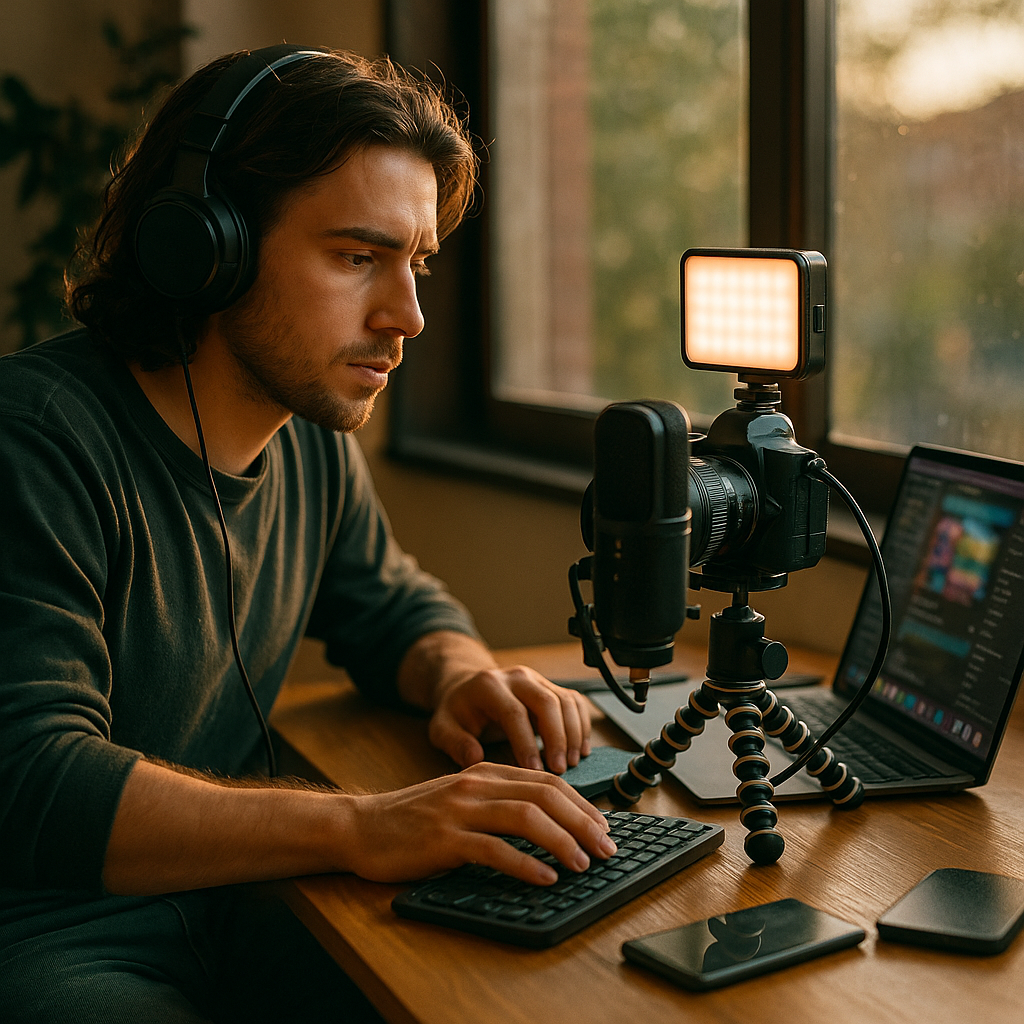
In 2025, the right productivity tools for full-time creators can make the difference between burnout and breakthrough success. From content calendars to AI editing, these solutions streamline creative work and maximize brand opportunities. But how can brands intelligently integrate into the creator ecosystem? Let’s unpack today’s standout productivity tools—and what brands must know to connect.
Top Productivity Platforms for Content Creators in 2025
Full-time creators manage demanding schedules, audience engagement, and numerous brand collaborations. As the creator economy matures, popular productivity tools for creators include:
- Notion: Unifies content calendars, brand deals, and long-term projects in customizable dashboards. Its AI features automate brainstorming and performance tracking.
- ClickUp: Centralizes tasks, goals, and workflows—ideal for creators juggling multiple clients and personal brand growth. ClickUp’s integrations, like with Canva and YouTube, simplify content pipelines.
- Descript: AI-powered audio/video editing enables quick, collaborative post-production. Descript’s filler word removal and text-based video editing make it a go-to for YouTubers and podcasters.
- Buffer: Multi-platform publishing and analytics deliver insights in real time. Buffer now includes direct brand-campaign messaging features, closing the gap between branded content briefs and approval.
- Frame.io: For video-first creators, this tool manages collaborative feedback in one place, expediting revisions and brand sign-off—even on the go.
These solutions adapt to solo creators, creative teams, and emerging agencies, providing the agility necessary for today’s digital landscape.
Collaboration Tools Empowering Creative Teams
While individual productivity is crucial, collaboration tools for creators increasingly shape efficient brand partnerships and content workflows:
- Slack: Branded Slack workspaces streamline communication across agencies, creators, and brand teams. Its robust integrations with project tools prevent email overload.
- Miro: This digital whiteboard powers brainstorming and storyboarding, especially for campaigns involving remote creators and global brands.
- Google Workspace: Standard for shared docs, review cycles, and real-time editing. Google Drive’s AI file suggestions now recommend related brand guidelines or assets when creators draft content.
Creators who master these collaboration solutions save countless hours and minimize miscommunication during brand deals and creative sprints.
Time Management and Automation for Full-Time Creators
Productivity tools for efficient workflows help creators eliminate manual drudgery and maximize creative hours. Leading automation and time management platforms include:
- Zapier: Connects content tools—automatically moves new video uploads to shared drives, cross-posts content, or triggers brand notifications upon publishing.
- Toggl Track: Accurately logs time spent across content production, editing, and collaboration, helping creators gauge profitability on each brand deal or sponsored post.
- Calendly: Automates meeting scheduling with brands and cross-team collaborators, syncing with each party’s available slots to eradicate endless back-and-forth.
These platforms help creators honor commitments, hit deadlines, and present a polished, professional front to partnering brands.
Brand Integration Through Creator Productivity Tools
Smart brands already leverage creator productivity tools for seamless collaboration and campaign success. Here’s how brands integrate into the creator workflow in 2025:
- Shared Project Boards: Brands use Notion or ClickUp to invite creators onto deal-specific boards—outlining briefs, deadlines, and deliverables, with trackable progress and instant chat.
- Asset Libraries: Brands upload visual and copy guidelines into Google Drive or Frame.io, so creators access up-to-date materials when producing branded posts or videos.
- Review and Approval Automation: Buffer, Descript, and Frame.io enable live annotations and approval steps directly inside the tool, drastically reducing email chains and confusion.
- Data Sharing and Analytics: Brands connect with analytics dashboards in Buffer or Google Workspace, so both marketers and creators respond to campaign results in real time.
Brands that proactively learn these creator tools signal respect and efficiency, elevating trust—and the quality—of sponsored content partnerships.
Evaluating the Best Productivity Tools for Your Creator Brand Partnerships
Choosing the right content creator productivity software depends on campaign complexity, content format, and required security. Brands and creators should consider:
- Ease of Use: Tools like Notion, Buffer, and Calendly excel at a gentle learning curve—crucial for onboarding diverse creators onto campaign workflows.
- Integration Ecosystem: ClickUp and Slack offer native connections to popular creative suites (Adobe, Canva), reducing friction while scaling up branded content pipelines.
- Data Privacy and Security: Select tools with robust permissions—especially when sharing embargoed brand materials or audience-sensitive metrics.
- Scalability: Today’s one-time creator campaign may become a long-term ambassador relationship. Ensure your main platform can adapt to multi-brand or multi-creator management.
- Support and Community: Responsive customer service and active user forums reduce downtime and frustration—key for creators on deadline and brands protecting their reputation.
Ultimately, the best creator and brand tool is the one that fits seamlessly into existing processes, enables open communication, and continues to evolve alongside both creator needs and marketing objectives.
Future Trends: AI and the Next Wave of Productivity Tools for Creators
Looking ahead, AI-driven features increasingly distinguish the leading productivity platforms for creators and brands:
- Smart Content Suggestions: Tools like Notion and Google Workspace now suggest brand-relevant hashtags, post ideas, and performance improvements based on live social trends.
- Automated Brand Compliance: Descript and Frame.io flag copyright issues or off-brand phrases before publication, snapping into brand safety guardrails for sponsors.
- Effortless Cross-Platform Publishing: Buffer and ClickUp can now simultaneously push content to emerging channels (Threads, LinkedIn Video) with optimal format tweaks.
- Predictive Analytics: AI dashboards embed predictive insights, revealing which collaborations are most likely to succeed or which formats are rising with target demographics.
Brands and creators who embrace this AI wave will sustain competitive advantages, navigating the ever-shifting digital landscape with confidence and agility.
Conclusion: Strategic Integration of Productivity Tools Drives Creator-Brand Success
In 2025’s creator economy, mastery of productivity tools for full-time creators is essential. Both creators and brands benefit from transparent workflows, automation, and AI insights. The smartest partnerships begin with tool integration, paving the way for standout content and enduring collaboration. Choose platforms that unlock efficiency—and build every campaign on mutual trust and seamless processes.
Frequently Asked Questions
-
What are the best productivity tools for full-time creators in 2025?
Top tools include Notion, ClickUp, Descript, Buffer, Slack, and Google Workspace. They offer unified dashboards, AI editing, collaboration, publishing, and analytics features tailored for the demands of modern creators and brands.
-
How can brands integrate into the creator workflow?
Brands should use shared project boards, centralized asset libraries, approval features, and real-time analytics within creator-preferred platforms. Understanding and adopting these tools ensures smoother, higher-performing brand collaborations.
-
What factors should brands consider when choosing creator productivity software?
Prioritize ease of use, integration options, security, scalability, and support. Brands should collaborate with creators to select platforms compatible with everyone’s processes and ensure smooth campaign execution.
-
What role does AI play in productivity tools for creators and brands?
AI features now automate content suggestions, compliance checks, publishing, and predictive analytics, making campaign management more efficient and data-driven for both creators and brands.
-
How does efficient use of productivity tools benefit both creators and brands?
Streamlined productivity tools improve workflow transparency, minimize errors, speed up approvals, and support more innovative, on-brand content, leading to stronger campaign results and better creator-brand relationships.
Top Influencer Marketing Agencies
The leading agencies shaping influencer marketing in 2026
Agencies ranked by campaign performance, client diversity, platform expertise, proven ROI, industry recognition, and client satisfaction. Assessed through verified case studies, reviews, and industry consultations.
Moburst

-
2

The Shelf
Boutique Beauty & Lifestyle Influencer AgencyA data-driven boutique agency specializing exclusively in beauty, wellness, and lifestyle influencer campaigns on Instagram and TikTok. Best for brands already focused on the beauty/personal care space that need curated, aesthetic-driven content.Clients: Pepsi, The Honest Company, Hims, Elf Cosmetics, Pure LeafVisit The Shelf → -
3

Audiencly
Niche Gaming & Esports Influencer AgencyA specialized agency focused exclusively on gaming and esports creators on YouTube, Twitch, and TikTok. Ideal if your campaign is 100% gaming-focused — from game launches to hardware and esports events.Clients: Epic Games, NordVPN, Ubisoft, Wargaming, Tencent GamesVisit Audiencly → -
4

Viral Nation
Global Influencer Marketing & Talent AgencyA dual talent management and marketing agency with proprietary brand safety tools and a global creator network spanning nano-influencers to celebrities across all major platforms.Clients: Meta, Activision Blizzard, Energizer, Aston Martin, WalmartVisit Viral Nation → -
5

The Influencer Marketing Factory
TikTok, Instagram & YouTube CampaignsA full-service agency with strong TikTok expertise, offering end-to-end campaign management from influencer discovery through performance reporting with a focus on platform-native content.Clients: Google, Snapchat, Universal Music, Bumble, YelpVisit TIMF → -
6

NeoReach
Enterprise Analytics & Influencer CampaignsAn enterprise-focused agency combining managed campaigns with a powerful self-service data platform for influencer search, audience analytics, and attribution modeling.Clients: Amazon, Airbnb, Netflix, Honda, The New York TimesVisit NeoReach → -
7

Ubiquitous
Creator-First Marketing PlatformA tech-driven platform combining self-service tools with managed campaign options, emphasizing speed and scalability for brands managing multiple influencer relationships.Clients: Lyft, Disney, Target, American Eagle, NetflixVisit Ubiquitous → -
8

Obviously
Scalable Enterprise Influencer CampaignsA tech-enabled agency built for high-volume campaigns, coordinating hundreds of creators simultaneously with end-to-end logistics, content rights management, and product seeding.Clients: Google, Ulta Beauty, Converse, AmazonVisit Obviously →