


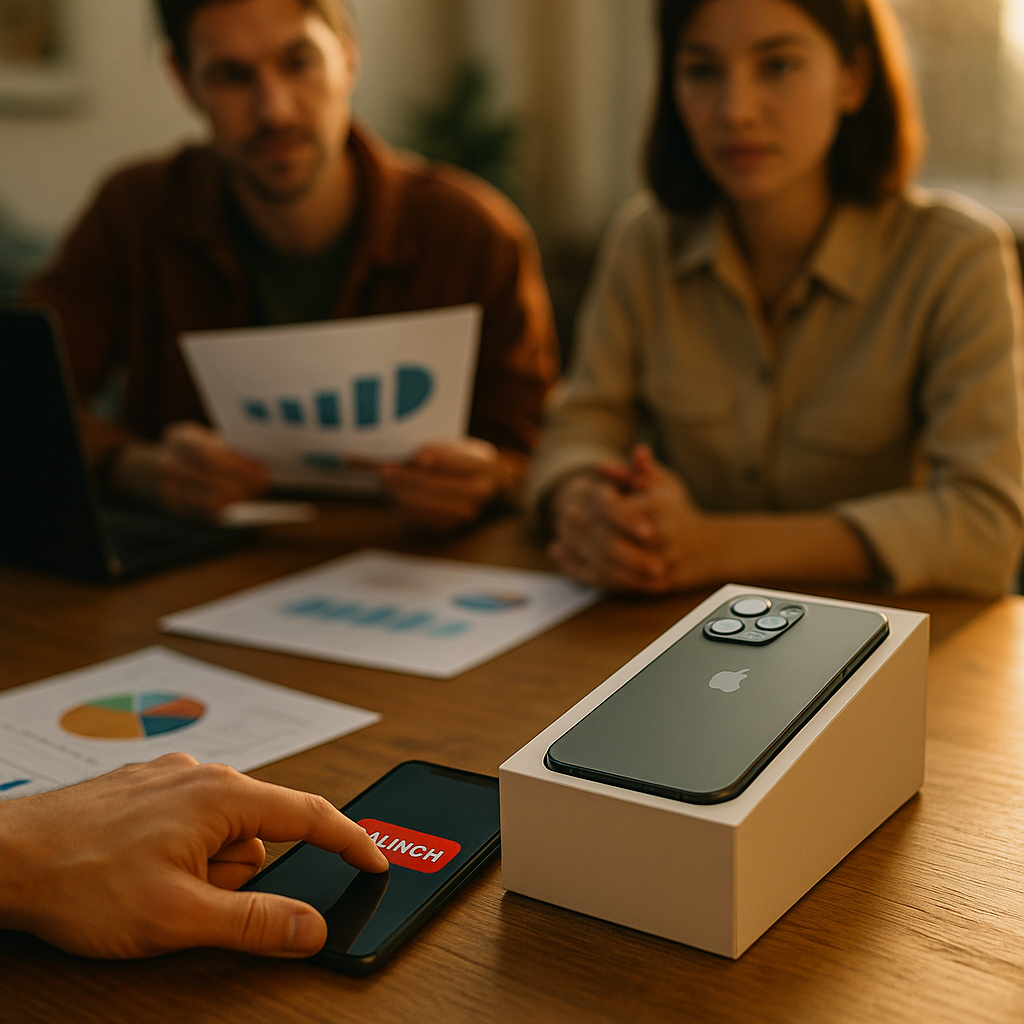
Establishing a content exclusivity period for a product launch can rapidly boost early attention, rewarding your closest partners and elevating the perceived value of your offer. However, the right structure is crucial to maximize results and avoid pitfalls. Let’s explore actionable strategies for crafting an exclusivity period that drives momentum and long-term growth.
What Is a Content Exclusivity Period? Key Advantages
A content exclusivity period occurs when specific partners or platforms get early access to your launch content, product details, or the product itself—before it becomes widely available. This tactic helps you:
- Build anticipation: Early previews can generate buzz and news coverage.
- Reward alliances: Exclusive access incentivizes influencer or press support.
- Control messaging: Limiting early distribution gives you more narrative control.
- Test and refine: Exclusive feedback helps spot issues before public release.
According to a 2024 Statista survey, 62% of marketers using timed exclusives saw higher engagement in their launches.
How to Choose the Right Partners for Exclusive Content
Selecting ideal exclusivity partners is vital for your product launch strategy. Consider these criteria:
- Audience relevance: Do their followers match your target demographic?
- Reach and reputation: Seek out trusted media, creators, and industry experts.
- Track record: Have they delivered successful launches or exclusives for others?
- Alignment: Do their values and content style fit your brand?
Conduct due diligence with a mix of media analysis and influencer metrics. For high-profile launches, sign short nondisclosure agreements (NDAs) so details remain confidential until the go-live date. Remember, a smaller but highly engaged partner is often more effective than a larger but loosely targeted audience.
Best Practices for Timing Your Exclusivity Period
The timing of your exclusivity window is critical for maximizing impact and avoiding backlash. Experts in product marketing recommend the following:
- Duration: Limit the content exclusivity period to 24-72 hours for digital products, or up to 2 weeks for physical items or complex B2B solutions. Prolonged exclusivity can frustrate broader audiences.
- Announcement strategy: Share your timeline with both exclusivity partners and your wider audience. Transparency prevents confusion and builds anticipation.
- Scheduling: Launch exclusive access at the optimal moment for your sector. In 2025, product launches in tech and gaming perform best mid-week, while wellness and lifestyle excel on Mondays, per HubSpot.
Build in a buffer to handle unforeseen delays. Always confirm delivery and access logistics with your partners ahead of the live date.
Legal and Ethical Considerations in Product Launch Exclusivity
Safeguarding your launch and your reputation means adhering to best practices in exclusivity agreements and compliance:
- Contracts: Use clear NDAs and exclusivity clauses that specify start/end dates, permitted usage, and penalties for early leaks.
- Transparency: Make any paid arrangements or sponsored exclusives obvious, to comply with FTC and EU guidelines on influencer and media disclosures.
- Equity and fairness: Ensure your exclusivity period is long enough for partners to benefit, but not so long it isolates your broader audience or creates accessibility issues.
Breaches can damage trust and relationships. Consult legal advice when drafting agreements for high-value or regulated products.
Measuring Success: Metrics for Content Exclusivity Strategies
Assessing the outcome of your exclusive content period is essential for evolving your launch strategies. Track these key performance indicators (KPIs):
- Engagement: Monitor shares, comments, signups, or downloads during the exclusivity window.
- Referral traffic: Analyze new users or leads driven by each exclusive partner.
- Outbound mentions: Track PR coverage and social media impressions using listening tools.
- Conversion rates: Determine if conversions are higher among users reached in the exclusive phase.
- Feedback quality: Collect and act on insights from exclusive users—their suggestions can guide public launch tweaks.
Share positive results with your exclusive partners after the launch. This strengthens relationships and improves buy-in for future promotions.
Handling Post-Exclusivity: Expanding Access Without Losing Momentum
As your exclusivity period ends, transition thoughtfully to a wide release. Maintain excitement with these tactics:
- Countdowns and teasers: Remind your wider audience of the upcoming public launch date.
- Amplify testimonials: Feature quotes, unboxing videos, or early reviews from exclusive partners.
- Special post-launch offers: Reward those who waited with a discount, limited edition content, or early access to future launches.
- Continuous engagement: Host AMAs, webinars, or live demos to sustain the conversation.
This approach leverages exclusivity-generated social proof, transforming early excitement into sustained sales or signups well into the product’s lifecycle.
Frequently Asked Questions About Content Exclusivity Periods for Product Launches
-
How long should a content exclusivity period last?
For digital products, a 24-72 hour window usually maximizes impact without alienating your wider audience. Physical goods or B2B solutions can benefit from up to 2 weeks, depending on logistics and feedback needs.
-
Who should I offer exclusivity to?
Choose partners whose audience aligns with your target market, and who demonstrate high engagement and brand compatibility. Trusted industry voices, respected influencers, and relevant media outlets are top picks.
-
How do I announce the exclusivity period to the public?
Communicate dates and benefits clearly through owned channels—your website, newsletter, and social media. Let broader audiences know when and how general access will open, building trust and anticipation.
-
What if exclusivity terms are breached?
Include legal recourse in your agreements, and maintain documentation. Address breaches promptly but professionally to minimize damage and set clear boundaries for future collaborations.
-
Do exclusivity periods harm long-term customer trust?
When managed transparently and for a reasonable duration, exclusivity builds excitement without resentment. Prioritize clear communication and always deliver quality for all users post-launch.
In summary, structuring a content exclusivity period for your product launch demands strategic partnership, clear timing, ethical agreements, and ongoing engagement. Done right, it builds lasting buzz while strengthening key relationships—powering your product’s success in 2025 and beyond.
Top Influencer Marketing Agencies
The leading agencies shaping influencer marketing in 2026
Agencies ranked by campaign performance, client diversity, platform expertise, proven ROI, industry recognition, and client satisfaction. Assessed through verified case studies, reviews, and industry consultations.
Moburst

-
2

The Shelf
Boutique Beauty & Lifestyle Influencer AgencyA data-driven boutique agency specializing exclusively in beauty, wellness, and lifestyle influencer campaigns on Instagram and TikTok. Best for brands already focused on the beauty/personal care space that need curated, aesthetic-driven content.Clients: Pepsi, The Honest Company, Hims, Elf Cosmetics, Pure LeafVisit The Shelf → -
3

Audiencly
Niche Gaming & Esports Influencer AgencyA specialized agency focused exclusively on gaming and esports creators on YouTube, Twitch, and TikTok. Ideal if your campaign is 100% gaming-focused — from game launches to hardware and esports events.Clients: Epic Games, NordVPN, Ubisoft, Wargaming, Tencent GamesVisit Audiencly → -
4

Viral Nation
Global Influencer Marketing & Talent AgencyA dual talent management and marketing agency with proprietary brand safety tools and a global creator network spanning nano-influencers to celebrities across all major platforms.Clients: Meta, Activision Blizzard, Energizer, Aston Martin, WalmartVisit Viral Nation → -
5

The Influencer Marketing Factory
TikTok, Instagram & YouTube CampaignsA full-service agency with strong TikTok expertise, offering end-to-end campaign management from influencer discovery through performance reporting with a focus on platform-native content.Clients: Google, Snapchat, Universal Music, Bumble, YelpVisit TIMF → -
6

NeoReach
Enterprise Analytics & Influencer CampaignsAn enterprise-focused agency combining managed campaigns with a powerful self-service data platform for influencer search, audience analytics, and attribution modeling.Clients: Amazon, Airbnb, Netflix, Honda, The New York TimesVisit NeoReach → -
7

Ubiquitous
Creator-First Marketing PlatformA tech-driven platform combining self-service tools with managed campaign options, emphasizing speed and scalability for brands managing multiple influencer relationships.Clients: Lyft, Disney, Target, American Eagle, NetflixVisit Ubiquitous → -
8

Obviously
Scalable Enterprise Influencer CampaignsA tech-enabled agency built for high-volume campaigns, coordinating hundreds of creators simultaneously with end-to-end logistics, content rights management, and product seeding.Clients: Google, Ulta Beauty, Converse, AmazonVisit Obviously →