


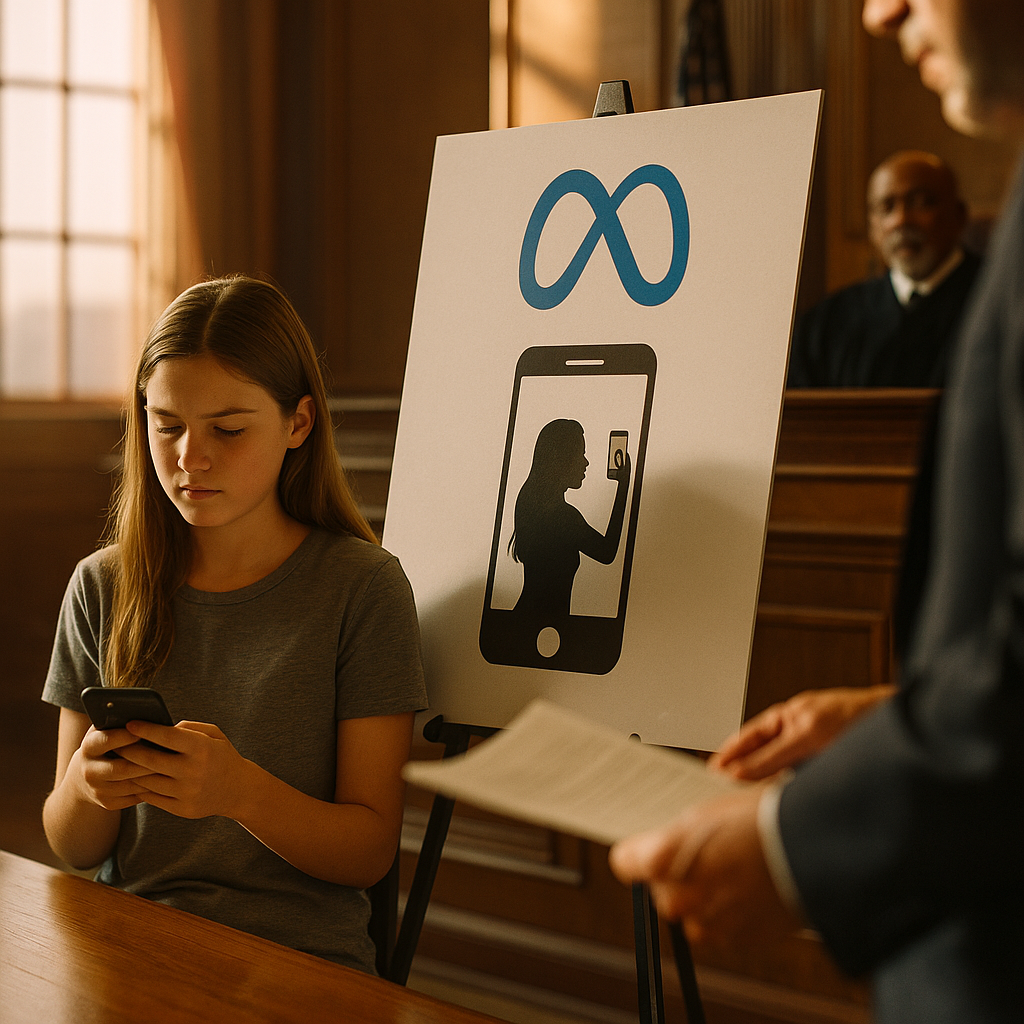
Twenty-nine state attorneys general just forced Meta into a settlement that changes how every brand running influencer campaigns near minors has to operate. If your creator program touches anyone under 18, the compliance bar moved overnight, and most marketing teams haven’t noticed yet. This isn’t a Meta problem. It’s a brand problem wearing Meta’s name.
What the Settlement Actually Requires
The coalition of state attorneys general alleged that Meta’s platforms knowingly designed features that hooked teens through manipulative engagement loops, then failed to give parents or regulators honest visibility into how minors were being targeted, including through sponsored and influencer content. The settlement doesn’t just fine Meta. It imposes structural changes: stricter default privacy settings for teen accounts, new age-verification signals, mandatory reporting on how algorithmic ranking treats minors, and tighter controls on commercial content that reaches under-18 users.
For brands, the operative piece is the last one. Sponsored posts, affiliate links, and paid partnership content aimed at or reasonably likely to reach teen audiences now sit inside a stricter compliance perimeter. Meta has to prove it’s policing that perimeter. Which means the platform will push more verification burden onto advertisers and creators, not less.
Brands that treated “reasonable audience targeting” as a checkbox exercise now face a regulator-driven standard, not a platform guideline, and the difference matters in litigation.
Why This Isn’t Just a Meta Story
State AGs coordinating across 29 jurisdictions signals something bigger than a single-platform crackdown. It’s a template. Expect similar coalitions to target TikTok, Snap, and YouTube using the same playbook: allege manipulative design, demand transparency reporting, force platform-level changes that ripple into advertiser obligations. Brands running multi-platform influencer programs should read this settlement as a preview, not an isolated event.
There’s also a direct overlap with existing FTC guidance. The Federal Trade Commission has long required clear disclosure on sponsored content, but this settlement adds an age-awareness layer that FTC rules never explicitly addressed. Brands now have to consider audience age composition as part of disclosure compliance, not just the presence of a #ad tag. That’s a meaningfully different compliance posture, and our breakdown of disclosure rules across regulators shows how fragmented this landscape already was before Meta’s settlement added another layer.
The New Operational Reality for Campaign Teams
Here’s what changes on the ground. Media buyers and influencer program managers now need to build age-composition checks into creator vetting, not just follower count and engagement rate. A creator with a 40% under-18 audience share on a beauty or gaming campaign is a different risk profile than one with a predominantly adult following, even if the content itself is identical.
- Audience demographic verification becomes a pre-campaign requirement, not a nice-to-have metric pulled after the fact.
- Contracts need explicit language addressing what happens if a creator’s audience skews younger than declared.
- Campaign briefs must specify whether content is “reasonably likely to reach minors,” a phrase now carrying real legal weight.
- Brands need documented audit trails showing they checked audience composition before launch, not just after a complaint.
This is a heavier lift than most influencer teams are staffed for. Platforms like Meta Business Suite already offer some audience insights, but they weren’t built to satisfy a regulatory settlement. Brands relying solely on platform-native dashboards for compliance evidence are exposed.
Where Liability Actually Lands
Meta’s settlement obligations are Meta’s to fulfill. But brands and agencies carry independent exposure under state consumer protection and privacy statutes, especially in states with their own kids’ online safety laws layered on top of this settlement. If a campaign runs sponsored content that reaches minors without appropriate disclosure or age-aware targeting, the brand doesn’t get to point at Meta and walk away. State AGs have shown, repeatedly, that they’ll pursue advertisers directly when platform-level remedies don’t cover downstream harm.
This mirrors what we’ve seen in adjacent enforcement actions. The FTC’s smart device settlement established that data consent failures upstream create liability for every party in the marketing chain, not just the platform that collected the data. The Meta teen safety case extends that logic to age-aware targeting and disclosure.
If your legal team hasn’t updated influencer contracts since this settlement, assume your current agreements don’t protect you against a state AG inquiry.
Insurance is another blind spot. Brands running campaigns with any teen-audience exposure should check whether their errors and omissions coverage actually extends to minor-targeting disputes, because most generic media liability policies were written before this became a named risk category.
Building an Actual Compliance Workflow
Treat this as a four-step process, not a single legal memo that sits unread in a shared drive.
- Audience audit before contracting. Pull age-demographic data for every creator on file. Flag anyone whose audience shows meaningful under-18 composition for enhanced review.
- Disclosure language upgrade. Update creator briefs and contracts to require age-aware disclosure practices, not generic #ad tagging. This aligns with the broader shift we’ve covered in state-level advertising disclosure requirements that increasingly treat vague disclosures as deceptive practices.
- Platform-agnostic documentation. Don’t rely on Meta, TikTok, or YouTube dashboards alone. Build an internal record, screenshots, timestamps, audience reports, showing due diligence independent of platform data.
- Quarterly re-verification. Creator audiences shift. A verification done at contract signing six months ago may no longer reflect reality. Build recurring checks into program operations, not one-time gates.
None of this needs to be manual. AI-driven vetting tools are increasingly building age-composition signals into their scoring models, similar to how vetting platforms already handle data consent verification covered in our piece on AI creator vetting and deletion compliance. If your vetting stack doesn’t flag audience age risk yet, ask your vendor when it will.
Industry benchmarking from eMarketer and Sprout Social consistently shows influencer spend concentrated in categories, beauty, gaming, fashion, snacking, where teen audience overlap is highest. That’s precisely where this settlement bites hardest, and precisely where brands should prioritize their first compliance pass.
What Happens If Brands Ignore This
Skip the workflow, and the exposure compounds. State AGs coordinating on Meta today have shown they’ll widen the net to advertisers when platform remedies look insufficient. A single flagged campaign, one influencer post reaching an under-18 audience without adequate disclosure, can trigger a state consumer protection inquiry that costs far more in legal fees and reputational damage than the compliance workflow would have cost to build. Brands that get ahead of this now will also have a competitive advantage: agencies and creators will increasingly prefer working with advertisers who have clean compliance documentation, because it reduces their own liability exposure too.
Frequently Asked Questions
Does the Meta teen safety settlement apply to all influencer campaigns, or only those explicitly marketed to teens?
It applies broadly. The settlement’s language covers content “reasonably likely to reach minors,” which includes campaigns not specifically targeted at teens but whose audience composition skews younger than the brand assumed. Category matters: gaming, beauty, and youth fashion campaigns face higher scrutiny.
Who is legally responsible if a creator’s audience turns out to include a large share of minors?
Liability can extend to the brand and agency, not just the platform or the creator. State attorneys general have shown willingness to pursue advertisers directly when disclosure or targeting practices fall short, regardless of what the platform’s own policies state.
What documentation should brands keep to demonstrate compliance?
Audience demographic reports pulled before campaign launch, updated contract language addressing age-aware disclosure, records of quarterly re-verification, and internal audit trails independent of platform dashboards. Screenshots and timestamps matter in a regulatory review.
Does this settlement affect platforms other than Meta?
Not directly, but it sets a precedent. Expect similar multi-state coalitions to pursue TikTok, Snap, and YouTube using comparable arguments around manipulative design and inadequate minor protections, which would extend similar compliance expectations to campaigns on those platforms.
How does this interact with existing FTC disclosure rules?
It adds a layer on top. FTC rules require clear, conspicuous disclosure of sponsored content. This settlement introduces an age-awareness standard that treats audience composition as part of the disclosure compliance picture, not a separate consideration.
Next step: audit your top 20 active creator partnerships for audience age composition this week, and flag anything skewing younger than your campaign brief assumed. That single step will catch most of your exposure before a regulator finds it for you.
Top Influencer Marketing Agencies
The leading agencies shaping influencer marketing in 2026
Agencies ranked by campaign performance, client diversity, platform expertise, proven ROI, industry recognition, and client satisfaction. Assessed through verified case studies, reviews, and industry consultations.
Moburst

-
2

The Shelf
Boutique Beauty & Lifestyle Influencer AgencyA data-driven boutique agency specializing exclusively in beauty, wellness, and lifestyle influencer campaigns on Instagram and TikTok. Best for brands already focused on the beauty/personal care space that need curated, aesthetic-driven content.Clients: Pepsi, The Honest Company, Hims, Elf Cosmetics, Pure LeafVisit The Shelf → -
3

Audiencly
Niche Gaming & Esports Influencer AgencyA specialized agency focused exclusively on gaming and esports creators on YouTube, Twitch, and TikTok. Ideal if your campaign is 100% gaming-focused — from game launches to hardware and esports events.Clients: Epic Games, NordVPN, Ubisoft, Wargaming, Tencent GamesVisit Audiencly → -
4

Viral Nation
Global Influencer Marketing & Talent AgencyA dual talent management and marketing agency with proprietary brand safety tools and a global creator network spanning nano-influencers to celebrities across all major platforms.Clients: Meta, Activision Blizzard, Energizer, Aston Martin, WalmartVisit Viral Nation → -
5

The Influencer Marketing Factory
TikTok, Instagram & YouTube CampaignsA full-service agency with strong TikTok expertise, offering end-to-end campaign management from influencer discovery through performance reporting with a focus on platform-native content.Clients: Google, Snapchat, Universal Music, Bumble, YelpVisit TIMF → -
6

NeoReach
Enterprise Analytics & Influencer CampaignsAn enterprise-focused agency combining managed campaigns with a powerful self-service data platform for influencer search, audience analytics, and attribution modeling.Clients: Amazon, Airbnb, Netflix, Honda, The New York TimesVisit NeoReach → -
7

Ubiquitous
Creator-First Marketing PlatformA tech-driven platform combining self-service tools with managed campaign options, emphasizing speed and scalability for brands managing multiple influencer relationships.Clients: Lyft, Disney, Target, American Eagle, NetflixVisit Ubiquitous → -
8

Obviously
Scalable Enterprise Influencer CampaignsA tech-enabled agency built for high-volume campaigns, coordinating hundreds of creators simultaneously with end-to-end logistics, content rights management, and product seeding.Clients: Google, Ulta Beauty, Converse, AmazonVisit Obviously →