


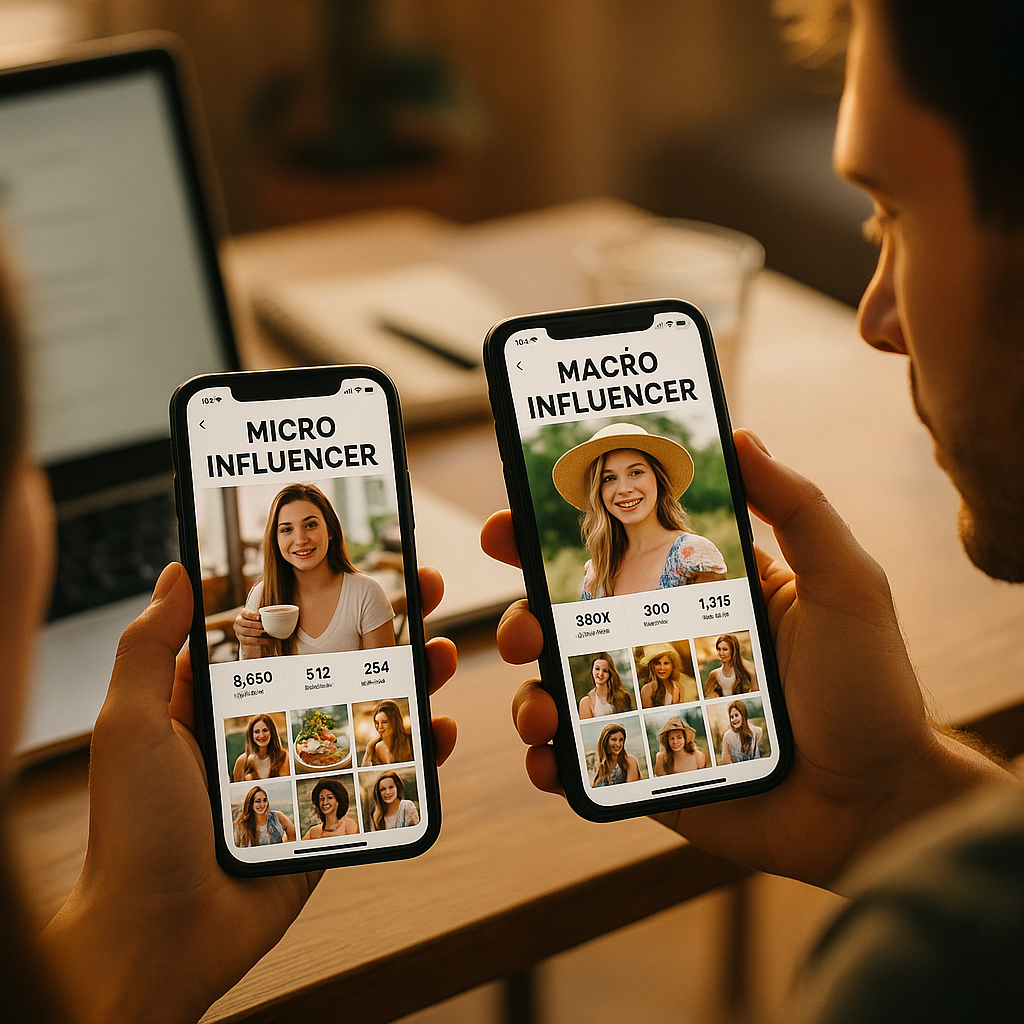
Micro vs macro influencers: which drives better conversion rates for DTC brands? As direct-to-consumer businesses invest more in influencer partnerships, understanding which type of influencer yields the strongest returns is critical. Discover how micro and macro influencers compare—and which strategy aligns best with your brand’s growth goals.
Understanding Micro and Macro Influencers for DTC Marketing
The distinction between micro and macro influencers is more than just audience size. In 2025, micro influencers typically have followings between 10,000 and 100,000, while macro influencers boast audiences from 100,000 up to several million. Direct-to-consumer (DTC) brands increasingly embrace influencer partnerships for authentic content and measurable results—but the choice between micro and macro can dramatically impact performance.
Micro influencers are recognized for their niche focus, genuine engagement, and trusted recommendations, making them powerful allies for DTC brands seeking conversion-oriented campaigns. In contrast, macro influencers offer broader reach, faster awareness, and powerful social proof—but may risk diluted engagement rates. To make the best decision, brands should understand the unique strengths and limitations of each approach.
Audience Engagement: The Conversion Catalyst with Micro Influencers
Engagement rates are the lifeblood of any influencer campaign—especially for DTC brands whose budgets depend on ROI. According to 2025 research by Influencer Marketing Hub, micro influencers consistently outperform macros in engagement, averaging between 5-7%, compared to macros’ 1-2%. For DTC brands, this higher engagement translates directly to increased trust and more meaningful consumer actions.
Why does this matter for conversion? Micro influencers generally foster closer relationships with followers, respond to comments, and deliver tailored content for specific communities. Their word carries more weight because their audience perceives recommendations as authentic, not paid promotions. As a result, micro influencers often drive stronger action on calls-to-action—like adding products to cart or completing a purchase.
- Higher engagement = Higher conversion potential
- Personalized content resonates with niche audiences
- Greater trust in recommendations fuels purchasing decisions
Reach and Scale: The Macro Influencer Advantage
When exposure and brand awareness are the campaign’s primary goals, macro influencers deliver. With their large and often diverse audiences, macros can put DTC products in front of millions with a single post. For product launches, top-of-funnel marketing, or when staking a claim in a crowded market, macro influencers give brands immediate visibility.
However, larger reach doesn’t always mean better conversion rates. Because macro influencers’ followings tend to be broader and less specialized, their recommendations can feel less personal—sometimes reducing the sense of urgency or trust needed for a DTC sale. The law of diminishing returns often applies: once follower count rises above a certain threshold, engagement and conversion rates per follower drop.
- Best for amplifying brand awareness and trending campaigns
- Quickly boost follower counts and social proof
- Conversion rates per follower are typically lower than micro influencers
Cost Efficiency and ROI: Analyzing Influencer Marketing Spend
Budget allocation is a decisive factor in DTC campaigns. In 2025, the average cost per post for macro influencers far exceeds that of micro influencers. Yet, counterintuitively, the return on ad spend (ROAS) on micro influencer campaigns is often higher because of increased conversions at lower costs.
A 2025 report by Statista found that DTC brands see, on average, a 30% greater ROI from micro influencer campaigns. When partnering with a network of micro influencers, DTCs can test content variations, gather deeper customer insights, and nimbly adjust strategy—all while stretching budget further. Macros, on the other hand, demand higher upfront investments, which can eat into performance margins if conversions do not keep pace with spending.
- Lower cost per engagement and acquisition with micro influencers
- Macro influencers can be effective for rapid but costly scaling
- Micro influencer networks enhance AB testing and targeting
Authenticity and Trust: The Conversion Differentiator
The DTC space thrives on direct, trust-based relationships. Authenticity is more than a buzzword: multiple marketing studies in 2025 identify genuine endorsements from relatable influencers as a main driver of purchase intent. Micro influencers’ proximity to their audience builds credibility, while macro influencers risk being seen as celebrities endorsing products for a paycheck.
For DTC brands selling niche or innovative products—such as health supplements, eco-friendly goods, or specialized apparel—the authenticity gap can be the deciding factor in campaign performance. Micro influencer audiences typically mirror a brand’s target demographic, making content feel native, not forced. This leads to higher conversion, more qualified leads, and, importantly, lower rates of returns and customer churn.
- Micro influencers’ content feels authentic and trustworthy to followers
- Macros can lag in credibility with highly targeted or technical products
- Trust drives not just clicks, but repeat purchases and ongoing loyalty
Which Influencer Strategy Drives Better Conversion Rates for DTC Brands in 2025?
Ultimately, micro influencers remain the conversion champions for most DTC brands in 2025. Numerous industry case studies and analytics reports illustrate that micro influencer partnerships outperform macro-led campaigns in cost per acquisition, engagement, and overall conversion rates. They bridge the gap between product and consumer, driving nuanced conversations and actionable results.
That said, the ideal approach may combine the strengths of both segments. A tiered influencer strategy—deploying micro influencers for conversion-focused campaigns alongside macro influencers for awareness—can maximize both reach and results. For most emerging DTC brands, starting lean with micro influencers, optimizing the approach, and then layering in macros as needed offers the perfect blend of efficiency and scale.
- Micro influencers are best for maximizing ROI and driving targeted conversions
- Macro influencers shine in brand-building and large-scale awareness plays
- Hybrid influencer campaigns allow brands to scale efficiently as they grow
Frequently Asked Questions
-
What’s the main difference between micro and macro influencers?
Micro influencers have smaller, highly engaged followings, usually between 10,000 and 100,000. Macro influencers have much larger audiences, typically over 100,000. Micros provide niche authenticity, while macros offer mass reach. -
Do micro influencers always have higher conversion rates?
Not always, but micro influencers usually see higher conversion rates due to closer audience relationships and higher engagement. However, results can vary depending on the product, industry, and campaign objectives. -
Are macro influencer campaigns worth the higher cost for DTC brands?
Macro influencer campaigns help with rapid visibility and brand building but may not deliver the best cost-per-conversion. They are most valuable when combined with micro influencer efforts or for major product launches. -
How can DTC brands measure influencer conversion rates?
Use unique discount codes, UTM tracking links, and post-campaign analytics platforms to attribute conversions directly to influencer content. Comparing cost per acquisition across influencer types reveals real performance. -
Should I use both types of influencers in my DTC campaign?
Yes, a hybrid approach often works best: micro influencers drive conversions, while macro influencers boost brand visibility. Testing and iterating will show which mix is most effective for your niche.
Micro vs macro influencers for DTC brands: In 2025, micro influencers usually drive better conversion rates thanks to stronger engagement and authenticity. For most DTC campaigns, starting with micro influencers ensures marketing spend delivers measurable returns, while layering in macro influencers can amplify awareness when the time is right.
Top Influencer Marketing Agencies
The leading agencies shaping influencer marketing in 2026
Agencies ranked by campaign performance, client diversity, platform expertise, proven ROI, industry recognition, and client satisfaction. Assessed through verified case studies, reviews, and industry consultations.
Moburst

-
2

The Shelf
Boutique Beauty & Lifestyle Influencer AgencyA data-driven boutique agency specializing exclusively in beauty, wellness, and lifestyle influencer campaigns on Instagram and TikTok. Best for brands already focused on the beauty/personal care space that need curated, aesthetic-driven content.Clients: Pepsi, The Honest Company, Hims, Elf Cosmetics, Pure LeafVisit The Shelf → -
3

Audiencly
Niche Gaming & Esports Influencer AgencyA specialized agency focused exclusively on gaming and esports creators on YouTube, Twitch, and TikTok. Ideal if your campaign is 100% gaming-focused — from game launches to hardware and esports events.Clients: Epic Games, NordVPN, Ubisoft, Wargaming, Tencent GamesVisit Audiencly → -
4

Viral Nation
Global Influencer Marketing & Talent AgencyA dual talent management and marketing agency with proprietary brand safety tools and a global creator network spanning nano-influencers to celebrities across all major platforms.Clients: Meta, Activision Blizzard, Energizer, Aston Martin, WalmartVisit Viral Nation → -
5

The Influencer Marketing Factory
TikTok, Instagram & YouTube CampaignsA full-service agency with strong TikTok expertise, offering end-to-end campaign management from influencer discovery through performance reporting with a focus on platform-native content.Clients: Google, Snapchat, Universal Music, Bumble, YelpVisit TIMF → -
6

NeoReach
Enterprise Analytics & Influencer CampaignsAn enterprise-focused agency combining managed campaigns with a powerful self-service data platform for influencer search, audience analytics, and attribution modeling.Clients: Amazon, Airbnb, Netflix, Honda, The New York TimesVisit NeoReach → -
7

Ubiquitous
Creator-First Marketing PlatformA tech-driven platform combining self-service tools with managed campaign options, emphasizing speed and scalability for brands managing multiple influencer relationships.Clients: Lyft, Disney, Target, American Eagle, NetflixVisit Ubiquitous → -
8

Obviously
Scalable Enterprise Influencer CampaignsA tech-enabled agency built for high-volume campaigns, coordinating hundreds of creators simultaneously with end-to-end logistics, content rights management, and product seeding.Clients: Google, Ulta Beauty, Converse, AmazonVisit Obviously →