


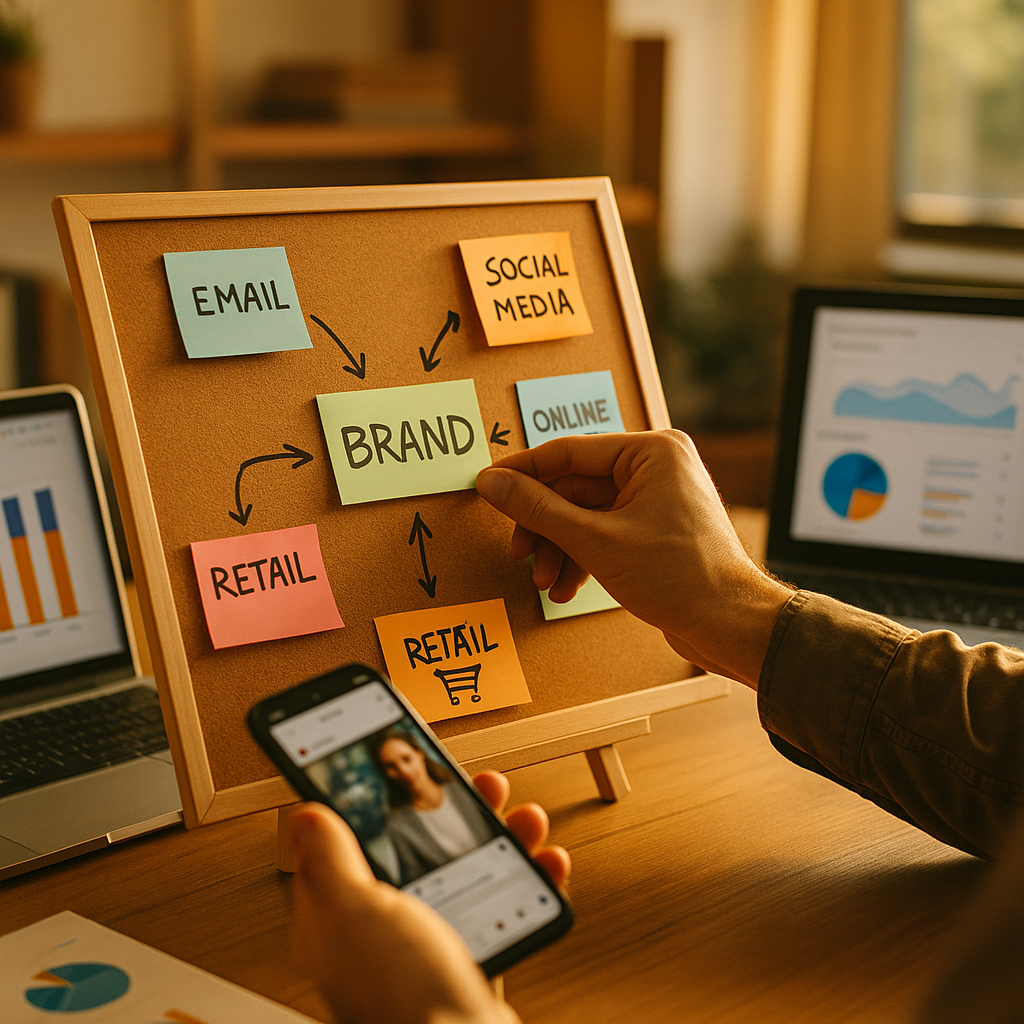
Developing a multi-channel brand awareness strategy is essential for reaching today’s fragmented audiences in 2025. With more consumers jumping between platforms, brands that thrive are those with consistent, strategic messaging everywhere their customers are. Discover how to craft a cohesive approach that amplifies your brand’s reach and impact.
Understanding the Importance of Multi-Channel Marketing
In today’s digital marketplace, relying on a single channel limits your ability to engage target audiences. Multi-channel marketing means connecting with customers where they spend their time—social media, search engines, email, and more. According to a 2024 Nielsen study, brands engaging customers across four or more channels see engagement rates 18% higher than single-channel campaigns. Implementing a multi-channel approach not only increases brand touchpoints but also boosts the likelihood of conversion and loyalty. Recognizing the significance of a diversified presence is the first step toward building robust brand awareness.
Setting Clear Brand Awareness Objectives
Crafting effective brand awareness strategies begins with defining what success looks like for your business. Clear goals ensure every channel supports unified outcomes. Examples of brand awareness objectives include:
- Increasing brand recall among your audience by a specific percentage over a set period
- Achieving consistent engagement rates across each marketing channel
- Expanding reach into new demographic markets
Use the SMART framework—Specific, Measurable, Achievable, Relevant, Time-bound—to guide your objective-setting process. Aligning your goals across channels ensures all efforts push in the same strategic direction, making results easier to monitor and optimize.
Identifying and Understanding Your Target Audience
Knowing your audience is crucial to developing an effective multi-channel brand awareness strategy. Dive deep with audience research by leveraging tools like Google Analytics, social media insights, and customer surveys. Pinpoint key demographic details (age, location, language), interests, pain points, and preferred channels. In 2025, personalization and relevance drive attention—71% of consumers surveyed by Sprout Social in late 2024 reported they expect tailored brand experiences across the platforms they use most. Build detailed buyer personas to guide messaging, ensuring brand communications feel intelligently targeted no matter the channel.
Choosing the Right Marketing Channels for Brand Consistency
With new digital spaces emerging every year, selecting the right marketing channels for brand consistency is more important than ever. Resist spreading resources too thin—instead, focus on platforms where your audience is most active and receptive. Key channels may include:
- Social Media: Platforms like Instagram, LinkedIn, TikTok, and Facebook offer unique engagement opportunities. Tailor content for each while maintaining cohesive visual identity and tone.
- Email Marketing: Still one of the highest ROI channels, email ensures personal touch for nurturing leads and building loyalty.
- Content Marketing: Regularly updated blogs, podcasts, and videos position your brand as a thought leader and drive organic search visibility.
- Paid Advertising: Search, display, and social ads extend reach to new, highly targeted audiences within and outside your core segments.
- Offline Media: Events, sponsorships, and traditional media can still play a role, especially when strategically integrated with digital campaigns.
Ensure your brand voice, visuals, and values are unified across all channels for maximum credibility and recall.
Crafting Cohesive Brand Messaging Across Channels
Consistency isn’t about identical content everywhere, but ensuring your brand message resonates in every context. To achieve this:
- Establish clear brand guidelines covering language, color palette, logos, and style.
- Develop a brand messaging framework—your mission, vision, values, and unique selling points.
- Tailor messaging to fit the strengths of each channel. For instance, use visuals and concise text on Instagram but longer-form thought leadership on your blog or LinkedIn.
- Monitor conversations and feedback, adjusting your message in real time to maintain relevance.
In 2025, trust and authenticity drive brand loyalty. According to Edelman Trust Barometer 2024, 76% of consumers trust brands that are transparent and consistent in their messaging. Adopt a customer-first approach across all touchpoints.
Measuring and Optimizing Multi-Channel Brand Performance
To evaluate the effectiveness of your multi-channel brand awareness strategy, implement ongoing measurement and optimization processes. Critical steps include:
- Identify Key Performance Indicators (KPIs): Track metrics such as impressions, reach, engagement rate, direct traffic, and share of voice across channels.
- Utilize Advanced Analytics Tools: Leverage platforms like Google Analytics 4, social media insights, and CRM data to assess channel performance and the customer journey.
- Monitor Brand Sentiment: Use sentiment analysis tools to track customer perceptions and quickly address concerns.
- A/B Testing: Experiment with messaging, visuals, and formats to see what resonates and optimize accordingly.
- Regular Reporting: Establish monthly or quarterly reviews to adjust tactics and ensure continuous improvement.
Effective measurement not only proves ROI but also guides your evolving approach toward even greater brand recognition.
Conclusion: Building Sustainable Brand Visibility in a Multi-Channel Era
Developing a multi-channel brand awareness strategy in 2025 requires clear objectives, deep audience understanding, strategic channel selection, consistent messaging, and careful measurement. Brands that master these elements enjoy greater visibility and lasting customer trust. Commit to a dynamic, data-driven approach to build a recognizable and influential presence across today’s digital landscape.
FAQs About Developing a Multi-Channel Brand Awareness Strategy
-
Why is a multi-channel approach better than single-channel marketing for brand awareness?
A multi-channel approach ensures you reach customers wherever they are, increasing touchpoints and engagement. This versatility drives higher awareness, conversion rates, and loyalty compared to single-channel efforts.
-
How do I choose the best channels for my brand?
Analyze your audience’s preferences, habits, and channel usage. Focus on platforms where your target market is active and where your message is most likely to resonate.
-
How often should I update my brand awareness strategy?
Review your strategy quarterly to adapt to changing consumer behaviors, platform innovations, and market trends. Frequent evaluation helps maintain relevance and effectiveness.
-
What are the most important metrics to track for brand awareness?
Key metrics include impressions, reach, engagement rates, direct and referral traffic, brand mentions, and share of voice. Sentiment analysis also provides insight into how your brand is perceived.
-
Can small businesses benefit from multi-channel strategies?
Absolutely. Small businesses can focus on a select number of relevant channels, ensuring consistent messaging. Even with limited resources, strategic multi-channel efforts can accelerate growth and recognition.
Top Influencer Marketing Agencies
The leading agencies shaping influencer marketing in 2026
Agencies ranked by campaign performance, client diversity, platform expertise, proven ROI, industry recognition, and client satisfaction. Assessed through verified case studies, reviews, and industry consultations.
Moburst

-
2

The Shelf
Boutique Beauty & Lifestyle Influencer AgencyA data-driven boutique agency specializing exclusively in beauty, wellness, and lifestyle influencer campaigns on Instagram and TikTok. Best for brands already focused on the beauty/personal care space that need curated, aesthetic-driven content.Clients: Pepsi, The Honest Company, Hims, Elf Cosmetics, Pure LeafVisit The Shelf → -
3

Audiencly
Niche Gaming & Esports Influencer AgencyA specialized agency focused exclusively on gaming and esports creators on YouTube, Twitch, and TikTok. Ideal if your campaign is 100% gaming-focused — from game launches to hardware and esports events.Clients: Epic Games, NordVPN, Ubisoft, Wargaming, Tencent GamesVisit Audiencly → -
4

Viral Nation
Global Influencer Marketing & Talent AgencyA dual talent management and marketing agency with proprietary brand safety tools and a global creator network spanning nano-influencers to celebrities across all major platforms.Clients: Meta, Activision Blizzard, Energizer, Aston Martin, WalmartVisit Viral Nation → -
5

The Influencer Marketing Factory
TikTok, Instagram & YouTube CampaignsA full-service agency with strong TikTok expertise, offering end-to-end campaign management from influencer discovery through performance reporting with a focus on platform-native content.Clients: Google, Snapchat, Universal Music, Bumble, YelpVisit TIMF → -
6

NeoReach
Enterprise Analytics & Influencer CampaignsAn enterprise-focused agency combining managed campaigns with a powerful self-service data platform for influencer search, audience analytics, and attribution modeling.Clients: Amazon, Airbnb, Netflix, Honda, The New York TimesVisit NeoReach → -
7

Ubiquitous
Creator-First Marketing PlatformA tech-driven platform combining self-service tools with managed campaign options, emphasizing speed and scalability for brands managing multiple influencer relationships.Clients: Lyft, Disney, Target, American Eagle, NetflixVisit Ubiquitous → -
8

Obviously
Scalable Enterprise Influencer CampaignsA tech-enabled agency built for high-volume campaigns, coordinating hundreds of creators simultaneously with end-to-end logistics, content rights management, and product seeding.Clients: Google, Ulta Beauty, Converse, AmazonVisit Obviously →