


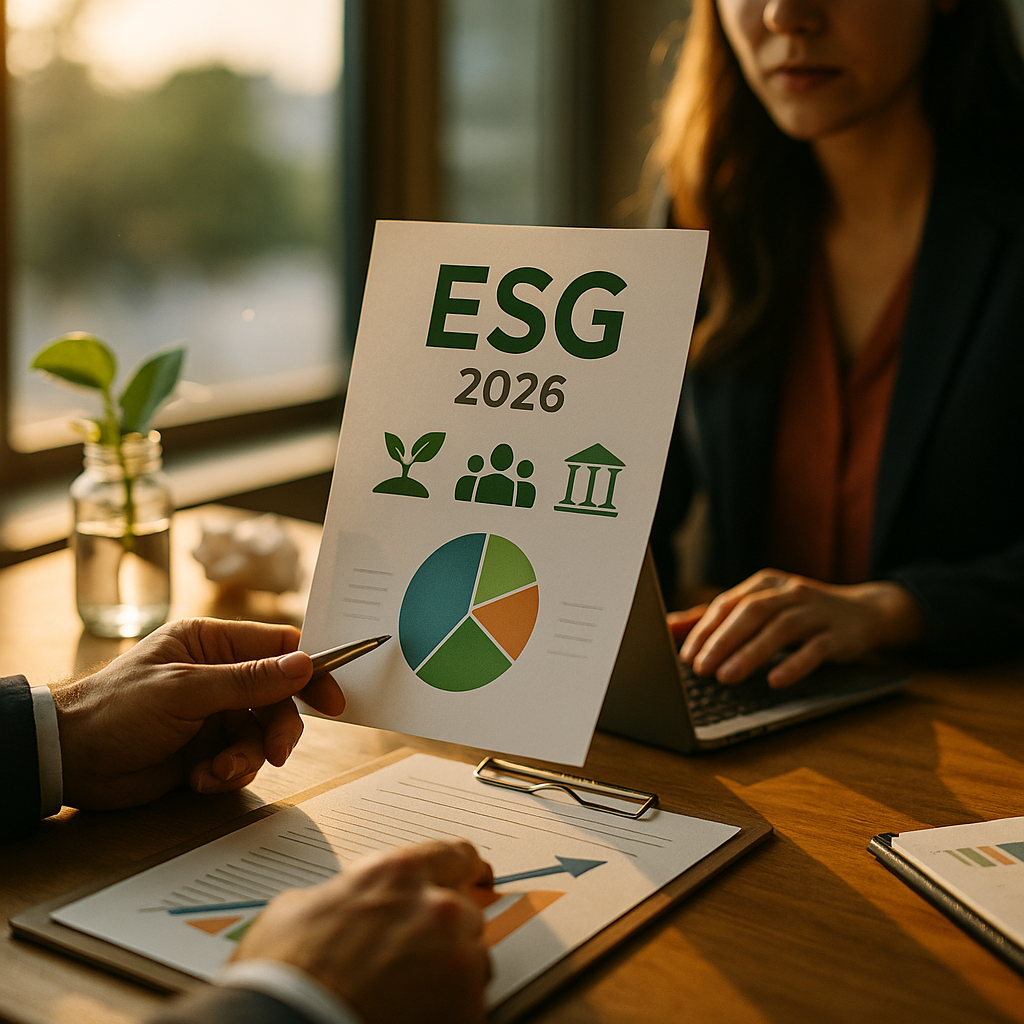
Environmental and ESG marketing claims can build trust, attract investors, and influence buying decisions, but they also invite scrutiny from regulators, competitors, and consumers. In 2026, brands face tighter expectations around substantiation, transparency, and plain-language disclosures. Navigating disclosure laws for environmental and ESG marketing claims now requires legal discipline, evidence systems, and message control across every channel.
Understanding environmental marketing claims in 2026
Environmental marketing claims cover statements about sustainability, climate impact, recyclability, emissions, sourcing, biodiversity, waste reduction, and broader ESG performance. They appear in ads, investor materials, packaging, websites, app stores, social posts, product labels, and sales presentations. A claim does not need to use the word “green” to trigger legal risk. Phrases such as eco-friendly, responsibly sourced, net zero pathway, carbon neutral, or ethical supply chain can all qualify.
The legal challenge is simple in theory and demanding in practice: if a reasonable audience could rely on the statement, the business must be able to support it. That support must be current, specific, and consistent with how the claim is presented. Regulators increasingly look beyond the headline and assess the overall impression created by visuals, footnotes, icons, certifications, and omitted facts.
Helpful content on this topic must start with a practical truth: disclosure laws vary by jurisdiction, industry, and audience. Consumer-facing campaigns may be reviewed under advertising and unfair competition rules. Public-company statements may also face securities disclosure obligations. Sector-specific requirements can apply in finance, energy, food, fashion, construction, and technology. The same phrase can be acceptable in one context and risky in another if the underlying evidence differs.
For most organizations, the key compliance question is not whether they can talk about ESG. It is whether they can explain, document, and qualify those statements clearly enough to withstand scrutiny. That standard applies to startups, global brands, nonprofit campaigns, marketplaces, and B2B sellers alike.
Greenwashing regulations and why broad claims create risk
Greenwashing regulations have evolved from a niche concern into a core marketing governance issue. Enforcement bodies now focus on exaggerated, vague, or unbalanced claims that overstate environmental benefits or hide tradeoffs. The highest-risk claims are often the shortest ones because they imply a sweeping benefit without saying what, compared with what, and based on which evidence.
Examples of claims that often require careful qualification include:
- “Sustainable” without naming the metric, scope, or standard used.
- “Carbon neutral” without disclosing whether neutrality comes from direct reductions, renewable energy procurement, offsets, or a mix of methods.
- “Recyclable” when recycling access depends on location, sorting infrastructure, or product components.
- “Non-toxic” when the statement is broader than the tested use case or excludes certain ingredients.
- “ESG leader” when the ranking source, methodology, or peer group is not identified.
Regulators and courts commonly ask how an ordinary person would interpret the claim. If that interpretation is broader than the evidence supports, the claim may be misleading even if part of it is technically true. A package made with some recycled material cannot be marketed as fully recycled unless that is accurate. A company with a long-term climate target cannot imply present-day low emissions if current operations remain high-emitting.
This is where experience matters. Compliance teams, in-house counsel, sustainability officers, and marketers should review claims together before launch. Businesses that treat ESG messaging as a design exercise rather than an evidence exercise tend to create avoidable exposure. The safer path is to narrow the claim, define the scope, and state the conditions clearly.
ESG disclosure requirements for substantiation and transparency
ESG disclosure requirements do not all come from one source. They may arise from advertising law, securities law, consumer protection rules, anti-fraud principles, exchange obligations, procurement standards, industry codes, and contractual representations. That means the same company may need different levels of detail depending on whether the audience is consumers, enterprise buyers, lenders, or shareholders.
Substantiation is the foundation. Before publishing a claim, a business should be able to produce evidence that is:
- Competent: based on reliable methods, recognized protocols, or credible third-party verification where appropriate.
- Relevant: tied to the exact claim being made, not to a loosely related sustainability initiative.
- Current: updated frequently enough to reflect present operations and supply chain conditions.
- Complete: not selectively presenting favorable metrics while ignoring material limitations.
- Accessible: organized so legal, compliance, and marketing teams can retrieve it quickly.
Transparency is the second pillar. A claim should answer the follow-up questions a reasonable reader will have. If a product is “made with recycled content,” what percentage? If a shipping option has “lower emissions,” compared with which baseline? If a company is “on track” to meet an ESG goal, what milestones support that statement? Clear disclosures reduce confusion and strengthen credibility.
Another point many companies miss is internal consistency. Sustainability language in product ads, investor decks, sales scripts, and executive interviews must align. A mismatch can invite allegations that one audience received a more optimistic version of the truth. A practical control is a single approved claims library that lists each statement, its owner, supporting evidence, required qualifiers, and review date.
For companies operating globally, translation and localization require special attention. A compliant disclosure in one market may become misleading after simplification or adaptation in another. Local consumer expectations and legal definitions matter. Review should happen before localization goes live, not after complaints appear.
Carbon neutral claims and climate-related advertising disclosures
Carbon neutral claims remain among the most scrutinized forms of climate marketing. They are not automatically unlawful, but they demand precision. A statement about neutrality can imply different things to different audiences: zero direct emissions, net accounting across operations, product lifecycle balancing, or offset-backed compensation. Without explanation, the phrase can mislead.
Brands should disclose the core mechanics behind a climate claim in plain language. That often includes:
- Scope: whether the claim applies to a product, service, facility, shipping option, or the company as a whole.
- Boundary: which emissions sources are included or excluded.
- Method: whether the result is driven by actual reductions, energy procurement, removals, or offsets.
- Timeframe: the period covered by the claim and whether it depends on future actions.
- Verification: whether an independent party reviewed the methodology or data.
Offsets deserve particular care. If neutrality depends heavily on offsets, the marketing should not create the impression that the underlying product or operation has little or no emissions. A clearer statement may be: We measured emissions for this service, reduced identified sources where feasible, and compensated for the remainder through verified projects. That language is less promotional, but more defensible.
Marketers also need to consider visuals and placement. A leaf icon, a green color palette, or “planet-positive” imagery can amplify the environmental message beyond the words on the page. If the claim is narrow, the creative should reflect that narrow scope. Disclosures must be easy to notice and understand, not buried in dense links or detached from the claim they qualify.
For climate targets, avoid presenting ambition as achievement. A net-zero commitment is a future-looking goal, not proof of current performance. If there is a roadmap, describe it. If there are dependencies or uncertainties, say so. Helpful, trustworthy content does not hide complexity; it organizes it for the reader.
Sustainability disclosures across websites, packaging, and investor communications
Sustainability disclosures should be built for the channel where the claim appears. A product package has limited space, so it may need a short claim paired with a digital landing page that provides the full basis. A website can host methodology notes, supplier standards, FAQs, and certification details. Investor communications may require a different level of specificity because materiality, governance, and risk factors matter more there.
Here is a workable channel-by-channel approach:
- Packaging: use concise claims, avoid broad unqualified statements, and include a clear path to more detail through a QR code or URL.
- Web pages: publish the claim basis, definitions, methodology, exclusions, and review date near the claim or one click away at most.
- Social media: keep claims narrow and avoid oversimplifying nuanced sustainability results for engagement.
- Sales materials: train teams to explain limitations and not extend approved language during pitches.
- Investor materials: align ESG statements with governance controls, metrics, and any formal disclosures the company is required to make.
One of the strongest EEAT signals in ESG content is identifiable ownership. Readers should be able to tell who is responsible for the information. A robust sustainability page often names the internal function overseeing data collection, references any external assurance, and states when the content was last reviewed. That helps demonstrate expertise, accountability, and trustworthiness.
Another best practice is to distinguish between facts, estimates, and aspirations. Facts describe present conditions supported by current evidence. Estimates rely on methodologies and assumptions that should be disclosed. Aspirations describe goals and should not be phrased as completed outcomes. This distinction helps readers interpret the content correctly and reduces legal ambiguity.
Businesses should also prepare for challenge rights. Competitors, journalists, NGOs, and consumers increasingly ask for backup. If your team cannot produce the evidence quickly, the issue is not only legal risk but reputational damage. The operational solution is simple: keep claim substantiation in a central repository with version control and named owners.
Advertising compliance best practices for ESG claim governance
Advertising compliance for environmental and ESG claims works best when it is operationalized, not improvised. High-performing organizations use repeatable workflows that connect sustainability, legal, product, procurement, investor relations, and marketing. That cross-functional design prevents unsupported claims from reaching the market and helps teams move faster with confidence.
A practical governance framework includes:
- Claim inventory: list every environmental and ESG claim used across all channels.
- Evidence mapping: match each claim to supporting documents, datasets, certifications, or test results.
- Risk scoring: flag high-risk terms such as “net zero,” “neutral,” “green,” “sustainable,” and superiority claims.
- Approval workflow: require legal and subject-matter review before publication and after material changes.
- Disclosure rules: define which qualifiers must appear with each claim and where they must be placed.
- Training: teach marketers, sales teams, founders, and executives how to use approved language.
- Monitoring: review published content regularly and update claims when products, suppliers, or data change.
Do not ignore third-party certifications and seals. They can support credibility, but they are not a safe harbor. The business still remains responsible for how the certification is described and whether the certification actually covers the aspect being promoted. Explain what the seal means, who issued it, and what it does not cover if that omission would matter to a reasonable audience.
It is also wise to plan for disputes. If a regulator or competitor challenges a claim, you will need a documented response process. That process should identify the decision-maker, preserve evidence, pause related campaigns if necessary, and coordinate across legal, PR, and customer support. Fast, coherent responses often prevent a narrow issue from becoming a broader trust problem.
The clearest takeaway for 2026 is this: strong ESG marketing is not louder marketing. It is more precise marketing. Specific claims supported by current evidence outperform vague environmental branding in both legal defensibility and audience trust.
FAQs about environmental and ESG marketing claims
What is the biggest legal risk with environmental marketing claims?
The biggest risk is creating a misleading overall impression. That usually happens when a broad statement suggests a larger environmental benefit than the evidence supports, or when key limits are omitted.
Can a company say a product is “sustainable”?
Only with caution. “Sustainable” is broad and can mean many things to consumers and investors. It is safer to state the specific attribute, such as recycled content percentage, lower water use, or certified sourcing, and explain the basis.
Are carbon neutral claims still allowed in 2026?
They can be, but they are heavily scrutinized. Companies should clearly disclose scope, methodology, timeframe, and the role of offsets or removals. A simple headline without explanation carries higher risk.
Do ESG claims in investor presentations need the same review as consumer ads?
Yes, and often more. Investor communications can trigger additional disclosure obligations and anti-fraud concerns. Claims should align with governance processes, risk disclosures, and any formal reporting the company provides.
How should businesses substantiate recyclability claims?
They should evaluate whether the item is actually accepted, sorted, and processed in practice for a substantial portion of the intended market. If recyclability depends on local conditions, that limitation should be disclosed clearly.
Is a third-party certification enough to make a claim safe?
No. Certifications can help support a claim, but the company remains responsible for accurate wording, context, and limitations. The certification must match the specific benefit being advertised.
Who should approve ESG marketing language inside a company?
At minimum, legal and the relevant subject-matter owner should review it. Depending on the business, that may also include sustainability, compliance, product, procurement, investor relations, and regional market leads.
What makes a disclosure “clear and conspicuous”?
It should be easy to notice, easy to understand, and placed close enough to the claim that readers will actually see it before relying on the message. Fine print, hidden links, or vague footnotes often fail this standard.
Navigating disclosure laws for environmental and ESG marketing claims requires more than polished wording. It demands evidence, channel-specific disclosures, internal controls, and honest scope limits. In 2026, brands that win trust are the ones that define terms, substantiate every message, and correct ambiguity before launch. The clearest takeaway: make claims narrower, disclosures clearer, and governance stronger.
Top Influencer Marketing Agencies
The leading agencies shaping influencer marketing in 2026
Agencies ranked by campaign performance, client diversity, platform expertise, proven ROI, industry recognition, and client satisfaction. Assessed through verified case studies, reviews, and industry consultations.
Moburst

-
2

The Shelf
Boutique Beauty & Lifestyle Influencer AgencyA data-driven boutique agency specializing exclusively in beauty, wellness, and lifestyle influencer campaigns on Instagram and TikTok. Best for brands already focused on the beauty/personal care space that need curated, aesthetic-driven content.Clients: Pepsi, The Honest Company, Hims, Elf Cosmetics, Pure LeafVisit The Shelf → -
3

Audiencly
Niche Gaming & Esports Influencer AgencyA specialized agency focused exclusively on gaming and esports creators on YouTube, Twitch, and TikTok. Ideal if your campaign is 100% gaming-focused — from game launches to hardware and esports events.Clients: Epic Games, NordVPN, Ubisoft, Wargaming, Tencent GamesVisit Audiencly → -
4

Viral Nation
Global Influencer Marketing & Talent AgencyA dual talent management and marketing agency with proprietary brand safety tools and a global creator network spanning nano-influencers to celebrities across all major platforms.Clients: Meta, Activision Blizzard, Energizer, Aston Martin, WalmartVisit Viral Nation → -
5

The Influencer Marketing Factory
TikTok, Instagram & YouTube CampaignsA full-service agency with strong TikTok expertise, offering end-to-end campaign management from influencer discovery through performance reporting with a focus on platform-native content.Clients: Google, Snapchat, Universal Music, Bumble, YelpVisit TIMF → -
6

NeoReach
Enterprise Analytics & Influencer CampaignsAn enterprise-focused agency combining managed campaigns with a powerful self-service data platform for influencer search, audience analytics, and attribution modeling.Clients: Amazon, Airbnb, Netflix, Honda, The New York TimesVisit NeoReach → -
7

Ubiquitous
Creator-First Marketing PlatformA tech-driven platform combining self-service tools with managed campaign options, emphasizing speed and scalability for brands managing multiple influencer relationships.Clients: Lyft, Disney, Target, American Eagle, NetflixVisit Ubiquitous → -
8

Obviously
Scalable Enterprise Influencer CampaignsA tech-enabled agency built for high-volume campaigns, coordinating hundreds of creators simultaneously with end-to-end logistics, content rights management, and product seeding.Clients: Google, Ulta Beauty, Converse, AmazonVisit Obviously →