


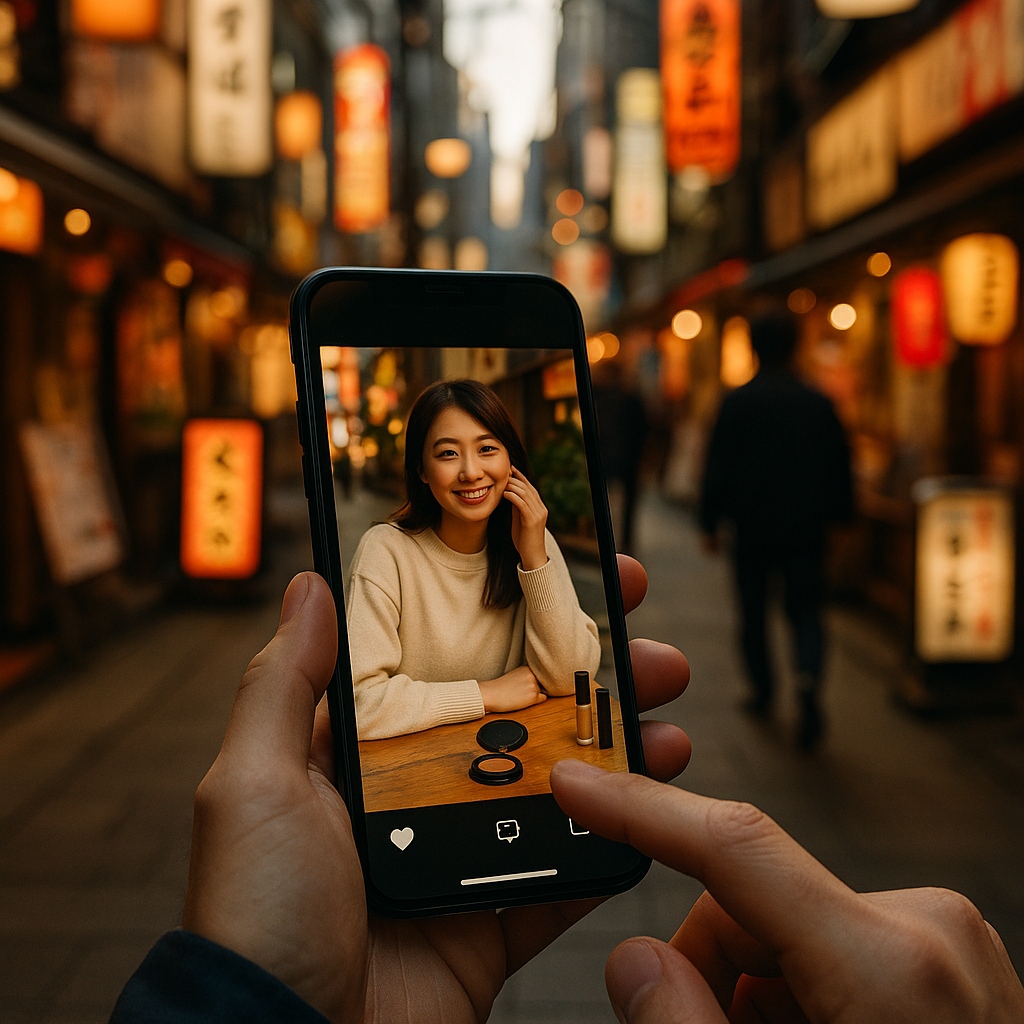
Japan’s stealth marketing regulations are critical for global brands aiming to maintain a compliant and trustworthy presence in this key Asian market. Understanding these rules will help you avoid costly pitfalls and penalties. Ready to navigate Japan’s legal landscape for promotional transparency? Discover the essential details below to future-proof your marketing strategies in 2025 and beyond.
Understanding Stealth Marketing and Its Risks in Japan
Stealth marketing, often called undercover or covert marketing, refers to promotional activities that are not clearly identified as advertising. In Japan, regulators have grown increasingly vigilant as digital platforms evolve and influencer partnerships become mainstream.
In 2025, the Consumer Affairs Agency (CAA) and the Ministry of Economy, Trade and Industry (METI) have ramped up their scrutiny. Their aim is to protect consumers from deceptive marketing and build a fair advertising environment. Brands now face significant risks—including reputational damage and legal fines—if stealth campaigns mislead audiences. Regulatory authorities are quick to respond to reports of undisclosed endorsements, especially given recent cases that have made headlines.
Understanding these risks and adapting your strategy accordingly is vital for any brand seeking success in Japan’s highly regulated digital space.
Key Stealth Marketing Regulations Impacting Global Brands
Staying compliant with Japanese advertising law is non-negotiable. Here are the core regulations that global brands must observe:
- Act Against Unjustifiable Premiums and Misleading Representations (AUPMR): This longstanding act covers all promotional communications, including influencer marketing and native ads. It bans deceptive representations and requires brands to avoid misleading consumers regarding product content, quality, or value.
- Enhanced Disclosure Obligations: Amendments effective in 2023 reinforced the obligation for clear and prominent disclosure of sponsorships, gifted items, and paid promotions—especially on social media, blogs, and video platforms.
- Influencer Marketing Guidelines: Japan’s CAA provides specific advice on influencer partnerships. Brands must ensure influencers disclose financial relationships, sent products, or other material connections in a “readily understandable” manner.
- Penalties and Enforcement: As of 2025, penalties for non-compliance include public announcements of infractions, corrective orders, and administrative fines that can exceed millions of yen for repeat offenders.
The scope of these rules reaches both domestic and overseas brands marketing to Japanese consumers, and ignorance of the laws is not a defense.
How Japan’s Stealth Marketing Rules Differ Internationally
While regulations against misleading advertising exist globally, Japan’s approach to stealth marketing has unique features. Global brands must tailor their strategies rather than rely on “one-size-fits-all” compliance tools developed for other markets.
- Disclosure Nuances: Unlike some Western jurisdictions, Japanese regulators expect disclosures not only to be clear but also to appear early in content—such as at the start of videos or posts—in a font, format, and language accessible to a broad audience.
- Scope of Application: Japan’s interpretation of a “material connection” is broad; even gifts or incentives can trigger disclosure obligations.
- Cultural Factors: Japanese consumers are generally less tolerant of commercial messaging disguised as personal opinion. This cultural expectation makes transparent advertising even more important for brand trust.
By understanding these differences, overseas marketers can avoid missteps and maintain competitive advantage in Japan’s transparency-conscious market.
Steps for Global Brands to Ensure Compliance
Proactively addressing compliance with Japan’s stealth marketing rules will protect your brand and foster consumer trust. Consider implementing the following best practices:
- Audit Existing Campaigns: Regularly review all digital marketing and influencer collaborations targeting Japanese audiences. Identify areas where sponsorship or commercial ties are insufficiently disclosed.
- Educate Partners and Influencers: Provide clear, written guidelines and training to all local and international collaborators. Specify required disclosure language, placement, and formats.
- Embed Compliance in Contracts: Contractually obligate influencers and agencies to comply with Japanese regulations. Include audit rights and require documentation of all disclosures.
- Monitor and Document: Implement tools to monitor influencer and third-party content in real time. Keep records of all disclosures as part of your risk management protocol.
- Engage Local Legal Counsel: Consult regularly with Japanese legal professionals specializing in consumer protection law to stay ahead of regulatory changes.
This systematic approach will minimize legal exposure and position your brand as transparent and consumer-focused.
Practical Examples and Case Studies from 2024-2025
Recent enforcement actions in Japan illustrate both the risk of non-compliance and the value in rigorously adhering to disclosure obligations. For example:
- High-profile Cosmetics Brand: In 2024, a renowned global cosmetics provider received an administrative order after it failed to ensure its micro-influencers disclosed gifted products in Instagram stories. The public announcement adversely affected its brand image and resulted in increased government scrutiny.
- Japanese Tech Startup: A 2025 campaign involving stealth product placements on YouTube was flagged by regulators, leading to corrective public statements and a costly compliance overhaul.
Brands that swiftly implement transparent disclosure policies and invest in compliance training have, by contrast, seen enhanced positive sentiment and improved engagement among Japanese consumers.
Looking Forward: Adapting to Ongoing Changes
Japan’s regulatory landscape continues to evolve as new technologies and digital channels emerge. Artificial intelligence-generated content, live commerce, and cross-border influencer campaigns are drawing particular attention from lawmakers and the CAA.
Global brands should regularly review guidance from Japanese authorities, invest in ongoing compliance training, and adopt agile marketing practices. Doing so will ensure not only legal compliance but also long-term consumer trust and brand value in Japan’s dynamic market environment.
In summary, understanding and respecting Japan’s stealth marketing regulations is essential for global brands. Proactive compliance safeguards your reputation and ensures your marketing remains effective and trustworthy with Japanese consumers.
FAQs: Japan’s Stealth Marketing Regulations
-
What is stealth marketing under Japanese law?
Stealth marketing in Japan refers to promoting products or services without clearly disclosing the commercial intent or sponsor, especially through influencers or native ads. Such practices are closely regulated to protect consumers.
-
Does Japan’s law apply to overseas brands?
Yes, any overseas business or marketer targeting Japanese consumers—whether from within Japan or abroad—must comply with Japan’s advertising and consumer protection regulations, including those on stealth marketing.
-
What counts as a sufficient disclosure?
A disclosure is considered sufficient if it is clear, prominent, and understandable to the general audience, using language such as “PR,” “sponsored,” or their Japanese equivalents, at the start of content or posts.
-
What penalties do brands face for non-compliance?
Penalties for non-compliance may include administrative fines, public corrective orders, and reputational damage. Repeat or serious violations may attract higher fines and ongoing regulatory scrutiny.
-
Where can I find the most recent regulatory guidance?
Brands should consult the Consumer Affairs Agency (CAA) website and engage with local legal advisors for updates. Industry associations in Japan also publish regular compliance guidelines for international businesses.
Top Influencer Marketing Agencies
The leading agencies shaping influencer marketing in 2026
Agencies ranked by campaign performance, client diversity, platform expertise, proven ROI, industry recognition, and client satisfaction. Assessed through verified case studies, reviews, and industry consultations.
Moburst

-
2

The Shelf
Boutique Beauty & Lifestyle Influencer AgencyA data-driven boutique agency specializing exclusively in beauty, wellness, and lifestyle influencer campaigns on Instagram and TikTok. Best for brands already focused on the beauty/personal care space that need curated, aesthetic-driven content.Clients: Pepsi, The Honest Company, Hims, Elf Cosmetics, Pure LeafVisit The Shelf → -
3

Audiencly
Niche Gaming & Esports Influencer AgencyA specialized agency focused exclusively on gaming and esports creators on YouTube, Twitch, and TikTok. Ideal if your campaign is 100% gaming-focused — from game launches to hardware and esports events.Clients: Epic Games, NordVPN, Ubisoft, Wargaming, Tencent GamesVisit Audiencly → -
4

Viral Nation
Global Influencer Marketing & Talent AgencyA dual talent management and marketing agency with proprietary brand safety tools and a global creator network spanning nano-influencers to celebrities across all major platforms.Clients: Meta, Activision Blizzard, Energizer, Aston Martin, WalmartVisit Viral Nation → -
5

The Influencer Marketing Factory
TikTok, Instagram & YouTube CampaignsA full-service agency with strong TikTok expertise, offering end-to-end campaign management from influencer discovery through performance reporting with a focus on platform-native content.Clients: Google, Snapchat, Universal Music, Bumble, YelpVisit TIMF → -
6

NeoReach
Enterprise Analytics & Influencer CampaignsAn enterprise-focused agency combining managed campaigns with a powerful self-service data platform for influencer search, audience analytics, and attribution modeling.Clients: Amazon, Airbnb, Netflix, Honda, The New York TimesVisit NeoReach → -
7

Ubiquitous
Creator-First Marketing PlatformA tech-driven platform combining self-service tools with managed campaign options, emphasizing speed and scalability for brands managing multiple influencer relationships.Clients: Lyft, Disney, Target, American Eagle, NetflixVisit Ubiquitous → -
8

Obviously
Scalable Enterprise Influencer CampaignsA tech-enabled agency built for high-volume campaigns, coordinating hundreds of creators simultaneously with end-to-end logistics, content rights management, and product seeding.Clients: Google, Ulta Beauty, Converse, AmazonVisit Obviously →