


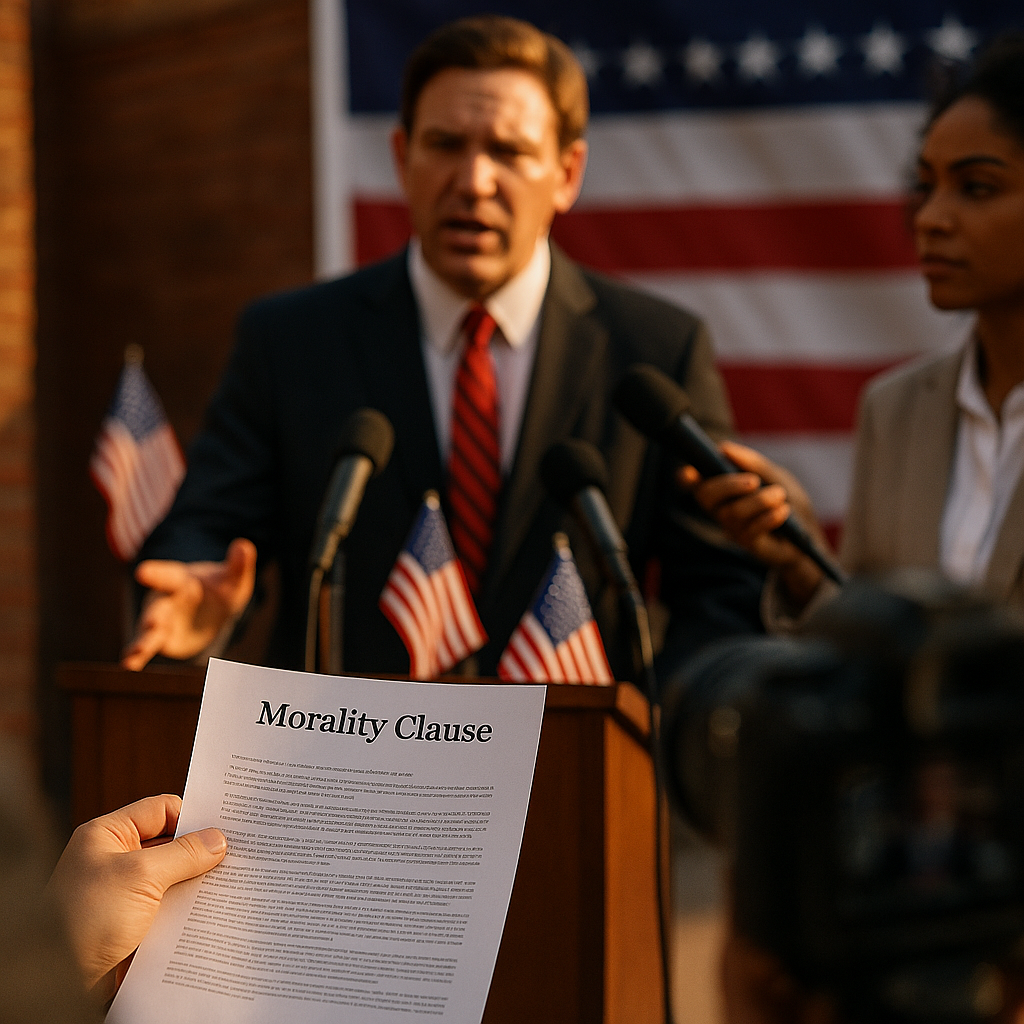
Handling “Morality Clauses” in political election cycles is more relevant than ever as candidates face intense scrutiny online and offline. Morality clauses have emerged as strategic legal tools influencing campaigns, candidate eligibility, and public trust. Understanding how these clauses function and adapting to their dynamic application can be decisive for campaign success. Let’s explore what you need to know for 2025 and beyond.
Understanding Morality Clauses in Political Campaigns
Morality clauses in political contexts are contractual agreements that require individuals—candidates, consultants, or campaign staff—to maintain certain ethical standards. These clauses historically aimed to protect an organization or image from association with controversial behaviors. In today’s fast-moving digital landscape, the stakes are higher. Modern morality clauses often cover:
- Personal and professional conduct
- Social media activity
- Criminal charges or investigations
- Conflict of interest disclosures
- Disparagement and public statements
Critical to remember: breaches can lead to removal from ballots, termination of contracts, or reputational fallout. Thus, campaigns must understand the precise obligations and potential risks within every morality clause before the election cycle kicks off.
Drafting Effective Morality Clauses for Campaign Strategy
Creating clear, enforceable morality clauses requires a precise balance between thoroughness and fairness. Legal experts suggest that ambiguously drafted clauses leave room for misinterpretation—something to avoid in the high-stakes realm of political elections. To maximize both protection and clarity, campaigns should:
- Define unacceptable behaviors with specific examples
- Set clear processes for investigation and adjudication
- Outline remedies and sanctions proportionate to potential infractions
- Regularly review and update the clause to reflect social and legal developments
Research from the National Election Law Reform Institute in 2024 shows that well-defined clauses reduce disputes by 32% within campaign teams. In 2025, greater emphasis is placed not only on legal safeguards, but also on the perception of fairness and transparency both within and beyond the campaign.
Enforcement Challenges During Election Cycles
Enforcing morality clauses presents unique challenges, as the political environment is inherently charged and visibility is intense. Campaign managers and legal teams are often responsible for:
- Rapid investigation of alleged breaches
- Coordinating with independent third parties for impartiality
- Communicating outcomes in a transparent manner
Missteps in enforcement may lead to perceptions of bias or unjust “witch hunts.” In 2025, organizations increasingly adopt standardized investigation protocols and dedicated ethics committees to reduce such risks. According to a recent survey by the Political Ethics Authority, 63% of voters express greater trust in campaigns that disclose transparent enforcement procedures for their morality clauses.
Morality Clauses and Social Media Conduct
Social media remains a hotbed for potential morality clause violations, as historic posts and real-time interactions are open to public scrutiny. In recent years, over 40% of reported morality clause breaches in election cycles stemmed from inappropriate or controversial online behavior. Campaigns now routinely conduct:
- Comprehensive social media audits prior to onboarding new team members
- Ongoing monitoring of official and personal accounts for risk factors
- Training on digital etiquette and risk mitigation for staff and candidates
Technology platforms in 2025 offer advanced AI-based sentiment analysis, alerting campaign leadership when accounts associated with their team cross predefined risk thresholds. This proactive approach helps prevent minor lapses from escalating into headline-making issues.
Morality Clauses, Due Process, and Candidate Rights
While morality clauses are designed to protect campaign integrity, candidates must be afforded procedural fairness. The risk of politically motivated accusations can undermine both individual rights and public confidence. Campaigns that respect due process demonstrate:
- Timely, impartial review of all allegations
- Opportunities for accused individuals to respond or appeal
- Clear communication about investigative findings and actions taken
Legal observers note that courts and election commissions in 2025 increasingly scrutinize how campaigns navigate morality clause enforcement—not just the nature of the violation itself. Fair, unbiased procedures are essential both for legal compliance and maintaining voter trust.
Rebuilding Reputation After a Morality Clause Breach
Violating a morality clause can severely impact a political career, but strategic response matters. First, acknowledge the issue transparently; then outline steps to remedy the situation. Crisis management steps often include:
- Issuing sincere public apologies where appropriate
- Committing to corrective actions or ethical training
- Engaging third-party advisors to review organizational culture
New research from the Institute for Democratic Renewal indicates that candidates who proactively address breach fallout are twice as likely to regain partial voter trust compared to those who remain silent or evasive. The road to reputation recovery is arduous but possible with authenticity and accountability.
Conclusion: Navigating Morality Clauses with Foresight
Handling morality clauses in political election cycles demands careful planning, legal precision, and responsive enforcement. By prioritizing clear policies and transparent procedures, campaigns can shield themselves—and their candidates—from disruptive scandals. In 2025, the campaigns that proactively address morality issues will remain credible, compliant, and well-prepared for electoral success.
FAQs
-
What is a morality clause in a political campaign?
A morality clause is a contractual requirement that political candidates or campaign staff uphold specific ethical standards, both publicly and privately, to protect the campaign’s reputation and integrity.
-
Can a campaign remove a candidate for violating a morality clause?
Yes, a clearly drafted morality clause can empower a campaign or party to disqualify a candidate if they breach agreed-upon ethical standards, with due process and legal review.
-
How are morality clauses enforced in election cycles?
Morality clauses are enforced through internal review panels, independent third parties, and transparent investigative procedures, often combined with legal oversight to ensure fairness and compliance.
-
Do morality clauses apply to social media activity?
Absolutely. Most modern morality clauses explicitly include social media conduct, covering past and present online posts, comments, shares, and digital interactions.
-
What should a candidate do if falsely accused of violating a morality clause?
The candidate should request a fair and transparent investigation, provide evidence to support their case, and utilize all available appeal procedures to clear their name.