


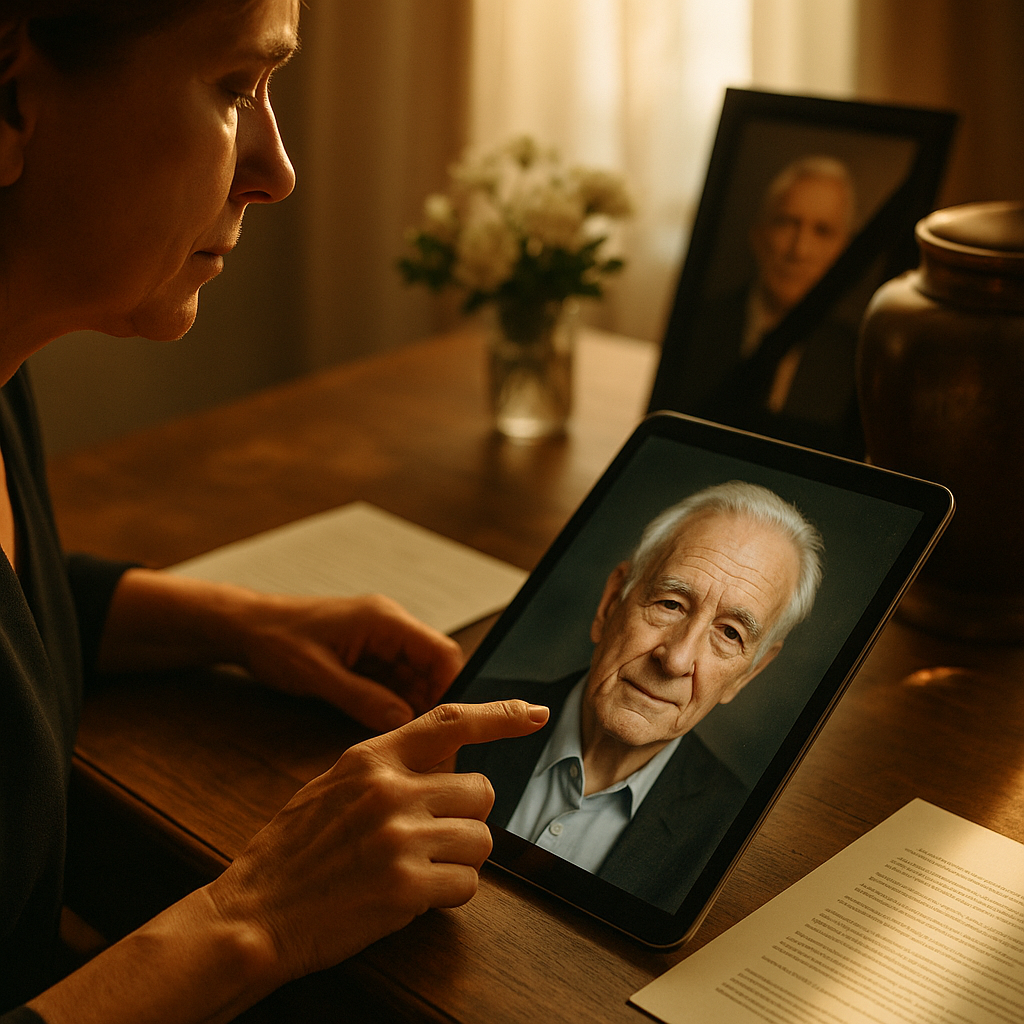
In 2025, digital production tools make it easy to recreate a deceased celebrity’s face, voice, or mannerisms for ads, films, games, and social content. Yet Navigating The Legal Risks Of Posthumous Likeness Usage In Digital Media requires more than technical skill: rights differ by jurisdiction, estates vary in strategy, and audiences react strongly to perceived exploitation. Get the legal foundations right before you publish—because the next dispute can start overnight.
Posthumous publicity rights and likeness ownership
Posthumous likeness use sits at the intersection of right of publicity, privacy, copyright, trademark, and unfair competition. The practical question is simple: who can say yes when a deceased person’s identity is used commercially? The legal answer is often complicated.
Right of publicity generally protects a person’s name, image, voice, signature, and other identifying traits from unauthorized commercial exploitation. In many jurisdictions, that right can survive death and become an asset managed by heirs or an estate. In others, it may be limited, unclear, or depend on where the person was domiciled at death. For cross-border campaigns, the “where” matters as much as the “what.”
Ownership is not always singular. You might need multiple permissions because different pieces of a digital recreation can implicate different rights. Common examples:
- The person’s identity (publicity rights) may belong to the estate or heirs.
- Underlying footage, photos, recordings (copyright) may belong to a studio, label, photographer, or publisher.
- Character elements (copyright/trademark) may be controlled by a rights holder that is not the estate.
- Brand associations (trademark and false endorsement) can trigger claims even without using the person’s face if the message implies sponsorship.
Actionable takeaway: treat “likeness clearance” as a bundle of rights, not a single checkbox. Map every asset used to the relevant right, owner, and territory before creative lock.
Digital resurrection and deepfake liability in media
Digital doubles, voice cloning, and synthetic performances can elevate storytelling, but they also increase liability because they are persuasive and scalable. The same realism that sells a performance can also create confusion about authorization, invite claims of deception, or harm a legacy in ways courts and regulators take seriously.
Key legal risks often arise from how audiences interpret the content:
- False endorsement and misrepresentation: Even if you avoid direct “advertising language,” the overall presentation may imply the deceased endorsed a product, political idea, or platform.
- Defamation-like harms and legacy damage: Some jurisdictions allow estates or relatives to pursue claims tied to reputational harm or misuse, especially if the content is presented as authentic.
- Consumer protection exposure: If viewers are likely to be misled about what is real versus synthetic, regulators may view disclosures as inadequate or absent.
- Platform and distributor standards: Streaming services, ad networks, and app stores increasingly demand proof of rights and clear labeling for synthetic media.
Creators often ask, “If we label it as AI, are we safe?” Labeling reduces risk but rarely cures it. Disclosure helps with consumer deception concerns, yet it does not replace permission when publicity rights or other protected interests apply. Another common question: “What if it’s a tribute?” Tributes can still be commercial if tied to monetization, subscriptions, sponsorship, or brand lift. Courts look at substance, not the tag line.
Practical safeguard: align legal review with editorial intent. If the content relies on the deceased “performing” a message they never delivered, increase clearance standards, emphasize transparency, and document your decision-making.
Estate licensing, consent, and chain of title due diligence
Most disputes are avoidable with a disciplined licensing approach. Estates are often willing to license, but they will negotiate scope, portrayal limits, approvals, and compensation. Your goal is to secure consent that is unambiguous and backed by a strong chain of title.
Due diligence should answer four questions:
- Who controls the rights? Identify the legal entity or individual with authority to grant publicity rights and approve portrayals.
- What exactly is being licensed? Define “likeness” broadly enough to cover face, voice, body, motion capture, catchphrases, and distinctive attributes—especially for AI models.
- Where and for how long? Territory and term are critical, particularly for global digital distribution and perpetual online availability.
- How will the result be used? Specify media types (film, streaming, game, social, AR/VR), promotional uses, and whether derivative works or future edits are allowed.
Chain of title is where teams often stumble. You can have an estate license and still be exposed if you use a copyrighted photograph as training data, include a protected recording, or mimic a character controlled by a studio. Build a rights matrix that covers: source materials, datasets, music, archival clips, wardrobe marks, and any third-party branding that appears in the synthetic scene.
Contract terms that reduce risk in 2025 workflows:
- Approval rights: clear checkpoints for script, storyboard, model tests, and final cut.
- Use restrictions: prohibited categories (politics, alcohol, gambling, adult content) and tone limitations.
- AI-specific clauses: whether the model can be reused, how it must be stored, and deletion requirements.
- Indemnities and insurance cooperation: ensure your E&O insurer can underwrite the risk with documented permissions.
Reader follow-up addressed: “Can we rely on a manager or ‘family friend’ approval?” Not safely. Obtain permission from the legally authorized representative, and keep written evidence of authority (letters testamentary, power documents, or estate corporate resolutions as applicable).
Fair use, First Amendment, and documentary exemptions
Not every use requires a license. Editorial, expressive, and newsworthy contexts may be protected under free speech principles, and some jurisdictions recognize exceptions for documentaries, biographies, commentary, criticism, or parody. However, these defenses are fact-specific and risky when the use looks like marketing.
When teams ask, “Is our project protected because it’s art?”, the answer depends on the balance between expression and commercial exploitation. Courts often evaluate whether the likeness use is transformative, whether it primarily sells a product, and whether it substitutes for a licensed endorsement. A film scene that meaningfully comments on a public figure can differ from a product spot that uses the same digital double to drive sales.
Documentary and historical storytelling raise special issues because synthetic reconstruction can blur truth and dramatization. Even if the topic is newsworthy, a hyper-realistic recreation that places words in the deceased person’s mouth can heighten claims of deception or reputational harm. A careful approach includes:
- On-screen disclosures: clearly identify reenactments and synthetic elements where viewers will notice.
- Source integrity: keep records of references, scripts, and fact-checking decisions to demonstrate good faith.
- Least-invasive method: if a silhouette, voice actor, or archival stills achieve the purpose, consider whether full digital resurrection is necessary.
Important nuance: fair use is a copyright doctrine; it does not automatically defeat publicity rights claims. You may succeed on a copyright defense while still facing a likeness-based claim. Treat these as parallel tracks in your legal analysis.
Cross-border compliance and platform distribution risks
Digital media travels instantly, while likeness rights remain territorial. A campaign cleared for one location may trigger claims elsewhere, and the “domicile at death” concept can influence which posthumous rights apply. That makes distribution planning a legal issue, not only a marketing decision.
Cross-border risk management in 2025 should cover:
- Territorial licensing strategy: negotiate worldwide rights where possible, or geo-fence distribution where clearance is uncertain.
- Localization review: translated copy, region-specific promotions, and culturally sensitive portrayals can change the legal and reputational profile.
- Platform policies: many platforms demand documentation for identity-based content, and may remove media quickly if challenged.
- Advertising standards: regulators and self-regulatory bodies can scrutinize synthetic endorsements, especially if the content targets minors or vulnerable audiences.
Creators often overlook downstream reuse. Once a clip enters meme culture, reposters may remove disclosures, crop credits, or attach a new product call-to-action. While you cannot control the internet, you can reduce foreseeable misuse by baking in persistent watermarks, audible disclosures, and licensing terms that prohibit third-party repackaging.
Operational takeaway: align legal clearance with your distribution map and your paid media plan. If your ad buy includes global placements, do not clear only for your home market.
Risk management: contracts, disclosures, and ethical guardrails
Legal compliance is necessary, but it is not sufficient. Posthumous likeness use carries an ethical duty because the subject cannot correct the record or withdraw consent. Mishandling can cause reputational damage that outlasts any campaign and can invite stricter scrutiny in future negotiations.
Build a practical risk framework that combines law, production, and governance:
- Set an internal “synthetic media standard”: define when digital resurrection is permitted, who approves it, and which disclosures are mandatory.
- Create a consent-and-portrayal dossier: include estate approvals, scripts, creative rationale, and any restricted categories.
- Use clear viewer disclosures: concise language that explains what is synthetic and who authorized it, placed where audiences will actually see it.
- Secure the model and data: limit access, prevent re-training without permission, and document deletion or archival requirements.
- Plan incident response: escalation paths for takedown requests, PR responses, and rapid edits if an issue emerges.
Ethical guardrails also support EEAT: they show your process is credible, transparent, and respectful. If your brand claims authenticity, align that promise with how you present synthetic performances. The question to answer internally is: Would an average viewer feel misled about what the person actually said or supported? If yes, redesign the execution before launch.
FAQs
Do I need permission to use a deceased celebrity’s likeness in an advertisement?
Usually yes. Advertising is a high-risk, commercial context, and posthumous publicity rights may be enforceable by the estate or heirs. You may also need copyright permissions for any source footage, photos, or recordings used to build the asset.
If we created the likeness entirely with AI and no archival footage, can we avoid licensing?
Not necessarily. Publicity rights can apply even when the depiction is newly generated if it is recognizable as the person. Using AI may reduce copyright issues tied to specific source materials, but it does not eliminate identity-based claims.
Is a disclaimer like “AI-generated” enough to prevent legal problems?
No. Disclaimers help reduce deception and consumer protection risk, but they do not replace consent where publicity rights apply, and they do not cure false endorsement if the overall message implies sponsorship.
Can documentaries use a deceased person’s likeness without an estate license?
Sometimes, depending on jurisdiction and the facts. Newsworthy and expressive uses can be protected, but synthetic reenactments that fabricate statements or create a misleading impression increase risk. Clearance and disclosures remain best practice.
What contract terms matter most when licensing posthumous likeness rights?
Scope (what traits and formats are covered), territory, term, approvals, use restrictions, AI model reuse limits, data security, and indemnities. Also confirm the licensor’s authority and keep chain-of-title evidence for insurers and distributors.
What is the safest way to handle global distribution?
License for worldwide, all-media use when feasible, or restrict distribution to cleared territories. Align paid media placement, influencer use, and platform uploads with the territories and uses covered by your agreements.
Using a deceased person’s identity can produce powerful storytelling and marketing, but it also concentrates legal and reputational risk. The safest path is a rights-first workflow: confirm who controls publicity and underlying content rights, secure written permissions, and match approvals to how synthetic media is created and reused. Add clear disclosures and strong data controls. Do that, and you protect both your project and the legacy you portray.