


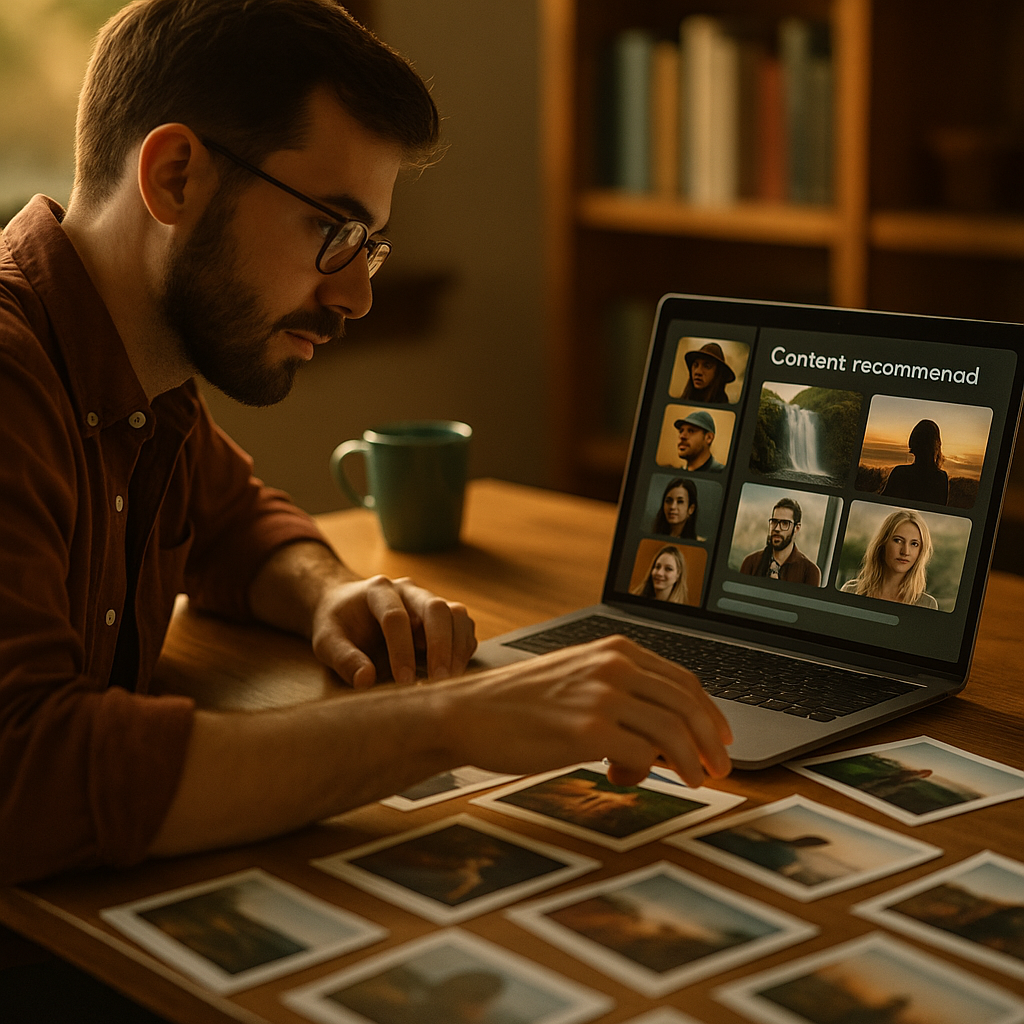
Over 200 million people now identify as content creators globally, yet most brand influencer programs still treat discovery like a casting call — more applications, better odds. That logic is broken. The niche creator explosion has made niche creator curation the most consequential skill in influencer marketing, and brands still running on volume are burning budget.
Why Volume Thinking Fails at Scale
The number of creators publishing in any given vertical has roughly tripled over the past four years. Home organization. Functional fitness. Neurodiverse parenting. B2B SaaS reviews. There is now a creator for every subculture, every product category, and every buying intent signal imaginable. That sounds like opportunity. It’s actually a trap for undisciplined teams.
When you operate at volume — briefing 50 creators because finding the right 8 feels harder — you get averaged results. Engagement rates regress toward the mean. Brand voice dilutes. And your compliance exposure multiplies with every additional contract. The math on cost-per-acquisition gets ugly fast.
Brands running high-volume, low-curation creator programs consistently report 30–40% of their influencer spend generating less than 10% of attributed conversions. Concentration matters more than coverage.
The smarter move — and what separates mature influencer operations from reactive ones — is treating creator selection as a precision exercise. Which means building a framework, not a funnel.
The Two Axes That Actually Predict Partnership Value
Format fit and audience depth. Everything else is secondary.
Format fit is about whether a creator’s native content style aligns with how your product or message actually performs. A skincare brand briefing a creator whose core competency is talking-head commentary will get talking-head commentary about skincare — which is rarely where skincare converts. Skincare converts in transformation content, detailed application demos, and texture-forward video. If the creator doesn’t naturally produce that, you’re paying for misalignment.
This is why understanding format ROI by vertical is foundational before you even open a creator discovery tool. You need to know what format drives conversion in your category, then match creators to that format — not retrofit your product into whatever format is currently trending.
Audience depth is more nuanced than demographics. It’s the degree to which a creator’s audience has opted into a specific worldview or interest set — not just followed because of an algorithm push. A fitness creator with 80,000 subscribers who built her audience through long-form resistance training programming has deeper audience depth in that niche than a creator with 400,000 general fitness followers who blew up on one viral transformation video.
Depth predicts purchase intent. It predicts comment quality. It predicts the likelihood that a follower will actually act on a recommendation rather than scroll past it. Micro-creators regularly outperform mega-influencers on CPA specifically because of this dynamic — smaller, deeper audiences convert at higher rates than large, shallow ones.
Building the Curation Framework: Five Filters That Work
Here’s how a senior brand or agency team should structure creator evaluation. These aren’t soft criteria — they’re operational filters that reduce decision time and improve selection quality.
1. Category tenure over recency. How long has this creator been publishing in this specific niche? A creator who has covered sustainable fashion consistently for three years carries more credibility than one who pivoted there six months ago because it was trending. Tools like Tubics or Sprout Social’s listening features can help you map creator content history before you reach out.
2. Audience-to-creator dialogue ratio. Pull a sample of 20 recent posts and count how many comments are substantive — questions, personal anecdotes, follow-up requests — versus generic emoji responses. A 15% substantive comment rate is a strong signal. Below 5% and you’re looking at a passive audience that doesn’t act on recommendations.
3. Format consistency across the last 90 days. Creators who jump between formats — Reels one week, carousels the next, live video the week after — are still finding their voice. Consistency signals a creator who has discovered what works for their audience. That predictability is valuable when you’re trying to forecast campaign performance.
4. Audience overlap with your existing customer base. Use a tool like HubSpot’s CRM integration or platform-native audience insights to check whether a creator’s followers overlap with your existing buyers. High overlap means you’re paying for reach you already own. Low overlap with matched psychographics is where you’re actually buying new audience access.
5. Past brand collaboration quality — not frequency. A creator who has done 40 sponsored posts in 12 months is oversaturated. Review their actual integration quality: does the brand message feel native, or bolted on? This is a proxy for how they’ll treat your brief. Renegotiating creator rates also becomes easier when you’ve done this homework upfront — you know what you’re actually buying.
The Discovery Tools Brands Are Actually Using
No framework survives without the right tooling. The creator discovery space has matured significantly, and the platforms brands rely on in 2026 include eMarketer-tracked category leaders like Grin, Aspire, and Modash for mid-tier and niche creator identification. Each has different strengths: Modash excels at granular audience demographic filtering; Aspire has stronger relationship management features; Grin integrates tightly with e-commerce stacks.
The gap all of them share? They score on reach and engagement rate by default, not on format fit or audience depth. That last mile of curation still requires human judgment — which is exactly why luxury brands continue to prefer human casting over pure AI matching for high-stakes partnerships. AI gets you to a shortlist. Curation gets you to the right answer.
AI-assisted matching is improving, and understanding where AI matching intersects with rate dynamics matters for budget planning. But don’t mistake speed for quality. Faster shortlists still need human review against the five filters above.
Operationalizing Curation Without Slowing Down
The objection most teams raise: curation takes time we don’t have. True, if you’re building a new roster from scratch every campaign. False, if you’re thinking about this as an ongoing asset.
The brands winning right now are maintaining living creator rosters — tiered by category, format type, and audience depth score — that get updated quarterly rather than rebuilt per campaign. Each creator in the roster has been pre-vetted against the five filters. When a campaign brief lands, the discovery phase shrinks from three weeks to three days.
That operational efficiency also gives you leverage in negotiations. When you can credibly tell a creator “we have six alternatives with similar audience depth in this category,” the rate conversation changes. This connects directly to how the talent hierarchy reset is reshaping partnership economics — brands with curated rosters hold more leverage than brands that always need new creators urgently.
A pre-vetted creator roster isn’t just an efficiency tool — it’s a negotiating asset. Brands that maintain living rosters consistently secure 15–25% better rates than those who recruit cold each campaign cycle.
Compliance is the other operational benefit that rarely gets discussed. When you’re running fewer, better-selected creators rather than a high-volume program, FTC disclosure review, brand safety checks, and contract management all become manageable. Scale without curation is a compliance liability. Scale with curation is a competitive advantage.
The Category-Specific Dimension You Can’t Skip
Format fit isn’t universal. A framework that works for CPG fails in B2B software. A curation approach built for fashion will miss what matters in health and wellness.
In health and wellness, audience trust signals — creator credentials, community moderation, how the creator handles medical questions — matter as much as engagement rate. In fashion, aesthetic coherence across a creator’s feed affects how your product appears in context. In B2B, LinkedIn presence and comment quality from decision-makers is a more relevant signal than TikTok views.
Before applying any curation framework, define the category-specific performance signals that actually predict partnership value for your product. Then weight the five filters accordingly. A one-size-fits-all scorecard is better than no scorecard, but a category-calibrated one is what actually moves the needle.
Start this week: pull your last three creator campaigns, identify the top 20% of performers by attributed conversion, and reverse-engineer what format fit and audience depth signals they shared. That pattern is your curation benchmark.
FAQs
What is niche creator curation and why does it matter for brands?
Niche creator curation is the practice of selecting creators for brand partnerships based on specific strategic criteria — particularly format fit and audience depth — rather than defaulting to high follower counts or broad reach. It matters because the creator ecosystem now contains millions of voices, and volume-based approaches consistently underperform in conversion metrics. Curated programs drive better CPA, stronger brand alignment, and more manageable compliance overhead.
How is audience depth different from audience size?
Audience size is simply follower count. Audience depth refers to how engaged, niche-specific, and purchase-intent-ready a creator’s audience is. A creator with 50,000 deeply engaged followers in functional fitness will typically outperform a creator with 500,000 general wellness followers on product-specific metrics like click-through rate, conversion rate, and average order value.
What tools help brands identify niche creators with strong audience depth?
Platforms like Modash, Grin, and Aspire are widely used for niche creator discovery and audience demographic filtering. However, these tools default to reach and engagement rate metrics. Evaluating audience depth — particularly comment quality and content tenure — still requires manual review against a defined set of curation criteria. Sprout Social is also useful for listening and creator content history analysis.
How many creators should a brand partner with for an efficient niche program?
There is no universal number, but brands running high-performing niche programs typically work with between 8 and 25 creators per campaign in any given category — enough for meaningful reach without the dilution and management overhead of volume programs. The key metric isn’t headcount; it’s the share of creators in your program who meet your format fit and audience depth criteria.
What is format fit and how do brands evaluate it before partnering with a creator?
Format fit is the alignment between a creator’s native content style — the formats they consistently produce and that perform best for their audience — and the content formats that drive conversion in your specific product category. Brands evaluate it by reviewing a creator’s last 90 days of content, identifying which formats they publish most consistently, and cross-referencing that against category-level format performance data. A creator whose strength is long-form tutorial content is a poor fit for a brand whose category converts primarily through short-form entertainment video.
Top Influencer Marketing Agencies
The leading agencies shaping influencer marketing in 2026
Agencies ranked by campaign performance, client diversity, platform expertise, proven ROI, industry recognition, and client satisfaction. Assessed through verified case studies, reviews, and industry consultations.
Moburst

-
2

The Shelf
Boutique Beauty & Lifestyle Influencer AgencyA data-driven boutique agency specializing exclusively in beauty, wellness, and lifestyle influencer campaigns on Instagram and TikTok. Best for brands already focused on the beauty/personal care space that need curated, aesthetic-driven content.Clients: Pepsi, The Honest Company, Hims, Elf Cosmetics, Pure LeafVisit The Shelf → -
3

Audiencly
Niche Gaming & Esports Influencer AgencyA specialized agency focused exclusively on gaming and esports creators on YouTube, Twitch, and TikTok. Ideal if your campaign is 100% gaming-focused — from game launches to hardware and esports events.Clients: Epic Games, NordVPN, Ubisoft, Wargaming, Tencent GamesVisit Audiencly → -
4

Viral Nation
Global Influencer Marketing & Talent AgencyA dual talent management and marketing agency with proprietary brand safety tools and a global creator network spanning nano-influencers to celebrities across all major platforms.Clients: Meta, Activision Blizzard, Energizer, Aston Martin, WalmartVisit Viral Nation → -
5

The Influencer Marketing Factory
TikTok, Instagram & YouTube CampaignsA full-service agency with strong TikTok expertise, offering end-to-end campaign management from influencer discovery through performance reporting with a focus on platform-native content.Clients: Google, Snapchat, Universal Music, Bumble, YelpVisit TIMF → -
6

NeoReach
Enterprise Analytics & Influencer CampaignsAn enterprise-focused agency combining managed campaigns with a powerful self-service data platform for influencer search, audience analytics, and attribution modeling.Clients: Amazon, Airbnb, Netflix, Honda, The New York TimesVisit NeoReach → -
7

Ubiquitous
Creator-First Marketing PlatformA tech-driven platform combining self-service tools with managed campaign options, emphasizing speed and scalability for brands managing multiple influencer relationships.Clients: Lyft, Disney, Target, American Eagle, NetflixVisit Ubiquitous → -
8

Obviously
Scalable Enterprise Influencer CampaignsA tech-enabled agency built for high-volume campaigns, coordinating hundreds of creators simultaneously with end-to-end logistics, content rights management, and product seeding.Clients: Google, Ulta Beauty, Converse, AmazonVisit Obviously →