


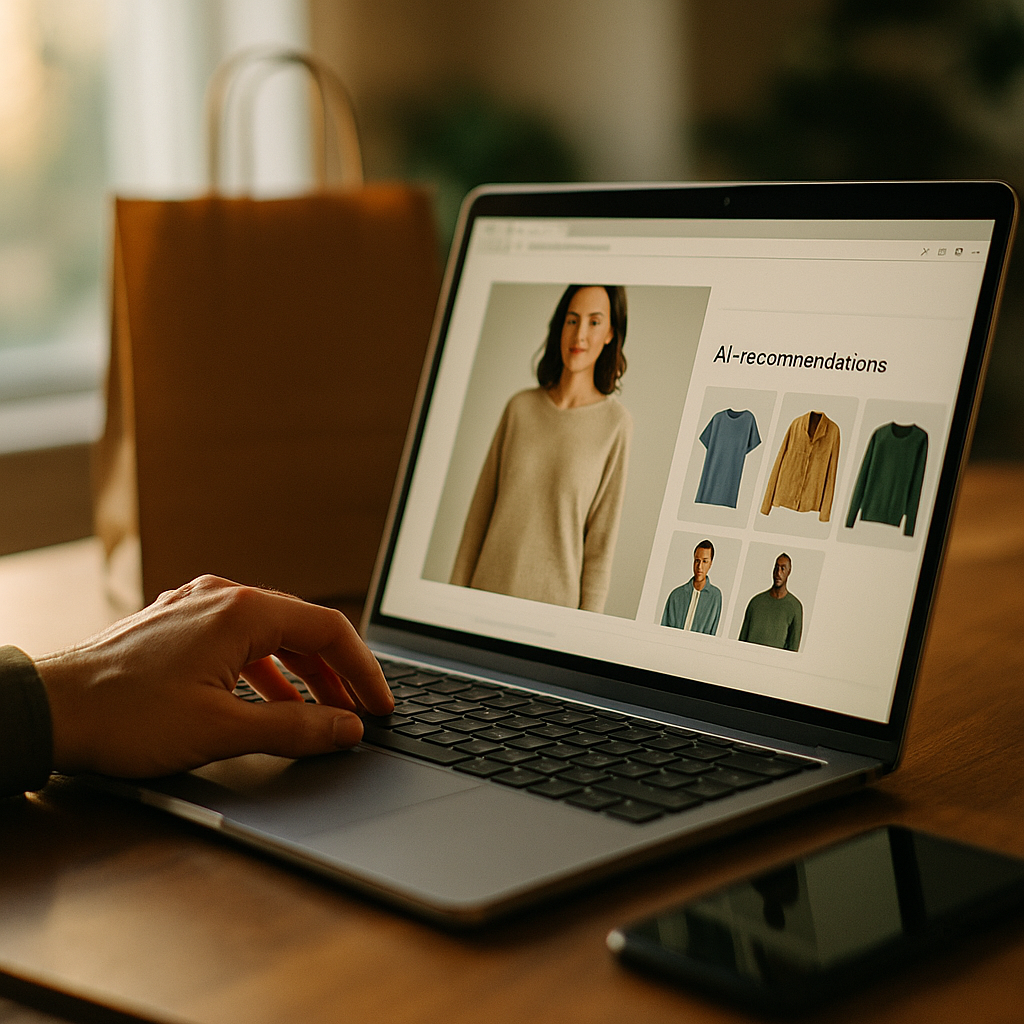
Using AI to analyze and optimize your e-commerce product recommendations can unlock new growth opportunities, improve sales conversions, and provide more meaningful customer experiences. With shoppers expecting tailored experiences in 2025, discovering how AI supercharges recommendation systems is critical to gaining a competitive edge. Dive in to learn how AI transforms your e-commerce strategy today.
How Machine Learning Powers Product Recommendation Systems
Machine learning is the backbone of modern e-commerce recommendation engines. These intelligent algorithms learn from vast datasets—including browsing habits, purchase history, user preferences, and even contextual cues. By recognizing patterns in customer behavior, machine learning models suggest products that are both relevant and personalized, dramatically enhancing the shopping experience.
Key techniques behind AI-powered recommendations in 2025:
- Collaborative Filtering: Analyzes user interactions to identify similarities and make group-based recommendations.
- Content-Based Filtering: Recommends products based on attributes and descriptions aligned with customer interests.
- Deep Learning Models: Use neural networks to understand complex, non-linear relationships among products and shoppers.
- Reinforcement Learning: Continuously optimizes recommendations based on real-time feedback and actions.
These approaches allow retailers to move beyond basic cross-sell and upsell tactics, instead delivering true one-to-one personalization.
Benefits of AI-Driven E-commerce Recommendation Engines
Integrating AI-powered product recommendations into your e-commerce platform offers far-reaching benefits. In 2025, businesses leveraging AI have reported:
- Increased Conversion Rates: Personalized recommendations can lift conversion rates by 15-30%, according to studies from leading e-commerce platforms.
- Higher Average Order Value (AOV): AI suggests relevant complementary products, encouraging larger cart sizes.
- Enhanced Customer Retention: Shoppers who receive targeted suggestions are more likely to return, fostering loyalty and repeat sales.
- Reduced Product Returns: Better product matching leads to fewer returns, saving logistics costs and improving satisfaction.
- Efficient Inventory Management: AI helps spotlight slow-moving products for more strategic recommendations.
With these outcomes, AI-driven engines give retailers measurable ROI while delivering value at every stage of the customer journey.
Implementing AI Product Recommendation Tools for Your Store
Introducing AI into your e-commerce recommendation process can seem daunting, but a stepwise plan streamlines execution. Here’s how to accelerate your transformation with trusted AI solutions:
- Audit Your Data: Review current data sources (customer profiles, session histories, product data) to ensure completeness and quality.
- Select an AI Platform: Choose solutions proven for e-commerce, such as Google Recommendations AI, Amazon Personalize, or open-source alternatives like TensorFlow Recommenders.
- Integration: Collaborate with IT to integrate AI APIs with your store’s back end, CMS, and analytics systems.
- Training and Testing: Use your historical data to train models, conducting A/B testing to compare against legacy systems.
- Deploy and Monitor: Launch live, then monitor performance metrics closely—adjusting models and strategies as needed for continuous improvement.
Remember: Involve your marketing and product teams early to align AI recommendations with your specific goals and customer segments.
Personalization Strategies Enhanced by AI Analysis
Precision targeting is the hallmark of effective recommendation engines in 2025. AI makes possible granular personalization strategies that were previously too complex or resource-intensive:
- Real-Time Behavioral Targeting: Instantly adjusts product suggestions based on what users are browsing, even across devices.
- Segmentation by Lifecycle Stage: New vs. repeat customers see different recommendations, tailored to likely intent.
- Contextual Personalization: AI incorporates factors like time of day, location, and current trends to improve relevancy.
- Predictive Recommendations: Machine learning anticipates purchases before customers explicitly search for them, driving proactive engagement.
- Post-Purchase Upsell and Cross-Sell: Suggests accessories, refills, and bundles based on previous checkouts, boosting long-term value per customer.
These strategies not only raise revenue but also create seamless, memorable journeys that stand out amid fierce online competition.
Measuring Success: Analytics and Optimization of AI Recommendations
Analysis is crucial for maximizing the impact of AI-driven recommendations. Transparent, actionable metrics provide insights into what’s working and uncover opportunities for refinement.
Top performance metrics to track include:
- Click-Through Rate (CTR): Measures how often users interact with recommended products.
- Conversion Rate: Tracks the percentage of recommendation-driven clicks that result in purchases.
- Average Order Value (AOV): Assesses whether personalized upsells or cross-sells increase revenue.
- Customer Lifetime Value (CLV): Evaluates the long-term impact of recommendations on shopper retention and loyalty.
- Return Rate: Monitors whether AI is accurately matching customers to products that meet their needs.
Regular A/B testing, user feedback collection, and ongoing model retraining ensure your AI recommendation strategy evolves with customer behavior and business objectives.
Ethical Considerations and Data Privacy in AI Recommendations
With customers rightly concerned about data privacy in 2025, maintaining ethical AI practices is non-negotiable for e-commerce brands. Apply these principles to build trust and regulatory compliance:
- Data Minimization: Collect only information essential for personalization and protect it with strong cybersecurity measures.
- Transparency: Clearly communicate what data is being used for recommendations and allow users to manage preferences.
- Bias Mitigation: Routinely audit algorithms for unintended biases that could impact recommendations or customer experience.
- Compliance: Follow global regulations (like GDPR, CCPA, and evolving regional laws) in how AI processes and stores data.
Ethical AI not only prevents legal and reputational risk but also enhances customer loyalty through responsible innovation.
Conclusion: The Future of AI in Product Recommendations
In 2025, using AI to analyze and optimize your e-commerce product recommendations is more than a nice-to-have—it’s a driver of sustainable competitive advantage. By leveraging machine learning and personalization best practices, you deliver tailored experiences, boost sales, and foster lasting loyalty. Now is the time to make data-driven recommendations central to your e-commerce growth strategy.
FAQs About AI and E-commerce Product Recommendations
-
How does AI improve e-commerce product recommendations?
AI analyzes customer behavior, preferences, and purchasing patterns to deliver more relevant, highly personalized product suggestions—leading to greater engagement and higher sales conversions.
-
What metrics should I use to measure AI recommendation success?
Track click-through rate, conversion rate, average order value, customer lifetime value, and return rate to gauge the performance of your AI-driven recommendation engine.
-
Is customer privacy at risk with AI-powered recommendations?
No—if best practices are followed. Use transparent data policies, anonymize information, respect user consent, and comply with global regulations to maintain privacy and trust.
-
Can small e-commerce brands implement AI recommendations?
Absolutely. Cloud-based AI tools and open-source platforms make advanced recommendations accessible for businesses of all sizes, with scalable cost structures and easy integration options.
-
How often should AI algorithms be retrained?
Retrain your models regularly—at least quarterly or whenever you see significant changes in customer behavior or product lines—to ensure recommendations remain accurate and effective.
Top Influencer Marketing Agencies
The leading agencies shaping influencer marketing in 2026
Agencies ranked by campaign performance, client diversity, platform expertise, proven ROI, industry recognition, and client satisfaction. Assessed through verified case studies, reviews, and industry consultations.
Moburst

-
2

The Shelf
Boutique Beauty & Lifestyle Influencer AgencyA data-driven boutique agency specializing exclusively in beauty, wellness, and lifestyle influencer campaigns on Instagram and TikTok. Best for brands already focused on the beauty/personal care space that need curated, aesthetic-driven content.Clients: Pepsi, The Honest Company, Hims, Elf Cosmetics, Pure LeafVisit The Shelf → -
3

Audiencly
Niche Gaming & Esports Influencer AgencyA specialized agency focused exclusively on gaming and esports creators on YouTube, Twitch, and TikTok. Ideal if your campaign is 100% gaming-focused — from game launches to hardware and esports events.Clients: Epic Games, NordVPN, Ubisoft, Wargaming, Tencent GamesVisit Audiencly → -
4

Viral Nation
Global Influencer Marketing & Talent AgencyA dual talent management and marketing agency with proprietary brand safety tools and a global creator network spanning nano-influencers to celebrities across all major platforms.Clients: Meta, Activision Blizzard, Energizer, Aston Martin, WalmartVisit Viral Nation → -
5

The Influencer Marketing Factory
TikTok, Instagram & YouTube CampaignsA full-service agency with strong TikTok expertise, offering end-to-end campaign management from influencer discovery through performance reporting with a focus on platform-native content.Clients: Google, Snapchat, Universal Music, Bumble, YelpVisit TIMF → -
6

NeoReach
Enterprise Analytics & Influencer CampaignsAn enterprise-focused agency combining managed campaigns with a powerful self-service data platform for influencer search, audience analytics, and attribution modeling.Clients: Amazon, Airbnb, Netflix, Honda, The New York TimesVisit NeoReach → -
7

Ubiquitous
Creator-First Marketing PlatformA tech-driven platform combining self-service tools with managed campaign options, emphasizing speed and scalability for brands managing multiple influencer relationships.Clients: Lyft, Disney, Target, American Eagle, NetflixVisit Ubiquitous → -
8

Obviously
Scalable Enterprise Influencer CampaignsA tech-enabled agency built for high-volume campaigns, coordinating hundreds of creators simultaneously with end-to-end logistics, content rights management, and product seeding.Clients: Google, Ulta Beauty, Converse, AmazonVisit Obviously →