


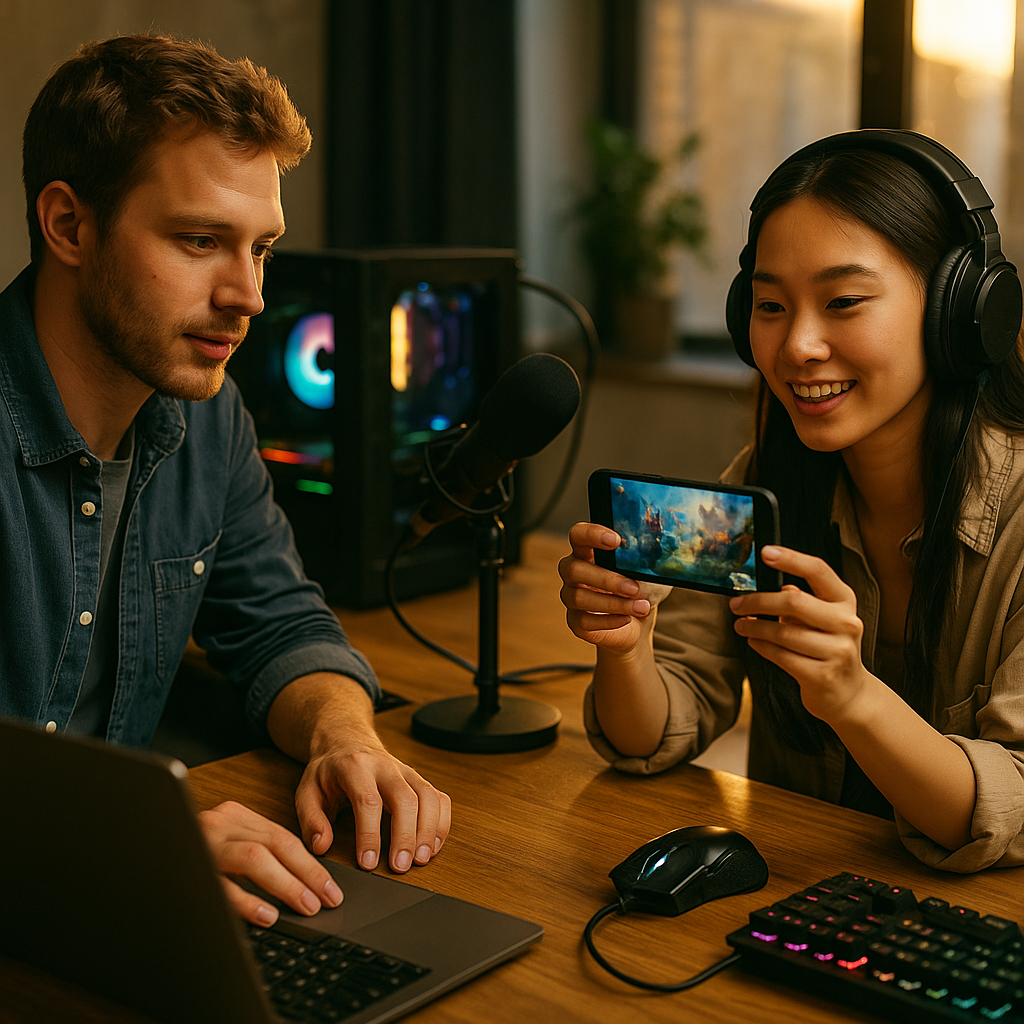
Riot Games reportedly works with creator networks spanning more than 30 markets for a single title launch. Most mid-size studios can’t match that infrastructure, and they don’t try. They wing it, market by market, until the budget leaks and nobody can explain why. Overseas KOL operations isn’t a nice-to-have for gaming brands scaling into new regions anymore. It’s the difference between a launch that compounds and one that evaporates after week two.
Gaming is arguably the hardest vertical to run global creator programs in. You’ve got fragmented platforms (Discord in the West, Bilibili and Douyin in China, LINE in Japan), regulatory landmines around loot boxes and gambling-adjacent mechanics, and creator communities that smell inauthenticity from a mile away. Building a function that actually scales requires more than hiring a few regional managers and hoping for the best.
Why Most Overseas KOL Programs Collapse by Month Six
The pattern is depressingly consistent. A studio launches in Southeast Asia, hires a local agency, throws budget at the top ten streamers on Facebook Gaming or YouTube, and gets a spike. Then engagement craters. Nobody on the internal team can read the local comments. Nobody knows if the “10 million views” campaign report is inflated. Sound familiar?
The root cause is almost never creative quality. It’s structural. Teams treat overseas KOL work as a series of one-off campaigns instead of a system with owners, processes, and feedback loops. Compare that to how regional expansion playbooks work in commerce categories — there’s a tiering logic, a localization framework, and a compliance checkpoint at every stage. Gaming brands rarely apply the same rigor to influencer ops, even though the stakes (player LTV, regulatory exposure, community trust) are just as high.
A KOL program without a repeatable operating structure isn’t a growth channel — it’s a recurring expense with no institutional memory.
The Three-Layer Structure That Actually Scales
Every functional overseas KOL operation I’ve studied — whether inside a publisher like miHoYo’s parent Cognosphere or a mid-tier mobile studio — runs on some version of a three-layer model. Skip a layer and the whole thing wobbles.
- Central strategy layer: Sets brand voice, budget allocation logic, KPI frameworks, and compliance guardrails. This team never talks directly to creators. Its job is consistency across markets.
- Regional operations layer: Native-language managers who own creator relationships, negotiate rates, and translate central strategy into locally credible briefs. This is where cultural fluency actually lives.
- Execution and measurement layer: Handles contracting, payment rails, content tracking, and reporting rollups back to central. Often the weakest link because studios underinvest in tooling here.
Here’s the uncomfortable truth: most gaming companies build layer two well and skip layers one and three entirely. They hire a sharp regional lead in Korea or Brazil, give them a budget, and let them run wild. It works — until you try to compare ROI across five markets and realize every region measured success differently.
Centralize Strategy, Decentralize Execution
This is the single rule that separates programs that scale from programs that plateau. Centralize the “why” and “how much.” Decentralize the “who” and “what content.” A regional lead in Indonesia understands which Mobile Legends streamers actually move installs far better than anyone in a Los Angeles headquarters ever will. But that same regional lead shouldn’t be deciding, in isolation, whether the brand pays creators via flat fee, rev share, or hybrid CPM models across three different currencies with three different tax treatments.
Studios like Garena and Tencent-backed labels tend to run this hybrid well, largely because they’ve had a decade of live-service games forcing the discipline. Western indie and mid-cap studios entering Asia or LATAM for the first time usually haven’t built that muscle yet, and it shows in the reporting inconsistencies finance teams flag every quarter.
Vertical-Specific Complications: Gaming Isn’t Beauty or Fashion
Generic influencer marketing playbooks fall apart in gaming for a few specific reasons.
Platform fragmentation is extreme. A beauty brand can run a global strategy across Instagram and TikTok with regional tweaks. Gaming creators live across Twitch, YouTube Gaming, Discord, Bilibili, Douyin, AfreecaTV, and increasingly Kick, depending on market. Your central strategy layer needs a platform-by-region matrix, not a single playbook.
Regulatory exposure is higher. Loot box disclosure rules differ by country. Belgium and the Netherlands have historically treated certain mechanics as gambling. China requires specific approval processes for game promotion content. The FTC’s endorsement guidelines already require clear material connection disclosures in the US; layer on region-specific gambling and advertising law and your compliance layer becomes a full-time function, not a checkbox.
Community trust is fragile and long-cycle. Gaming audiences remember which creators shilled a broken game. A single botched sponsored stream can tank a creator’s credibility with their own community for months. That risk transfers directly to your brand.
In gaming, the creator’s community owns the trust — your brand is just borrowing it, temporarily, and can lose access fast.
Building the Team: Who You Actually Need
Forget the org chart templates from generic marketing agencies. An overseas KOL function for gaming needs specific roles that don’t map cleanly onto standard influencer marketing headcount.
- Regional KOL managers with native language fluency and, ideally, personal gaming community credibility. Someone who’s spent years in Discord servers understands nuance no dashboard will show you.
- A compliance liaison per region cluster (APAC, EMEA, LATAM) who tracks local advertising and gambling regulation changes.
- A data/reporting lead who standardizes KPIs across markets so leadership can actually compare a Twitch campaign in Germany to a Douyin campaign in China.
- A localization producer who adapts briefs, brand assets, and messaging without losing the core creative idea in translation. Not literal translation — cultural translation.
Notice what’s missing: a single “global head of influencer” who tries to run all of this personally. That role exists, but their job is orchestration, not operational ownership of every region. Studios that centralize too much decision-making in one person create bottlenecks that regional teams route around, quietly, which is how shadow processes and off-book creator deals start happening.
Tooling and Measurement: The Part Everyone Underbuilds
Ask five gaming marketers how they measure overseas KOL ROI and you’ll get five different answers, usually a mix of views, installs, and vibes. That’s not measurement, that’s guesswork with a dashboard attached.
A functional measurement stack needs three things: unified creator databases (so you’re not paying five different rates for the same streamer across regional teams), consistent attribution windows tied to install or purchase events, and standardized reporting templates that regional managers actually fill out honestly. Platforms like affiliate and creator marketplace tools used in commerce — similar in spirit to how real-time commission tracking works for product-based brands — are increasingly being adapted for gaming install attribution, though the tooling is younger and less mature than in e-commerce.
According to eMarketer research on creator economy spend, brands that centralize measurement report significantly higher confidence in influencer ROI than those running fragmented regional tracking. Gaming studios lag other verticals here, largely because live-service revenue models make attribution genuinely harder — a player might see a creator video in March and convert during a seasonal event in July.
Contracting and Payments Across Currencies
This sounds boring until it breaks your program. Paying a Vietnamese streamer in USD via a payment processor that charges 4% in conversion fees, on top of a contract written in English legal terms nobody local reviewed, creates friction that shows up as churn. Build payment rails per region cluster, not per creator. Use local legal review for contracts, even boilerplate ones. It’s slower upfront. It saves you from disputes later, and disputes in gaming creator communities go public fast.
What Good Looks Like: A Practical Framework
If you’re starting from scratch, here’s a sequencing that avoids the most common failure points:
- Map your priority markets and their dominant platforms before hiring anyone. APAC gaming creator ecosystems look nothing like LATAM’s.
- Hire regional leads before central strategists, but give central strategy sign-off on budget frameworks within the first 90 days.
- Build a compliance checklist per region before your first campaign goes live, not after a regulator flags something.
- Standardize a single reporting template across all regions from day one. Retrofitting reporting consistency after six months of fragmented data is nearly impossible.
- Run a small pilot (3-5 creators) per new market before scaling budget. Treat it like a beta test, because that’s exactly what it is.
Studios that skip the pilot step tend to overcommit budget to a region based on a single viral moment, then get burned when it doesn’t replicate. Sound familiar to anyone who’s watched a discovery-over-reach approach reshape briefing logic in other verticals? Same principle applies here — early signal isn’t proof of scalable demand.
For teams managing creator relationships at scale, tools referenced in Sprout Social’s influencer management resources offer a decent starting framework for cross-market workflow, even though most were built with commerce and lifestyle brands in mind rather than gaming specifically.
FAQs
Frequently Asked Questions
What is an overseas KOL operations function in gaming marketing?
It’s the organizational structure — people, processes, and tooling — that a gaming brand builds to manage creator (KOL) relationships across multiple international markets consistently, rather than running ad hoc regional campaigns independently.
How many people do you need to run a global gaming KOL program?
It depends on market count, but a functional baseline is one regional manager per priority market cluster, a shared compliance liaison per region group, and one central strategy/reporting lead. Smaller studios often start with two to three people covering multiple functions before scaling.
What’s the biggest compliance risk in overseas gaming influencer campaigns?
Regulatory treatment of loot boxes and gambling-adjacent mechanics varies significantly by country, and disclosure requirements for sponsored content differ too. A campaign compliant in the US may violate advertising rules in Belgium, the Netherlands, or parts of Asia.
Should gaming brands centralize or decentralize creator relationships?
Centralize strategy, budget frameworks, and reporting standards. Decentralize creator selection, negotiation, and content briefing to regional teams who understand local platform dynamics and community trust.
How do you measure ROI across fragmented gaming platforms like Discord, Twitch, and Bilibili?
Standardize attribution windows and KPI definitions centrally, even if the platforms differ. Track install or engagement events consistently across regions so leadership can compare campaigns on equal terms rather than platform-native vanity metrics.
Building this function isn’t glamorous work, and it won’t produce a viral case study in month one. But studios that invest in the structure now will be the ones still scaling confidently into new markets while competitors are still explaining budget leakage to finance. Start with one region, build the three-layer structure properly, then replicate.
Frequently Asked Questions
What is an overseas KOL operations function in gaming marketing?
It’s the organizational structure — people, processes, and tooling — that a gaming brand builds to manage creator (KOL) relationships across multiple international markets consistently, rather than running ad hoc regional campaigns independently.
How many people do you need to run a global gaming KOL program?
It depends on market count, but a functional baseline is one regional manager per priority market cluster, a shared compliance liaison per region group, and one central strategy/reporting lead. Smaller studios often start with two to three people covering multiple functions before scaling.
What’s the biggest compliance risk in overseas gaming influencer campaigns?
Regulatory treatment of loot boxes and gambling-adjacent mechanics varies significantly by country, and disclosure requirements for sponsored content differ too. A campaign compliant in the US may violate advertising rules in Belgium, the Netherlands, or parts of Asia.
Should gaming brands centralize or decentralize creator relationships?
Centralize strategy, budget frameworks, and reporting standards. Decentralize creator selection, negotiation, and content briefing to regional teams who understand local platform dynamics and community trust.
How do you measure ROI across fragmented gaming platforms like Discord, Twitch, and Bilibili?
Standardize attribution windows and KPI definitions centrally, even if the platforms differ. Track install or engagement events consistently across regions so leadership can compare campaigns on equal terms rather than platform-native vanity metrics.
Top Influencer Marketing Agencies
The leading agencies shaping influencer marketing in 2026
Agencies ranked by campaign performance, client diversity, platform expertise, proven ROI, industry recognition, and client satisfaction. Assessed through verified case studies, reviews, and industry consultations.
Moburst

-
2

The Shelf
Boutique Beauty & Lifestyle Influencer AgencyA data-driven boutique agency specializing exclusively in beauty, wellness, and lifestyle influencer campaigns on Instagram and TikTok. Best for brands already focused on the beauty/personal care space that need curated, aesthetic-driven content.Clients: Pepsi, The Honest Company, Hims, Elf Cosmetics, Pure LeafVisit The Shelf → -
3

Audiencly
Niche Gaming & Esports Influencer AgencyA specialized agency focused exclusively on gaming and esports creators on YouTube, Twitch, and TikTok. Ideal if your campaign is 100% gaming-focused — from game launches to hardware and esports events.Clients: Epic Games, NordVPN, Ubisoft, Wargaming, Tencent GamesVisit Audiencly → -
4

Viral Nation
Global Influencer Marketing & Talent AgencyA dual talent management and marketing agency with proprietary brand safety tools and a global creator network spanning nano-influencers to celebrities across all major platforms.Clients: Meta, Activision Blizzard, Energizer, Aston Martin, WalmartVisit Viral Nation → -
5

The Influencer Marketing Factory
TikTok, Instagram & YouTube CampaignsA full-service agency with strong TikTok expertise, offering end-to-end campaign management from influencer discovery through performance reporting with a focus on platform-native content.Clients: Google, Snapchat, Universal Music, Bumble, YelpVisit TIMF → -
6

NeoReach
Enterprise Analytics & Influencer CampaignsAn enterprise-focused agency combining managed campaigns with a powerful self-service data platform for influencer search, audience analytics, and attribution modeling.Clients: Amazon, Airbnb, Netflix, Honda, The New York TimesVisit NeoReach → -
7

Ubiquitous
Creator-First Marketing PlatformA tech-driven platform combining self-service tools with managed campaign options, emphasizing speed and scalability for brands managing multiple influencer relationships.Clients: Lyft, Disney, Target, American Eagle, NetflixVisit Ubiquitous → -
8

Obviously
Scalable Enterprise Influencer CampaignsA tech-enabled agency built for high-volume campaigns, coordinating hundreds of creators simultaneously with end-to-end logistics, content rights management, and product seeding.Clients: Google, Ulta Beauty, Converse, AmazonVisit Obviously →