


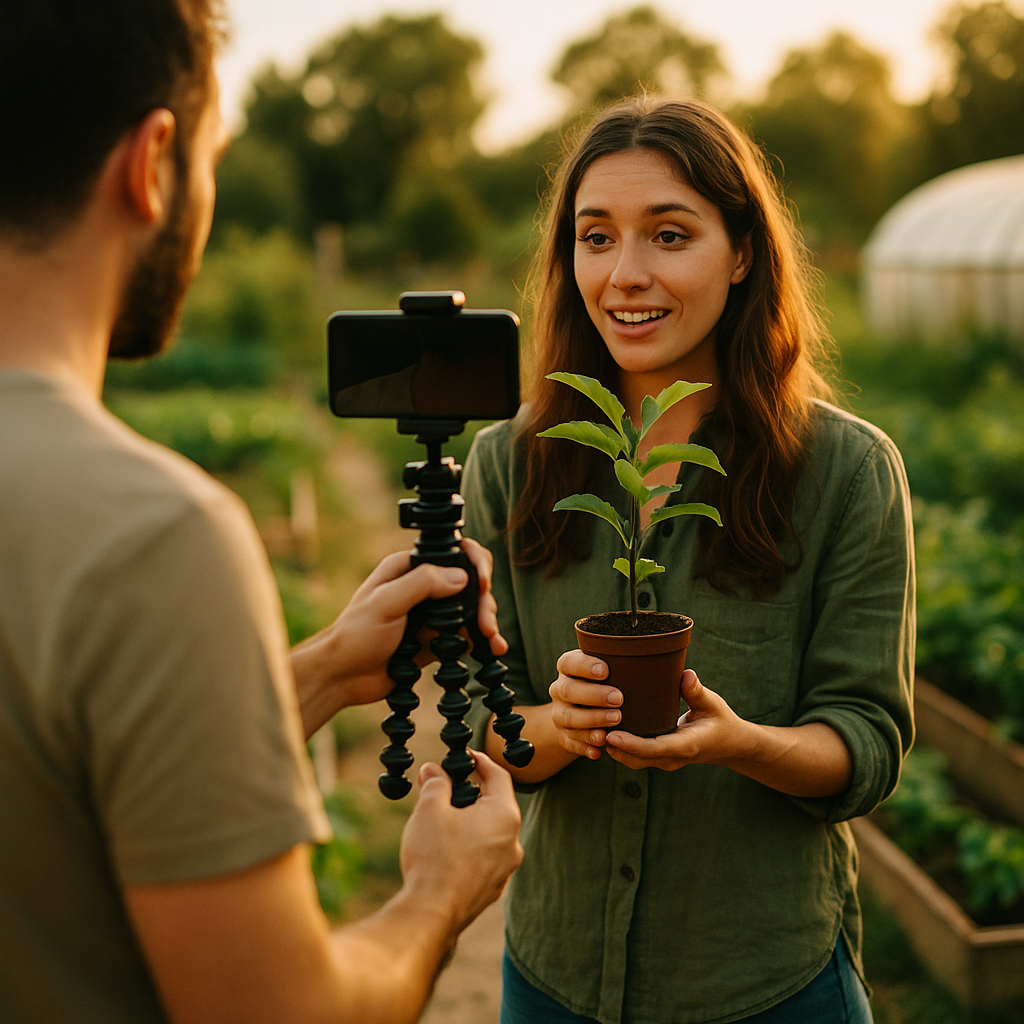
Sustainability influencers are reshaping authentic green marketing by connecting conscious brands with engaged audiences. As environmental awareness grows, businesses increasingly rely on these eco-advocates to communicate sincere eco-friendly initiatives. However, success hinges on authenticity and strategic partnerships. How do brands choose genuine allies, and what sets effective collaborations apart? Explore the dynamics of partnering with sustainability influencers for real, resonant impact.
Understanding Sustainability Influencers for Eco-Marketing Success
Sustainability influencers are online creators, activists, and thought leaders dedicated to promoting environmental responsibility, ethical products, and green lifestyles. With audiences ranging from thousands to millions, these influencers shape opinions and inspire action—especially among Gen Z and Millennials, who prioritize social and ecological accountability. According to a Statista study published in early 2025, over 67% of consumers trust influencer recommendations over traditional ads when considering sustainable products.
For brands, tapping into these trusted voices is a powerful eco-marketing strategy. Instead of generic advertisements, brands can communicate their sustainability message through storytellers who model low-waste living, carbon reduction, ethical fashion, and conscious consumption. The key is collaboration built on shared values, transparency, and mutual credibility.
Building Authentic Green Marketing Campaigns with Influencers
Authenticity remains the cornerstone of effective green marketing partnerships. Today’s digitally savvy consumers spot greenwashing quickly. Brands must collaborate with sustainability influencers who already live their messaging and openly advocate for verified green initiatives. Authentic content drives not just awareness, but action—be it adopting climate-friendly products, supporting upcycling, or advocating for renewable energy.
Successful campaigns often include:
- Co-creation: Allow influencers creative control to craft content in their voice, ensuring relevance and credibility.
- Transparency: Clearly disclose sponsorships and provide proof of brand sustainability claims via certifications, third-party audits, or carbon reporting.
- Education: Integrate environmental impact facts to inform audiences, deepening trust and advocacy.
- Ongoing partnerships: Move beyond one-off posts by building long-term relationships, turning influencers into ambassadors for continuing impact.
Brands can also work with influencers to support grassroots campaigns, amplify non-profit initiatives, or run community-based projects—boosting both brand social responsibility and public trust.
Selecting the Right Sustainability Influencer for Your Brand
Not all sustainability influencers are a good fit for every brand. Brands must evaluate alignment between their values, mission, and the influencer’s audience and expertise. Here’s how to select the right partner:
- Expertise: Does the influencer focus on topics relevant to your market (e.g., ethical fashion, zero waste, veganism)?
- Engagement rates: High follower counts don’t always translate to impact. Look for engaged comments, grassroots campaigns, and real discussion.
- Transparency records: Are sustainability claims well-documented? Do they avoid greenwashing?
- Demographic alignment: Does their audience match your brand’s target customer profile?
- Collaboration track record: Have prior partnerships resulted in meaningful change or advocacy?
Expert vetting helps avoid misalignments that can damage credibility. Many brands in 2025 employ sustainability consultants or use AI tools to verify influencer impact and audience authenticity before cooperation.
EEAT-Driven Strategies: Ensuring Credibility and Trust
Google’s EEAT (Experience, Expertise, Authoritativeness, and Trustworthiness) framework is essential for green marketing in 2025. Audiences, as well as search engines, value brands and influencers who can demonstrate real-life experience and subject mastery. Here are EEAT-aligned strategies for influencer partnerships:
- First-hand experience: Engage influencers who genuinely use and review your sustainable products.
- Transparent evidence: Share data, third-party certifications, or behind-the-scenes process insights.
- Collaborate with specialists: Work with influencers who have hands-on field experience, research backgrounds, or formal credentials in environmental science, policy, or advocacy.
- Cultivate open dialogue: Encourage influencers to address both successes and limitations of your sustainability initiatives, building authentic trust.
This approach ensures your green marketing isn’t just a trend, but a reliable source of insight for eco-conscious consumers.
Measuring the Impact of Sustainability Influencer Partnerships
Success in sustainability influencer marketing is measured not just by reach or likes, but by real environmental and brand impact. In 2025, brands use diverse metrics to assess effectiveness:
- Engagement quality: Track shares, saves, thoughtful comments, and discussions inspired by influencer content.
- Audience action: Monitor links clicked, petitions signed, items recycled or upcycled, or community event participation attributed to a campaign.
- Brand sentiment: Use social listening tools to analyze shifts in public perception, trust, and brand loyalty.
- Environmental outcomes: If possible, track measurable reductions in carbon emissions, waste, or plastic usage linked to a campaign.
Regular review enables brands to refine strategies, select more impactful collaborators, and amplify authenticity.
Best Practices and Emerging Trends in 2025 Green Marketing
The landscape for eco-marketing continues to evolve in 2025. Brands partnering with sustainability influencers should stay ahead of new developments:
- Decentralized platforms: Social channels like Mastodon and decentralized networks support niche, dedicated eco-communities beyond mainstream Instagram or TikTok.
- Interactive and immersive content: Video storytelling, AR/VR product showcases, and live Q&A sessions drive deeper engagement and environmental education.
- Verified eco-data: With increasing skepticism, sharing blockchain-verified environmental data enhances transparency and trust.
- Inclusivity: Representation matters—brands are broadening their influencer networks to include diverse voices from various backgrounds and geographies.
- Community-driven partnerships: Influencers are collaborating directly with followers on grassroots projects, making marketing a two-way conversation.
Innovative brands watch these trends to keep their green messaging credible, compelling, and future-proof.
FAQs About Sustainability Influencers and Green Marketing Partnerships
-
What is a sustainability influencer?
A sustainability influencer is a digital creator who educates, inspires, and advocates for eco-friendly lifestyles, ethical consumption, and positive environmental change through online content.
-
How do brands avoid greenwashing when partnering with influencers?
Brands should collaborate only with credible influencers, share transparent data, and ensure all eco-claims are supported with verifiable evidence, certifications, or third-party audits.
-
What are the benefits of partnering with sustainability influencers?
Benefits include increased trust, higher engagement rates, improved brand credibility, and real-world environmental impact through shared campaigns and initiatives.
-
How can I measure the success of a sustainability influencer campaign?
Track metrics like audience engagement, brand sentiment, product adoption, and any quantifiable environmental improvements resulting from the collaboration.
-
What makes a sustainability influencer credible?
Credibility is demonstrated through authentic lifestyles, transparent advocacy, evidence-backed green claims, and honest discussion of challenges and solutions.
Partnering with sustainability influencers enables brands to achieve impactful, authentic green marketing in 2025. By focusing on transparency, genuine alignment, and measurable outcomes, businesses can foster real change and resonate with today’s eco-conscious consumers. The future of green marketing depends on trust, collaboration, and continued innovation—start building your sustainable influence today.
Top Influencer Marketing Agencies
The leading agencies shaping influencer marketing in 2026
Agencies ranked by campaign performance, client diversity, platform expertise, proven ROI, industry recognition, and client satisfaction. Assessed through verified case studies, reviews, and industry consultations.
Moburst

-
2

The Shelf
Boutique Beauty & Lifestyle Influencer AgencyA data-driven boutique agency specializing exclusively in beauty, wellness, and lifestyle influencer campaigns on Instagram and TikTok. Best for brands already focused on the beauty/personal care space that need curated, aesthetic-driven content.Clients: Pepsi, The Honest Company, Hims, Elf Cosmetics, Pure LeafVisit The Shelf → -
3

Audiencly
Niche Gaming & Esports Influencer AgencyA specialized agency focused exclusively on gaming and esports creators on YouTube, Twitch, and TikTok. Ideal if your campaign is 100% gaming-focused — from game launches to hardware and esports events.Clients: Epic Games, NordVPN, Ubisoft, Wargaming, Tencent GamesVisit Audiencly → -
4

Viral Nation
Global Influencer Marketing & Talent AgencyA dual talent management and marketing agency with proprietary brand safety tools and a global creator network spanning nano-influencers to celebrities across all major platforms.Clients: Meta, Activision Blizzard, Energizer, Aston Martin, WalmartVisit Viral Nation → -
5

The Influencer Marketing Factory
TikTok, Instagram & YouTube CampaignsA full-service agency with strong TikTok expertise, offering end-to-end campaign management from influencer discovery through performance reporting with a focus on platform-native content.Clients: Google, Snapchat, Universal Music, Bumble, YelpVisit TIMF → -
6

NeoReach
Enterprise Analytics & Influencer CampaignsAn enterprise-focused agency combining managed campaigns with a powerful self-service data platform for influencer search, audience analytics, and attribution modeling.Clients: Amazon, Airbnb, Netflix, Honda, The New York TimesVisit NeoReach → -
7

Ubiquitous
Creator-First Marketing PlatformA tech-driven platform combining self-service tools with managed campaign options, emphasizing speed and scalability for brands managing multiple influencer relationships.Clients: Lyft, Disney, Target, American Eagle, NetflixVisit Ubiquitous → -
8

Obviously
Scalable Enterprise Influencer CampaignsA tech-enabled agency built for high-volume campaigns, coordinating hundreds of creators simultaneously with end-to-end logistics, content rights management, and product seeding.Clients: Google, Ulta Beauty, Converse, AmazonVisit Obviously →