


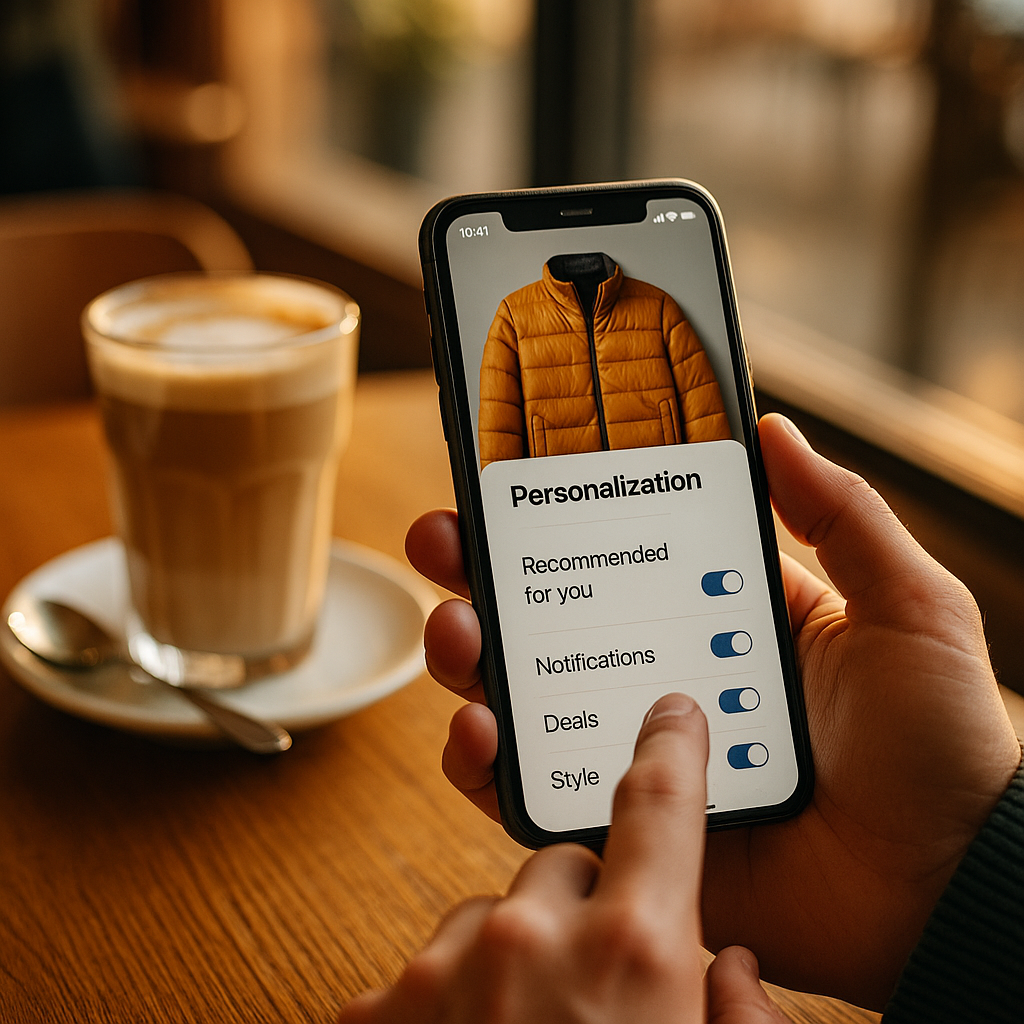
The future of brand loyalty is evolving rapidly as personalization takes center stage in consumer expectations. Brands are leveraging advanced technologies to deepen relationships and foster long-term commitment from their audiences. Explore how personalization is redefining customer engagement, the key strategies shaping loyalty programs, and what your business can do to thrive in this dynamic landscape.
The Evolution of Brand Loyalty in a Digital-First World
Brand loyalty has transformed from simple repeat purchases into a nuanced, multifaceted relationship between customer and brand. With the digital acceleration of 2025, consumers are more informed, connected, and empowered than ever before. Loyalty now hinges on a company’s ability to anticipate needs, deliver exclusive experiences, and respond uniquely to each individual.
Insights from a 2024 Deloitte report indicate that 72% of customers expect brands to recognize them as individuals and know their interests. This shift makes one-size-fits-all approaches obsolete. Brands that embrace digital tools and collect valuable data can seamlessly move from transactional loyalty to genuine emotional connection.
Personalization: The Catalyst for Deeper Customer Engagement
The personalization trend is no longer optional—it’s an imperative. Customers expect every touchpoint, from emails to apps, to reflect their preferences. According to a 2025 eMarketer study, brands that invest in personalization see a 15% increase in customer retention rates. This success comes from tailored recommendations, custom offers, and relevant communication.
Leading companies use data-driven insights to understand purchasing behaviors, preferred channels, and lifestyle details. Artificial intelligence (AI) enables real-time adaptation: for example, an online retailer might adjust homepage content or product recommendations based on a visitor’s browsing history and demographic profile, driving greater engagement and satisfaction.
Loyalty Programs: Moving Beyond Points to Experiences
Loyalty programs are evolving swiftly in 2025, shifting their focus from mere accumulation of points or rewards to the delivery of meaningful, personalized experiences. Instead of generic discounts, successful brands grant members early access to new products, curated content, and VIP events tailored to personal interests.
For instance, Starbucks’ current loyalty app integrates real-time offers and product suggestions based on individual customer behavior. Other brands employ gamification, interactive quizzes, or exclusive digital assets that resonate with their core audience. Personalization ensures that each customer’s journey feels unique and valued, driving emotional satisfaction and deeper allegiance.
The Role of Data Privacy in Personalized Loyalty Strategies
While personalization enhances loyalty, it also raises critical questions around data privacy and consumer trust. In 2025, brands must strike a careful balance—leveraging customer data responsibly while ensuring transparency. A PwC survey revealed that 62% of consumers will switch brands if they feel their data isn’t handled appropriately.
To build trust, companies are adopting robust compliance practices and ethical data collection policies. Informing customers about how their data will be used for personalization and providing easy-to-navigate privacy controls is now essential. Businesses that proactively communicate these steps foster confidence and long-term loyalty, transforming data exchange into a value-driven partnership.
Emerging Technologies Shaping the Future of Personalization
Advanced technologies are accelerating the personalization revolution. AI and machine learning refine targeting algorithms, while predictive analytics further anticipate customer behaviors and preferences. In 2025, brands deploy augmented reality to personalize shopping experiences, such as virtual try-ons and customized product visualizations in real time.
Additionally, the integration of voice assistants and the Internet of Things (IoT) enables seamless, contextual brand interactions at home or on the go. These innovations not only deepen loyalty by catering to lifestyle needs but also help brands identify micro-moments that matter most—delivering value precisely when and where customers want it.
Best Practices: Building Sustainable Brand Loyalty Through Personalization
To forge enduring customer bonds in this new loyalty landscape, brands should follow these proven best practices:
- Invest in unified data platforms: Integrate data from all channels to create a holistic customer view.
- Prioritize customer consent and transparency: Make it easy for users to understand, manage, and control their data preferences.
- Deliver consistent yet dynamic experiences: Ensure personalized messaging and offers are updated in real time across platforms.
- Embrace continuous innovation: Regularly evaluate emerging technologies that can enhance personalization and engagement.
- Foster emotional connections: Frame loyalty programs not just around “rewards” but around unique, memorable experiences that reflect brand values.
Businesses that lead with empathy, respect privacy, and adapt to changing expectations will remain relevant and reap the benefits of lifelong customer loyalty.
FAQs: The Future of Brand Loyalty and Personalization
- What is the primary benefit of personalization for brand loyalty?
Personalization improves relevance and customer satisfaction, which leads to stronger loyalty, increased engagement, and higher customer lifetime value. Tailored communication makes customers feel valued and understood. - How do brands ensure data privacy while personalizing experiences?
Brands ensure privacy by seeking explicit consent, using transparent data collection methods, securing data storage, and giving customers control over their information. Clear communication about data usage is essential to maintain trust. - Are loyalty programs still effective in 2025?
Yes, but only when they adapt to focus on experiential and personalized rewards rather than just transactional incentives. Modern programs that offer meaningful, relevant benefits see higher engagement and retention. - What technologies are most influential in personalizing customer experiences?
Artificial intelligence, machine learning, augmented reality, and IoT are key. These technologies enable brands to analyze large data sets, predict preferences, and tailor interactions at every stage of the customer journey. - Will personalization replace traditional marketing strategies?
Personalization will not fully replace traditional marketing but will augment it significantly. Brands that integrate both approaches deliver more comprehensive and effective campaigns tailored to diverse customer segments.
In summary, the future of brand loyalty lies in the art and science of personalization. Brands that embrace technology, earn trust, and deliver relevant, individualized experiences will secure stronger emotional bonds and outpace competitors in customer retention.
Top Influencer Marketing Agencies
The leading agencies shaping influencer marketing in 2026
Agencies ranked by campaign performance, client diversity, platform expertise, proven ROI, industry recognition, and client satisfaction. Assessed through verified case studies, reviews, and industry consultations.
Moburst

-
2

The Shelf
Boutique Beauty & Lifestyle Influencer AgencyA data-driven boutique agency specializing exclusively in beauty, wellness, and lifestyle influencer campaigns on Instagram and TikTok. Best for brands already focused on the beauty/personal care space that need curated, aesthetic-driven content.Clients: Pepsi, The Honest Company, Hims, Elf Cosmetics, Pure LeafVisit The Shelf → -
3

Audiencly
Niche Gaming & Esports Influencer AgencyA specialized agency focused exclusively on gaming and esports creators on YouTube, Twitch, and TikTok. Ideal if your campaign is 100% gaming-focused — from game launches to hardware and esports events.Clients: Epic Games, NordVPN, Ubisoft, Wargaming, Tencent GamesVisit Audiencly → -
4

Viral Nation
Global Influencer Marketing & Talent AgencyA dual talent management and marketing agency with proprietary brand safety tools and a global creator network spanning nano-influencers to celebrities across all major platforms.Clients: Meta, Activision Blizzard, Energizer, Aston Martin, WalmartVisit Viral Nation → -
5

The Influencer Marketing Factory
TikTok, Instagram & YouTube CampaignsA full-service agency with strong TikTok expertise, offering end-to-end campaign management from influencer discovery through performance reporting with a focus on platform-native content.Clients: Google, Snapchat, Universal Music, Bumble, YelpVisit TIMF → -
6

NeoReach
Enterprise Analytics & Influencer CampaignsAn enterprise-focused agency combining managed campaigns with a powerful self-service data platform for influencer search, audience analytics, and attribution modeling.Clients: Amazon, Airbnb, Netflix, Honda, The New York TimesVisit NeoReach → -
7

Ubiquitous
Creator-First Marketing PlatformA tech-driven platform combining self-service tools with managed campaign options, emphasizing speed and scalability for brands managing multiple influencer relationships.Clients: Lyft, Disney, Target, American Eagle, NetflixVisit Ubiquitous → -
8

Obviously
Scalable Enterprise Influencer CampaignsA tech-enabled agency built for high-volume campaigns, coordinating hundreds of creators simultaneously with end-to-end logistics, content rights management, and product seeding.Clients: Google, Ulta Beauty, Converse, AmazonVisit Obviously →