


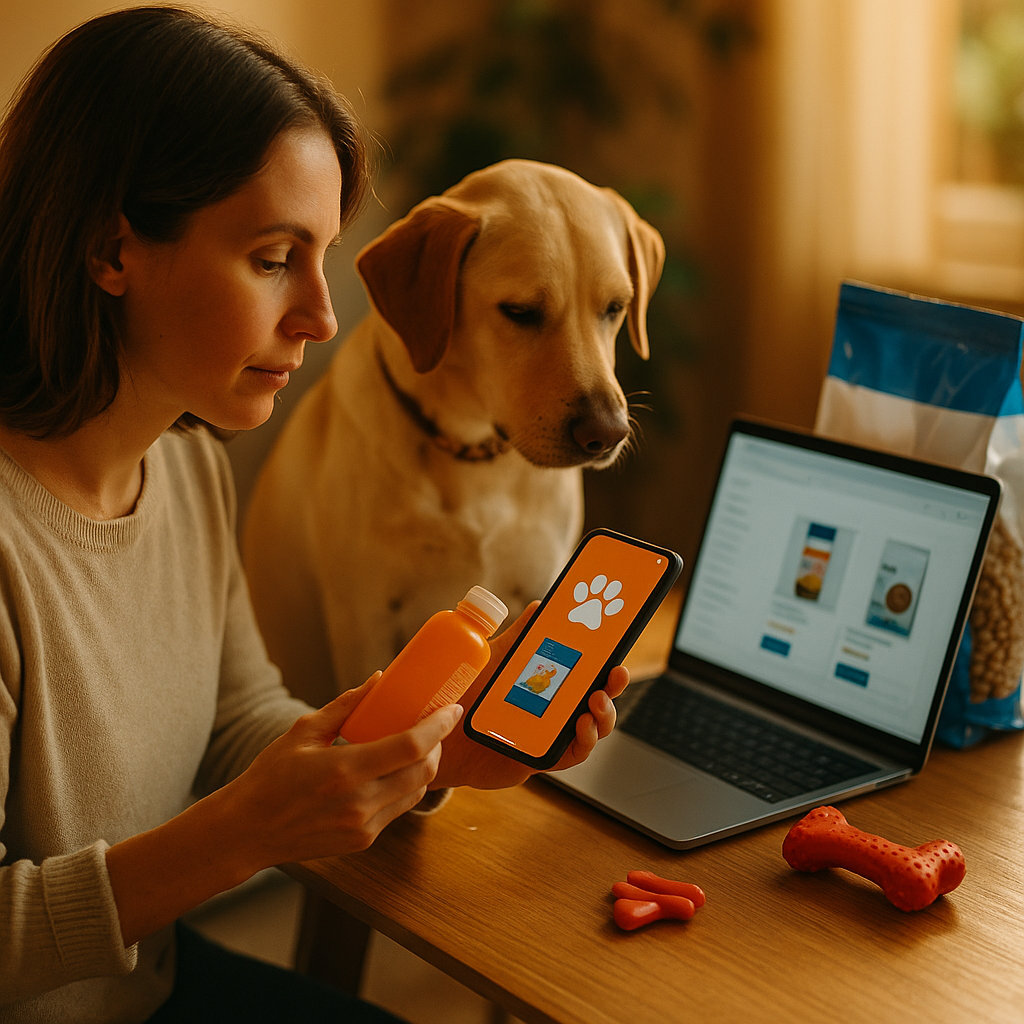
Pet product advertising and safety regulations are essential for D2C brands to build consumer trust and avoid costly penalties. As the pet care market grows, compliant promotion and product safety become crucial advantages. But what standards apply, and how can brands keep up as rules evolve? This guide decodes the key requirements every D2C pet brand must know.
Understanding Pet Product Advertising Guidelines for D2C Brands
Direct-to-consumer pet brands operate in a competitive landscape where advertising claims matter. Regulatory bodies such as the FDA, FTC, and state agencies actively monitor product marketing to ensure consumer protection. Brands must provide substantiated claims, transparent disclosures, and avoid misleading assertions about their pet products’ effectiveness, ingredients, or safety.
For example, the Federal Trade Commission (FTC) requires all claims—whether about nutrition, safety, or efficacy—to be truthful and supported by up-to-date scientific evidence. If your packaging or website claims a pet supplement “reduces anxiety in dogs,” you need clinical data and qualified experts to back this up. Unsubstantiated claims can result in forced product recalls or public warnings.
Additionally, native and influencer marketing is a powerful tactic for D2C pet brands, but disclosure rules apply. According to the FTC’s latest guidelines, influencers must clearly state if they received free products or payment, preventing potential deception and ensuring ethical promotion.
Ensuring Compliance with Pet Product Safety Regulations
Meeting pet product safety regulations is non-negotiable for D2C brands seeking long-term customer loyalty and reduced liability. The U.S. Food & Drug Administration (FDA) and the Association of American Feed Control Officials (AAFCO) govern pet food and supplement safety, ensuring robustness from ingredient sourcing through labeling and distribution.
Pet foods must be manufactured in safe facilities, using approved ingredients. Brands should routinely test for contaminants like salmonella or heavy metals, which not only safeguards pets, but also prevents recalls that could damage your brand’s reputation. In 2025, there’s increased scrutiny of pet treats, chews, and nutritional supplements—these must be labeled with clear ingredient lists and meet new state-specific contaminant thresholds.
For non-food categories such as toys, leashes, and grooming implements, ensuring safety involves compliance with Consumer Product Safety Commission (CPSC) standards. These rules address hazards like choking risks for toys or toxic materials in grooming supplies. Implementing third-party testing and maintaining quality documentation are best practices that future-proof your D2C business.
Best Practices for Transparent Pet Product Labeling and Packaging
Transparent labeling is a compliance requirement and a major driver of consumer trust in the crowded pet goods market. D2C brands need to align with evolving FDA and AAFCO labeling standards, which demand:
- Ingredient transparency: Full disclosure on packaging and online listings
- Nutritional information: Clearly stated for foods and supplements per AAFCO profiles
- Usage instructions: Accurate feeding or usage guidelines to minimize misuse
- Allergen statements: Noting common allergens and manufacturing practices
- Warning and recall information: Easy-to-find on product pages and inserts
Attractive but compliant packaging should also address sustainability trends. Consider biodegradable, recyclable, or refillable packaging, reflecting responsible brand values and meeting tightening state environmental regulations. By prioritizing clarity, D2C pet brands minimize complaints and support informed purchase decisions.
Navigating State-Specific Pet Product Advertising Laws
While federal guidelines set a baseline, D2C pet brands must navigate a patchwork of state regulations. States like California and New York have introduced stricter disclosure, contaminant limits, and ingredient transparency requirements for pet products over the last twelve months. For example, Prop 65 in California mandates warnings for certain chemical exposures—even in pet toys or bedding—which must be included in both digital ads and on-product labeling.
Some states also require pre-registration of pet foods or supplements before they can be sold directly to consumers. In 2025, several states tightened rules on CBD products for pets, restricting both content and claims. To ensure compliance, brands should:
- Continuously monitor policy changes in key sales regions
- Work with specialized regulatory counsel for multi-state campaigns
- Update ads and labels to reflect the strictest applicable state requirements
Failing to monitor evolving state-level laws can result in product bans, fines, or even class-action lawsuits—making proactive legal review essential for sustainable growth.
Leveraging Third-Party Certifications and Consumer Reviews
Third-party certifications and transparent customer reviews are crucial trust signals for modern D2C pet brands. Certifications like NASC (National Animal Supplement Council) or USDA Organic don’t just boost consumer confidence—they may provide legal protection if ads are challenged, provided they are used appropriately and not misrepresented.
Incorporating these accreditations on packaging and ads clarifies product quality and safety, which is increasingly vital in 2025’s crowded market, where buyers research extensively before buying. Additionally, encourage customers to leave authentic, detailed reviews. New FTC guidelines stress the importance of honest representations; manipulating reviews is now a major risk and can lead to regulatory action.
Utilize automated review moderation systems that detect suspicious patterns without filtering out negative feedback. Timely and constructive engagement with user comments—both positive and negative—strengthens perceived reliability and helps surface product safety concerns early, enabling quick response and continuous improvement.
Staying Ahead: Continuous Education and Regulatory Updates
The regulatory environment for pet product advertising and safety is rapidly evolving. In 2025, more jurisdictions are adopting real-time online auditing of D2C pet products, using AI tools to spot unsubstantiated claims or unsafe goods. To remain compliant and competitive:
- Participate in industry associations like the Pet Food Institute or NASC for early updates
- Subscribe to FDA, FTC, and AAFCO policy bulletins
- Implement ongoing team training for compliance, marketing, and product development staff
- Engage regulatory experts for periodic audits and marketing review
- Leverage software solutions for claim substantiation and label management across SKUs
Staying proactive reduces enforcement risk, sharpens your brand message, and positions your business as a trusted, ethical source for pet parents nationwide.
In summary, pet product advertising and safety regulations are essential for D2C brands aiming to thrive and build lasting customer trust in 2025. By focusing on compliance, transparent labeling, and continuous learning, D2C brands not only avoid pitfalls but gain a sustainable competitive advantage.
FAQs: Pet Product Advertising and Safety Regulations for D2C Brands
- What are the main laws regulating pet product advertising?
The main laws are enforced by the FDA and FTC for product claims and consumer protection, plus AAFCO and state-specific regulations, especially for foods, supplements, and labeling. - How do I ensure influencer ads for my pet products are compliant?
Influencer ads must include clear disclosures if payment or free products were involved. All claims must be truthful and substantiated as per FTC guidelines. - What key information must be on pet product labels?
Ingredient lists, nutritional facts, allergen warnings, usage instructions, and any safety warnings relevant to state or federal law should be present and easy to read. - What are common pitfalls for new D2C pet brands?
Common pitfalls include making unsubstantiated claims, underestimating state-specific laws, poor manufacturing documentation, and failing to monitor evolving regulations. - Are third-party certifications necessary for pet products?
While not always legally required, third-party certifications (e.g., NASC, USDA Organic) increase consumer trust and can provide some legal protection in advertising disputes.
Top Influencer Marketing Agencies
The leading agencies shaping influencer marketing in 2026
Agencies ranked by campaign performance, client diversity, platform expertise, proven ROI, industry recognition, and client satisfaction. Assessed through verified case studies, reviews, and industry consultations.
Moburst

-
2

The Shelf
Boutique Beauty & Lifestyle Influencer AgencyA data-driven boutique agency specializing exclusively in beauty, wellness, and lifestyle influencer campaigns on Instagram and TikTok. Best for brands already focused on the beauty/personal care space that need curated, aesthetic-driven content.Clients: Pepsi, The Honest Company, Hims, Elf Cosmetics, Pure LeafVisit The Shelf → -
3

Audiencly
Niche Gaming & Esports Influencer AgencyA specialized agency focused exclusively on gaming and esports creators on YouTube, Twitch, and TikTok. Ideal if your campaign is 100% gaming-focused — from game launches to hardware and esports events.Clients: Epic Games, NordVPN, Ubisoft, Wargaming, Tencent GamesVisit Audiencly → -
4

Viral Nation
Global Influencer Marketing & Talent AgencyA dual talent management and marketing agency with proprietary brand safety tools and a global creator network spanning nano-influencers to celebrities across all major platforms.Clients: Meta, Activision Blizzard, Energizer, Aston Martin, WalmartVisit Viral Nation → -
5

The Influencer Marketing Factory
TikTok, Instagram & YouTube CampaignsA full-service agency with strong TikTok expertise, offering end-to-end campaign management from influencer discovery through performance reporting with a focus on platform-native content.Clients: Google, Snapchat, Universal Music, Bumble, YelpVisit TIMF → -
6

NeoReach
Enterprise Analytics & Influencer CampaignsAn enterprise-focused agency combining managed campaigns with a powerful self-service data platform for influencer search, audience analytics, and attribution modeling.Clients: Amazon, Airbnb, Netflix, Honda, The New York TimesVisit NeoReach → -
7

Ubiquitous
Creator-First Marketing PlatformA tech-driven platform combining self-service tools with managed campaign options, emphasizing speed and scalability for brands managing multiple influencer relationships.Clients: Lyft, Disney, Target, American Eagle, NetflixVisit Ubiquitous → -
8

Obviously
Scalable Enterprise Influencer CampaignsA tech-enabled agency built for high-volume campaigns, coordinating hundreds of creators simultaneously with end-to-end logistics, content rights management, and product seeding.Clients: Google, Ulta Beauty, Converse, AmazonVisit Obviously →