


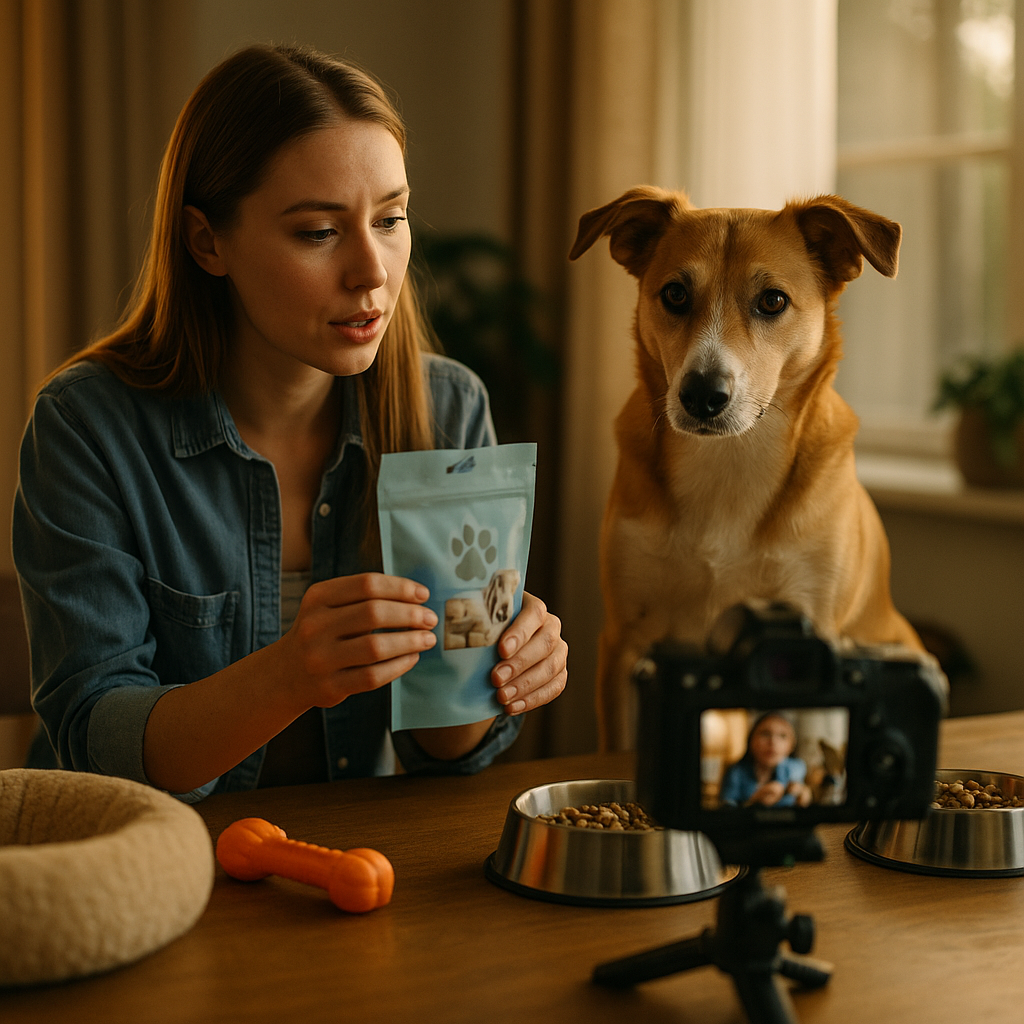
Pet product marketing and advertising regulations shape how businesses reach pet owners, ensuring safety, trust, and compliance in a competitive market. Understanding these rules is vital for every manufacturer, retailer, or advertiser aiming to thrive in 2025. Explore this guide to discover what it takes to market pet products responsibly, legally, and successfully.
Understanding the Pet Product Regulatory Landscape
The pet product industry is booming, but all marketers need to stay up to date with pet product regulatory requirements. In 2025, multiple federal, state, and even international bodies oversee pet product claims, labeling, and advertising. For example, the U.S. Food and Drug Administration (FDA) regulates pet foods, treats, and certain supplements, while the Federal Trade Commission (FTC) monitors advertising practices to prevent deception and false claims.
Recent research from the Pet Food Institute confirms that over 65% of consumers expect brands to meet stringent regulatory standards before products reach retailers’ shelves. Non-food items, such as toys, grooming tools, or apparel, may also be subject to consumer safety regulations or labeling laws. Staying informed about these organizations and their evolving enforcement priorities is essential for any business involved in pet product promotion.
Key Elements of Compliant Pet Product Claims
Making compliant pet product claims demands clarity and honesty. Both the FDA and FTC require that every claim—whether it relates to health, nutrition, durability, or safety—is substantiated by reliable evidence. Misleading consumers through exaggerated health benefits, “miracle cures,” or unsupported nutritional superiority can result in fines, recalls, or legal action.
Before marketing your product:
- Ensure you have scientific data and clinical studies to support every health-related statement.
- Avoid using disease or drug claims unless specifically approved by regulatory authorities.
- Be clear about the difference between “natural,” “organic,” or “grain-free,” ensuring all are used according to their legal definitions.
- Document all substantiation efforts and keep them readily available for regulators’ review.
The rise of digital media in 2025 has seen increased scrutiny of influencer marketing and online testimonials. Marketers must ensure all promoters clearly disclose relationships and that endorsements are honest and typical.
Labeling and Packaging: Staying Ahead of Labeling Rules
Proper pet product labeling requirements are crucial to avoid regulatory penalties and build consumer trust. Labels are a brand’s promise to the consumer: they must clearly and truthfully communicate what the product is, its ingredients or components, usage directions, warnings, and origin.
In the United States, pet foods and treats must follow the Association of American Feed Control Officials (AAFCO) model regulations, which influence state-level enforcement. For non-food products, accurate content lists and age-appropriate warnings are required under consumer product safety rules.
Key labeling best practices for 2025 include:
- Listing all ingredients in descending order by weight.
- Prominently displaying expiration or best-by dates where appropriate.
- Disclosing the manufacturer or distributor’s name and contact information.
- Including clear instructions for proper use and disposal.
- Providing warnings for potential allergens or hazards relevant to specific species or breeds.
Globally, the push for eco-friendly packaging and transparent sourcing demands clear, substantiated environmental claims—for instance, accurately stating “BPA-free” or “compostable” where justified and certified. Keep abreast of local updates to ensure labels meet both federal and state (or international) standards as applicable.
Digital Pet Product Advertising: Rules for Online Marketing
The growth of e-commerce and social platforms has transformed pet product advertising law in 2025. Regulatory agencies increasingly target digital campaigns to ensure fair representation and consumer protection—especially in areas such as:
- Influencer partnerships and endorsements (must disclose material connections and ensure reviews reflect genuine experiences).
- Social media ads targeting pet owners (must avoid unsubstantiated superlatives or implicit health cures).
- Native content and sponsored articles (must clearly distinguish editorial from paid placements).
- Retargeting and personalization using data collected from pet owners (must comply with privacy laws such as the California Consumer Privacy Act, or CCPA).
Recent FTC guidance emphasizes that all digital pet product ads must be as truthful and substantiated as offline ads. Costs, auto-renewal details, and other key terms must be easy for consumers to find and understand before purchase—no hidden conditions or “fine print” that misleads shoppers.
Data privacy further matters: Collecting information about pets or owners requires transparent privacy policies and compliance with protection guidelines. Pet businesses should regularly audit their digital ad practices to ensure strict compliance and foster consumer trust.
International Regulations and Import/Export Guidelines
Pet product brands operating internationally must adhere to pet product import/export compliance and diverse global regulations. In 2025, countries like Canada, members of the European Union, and Australia have their own detailed rules regarding pet food, supplements, toys, and medical devices.
- Pet foods and treats imported into the EU must comply with stringent health claims and labeling requirements, overseen by the European Food Safety Authority.
- Products containing animal-derived ingredients may require special certifications—such as BSE-free or free of specific pathogens.
- Customs declarations must be precise, including proof of origin, ingredient sourcing, and relevant safety test results.
- Online sales into new markets may trigger additional registration, documentation, and language translation requirements for digital advertising and packaging.
Keeping up with global regulatory change is vital. Leading pet brands often work with international legal consultants to stay ahead of updates and prevent costly shipping delays, customs detentions, or sales bans. Investing in cross-border compliance not only protects your business but builds a reputation for responsibility and transparency among customers worldwide.
Building Consumer Trust Through Ethical Marketing
Ethical pet product marketing goes beyond minimum compliance. In a modern, well-informed marketplace, transparency, honesty, and a proactive commitment to animal welfare are essential for winning long-term loyalty. According to a 2025 survey by Global Pet Expo, 77% of pet owners say they support brands that are open about sourcing, testing, and ingredient integrity.
To build trust—and exceed basic requirements—consider these strategies:
- Publicly share independent laboratory test results or safety certifications.
- Educate consumers about how your products are sourced, processed, and tested.
- Proactively address recalls, complaints, or incidents, even before required by law.
- Support animal welfare initiatives, such as donations to pet shelters, and highlight these efforts in your marketing responsibly.
- Solicit genuine customer feedback to improve products and demonstrate accountability.
By adopting ethical marketing, brands not only avoid regulatory pitfalls but also strengthen consumer relationships, positioning themselves for success as regulations tighten and expectations rise in the years ahead.
Conclusion
Pet product marketing and advertising regulations in 2025 demand more than legal compliance—they require transparency, responsibility, and a focus on consumer trust. By understanding current rules, substantiating every claim, and maintaining ethical practices, pet brands can build credibility and flourish in an informed, competitive industry.
FAQs: Pet Product Marketing and Advertising Regulations
-
What organizations regulate pet product marketing in the United States?
The FDA oversees pet foods, treats, and supplements. The FTC ensures truthful advertising, while state agencies and AAFCO provide further oversight for labeling and composition. -
Can I claim my pet product treats or prevents disease?
Only if the claim is approved by relevant authorities and backed by scientific evidence. Unsubstantiated disease claims are prohibited and may result in regulatory action. -
What must be included on a pet product label?
Labels should contain product name, list of ingredients, net weight, manufacturer details, usage instructions, warnings, and expiration date if applicable. -
How does influencer marketing affect compliance?
All influencer relationships must be disclosed. Their endorsements must be truthful, typical, and not misleading. Marketers are responsible for ensuring influencer compliance. -
Are there special rules for selling pet products internationally?
Yes. Each country may have unique import/export, labeling, and safety requirements. Businesses must research and comply with all regulations for the markets they enter.
Top Influencer Marketing Agencies
The leading agencies shaping influencer marketing in 2026
Agencies ranked by campaign performance, client diversity, platform expertise, proven ROI, industry recognition, and client satisfaction. Assessed through verified case studies, reviews, and industry consultations.
Moburst

-
2

The Shelf
Boutique Beauty & Lifestyle Influencer AgencyA data-driven boutique agency specializing exclusively in beauty, wellness, and lifestyle influencer campaigns on Instagram and TikTok. Best for brands already focused on the beauty/personal care space that need curated, aesthetic-driven content.Clients: Pepsi, The Honest Company, Hims, Elf Cosmetics, Pure LeafVisit The Shelf → -
3

Audiencly
Niche Gaming & Esports Influencer AgencyA specialized agency focused exclusively on gaming and esports creators on YouTube, Twitch, and TikTok. Ideal if your campaign is 100% gaming-focused — from game launches to hardware and esports events.Clients: Epic Games, NordVPN, Ubisoft, Wargaming, Tencent GamesVisit Audiencly → -
4

Viral Nation
Global Influencer Marketing & Talent AgencyA dual talent management and marketing agency with proprietary brand safety tools and a global creator network spanning nano-influencers to celebrities across all major platforms.Clients: Meta, Activision Blizzard, Energizer, Aston Martin, WalmartVisit Viral Nation → -
5

The Influencer Marketing Factory
TikTok, Instagram & YouTube CampaignsA full-service agency with strong TikTok expertise, offering end-to-end campaign management from influencer discovery through performance reporting with a focus on platform-native content.Clients: Google, Snapchat, Universal Music, Bumble, YelpVisit TIMF → -
6

NeoReach
Enterprise Analytics & Influencer CampaignsAn enterprise-focused agency combining managed campaigns with a powerful self-service data platform for influencer search, audience analytics, and attribution modeling.Clients: Amazon, Airbnb, Netflix, Honda, The New York TimesVisit NeoReach → -
7

Ubiquitous
Creator-First Marketing PlatformA tech-driven platform combining self-service tools with managed campaign options, emphasizing speed and scalability for brands managing multiple influencer relationships.Clients: Lyft, Disney, Target, American Eagle, NetflixVisit Ubiquitous → -
8

Obviously
Scalable Enterprise Influencer CampaignsA tech-enabled agency built for high-volume campaigns, coordinating hundreds of creators simultaneously with end-to-end logistics, content rights management, and product seeding.Clients: Google, Ulta Beauty, Converse, AmazonVisit Obviously →