


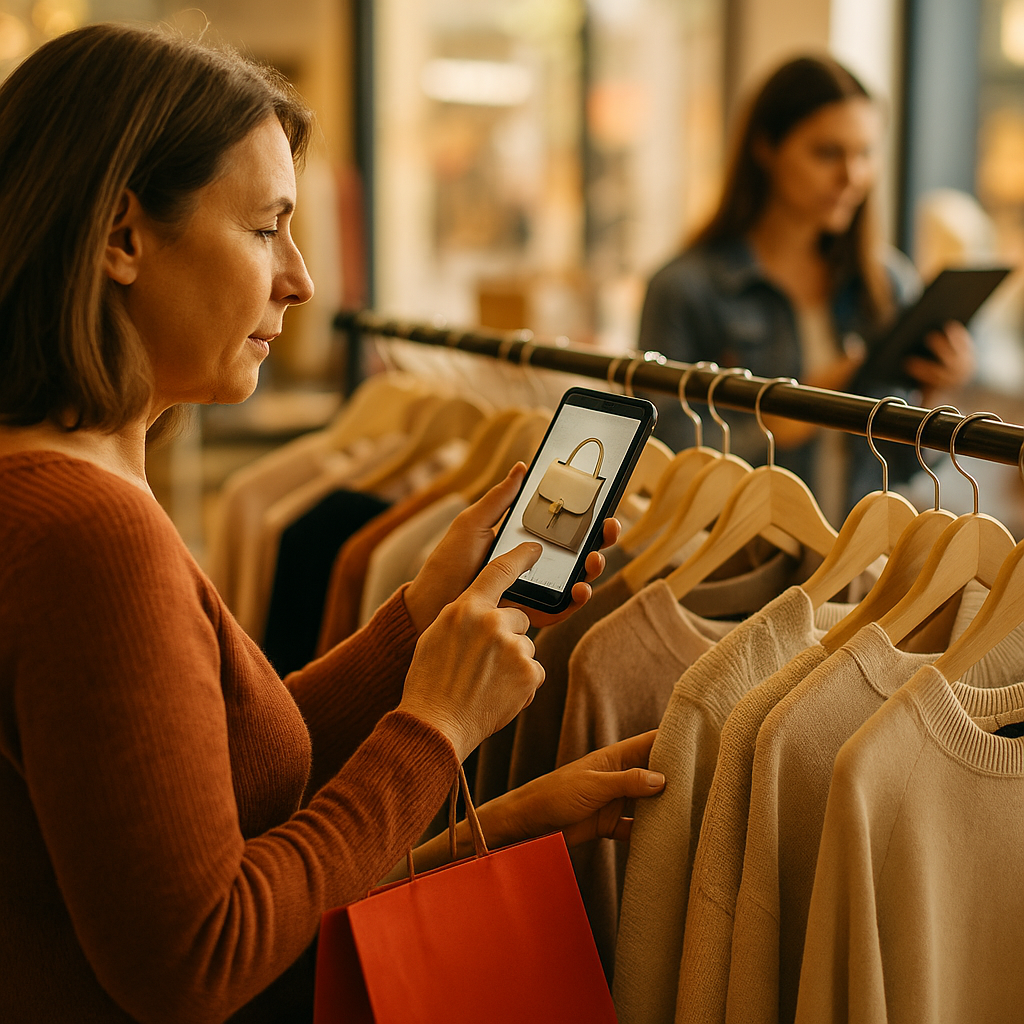
The future of physical retail in a digital-first world is a subject of dynamic evolution and high relevance. As online shopping booms, brick-and-mortar stores are transforming to stay competitive and compelling. Retailers are now blending cutting-edge technology with in-person experiences like never before—discover what’s shaping physical retail’s new era and where opportunities truly lie.
The Digital Transformation of In-Store Shopping Experiences
Today’s consumers expect seamless connections between the digital and offline world. Physical retail spaces are evolving into “phygital” environments, combining interactive technology with tangible experiences. Touchless checkout, augmented reality (AR) product demos, and omnichannel inventory visibility redefine the in-store journey. In 2025, over 60% of global retailers now implement at least one advanced digital solution on the sales floor, according to a Forrester industry survey.
This shift isn’t just about adding tech for novelty’s sake—it’s about removing friction and delivering value. For instance, interactive kiosks empower shoppers to scan QR codes for instant reviews or order out-of-stock items directly. Heat-mapping and AI-powered analytics help retailers optimize store layouts for better browsing, while in-store apps deliver personalized promotions in real time. The line between online convenience and offline engagement is blurring fast.
Enhancing Customer Engagement in Physical Retail
Personalization has become the cornerstone of customer engagement strategies in physical retail. Proprietary loyalty apps, real-time inventory updates, and geo-targeted discounts set a new bar for individualized attention. In a survey by Adobe Commerce, 72% of shoppers in 2025 claim they are more likely to visit a store if personalized promotions are offered via mobile ahead of their arrival.
Retailers now use advanced customer relationship management (CRM) systems integrated with AI to track preferences, making recommendations that feel truly bespoke. For example, smart fitting rooms equipped with tablets suggest clothing based on past purchases or online wishlists. Such innovations move physical retail beyond mere transactions—creating memorable, relationship-driven experiences that foster loyalty.
Optimizing Physical Retail for Omnichannel Fulfillment
Omnichannel retailing is no longer a buzzword—it’s standard practice. In 2025, consumers expect to buy online and pick up in-store (BOPIS), return e-commerce purchases at physical locations, or use curbside pickup seamlessly. According to a National Retail Federation report, BOPIS adoption has doubled since 2022, with 80% of major retailers now offering it as an option.
Physical stores have evolved into local mini-distribution centers as much as shopping destinations. Stockrooms are optimized for efficient inventory picking and packing. Associates use mobile devices to coordinate fulfillment tasks and assist walk-in customers simultaneously. Streamlined logistics not only serve digital-first shoppers but also give traditional retail a crucial edge—delivering products faster and more cost-effectively than distant warehouses ever could.
Leveraging In-Store Analytics and Data for Growth
Data-driven decision-making is at the heart of the future of retail. Physical storefronts now collect actionable insights through a variety of means—from Wi-Fi tracking and smart shelf sensors to loyalty program data. These analytics help optimize product placement, staffing, promotions, and even environmental controls to enrich customer satisfaction and drive profits.
Advanced analytics have shown that tailored in-store experiences can increase customer dwell time by up to 30%, in turn boosting average transaction values. Retailers who leverage these insights wisely not only anticipate trends but also respond in real time to shifting consumer demands. In 2025, data privacy remains paramount; retailers prioritize transparent consent and robust protection protocols to maintain trust while extracting actionable business value.
The Importance of Sustainability and Community Connection in Retail Spaces
Modern consumers increasingly value the environmental and social impact of where they shop. In 2025, 68% of shoppers surveyed by GlobalData favor retailers openly committed to sustainability—driving in-store changes from reduced waste packaging to energy-efficient operations and upcycled store design.
Physical shops now serve as community hubs, hosting local events, workshops, and pop-ups featuring local makers. This approach not only attracts environmentally conscious customers but also fosters brand loyalty by deepening the sense of belonging. Retailers embracing transparency and authentically supporting local initiatives set themselves apart in a crowded, digital-first marketplace.
Preparing Physical Retail for the Next Decade: Adaptation and Innovation
Resilience and adaptability are essential traits for successful retailers in the digital-first world. Store layouts are now modular, future-proofed for fast reconfiguration as consumer tastes shift. Workforce training programs emphasize digital literacy, ensuring staff can expertly guide customers across physical and virtual experiences.
Collaborations with technology partners—such as payment providers, AR/VR companies, and logistics experts—enable even mid-sized retailers to access the latest innovations. As AI, robotics, and immersive tech mature, the most future-ready retailers will be those who continually experiment, measure, and evolve, keeping customer needs at the very center of their strategies.
Conclusion: The Ongoing Evolution of Physical Retail
The future of physical retail in a digital-first world is not about competition, but convergence. Those who effectively blend technology, personalization, and local community create resilient, engaging spaces. Retailers focused on omnichannel fulfillment, data-driven growth, and authentic sustainability will thrive—providing enduring value in a rapidly changing landscape.
Frequently Asked Questions
-
What technologies are shaping physical retail in 2025?
Technologies such as augmented reality, touchless checkout, in-store analytics, and AI-driven personalized experiences are transforming brick-and-mortar stores. Integration with mobile apps and omnichannel platforms ensures that in-store shopping remains seamless and interactive.
-
How can physical retailers compete with e-commerce?
By creating personalized, immersive experiences, offering flexible fulfillment options like BOPIS, and positioning stores as community hubs, retailers provide value that pure e-commerce struggles to match. Fast, frictionless service and authentic human interaction are key differentiators.
-
Is sustainability important for the future of physical retail?
Yes, sustainability is increasingly important. Shoppers prioritize eco-friendly practices, transparent supply chains, and ethical operations. Successful retailers reduce waste, optimize energy use, and support local communities to attract and retain conscious consumers.
-
How does data help improve in-store experiences?
Stores use data from sensors, POS systems, and loyalty programs to optimize layouts, staffing, and promotions in real-time. This personalized approach increases satisfaction and sales, provided that customer privacy and consent are upheld.
-
Will physical retail disappear in a digital-first world?
No—physical retail is adapting rather than vanishing. The convergence of digital innovation, experiential design, and strategic local engagement ensures brick-and-mortar stores remain relevant and essential to the shopping journey.
Top Influencer Marketing Agencies
The leading agencies shaping influencer marketing in 2026
Agencies ranked by campaign performance, client diversity, platform expertise, proven ROI, industry recognition, and client satisfaction. Assessed through verified case studies, reviews, and industry consultations.
Moburst

-
2

The Shelf
Boutique Beauty & Lifestyle Influencer AgencyA data-driven boutique agency specializing exclusively in beauty, wellness, and lifestyle influencer campaigns on Instagram and TikTok. Best for brands already focused on the beauty/personal care space that need curated, aesthetic-driven content.Clients: Pepsi, The Honest Company, Hims, Elf Cosmetics, Pure LeafVisit The Shelf → -
3

Audiencly
Niche Gaming & Esports Influencer AgencyA specialized agency focused exclusively on gaming and esports creators on YouTube, Twitch, and TikTok. Ideal if your campaign is 100% gaming-focused — from game launches to hardware and esports events.Clients: Epic Games, NordVPN, Ubisoft, Wargaming, Tencent GamesVisit Audiencly → -
4

Viral Nation
Global Influencer Marketing & Talent AgencyA dual talent management and marketing agency with proprietary brand safety tools and a global creator network spanning nano-influencers to celebrities across all major platforms.Clients: Meta, Activision Blizzard, Energizer, Aston Martin, WalmartVisit Viral Nation → -
5

The Influencer Marketing Factory
TikTok, Instagram & YouTube CampaignsA full-service agency with strong TikTok expertise, offering end-to-end campaign management from influencer discovery through performance reporting with a focus on platform-native content.Clients: Google, Snapchat, Universal Music, Bumble, YelpVisit TIMF → -
6

NeoReach
Enterprise Analytics & Influencer CampaignsAn enterprise-focused agency combining managed campaigns with a powerful self-service data platform for influencer search, audience analytics, and attribution modeling.Clients: Amazon, Airbnb, Netflix, Honda, The New York TimesVisit NeoReach → -
7

Ubiquitous
Creator-First Marketing PlatformA tech-driven platform combining self-service tools with managed campaign options, emphasizing speed and scalability for brands managing multiple influencer relationships.Clients: Lyft, Disney, Target, American Eagle, NetflixVisit Ubiquitous → -
8

Obviously
Scalable Enterprise Influencer CampaignsA tech-enabled agency built for high-volume campaigns, coordinating hundreds of creators simultaneously with end-to-end logistics, content rights management, and product seeding.Clients: Google, Ulta Beauty, Converse, AmazonVisit Obviously →