


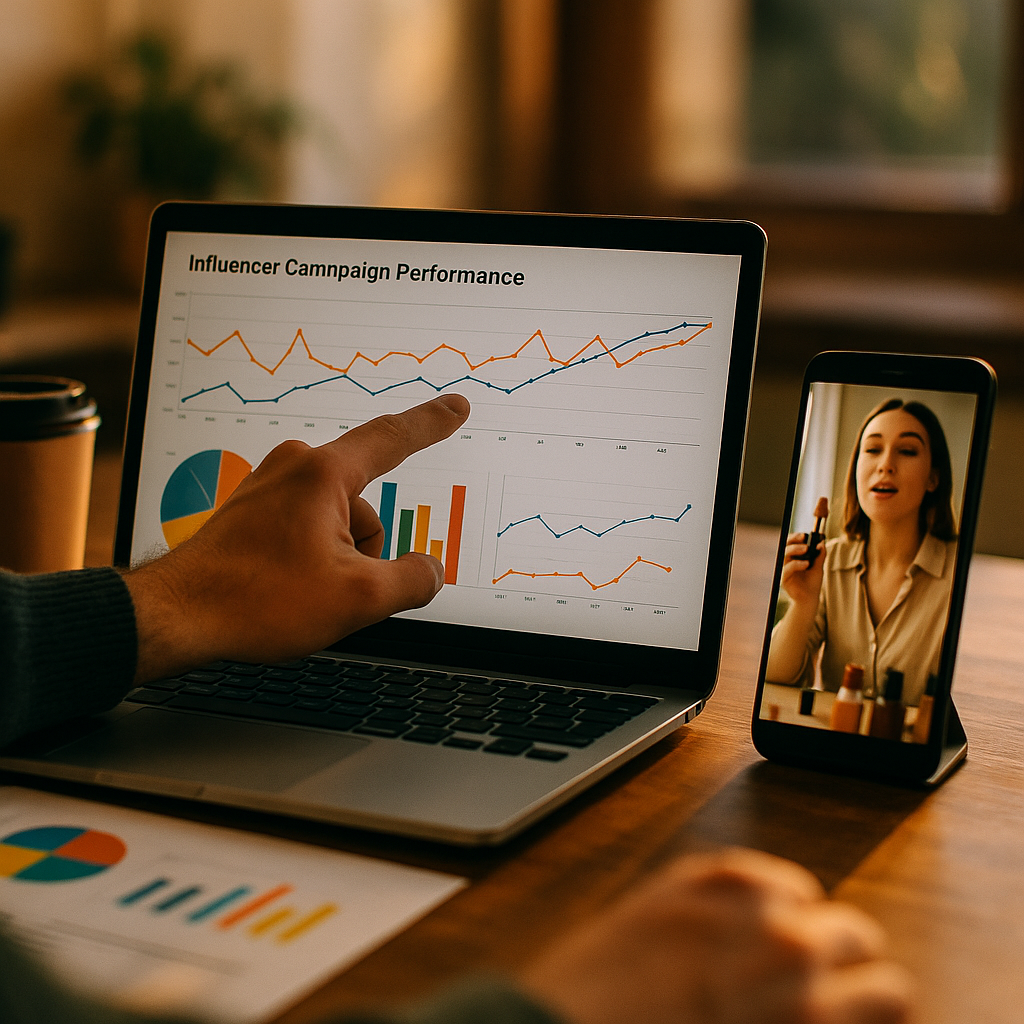
Predictive analytics for influencer campaign timing is changing how brands maximize impact on social media platforms. By accurately forecasting the best moments to launch campaigns, marketers can boost engagement, conversions, and ROI. Want to orchestrate influencer partnerships that consistently outperform? Discover the data-driven strategies for perfect timing in influencer marketing below.
Understanding Predictive Analytics: The Key to Strategic Influencer Timing
Predictive analytics leverages historical data, machine learning, and statistics to forecast future trends and behaviors. In the context of influencer marketing, this means analyzing vast amounts of social, consumer, and campaign data to pinpoint when a target audience is most likely to engage. As platforms like Instagram and TikTok continue to evolve, timing your influencer campaigns has become a nuanced, data-driven art.
Rather than relying on traditional posting calendars or subjective analysis, predictive models can identify optimal windows for campaign launches. These models consider variables such as trending topics, seasonality, competitor actions, and real-time engagement metrics, ensuring your message lands at the peak of audience activity.
Benefits of Data-Driven Influencer Campaign Scheduling
Harnessing predictive analytics for campaign timing unlocks several campaign scheduling advantages:
- Higher Engagement Rates: Launching at peak times ensures more likes, comments, and shares on influencer content.
- Improved ROI: By minimizing wasted budget on poorly timed posts, brands can see a measurable increase in conversions per dollar spent.
- Enhanced Brand Reputation: Timely campaigns place your brand at the epicenter of relevant conversations, amplifying authenticity and consumer trust.
- Competitive Edge: Outmaneuver competitors by aligning with real-time trends and audience behaviors, not just industry standards.
Research from leading influencer platforms in 2025 confirms that campaigns leveraging predictive analytics outperform traditional scheduling methods by up to 32% in overall reach and engagement rates.
Collecting and Analyzing Influencer Audience Data
Optimizing influencer audience data is crucial for predictive timing. Success depends on the following data sources:
- Historical Campaign Data: Review when past campaigns performed best, including days of the week and times of day.
- Social Listening Tools: Use AI-powered tools to track trending hashtags, sentiment, and topics within your niche in real-time.
- Influencer Insights: Collaborate with influencers to access audience analytics, including demographics and activity patterns.
- Platform Analytics: Platforms like Instagram, TikTok, and YouTube provide granular data on audience online times and behaviors.
Integrating these data sets forms a robust foundation for predictive models. Modern analytics platforms can consolidate and visualize these insights, enabling marketers to make informed timing decisions with confidence.
Implementing Predictive Models for Influencer Campaign Launches
Building effective influencer campaign launch strategies with predictive analytics involves a step-by-step, methodical approach:
- Define Campaign KPIs: Clarify the metrics that matter most—engagement rate, click-through rate, conversion, or follower growth.
- Train Predictive Models: Feed historical and real-time data into machine learning algorithms to predict high-impact posting windows.
- Test and Iterate: Pilot the model with a subset of influencer posts, track results, and refine parameters for improved accuracy.
- Scale Across Influencers: Once validated, roll out optimized timings to all campaign partners for consistent performance.
AI-driven scheduling is increasingly accessible, even for small brands. Many influencer marketing platforms now offer predictive timing tools, democratizing data-driven campaign launches in 2025.
Case Studies: Maximizing ROI Through Predictive Timing
Recent brand success stories demonstrate the transformative effect of maximizing ROI with predictive analytic technology.
- Fashion Retailers: A leading European brand partnered with nano-influencers and used predictive analytics to pinpoint high-traffic moments during holiday shopping. This strategy drove a 28% lift in attributable sales compared to campaigns launched without predictive scheduling.
- Health & Wellness Startups: Leveraging social listening and AI scheduling, a wellness company timed influencer launches around major news cycles, boosting engagement by 35% and tripling their qualified lead list within a single quarter.
These results highlight the power of aligning influencer outreach with exact audience behaviors and online moments. Brands that adopt predictive timing see not only quantitative improvements but also more positive consumer sentiment and brand equity.
Best Practices for Predictive Analytics Implementation in Influencer Marketing
For brands seeking to incorporate predictive analytics implementation into their influencer programs, consider the following expert best practices:
- Prioritize Data Privacy: Ensure compliance with global privacy regulations and obtain necessary permissions for audience and influencer data.
- Collaborate With Influencers: Share timing insights and align posting schedules while respecting creative freedom.
- Monitor Real-Time Events: Stay agile and ready to adjust timing in response to unexpected trends or world events.
- Commit to Ongoing Optimization: Predictive models improve over time; routinely feed updated data and review performance post-campaign.
- Educate Stakeholders: Provide transparent reporting, explain the predictive process, and set expectations within your marketing team.
Effective predictive analytics hinges on both technical precision and human collaboration. When both elements are present, influencer campaigns achieve optimal performance and brand-aligned authenticity.
FAQs: Predictive Analytics for Influencer Campaign Timing
-
What is predictive analytics in influencer marketing?
Predictive analytics uses historical and current data to forecast the best times for influencer campaigns, increasing engagement and ROI. -
How accurate are predictive models for influencer campaign timing?
With high-quality data inputs, advanced models can predict optimal timings with 80–90% accuracy, especially when combined with real-time analytics. -
Can small brands use predictive analytics for influencer campaigns?
Yes. Many leading influencer marketing platforms offer user-friendly predictive tools suitable for brands of any size. -
Do influencers need to change their content for predictive scheduling?
No significant changes are needed. Predictive analytics ensures their content reaches the largest, most engaged audience but does not compromise creative style. -
How often should predictive models be updated?
For best results, brands should update predictive models after each campaign to account for market shifts and changing audience behaviors.
Predictive analytics for influencer campaign timing empowers brands to reach audiences when they are most attentive and engaged. By integrating data-driven scheduling, marketers increase campaign performance, maximize ROI, and consistently outrun the competition—putting precision at the heart of influencer strategy in 2025.
Top Influencer Marketing Agencies
The leading agencies shaping influencer marketing in 2026
Agencies ranked by campaign performance, client diversity, platform expertise, proven ROI, industry recognition, and client satisfaction. Assessed through verified case studies, reviews, and industry consultations.
Moburst

-
2

The Shelf
Boutique Beauty & Lifestyle Influencer AgencyA data-driven boutique agency specializing exclusively in beauty, wellness, and lifestyle influencer campaigns on Instagram and TikTok. Best for brands already focused on the beauty/personal care space that need curated, aesthetic-driven content.Clients: Pepsi, The Honest Company, Hims, Elf Cosmetics, Pure LeafVisit The Shelf → -
3

Audiencly
Niche Gaming & Esports Influencer AgencyA specialized agency focused exclusively on gaming and esports creators on YouTube, Twitch, and TikTok. Ideal if your campaign is 100% gaming-focused — from game launches to hardware and esports events.Clients: Epic Games, NordVPN, Ubisoft, Wargaming, Tencent GamesVisit Audiencly → -
4

Viral Nation
Global Influencer Marketing & Talent AgencyA dual talent management and marketing agency with proprietary brand safety tools and a global creator network spanning nano-influencers to celebrities across all major platforms.Clients: Meta, Activision Blizzard, Energizer, Aston Martin, WalmartVisit Viral Nation → -
5

The Influencer Marketing Factory
TikTok, Instagram & YouTube CampaignsA full-service agency with strong TikTok expertise, offering end-to-end campaign management from influencer discovery through performance reporting with a focus on platform-native content.Clients: Google, Snapchat, Universal Music, Bumble, YelpVisit TIMF → -
6

NeoReach
Enterprise Analytics & Influencer CampaignsAn enterprise-focused agency combining managed campaigns with a powerful self-service data platform for influencer search, audience analytics, and attribution modeling.Clients: Amazon, Airbnb, Netflix, Honda, The New York TimesVisit NeoReach → -
7

Ubiquitous
Creator-First Marketing PlatformA tech-driven platform combining self-service tools with managed campaign options, emphasizing speed and scalability for brands managing multiple influencer relationships.Clients: Lyft, Disney, Target, American Eagle, NetflixVisit Ubiquitous → -
8

Obviously
Scalable Enterprise Influencer CampaignsA tech-enabled agency built for high-volume campaigns, coordinating hundreds of creators simultaneously with end-to-end logistics, content rights management, and product seeding.Clients: Google, Ulta Beauty, Converse, AmazonVisit Obviously →