


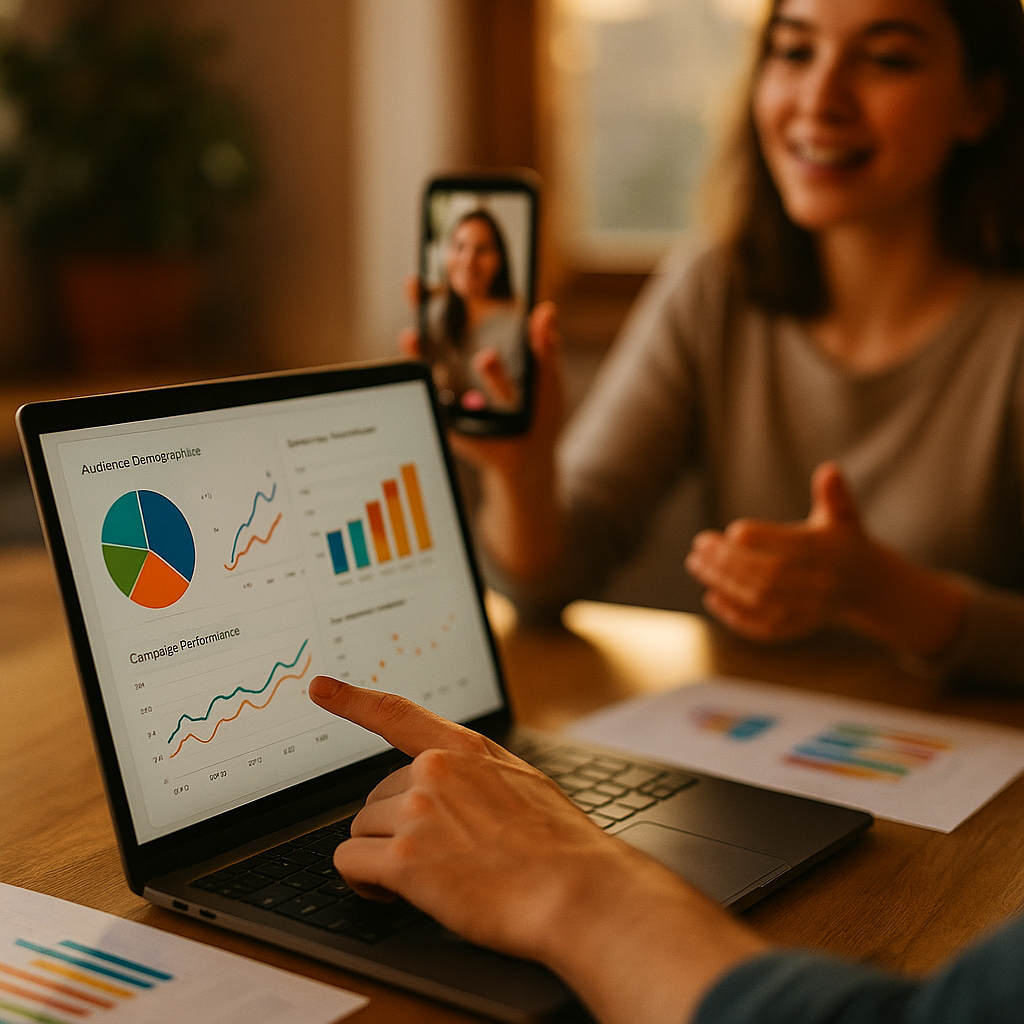
Predictive analytics empowers marketers to forecast an influencer’s potential reach with precision, elevating campaign strategies to new heights. By leveraging advanced data techniques, brands can make informed decisions about which influencers will truly deliver. Ready to turn raw data into actionable insights? Discover how predictive analytics is reshaping influencer marketing success.
Understanding Predictive Analytics in Influencer Marketing
Predictive analytics is the process of using historical data, machine learning, and statistical algorithms to predict future outcomes. In influencer marketing, this powerful approach enables brands to anticipate how widely an influencer’s content will be seen—before any collaboration begins. As brands invest increasing budgets in influencer partnerships, accuracy in reach forecasts becomes a vital competitive edge.
With over 90% of marketers reporting ROI improvements through data-driven strategies, predictive analytics is no longer a luxury. It has become a necessity for brands seeking scalable, dependable influencer relationships. But how does this technology work, and how can you implement it to reliably gauge influencer reach in 2025?
Essential Data Sources for Accurate Influencer Reach Forecasting
Data collection forms the foundation of any predictive analytics strategy for influencer reach. The more comprehensive and high-quality your dataset, the more precise your forecasts will be. Reliable reach projections depend on gathering and analyzing the following key data sources:
- Historical Engagement Rates: Analyze past likes, comments, shares, and views to uncover consistent trends.
- Audience Demographics: Use platform insights and third-party tools to understand the influencer’s follower age, location, and interests.
- Content Performance Variance: Track which types of posts garner higher reach and why.
- Post Frequency & Timing: Evaluate how often and when the influencer posts, correlating this with audience activity.
- Platform Algorithms: Adjust for changes in Instagram, TikTok, YouTube, or other networks’ algorithms, as they impact organic reach.
- Collaboration Histories: Review prior brand partnerships—did similar content go viral or underperform?
Integrating these diverse data points allows predictive models to learn from real-world influencer performance, not just vanity metrics.
Applying Machine Learning Models to Project Potential Reach
Machine learning algorithms are the engines of predictive analytics in influencer forecasting. Rather than relying on gut instincts, brands today employ techniques such as regression analysis, time-series forecasting, and classification algorithms. Here’s how the process often unfolds:
- Model Selection: Choose a model based on data type and campaign goals. Linear regression or ARIMA are common for predicting numeric reach figures.
- Feature Engineering: Input variables (features) might include engagement rates, hashtag usage, follower growth, and post format.
- Training and Validation: Split data into training and validation sets to test model accuracy and prevent overfitting.
- Prediction and Refinement: Use the trained model to forecast future reach for specific campaign content, refining with fresh data over time.
Major influencer platforms and third-party tools now offer built-in predictive analytics modules. However, custom models deliver the greatest accuracy, tailored to your unique dataset and objectives. This process demands both marketing insight and technical expertise, either in-house or via partnerships with data specialists.
Evaluating Influencer Authenticity and Audience Quality
Audience quality is as vital as raw numbers when forecasting influencer reach. Predictive analytics must account for fake followers, bots, and disengaged audiences. In 2025, advanced filters screen out inorganic activity by assessing:
- Engagement Authenticity: Analyzing repetitive, generic, or bot-like comments
- Follower Growth Patterns: Detecting sudden, anomalous spikes that indicate purchased followers
- Audience Location: Verifying that followers match your brand’s target regions
- Content Interaction Ratios: Evaluating the balance of likes, comments, and shares relative to follower count
This level of assessment ensures predicted reach corresponds to real, engaged users—delivering both transparency and value for your campaigns.
Integrating Predictive Reach Into Your Influencer Strategy
With reliable reach predictions, brands can take their influencer marketing strategy to the next level. Here’s how to integrate these forecasts for higher-impact results:
- Set Informed KPIs: Use data-backed reach forecasts to set clear expectations and campaign benchmarks.
- Optimize Influencer Selection: Identify creators with not just high reach, but high relevance and audience quality.
- Budget Allocation: Invest more in partnerships likely to deliver the greatest ROI, reducing wasted spend.
- Real-Time Adjustments: Use ongoing predictive updates to refine strategies during campaigns, not just after the fact.
- Transparent Reporting: Provide brand stakeholders with forecasts and actual results, building greater trust in influencer initiatives.
By embedding predictive analytics into every stage, you gain a data-driven framework for ongoing marketing optimization.
Challenges and Best Practices for Successful Implementation
While the benefits are clear, effective use of predictive analysis in influencer marketing presents several challenges. Brands must:
- Ensure data privacy compliance and opt-in tracking
- Stay current with trends in social platform algorithms
- Account for content virality and sudden shifts in audience behaviour
- Regularly retrain models with new data for ongoing accuracy
- Combine quantitative insights with qualitative human judgement—context still matters in 2025
Successful predictive forecasting requires not just technology, but a rigorous culture of data stewardship and strategic thinking. Continual learning, transparent reporting, and collaboration with technical experts ensure your predictions drive genuine business impact.
Conclusion: Data-Driven Influencer Campaigns Are Here
Predictive analytics has become the cornerstone of influencer marketing, empowering brands to forecast reach with unprecedented accuracy. By leveraging advanced data, machine learning, and audience authenticity insights, you can invest confidently in collaborations that perform. Make predictive analytics a core instrument in your influencer strategy, and unlock measurable growth in every campaign.
FAQs: Predictive Analytics and Influencer Reach
-
What is predictive analytics in influencer marketing?
Predictive analytics uses data and algorithms to forecast future performance, helping brands estimate how widely an influencer’s content will be seen by real, engaged audiences.
-
Which data is most important for predicting influencer reach?
Historical engagement, audience demographics, content type, frequency, and authenticity checks are crucial for accurate forecasting.
-
Can predictive models prevent wasted influencer spend?
Yes. By selecting influencers with proven, high-quality reach, predictive analytics minimizes investment in underperforming creators.
-
Are third-party platforms accurate for reach prediction?
Many provide robust baseline estimates, but custom models built on your own data tend to deliver superior accuracy and strategic value.
-
How often should models be updated for influencer campaigns?
Models should be retrained with fresh data quarterly or more frequently, accounting for shifts in social algorithms and audience behaviour in 2025.
Top Influencer Marketing Agencies
The leading agencies shaping influencer marketing in 2026
Agencies ranked by campaign performance, client diversity, platform expertise, proven ROI, industry recognition, and client satisfaction. Assessed through verified case studies, reviews, and industry consultations.
Moburst

-
2

The Shelf
Boutique Beauty & Lifestyle Influencer AgencyA data-driven boutique agency specializing exclusively in beauty, wellness, and lifestyle influencer campaigns on Instagram and TikTok. Best for brands already focused on the beauty/personal care space that need curated, aesthetic-driven content.Clients: Pepsi, The Honest Company, Hims, Elf Cosmetics, Pure LeafVisit The Shelf → -
3

Audiencly
Niche Gaming & Esports Influencer AgencyA specialized agency focused exclusively on gaming and esports creators on YouTube, Twitch, and TikTok. Ideal if your campaign is 100% gaming-focused — from game launches to hardware and esports events.Clients: Epic Games, NordVPN, Ubisoft, Wargaming, Tencent GamesVisit Audiencly → -
4

Viral Nation
Global Influencer Marketing & Talent AgencyA dual talent management and marketing agency with proprietary brand safety tools and a global creator network spanning nano-influencers to celebrities across all major platforms.Clients: Meta, Activision Blizzard, Energizer, Aston Martin, WalmartVisit Viral Nation → -
5

The Influencer Marketing Factory
TikTok, Instagram & YouTube CampaignsA full-service agency with strong TikTok expertise, offering end-to-end campaign management from influencer discovery through performance reporting with a focus on platform-native content.Clients: Google, Snapchat, Universal Music, Bumble, YelpVisit TIMF → -
6

NeoReach
Enterprise Analytics & Influencer CampaignsAn enterprise-focused agency combining managed campaigns with a powerful self-service data platform for influencer search, audience analytics, and attribution modeling.Clients: Amazon, Airbnb, Netflix, Honda, The New York TimesVisit NeoReach → -
7

Ubiquitous
Creator-First Marketing PlatformA tech-driven platform combining self-service tools with managed campaign options, emphasizing speed and scalability for brands managing multiple influencer relationships.Clients: Lyft, Disney, Target, American Eagle, NetflixVisit Ubiquitous → -
8

Obviously
Scalable Enterprise Influencer CampaignsA tech-enabled agency built for high-volume campaigns, coordinating hundreds of creators simultaneously with end-to-end logistics, content rights management, and product seeding.Clients: Google, Ulta Beauty, Converse, AmazonVisit Obviously →