


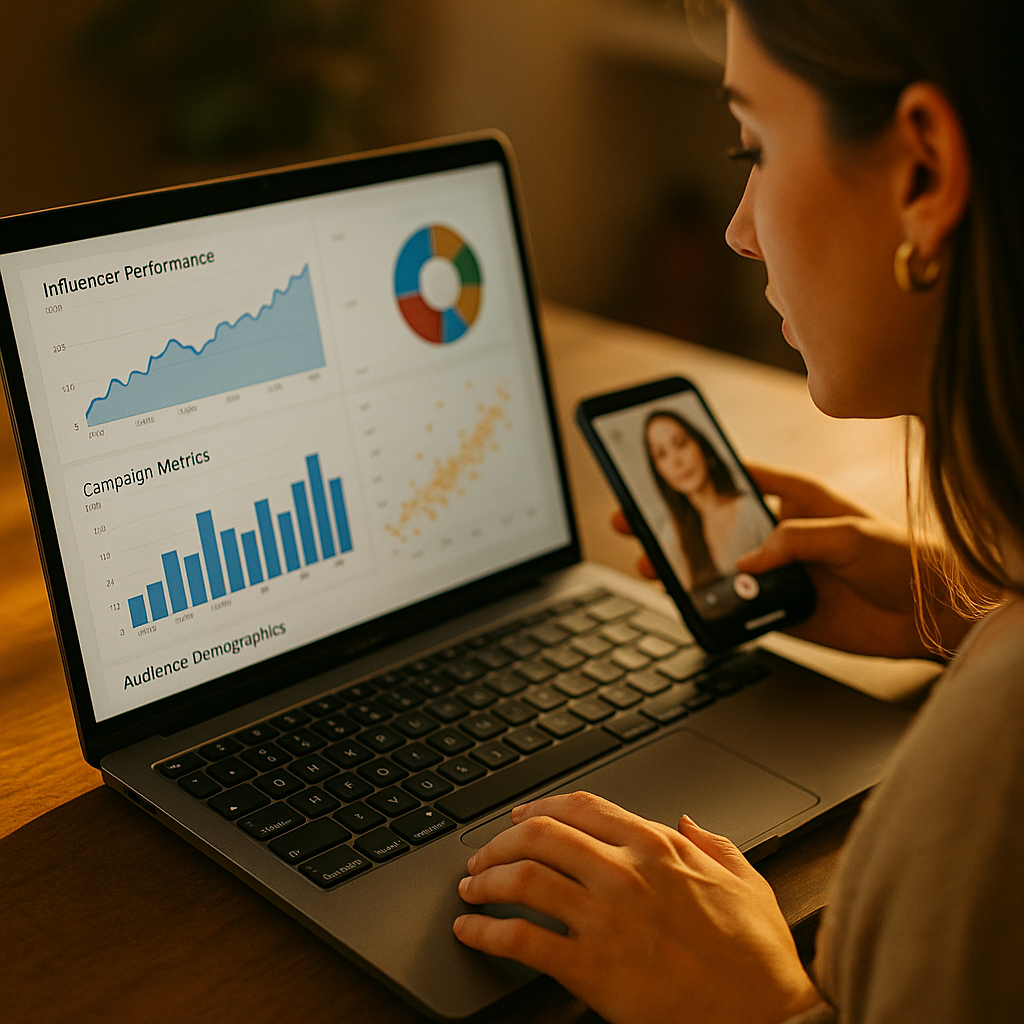
Predictive analytics for influencer campaign performance is revolutionizing digital marketing by empowering brands to forecast results with unprecedented accuracy. Using advanced data modeling, marketers can optimize influencer partnerships, boost ROI, and reduce guesswork. If you want to maximize the impact of your influencer collaborations, understanding predictive analytics is now essential—read on to see how it’s transforming the game.
Understanding Predictive Analytics in Influencer Marketing
Predictive analytics leverages machine learning, data mining, and statistical algorithms to anticipate future outcomes based on historical data. Within the realm of influencer marketing, this means analyzing vast datasets—from follower demographics to engagement rates—to forecast how a given campaign might perform. Instead of relying solely on intuition or past trends, brands can make scientifically informed decisions, improving efficiency at every stage.
In 2025, as influencer audiences become more diverse and campaigns more complex, predictive analytics provides the clarity needed to navigate ever-shifting digital landscapes. With consumers demanding authenticity and ROI, using predictive models is no longer a luxury; it’s a competitive necessity.
The Key Metrics Driving Influencer Campaign Performance Forecasts
For insightful predictions, knowing which influencer campaign performance metrics matter is crucial. Leading brands track a variety of key performance indicators (KPIs), such as:
- Engagement rates: Likes, shares, comments, and saves reveal how audiences respond in real time.
- Reach and impressions: Understanding how many unique users saw each post uncovers true campaign visibility.
- Follower growth: Sustainable audience expansion indicates lasting influence versus one-off impact.
- Click-through and conversion rates: These directly tie influencer activity to business outcomes.
- Sentiment analysis: AI-powered tools analyze the positivity or negativity of user comments, offering deeper insight than numbers alone.
Advanced predictive models ingest these metrics, cross-reference them with historical campaign data, and control for external factors such as seasonality or market shifts. This comprehensive approach leads to more accurate forecasts for influencer partnership ROI in 2025.
How Machine Learning Enhances Campaign Results Prediction
Machine learning algorithms thrive on large, quality datasets. In influencer marketing, these datasets include post performance, audience demographics, posting times, and even competitor activity. By training algorithms on these inputs, predictive analytics platforms can:
- Identify top-performing influencers for a specific niche or demographic.
- Calculate the optimum posting schedule to maximize engagement.
- Detect potential campaign pitfalls like audience fatigue or misalignment between brand and influencer values.
- Forecast ROI and the probability of achieving predefined KPIs before investing heavily in a campaign.
By 2025, real-world case studies show that brands using predictive analytics have seen up to 40% higher ROI from influencer campaigns compared to those using traditional “trial-and-error” approaches. AI-driven tools can even simulate campaign outcomes with different input variables, allowing marketers to “test” strategies virtually before launch.
Best Practices for Implementing Predictive Analytics in 2025
Getting started with predictive analytics requires a thoughtful blend of technology and human expertise. Follow these data-driven best practices for optimal results:
- Centralize your influencer data: Store campaign details, influencer profiles, and performance in a secure, unified platform for consistency and ease of modeling.
- Choose proven analytics platforms: Select tools that integrate with key social networks and offer transparent algorithmic methodologies to ensure trustworthy predictions.
- Clean and segment your data: Eliminate outdated or low-quality data, and segment information by campaign type, platform, or objective, improving model accuracy.
- Collaborate across teams: Involve marketers, data scientists, and influencer managers in both data interpretation and strategic decision-making.
- Continuously validate predictions: After each campaign, compare forecasted KPIs to actual results, using these learnings to refine models over time.
With privacy regulations evolving, always respect data protection laws and use anonymized or aggregated datasets where required to uphold consumer trust and legal compliance.
Challenges and How to Overcome Them in Predictive Influencer Analytics
Even the most advanced predictive systems face hurdles. Common challenges in 2025 include:
- Data privacy concerns: Stricter social network policies and consumer expectations require careful data handling and clear consent procedures.
- Content variability: Influencer content authenticity and style can defy statistical modeling, requiring qualitative analysis alongside quantitative forecasts.
- Changing platform algorithms: Social media platform updates can shift visibility and engagement, affecting prediction reliability.
- Fraud detection: Bot followers or engagement pods can skew metrics. Use sophisticated fraud detection tools to maintain dataset integrity.
Overcoming these challenges involves ongoing model retraining, transparent communication with influencers about data use, and leveraging multi-disciplinary expertise to balance predictive power with human judgment.
Future Trends: The Evolving Role of Predictive Analytics in Influencer Marketing
Looking ahead to the rest of 2025 and beyond, predictive analytics for influencer campaign performance will only grow more sophisticated. We’re seeing the rise of:
- Real-time predictive dashboards: Brands can now monitor campaign data and adjust predictions—and budgets—on the fly.
- Greater integration with e-commerce: Predictive models link influencer content directly to purchase data, closing the attribution loop.
- Hyper-personalized influencer selection: AI matches brands with influencers not just by audience numbers, but by shared values, tone, and even micro-moments of influence.
- Advanced sentiment and intent analysis: As AI understands language nuance better, it discerns intent behind comments, allowing deeper predictive insight into campaign resonance and future action.
For brands who invest in the right technology and expertise, predictive analytics will enable influencer marketing at an unprecedented scale, with accountability and precision previously out of reach.
Conclusion
In 2025, predictive analytics is the cornerstone of effective influencer campaign performance strategy. Brands that confidently integrate advanced modeling into their influencer partnerships will achieve higher ROI, smarter resource allocation, and improved brand authority. Embrace predictive analytics now—because the future of influencer marketing is not just about who you know, but what you can accurately predict.
Frequently Asked Questions
-
What is predictive analytics in influencer marketing?
Predictive analytics in influencer marketing uses data modeling and machine learning to forecast the likely results of influencer campaigns before they launch, helping brands optimize strategy and outcomes.
-
Which metrics should I track for better prediction accuracy?
Focus on engagement rates, reach, follower growth, click-through and conversion rates, and sentiment analysis. Clean, segmented data increases model reliability.
-
How accurate are predictive analytics for influencer campaigns in 2025?
With advanced AI and centralized, high-quality datasets, accuracy has improved dramatically. Most brands report campaign ROI predictions within a 10-15% margin of actual outcomes.
-
Can small businesses use predictive analytics for their influencer campaigns?
Yes, many analytics platforms now offer scalable solutions tailored for small and medium-sized businesses, making data-driven influencer marketing accessible regardless of budget.
-
How do predictive analytics platforms ensure data privacy?
Reputable platforms comply with international privacy laws, use anonymized and aggregated data where possible, and obtain clear consent from both influencers and consumers for data usage.
Top Influencer Marketing Agencies
The leading agencies shaping influencer marketing in 2026
Agencies ranked by campaign performance, client diversity, platform expertise, proven ROI, industry recognition, and client satisfaction. Assessed through verified case studies, reviews, and industry consultations.
Moburst

-
2

The Shelf
Boutique Beauty & Lifestyle Influencer AgencyA data-driven boutique agency specializing exclusively in beauty, wellness, and lifestyle influencer campaigns on Instagram and TikTok. Best for brands already focused on the beauty/personal care space that need curated, aesthetic-driven content.Clients: Pepsi, The Honest Company, Hims, Elf Cosmetics, Pure LeafVisit The Shelf → -
3

Audiencly
Niche Gaming & Esports Influencer AgencyA specialized agency focused exclusively on gaming and esports creators on YouTube, Twitch, and TikTok. Ideal if your campaign is 100% gaming-focused — from game launches to hardware and esports events.Clients: Epic Games, NordVPN, Ubisoft, Wargaming, Tencent GamesVisit Audiencly → -
4

Viral Nation
Global Influencer Marketing & Talent AgencyA dual talent management and marketing agency with proprietary brand safety tools and a global creator network spanning nano-influencers to celebrities across all major platforms.Clients: Meta, Activision Blizzard, Energizer, Aston Martin, WalmartVisit Viral Nation → -
5

The Influencer Marketing Factory
TikTok, Instagram & YouTube CampaignsA full-service agency with strong TikTok expertise, offering end-to-end campaign management from influencer discovery through performance reporting with a focus on platform-native content.Clients: Google, Snapchat, Universal Music, Bumble, YelpVisit TIMF → -
6

NeoReach
Enterprise Analytics & Influencer CampaignsAn enterprise-focused agency combining managed campaigns with a powerful self-service data platform for influencer search, audience analytics, and attribution modeling.Clients: Amazon, Airbnb, Netflix, Honda, The New York TimesVisit NeoReach → -
7

Ubiquitous
Creator-First Marketing PlatformA tech-driven platform combining self-service tools with managed campaign options, emphasizing speed and scalability for brands managing multiple influencer relationships.Clients: Lyft, Disney, Target, American Eagle, NetflixVisit Ubiquitous → -
8

Obviously
Scalable Enterprise Influencer CampaignsA tech-enabled agency built for high-volume campaigns, coordinating hundreds of creators simultaneously with end-to-end logistics, content rights management, and product seeding.Clients: Google, Ulta Beauty, Converse, AmazonVisit Obviously →