


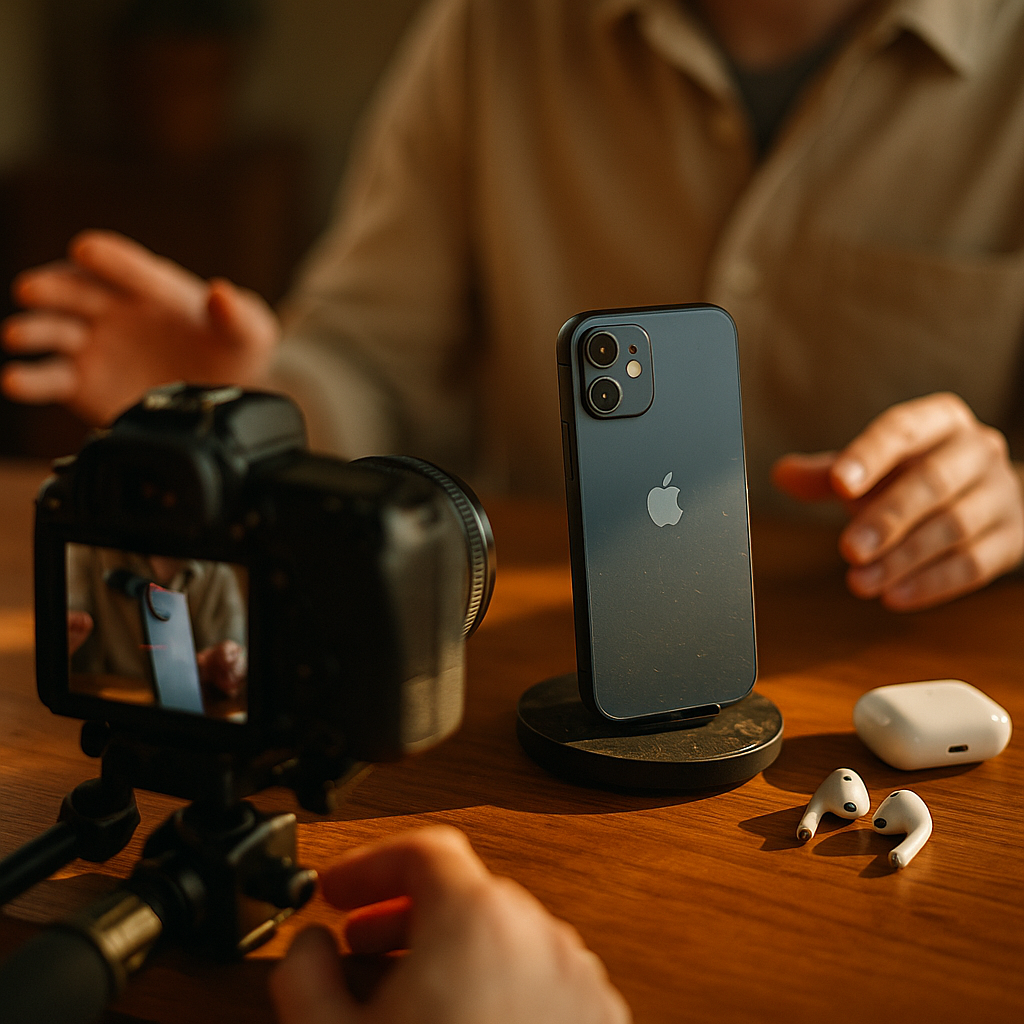
The product-as-influencer trend signals a transformative shift in digital marketing, where the item itself becomes the campaign’s marquee star. In 2025, brands across sectors are reimagining storytelling, giving products their own personas and platforms. Why are clever marketers making a sneaker or soda can the “celebrity” in the spotlight? Let’s dive into this fast-evolving phenomenon.
Origins of the Product-as-Influencer Trend
The concept of turning products into influencers emerged from the intersection of social media culture and influencer fatigue. As audiences grew skeptical of traditional influencer endorsements, brands sought more authentic and creative ways to engage consumers. The product-as-influencer trend leverages the item’s physical presence and personality, letting it “speak” directly to audiences on TikTok, Instagram, and emerging platforms.
According to a 2024 Marketing Dive study, 68% of Gen Z respondents stated they were more likely to trust posts where products are positioned as characters or protagonists, rather than mere props in influencer content. This data shows a clear demand for innovative narratives where items take center stage.
Brand Storytelling: When Products Take the Lead
Today’s successful campaigns build brand storytelling around the product, developing its character, voice, and backstory. An iconic example is the whimsical Twitter account of a major beverage brand’s soda can, which amassed over two million followers in under a year. By posting “first-person” content—such as selfie challenges or humorous commentary—the product develops an identity that resonates with consumers.
- Authenticity: Giving products their own platforms removes human bias and places the focus on features, benefits, and user experience.
- Relatability: When a sneaker “talks” about its daily adventures, or a tote bag shares organizing tips, audiences form an emotional connection with the item itself.
Marketing leaders note that these campaigns harness the power of anthropomorphism—a proven technique for boosting engagement and recall. By shifting brand storytelling to a first-person product perspective, brands create memorable, shareable content that stands out in crowded feeds.
Social Media Campaigns: Making Products the Main Character
Social media campaigns are the primary arena where the product-as-influencer trend thrives. Brands now give products unique voices, personal hashtags, and even interactive content streams. For example, a tech gadget may host “day-in-the-life” Instagram Stories from its own perspective, sharing user testimonials, unboxing moments, and care tips.
Recent campaigns highlight several advantages of this trend:
- Direct Engagement: Audiences can converse with the product’s account, ask questions, and receive real-time replies, building brand loyalty and trust.
- Creative Collaboration: Products can interact with each other—imagine a cross-brand campaign where a sneaker tweets at a gym bag, amplifying reach for both brands.
- Measurable ROI: Marketers report higher engagement and conversion rates on posts where the product is the protagonist, thanks to the novelty and entertainment value.
One successful case involves a popular snack brand whose mascot-bag launched interactive TikTok challenges, leading to a 35% boost in user-generated content in early 2025.
Consumer Psychology and the Power of Anthropomorphism
Why does the product-as-influencer trend work so effectively? The answer lies in consumer psychology—specifically, anthropomorphism. When brands give voice and human traits to products, audiences respond with empathy and heightened recall. A 2024 Stanford Business Review survey found that 59% of consumers remembered campaign messages better when the item itself “spoke” to them, compared to celebrity or influencer testimonials.
Additional benefits include:
- Trustworthiness: Consumers perceive direct communication from products as less sales-driven and more authentic.
- Accessibility: These campaigns cut across demographics, appealing especially to digital natives who seek out playful, relatable content.
- Emotional Bond: Turning products into “friends” helps foster brand loyalty and encourages word-of-mouth advocacy.
Marketers leveraging anthropomorphism point to deeper consumer loyalty, higher social shares, and repeat purchases stemming from emotionally resonant campaigns.
Emerging Technologies Fueling the Product-as-Influencer Trend
The product-as-influencer trend is only possible due to recent advances in AI, AR, and conversational technology. In 2025, brands deploy AI-driven image generation, voice synthesis, and chatbot tools to animate products on social media, websites, and even in “phygital” retail settings.
Recent technological breakthroughs include:
- AI Chatbots—Products can “answer” DM questions, recommend accessories, or troubleshoot issues within branded social profiles.
- Augmented Reality—Products “take selfies” with users via AR filters on Snapchat and Instagram, making campaigns more immersive and shareable.
- Generative Video—Items star in their own dynamic video content, narrating unboxing experiences or offering tips, all powered by generative AI.
As these technologies mature, expect product-as-influencer strategies to grow ever more sophisticated, blurring the line between physical and digital brand presence.
Future Implications and Best Practices for Brands
For marketers considering product-as-influencer campaigns in 2025, a few best practices stand out:
- Build a Consistent Persona: Establish a coherent personality and tone for each product, aligning with brand values and target audience expectations.
- Invest in Authenticity: Avoid overly scripted or sales-centric messaging. Let the product “tell” real stories—user challenges, behind-the-scenes moments, or shared missions.
- Leverage User Participation: Encourage users to submit their own “interactions” with the product, further humanizing it and fueling community engagement.
- Embrace Analytics: Use engagement data to refine voice, content types, and campaign cadence for optimal impact.
Looking forward, the boundaries of product-led influencer marketing will continue to expand. Marketers are exploring virtual products, 3D renderings, and even blockchain-driven digital items as potential brand “stars.” Understanding and adapting to these shifts will be essential for standout campaigns in the evolving social marketplace.
FAQs About the Product-as-Influencer Trend
-
What is the product-as-influencer trend?
The product-as-influencer trend is a marketing strategy where the item itself, not a human influencer, takes on the lead promotional role, often with its own social media persona and voice. -
Why are brands making products the stars of campaigns?
Brands are adapting to consumer demand for authenticity and creativity, using anthropomorphism, direct engagement, and emerging technologies to make products more relatable and memorable. -
How do brands give products personalities?
Through social accounts, AI-generated content, interactive chatbots, and story-driven campaigns, brands imbue products with distinctive voices, characters, and backstories that connect emotionally with audiences. -
What technologies support the product-as-influencer trend?
Advances in AI, AR, and generative video allow brands to create immersive and interactive experiences, enabling products to “converse” with customers and star in digital content autonomously. -
What are the risks or downsides to this trend?
Possible drawbacks include misaligned brand voice, over-saturation, and the challenge of keeping content fresh and engaging. Brands must stay authentic and monitor analytics to avoid consumer fatigue.
The product-as-influencer trend is redefining marketing in 2025, letting products step into the celebrity limelight. Brands embracing this approach with authenticity and creativity will build deeper connections, memorable campaigns, and measurable results in the ever-evolving social landscape.
Top Influencer Marketing Agencies
The leading agencies shaping influencer marketing in 2026
Agencies ranked by campaign performance, client diversity, platform expertise, proven ROI, industry recognition, and client satisfaction. Assessed through verified case studies, reviews, and industry consultations.
Moburst

-
2

The Shelf
Boutique Beauty & Lifestyle Influencer AgencyA data-driven boutique agency specializing exclusively in beauty, wellness, and lifestyle influencer campaigns on Instagram and TikTok. Best for brands already focused on the beauty/personal care space that need curated, aesthetic-driven content.Clients: Pepsi, The Honest Company, Hims, Elf Cosmetics, Pure LeafVisit The Shelf → -
3

Audiencly
Niche Gaming & Esports Influencer AgencyA specialized agency focused exclusively on gaming and esports creators on YouTube, Twitch, and TikTok. Ideal if your campaign is 100% gaming-focused — from game launches to hardware and esports events.Clients: Epic Games, NordVPN, Ubisoft, Wargaming, Tencent GamesVisit Audiencly → -
4

Viral Nation
Global Influencer Marketing & Talent AgencyA dual talent management and marketing agency with proprietary brand safety tools and a global creator network spanning nano-influencers to celebrities across all major platforms.Clients: Meta, Activision Blizzard, Energizer, Aston Martin, WalmartVisit Viral Nation → -
5

The Influencer Marketing Factory
TikTok, Instagram & YouTube CampaignsA full-service agency with strong TikTok expertise, offering end-to-end campaign management from influencer discovery through performance reporting with a focus on platform-native content.Clients: Google, Snapchat, Universal Music, Bumble, YelpVisit TIMF → -
6

NeoReach
Enterprise Analytics & Influencer CampaignsAn enterprise-focused agency combining managed campaigns with a powerful self-service data platform for influencer search, audience analytics, and attribution modeling.Clients: Amazon, Airbnb, Netflix, Honda, The New York TimesVisit NeoReach → -
7

Ubiquitous
Creator-First Marketing PlatformA tech-driven platform combining self-service tools with managed campaign options, emphasizing speed and scalability for brands managing multiple influencer relationships.Clients: Lyft, Disney, Target, American Eagle, NetflixVisit Ubiquitous → -
8

Obviously
Scalable Enterprise Influencer CampaignsA tech-enabled agency built for high-volume campaigns, coordinating hundreds of creators simultaneously with end-to-end logistics, content rights management, and product seeding.Clients: Google, Ulta Beauty, Converse, AmazonVisit Obviously →