


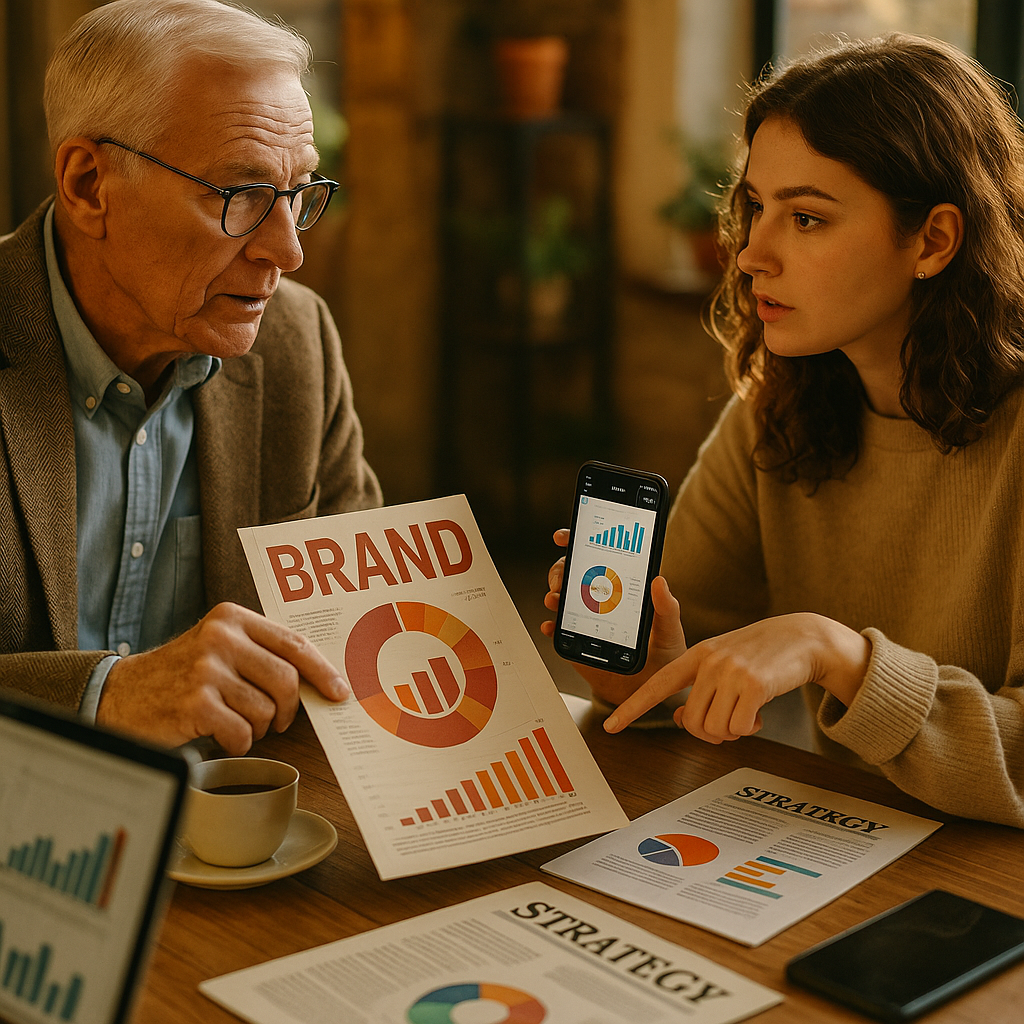
The process of re-positioning a legacy brand to a younger audience is a complex yet rewarding strategy for businesses seeking to stay relevant. This case study explores a real-world example of such a transformation, revealing how innovative thinking and digital engagement can bridge the generational gap and set a brand up for renewed success. Read on for actionable insights.
Understanding Legacy Brand Transformation
Legacy brands often boast decades of history, cultivated trust, and iconic products. However, as consumer preferences shift, these established brands sometimes struggle to resonate with Gen Z and Millennial consumers. Brand transformation, therefore, necessitates a delicate balance: retaining core values while adapting tone, digital presence, and offerings.
According to a recent Deloitte survey, 68% of legacy brand executives consider youth relevance a “critical growth factor” in 2025. Nevertheless, many worry that drastic changes could alienate loyal consumers. The challenge is not just cosmetic—it’s about aligning heritage with evolving aspirations. Success demands a clear roadmap, informed by both internal strengths and detailed audience research.
Market Research: Pinpointing the Younger Audience
Re-positioning a legacy brand to a younger demographic starts with rigorous audience analysis. The focus in 2025 is on digital-native behaviors. Recent Salesforce data reveals that over 85% of Gen Z discover brands via social media and streaming platforms rather than traditional advertising. Brands must ask: Who exactly is the “younger audience”? What are their motivators, anxieties, and cultural touchpoints?
- Digital Ethnography: Immersing the brand team in TikTok, Twitch, and Instagram culture uncovers memes, formats, and authentic engagement styles.
- Quantitative Surveys: Statistical surveys clarify brand perception among younger cohorts, identifying pain points and opportunities.
- Community Listening: Participating in Reddit AMAs or Twitter Spaces allows brands to hear unfiltered feedback and aspirations directly.
In our featured case, the brand uncovered that 18-to-30-year-olds craved authenticity and purpose over heritage and nostalgia. This insight reframed the brand’s messaging priorities moving forward.
Strategic Brand Refresh: Positioning for Gen Z and Millennials
Positioning strategies for youth engagement require more than updated visuals. They demand a holistic evolution:
- Visual Renovation: Logos, color palettes, and packaging were refreshed with vibrant, inclusive aesthetics—purposefully designed for sharability on mobile screens.
- Brand Voice: Messaging shifted from authority-driven language to a tone that’s conversational, witty, and socially aware. For example, the brand adopted interactive Instagram stories and relatable memes to humanize its image.
- Core Values: Impact matters. The case brand committed to environmental responsibility and transparent supply chains, spotlighting these initiatives in monthly video updates and microsite features.
All refresh efforts were carefully A/B tested. Social listening tools tracked usage and sentiment, ensuring the pivots resonated with both new and legacy audiences.
Digital Engagement: Harnessing Influencer Marketing and Experiential Campaigns
Successful brand re-positioning hinges on authentic digital engagement. In 2025, influencer marketing serves as a key accelerator for legacy brands hoping to connect with younger communities. In this case study, the brand partnered with micro-influencers (10K-100K followers) across niche TikTok and YouTube channels, aligning with micro-trends relevant to youth cultures.
Experiential Campaigns also played a pivotal role:
- Pop-Up Events: The brand staged eco-friendly, immersive events in major university cities, inviting visitors to co-create products or content—a tactical way to foster co-ownership among fans.
- UGC Contests: User-generated content contests on Reels and TikTok sparked community creativity and amplified organic reach by 124%.
- AR Filters and Interactive Apps: The brand introduced augmented reality filters that allowed fans to “wear” signature products and share their looks across platforms, democratizing brand experience.
According to Nosto, brands that deploy interactive campaigns and UGC report a 30% higher engagement rate with Gen Z by 2025.
Measuring Success: Brand Rejuvenation Metrics
Evaluating a legacy brand’s re-positioning efforts demands robust metrics. Success goes beyond likes and follows; it’s about sustained relevance and ROI. Key Performance Indicators analyzed in the case study include:
- Social Growth: Brand Instagram followers tripled within six months, with monthly engagement rates climbing from 2.4% to 7.7%—outperforming the sector average per Sprout Social data.
- Demographic Shift: First-party analytics revealed a 42% uptick in customers aged 18-29, confirming the campaign’s targeted impact.
- Sales Velocity: The legacy product line saw a 37% increase in e-commerce sales among Gen Z in Q1 2025 versus the previous period.
- Sentiment Analysis: Net Promoter Scores (NPS) among young consumers rose by 21 points, and unprompted positive mentions spiked across Twitter and Discord.
All metrics were transparently reported to stakeholders, reinforcing executive trust in the bold repositioning strategy and its delivered outcomes.
Lessons Learned: Sustaining Relevance in a Dynamic Market
The successful re-positioning of a legacy brand to a younger audience illustrates several foundational principles for 2025 and beyond:
- Iterative Innovation: Trends shift rapidly. The brand embedded agile feedback loops, testing and refining digital strategies in real time.
- Inclusive Storytelling: Younger consumers value diversity. Highlighting underrepresented voices and perspectives in brand campaigns fostered broader appeal.
- Long-Term Authenticity: Earning and keeping loyalty means backing up values with tangible action, not performative gestures. Partnerships with verified non-profits and transparent reporting became ongoing pillars of the strategy.
Ultimately, relevance today is rooted in authenticity, adaptability, and genuine youth empowerment—qualities all legacy brands must embrace to compete effectively.
FAQs: Legacy Brand Re-Positioning for Younger Audiences
-
What is legacy brand re-positioning?
Legacy brand re-positioning is the process of updating the brand’s image, messaging, and strategy to attract new, often younger, audiences while maintaining core values and heritage.
-
How can a legacy brand attract Gen Z consumers?
By embracing social media trends, fostering authentic influencer collaborations, prioritizing purpose-driven campaigns, and refreshing visual identity for mobile-first engagement.
-
What role does digital marketing play in re-positioning?
Digital marketing enables legacy brands to meet younger consumers where they spend time—on social and streaming platforms—using tailored content, interactivity, and two-way communication.
-
How do brands avoid alienating long-term customers?
Brands can involve loyal customers in the co-creation process, communicate transparently about changes, and ensure foundational values remain intact throughout the re-positioning.
-
What are the main risks of re-positioning a legacy brand?
Risks include inconsistent messaging, overhauling brand identity too rapidly, and failing to deliver on new promises. Thoughtful, data-led planning mitigates these issues.
Re-positioning a legacy brand to a younger audience is a multifaceted journey that rewards bold vision and adaptive tactics. By researching youth cultures, refreshing strategies, and fostering ongoing engagement, legacy brands can achieve sustainable relevance and growth in 2025’s dynamic landscape.
Top Influencer Marketing Agencies
The leading agencies shaping influencer marketing in 2026
Agencies ranked by campaign performance, client diversity, platform expertise, proven ROI, industry recognition, and client satisfaction. Assessed through verified case studies, reviews, and industry consultations.
Moburst

-
2

The Shelf
Boutique Beauty & Lifestyle Influencer AgencyA data-driven boutique agency specializing exclusively in beauty, wellness, and lifestyle influencer campaigns on Instagram and TikTok. Best for brands already focused on the beauty/personal care space that need curated, aesthetic-driven content.Clients: Pepsi, The Honest Company, Hims, Elf Cosmetics, Pure LeafVisit The Shelf → -
3

Audiencly
Niche Gaming & Esports Influencer AgencyA specialized agency focused exclusively on gaming and esports creators on YouTube, Twitch, and TikTok. Ideal if your campaign is 100% gaming-focused — from game launches to hardware and esports events.Clients: Epic Games, NordVPN, Ubisoft, Wargaming, Tencent GamesVisit Audiencly → -
4

Viral Nation
Global Influencer Marketing & Talent AgencyA dual talent management and marketing agency with proprietary brand safety tools and a global creator network spanning nano-influencers to celebrities across all major platforms.Clients: Meta, Activision Blizzard, Energizer, Aston Martin, WalmartVisit Viral Nation → -
5

The Influencer Marketing Factory
TikTok, Instagram & YouTube CampaignsA full-service agency with strong TikTok expertise, offering end-to-end campaign management from influencer discovery through performance reporting with a focus on platform-native content.Clients: Google, Snapchat, Universal Music, Bumble, YelpVisit TIMF → -
6

NeoReach
Enterprise Analytics & Influencer CampaignsAn enterprise-focused agency combining managed campaigns with a powerful self-service data platform for influencer search, audience analytics, and attribution modeling.Clients: Amazon, Airbnb, Netflix, Honda, The New York TimesVisit NeoReach → -
7

Ubiquitous
Creator-First Marketing PlatformA tech-driven platform combining self-service tools with managed campaign options, emphasizing speed and scalability for brands managing multiple influencer relationships.Clients: Lyft, Disney, Target, American Eagle, NetflixVisit Ubiquitous → -
8

Obviously
Scalable Enterprise Influencer CampaignsA tech-enabled agency built for high-volume campaigns, coordinating hundreds of creators simultaneously with end-to-end logistics, content rights management, and product seeding.Clients: Google, Ulta Beauty, Converse, AmazonVisit Obviously →