


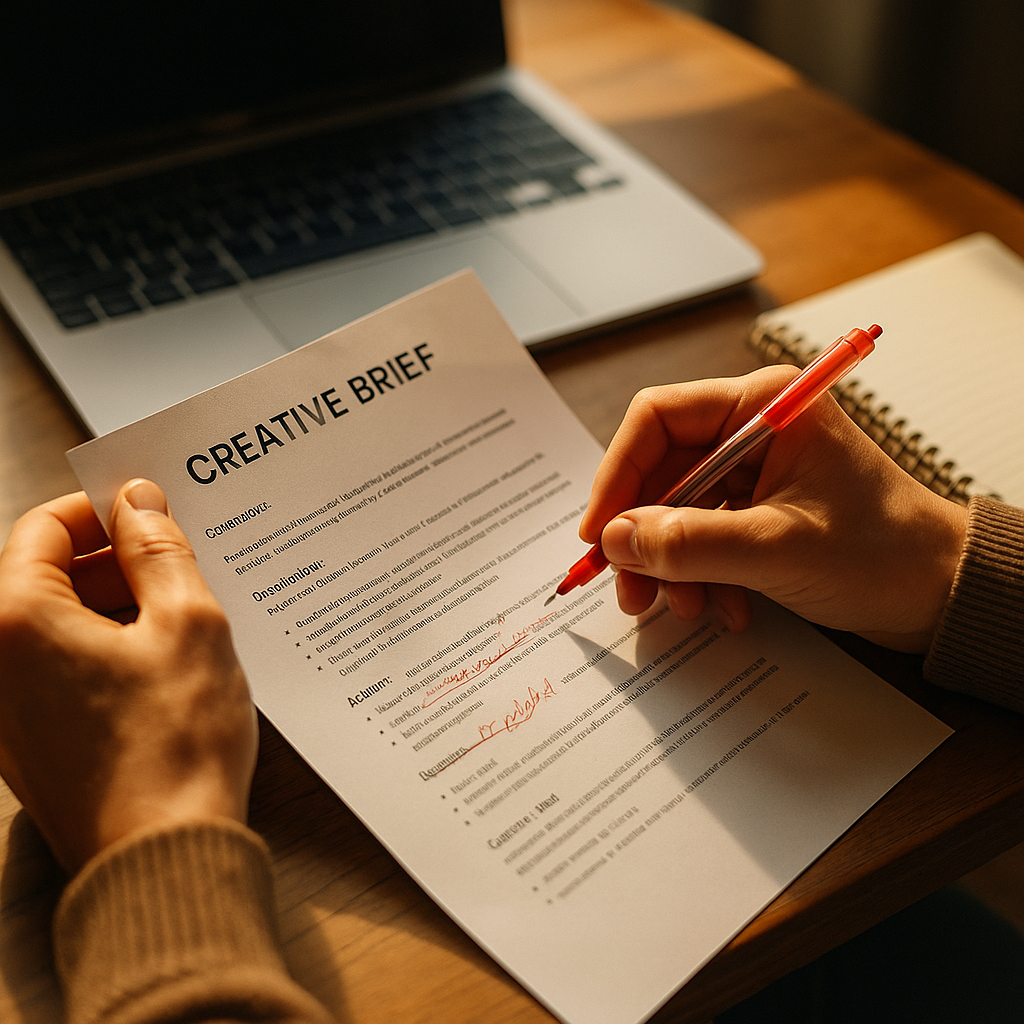
Only 33% of Gen Z trusts brands in traditional ads, yet they’ll rewatch a shaky, unedited TikTok five times before skipping it. If your creator brief still calls for “clean, on-brand, polished content,” you’re optimizing for a signal the algorithm stopped rewarding two platform updates ago. The casual-over-polished creative standard isn’t a trend anymore. It’s the baseline.
Brands that haven’t rewritten their briefs are still paying premium production rates for content that underperforms a Notes App caption slapped over a phone-shot clip. That’s not a taste problem. It’s a budget-allocation problem, and it’s fixable.
Why Polish Is Now a Conversion Liability
Instagram and TikTok’s recommendation systems have quietly shifted what “quality” means. Watch-time, rewatch rate, and comment depth now outweigh production value in ranking signals. A brief demanding studio lighting and scripted VO actively works against those metrics, because polished content reads as an ad within the first half-second, and users scroll past ads.
Sprout Social’s own trend reporting has repeatedly flagged authenticity and relatability as the top drivers of purchase consideration among younger audiences, ahead of production quality or celebrity endorsement. That’s not brands being generous with feedback. That’s a measurable behavioral shift that platforms have baked into distribution logic.
The content that looks the least like an ad is now the content most likely to be treated like organic reach by the algorithm — and that gap is where the ROI lives.
What “Casual” Actually Means in a Brief (It’s Not “No Standards”)
Here’s where brand teams get nervous. “Casual” sounds like “unmanaged,” and unmanaged sounds like compliance risk, off-message content, or a creator freelancing with your product in ways legal won’t approve. That fear is legitimate but misplaced. Casual-over-polished is an aesthetic direction, not an abdication of brief structure.
A well-written casual brief still specifies:
- Core message and required claims (especially for regulated categories)
- Disclosure placement per FTC endorsement guidelines
- Brand mentions, hashtags, and tagging requirements
- What NOT to say (competitor comparisons, medical claims, pricing promises)
- Format constraints: vertical, under 60 seconds, native captions
What it drops is the shot list. No more “3-second beauty shot of product on marble counter, soft key light from camera left.” Instead: “show the product in your actual environment, in the first 10 seconds, however you’d naturally use it.” The creative control shifts from visual direction to message direction. That distinction is the entire brief rewrite.
The Brief Rewrite, Section by Section
Most legacy briefs were built around deliverables and shot lists inherited from TV and print production. Rewriting for casual-over-polished means restructuring the document itself, not just softening the language.
Old section: “Visual Requirements.” New section: “Filming Environment.” Instead of dictating background, lighting, and framing, describe the context: bedroom, car, kitchen counter, gym locker room. Let the creator’s actual space do the work. Authentic backgrounds signal “this is real life,” which is exactly the signal Instagram and TikTok’s 2026 authenticity models are trained to reward.
Old section: “Script.” New section: “Talking Points.” A verbatim script is the single fastest way to kill authenticity signals, because viewers can hear when someone’s reading. Give creators three to five talking points and let them phrase it in their own voice. This is also where a lot of brands discover their messaging was overwritten anyway; loosening the script often produces sharper hooks than the marketing team wrote.
Old section: “Editing Notes.” New section: “Editing Boundaries.” Rather than specifying transitions, color grading, or motion graphics, specify what’s off-limits: no trending filters that obscure product visibility, no third-party music without clearance, no AI voice cloning without disclosure. Everything else is creator’s call.
This structural shift pairs well with frameworks already covering platform-specific mechanics, like watch-time-first briefing for TikTok, where retention curves matter more than visual finish.
Where This Gets Tricky: Regulated and High-Consideration Categories
Finance, healthcare, and pharma brands read “casual” and hear “compliance nightmare.” Fair concern. But casual-over-polished doesn’t mean loosening claims oversight, it means separating aesthetic looseness from message precision. You can have a creator filming in messy natural light while still requiring exact disclosure language and pre-approved claims copy.
Formats like ingredient-label translation content work well here: casual delivery, rigid factual accuracy underneath. Same logic applies to price-breakdown formats, where the tone is conversational but the numbers must be exact and legally defensible.
The mistake brands make is treating “casual” as a single lever that loosens everything simultaneously. It’s not. Separate your brief into two tracks: aesthetic guidance (loose) and legal/claims guidance (strict). Conflating them is how you end up with either a bland, over-lawyered video or an unapproved claim going viral on a creator’s page you don’t control.
The Data Behind the Shift
eMarketer and Statista have both tracked rising ad-blindness and declining trust in overtly branded content across younger demographics for several consecutive reporting cycles. Meanwhile, engagement rates on creator content shot on phones, with minimal editing, consistently outperform studio-produced brand content in TikTok’s own advertiser benchmarking, according to guidance published through TikTok’s ad platform resources. Meta’s business tools have echoed similar findings for Reels, favoring native-feeling content in both organic and paid placements documented via Meta Business guidance.
If your creator content needs a full production crew to make, it’s already failing the authenticity test the platform will apply before a single user sees it.
None of this means production value is dead. Long-form YouTube still rewards higher fidelity, particularly for mid-funnel long-form content where viewers expect more polish because they’ve opted into longer watch sessions. Casual-over-polished is a short-form, feed-native standard. Know which format you’re briefing for before you apply it.
Operational Efficiency: The Underrated Win
Here’s the part CFOs actually care about. Casual-over-polished briefs cost less to produce, review, and revise. No studio day. No agency shot list negotiation. No three rounds of color-correction feedback. Creators self-shoot in their own space on their own schedule, which cuts production timelines from weeks to days.
This dovetails with the broader shift toward integrated, lower-cost content briefs that prioritize creator trust and speed over heavy-handed art direction. It also plays well with remixable asset strategies, since raw, casual footage is inherently easier to repurpose across formats than a polished, single-use hero video locked to one aspect ratio and brand treatment.
Run the math on your last quarter’s creator spend. How much went to production oversight versus actual media placement or creator fees? If oversight costs exceed 20-25% of total campaign spend, your brief is likely over-engineered for a platform that no longer rewards that investment.
Measuring Whether the Rewrite Worked
Don’t just ship the new brief and hope. Track these before-and-after:
- Average watch-time percentage on delivered content
- Comment sentiment and comment-to-like ratio (higher ratio often signals perceived authenticity)
- Cost-per-deliverable versus prior quarter
- Creator satisfaction and brief-completion turnaround time
If watch-time and comment engagement rise while production costs fall, the rewrite is working. If engagement is flat but costs dropped, you’ve still won on efficiency, just audit your talking points for message clarity before assuming creative freedom alone will lift performance.
For teams still testing creator response to looser structures, first-reaction formats offer a low-risk entry point, as covered in raw reaction briefing guidance, which shows how much structure you can strip away while keeping brand safety intact.
Next Step
Pull your last three creator briefs and delete the shot list. Replace it with a filming-environment description and three talking points, keep your legal and disclosure language untouched, then run it as an A/B test against your old format on your next campaign. The data will tell you faster than any internal debate whether casual-over-polished is right for your brand.
FAQs
What does “casual-over-polished” actually mean for a creator brief?
It means shifting brief instructions away from visual production details (lighting, shot lists, scripted VO) toward message clarity and context, while keeping claims, disclosure, and legal requirements just as strict as before.
Does this apply to every platform equally?
No. It’s most relevant to short-form, feed-native content on Instagram Reels and TikTok. Long-form YouTube and higher-consideration B2B formats, like those covered in LinkedIn executive content briefs, still benefit from higher production value.
Will loosening creative control increase compliance risk?
Not if you separate aesthetic guidance from claims guidance in the brief. Keep disclosure placement, required legal language, and prohibited claims non-negotiable, regardless of how casual the visual execution becomes.
How do I know if my current briefs are over-produced for these platforms?
Compare watch-time and comment engagement on your polished content versus any raw or creator-led content you’ve run. If casual content consistently outperforms on retention and engagement, your standard brief is likely misaligned with current algorithm behavior.
Does this reduce production costs?
Generally yes. Removing studio requirements, shot lists, and multi-round editing revisions cuts both time and cost, since creators can self-shoot in their own environments on their own schedules.
FAQs
What does “casual-over-polished” actually mean for a creator brief?
It means shifting brief instructions away from visual production details (lighting, shot lists, scripted VO) toward message clarity and context, while keeping claims, disclosure, and legal requirements just as strict as before.
Does this apply to every platform equally?
No. It’s most relevant to short-form, feed-native content on Instagram Reels and TikTok. Long-form YouTube and higher-consideration B2B formats still benefit from higher production value.
Will loosening creative control increase compliance risk?
Not if you separate aesthetic guidance from claims guidance in the brief. Keep disclosure placement, required legal language, and prohibited claims non-negotiable, regardless of how casual the visual execution becomes.
How do I know if my current briefs are over-produced for these platforms?
Compare watch-time and comment engagement on your polished content versus any raw or creator-led content you’ve run. If casual content consistently outperforms on retention and engagement, your standard brief is likely misaligned with current algorithm behavior.
Does this reduce production costs?
Generally yes. Removing studio requirements, shot lists, and multi-round editing revisions cuts both time and cost, since creators can self-shoot in their own environments on their own schedules.
Top Influencer Marketing Agencies
The leading agencies shaping influencer marketing in 2026
Agencies ranked by campaign performance, client diversity, platform expertise, proven ROI, industry recognition, and client satisfaction. Assessed through verified case studies, reviews, and industry consultations.
Moburst

-
2

The Shelf
Boutique Beauty & Lifestyle Influencer AgencyA data-driven boutique agency specializing exclusively in beauty, wellness, and lifestyle influencer campaigns on Instagram and TikTok. Best for brands already focused on the beauty/personal care space that need curated, aesthetic-driven content.Clients: Pepsi, The Honest Company, Hims, Elf Cosmetics, Pure LeafVisit The Shelf → -
3

Audiencly
Niche Gaming & Esports Influencer AgencyA specialized agency focused exclusively on gaming and esports creators on YouTube, Twitch, and TikTok. Ideal if your campaign is 100% gaming-focused — from game launches to hardware and esports events.Clients: Epic Games, NordVPN, Ubisoft, Wargaming, Tencent GamesVisit Audiencly → -
4

Viral Nation
Global Influencer Marketing & Talent AgencyA dual talent management and marketing agency with proprietary brand safety tools and a global creator network spanning nano-influencers to celebrities across all major platforms.Clients: Meta, Activision Blizzard, Energizer, Aston Martin, WalmartVisit Viral Nation → -
5

The Influencer Marketing Factory
TikTok, Instagram & YouTube CampaignsA full-service agency with strong TikTok expertise, offering end-to-end campaign management from influencer discovery through performance reporting with a focus on platform-native content.Clients: Google, Snapchat, Universal Music, Bumble, YelpVisit TIMF → -
6

NeoReach
Enterprise Analytics & Influencer CampaignsAn enterprise-focused agency combining managed campaigns with a powerful self-service data platform for influencer search, audience analytics, and attribution modeling.Clients: Amazon, Airbnb, Netflix, Honda, The New York TimesVisit NeoReach → -
7

Ubiquitous
Creator-First Marketing PlatformA tech-driven platform combining self-service tools with managed campaign options, emphasizing speed and scalability for brands managing multiple influencer relationships.Clients: Lyft, Disney, Target, American Eagle, NetflixVisit Ubiquitous → -
8

Obviously
Scalable Enterprise Influencer CampaignsA tech-enabled agency built for high-volume campaigns, coordinating hundreds of creators simultaneously with end-to-end logistics, content rights management, and product seeding.Clients: Google, Ulta Beauty, Converse, AmazonVisit Obviously →