


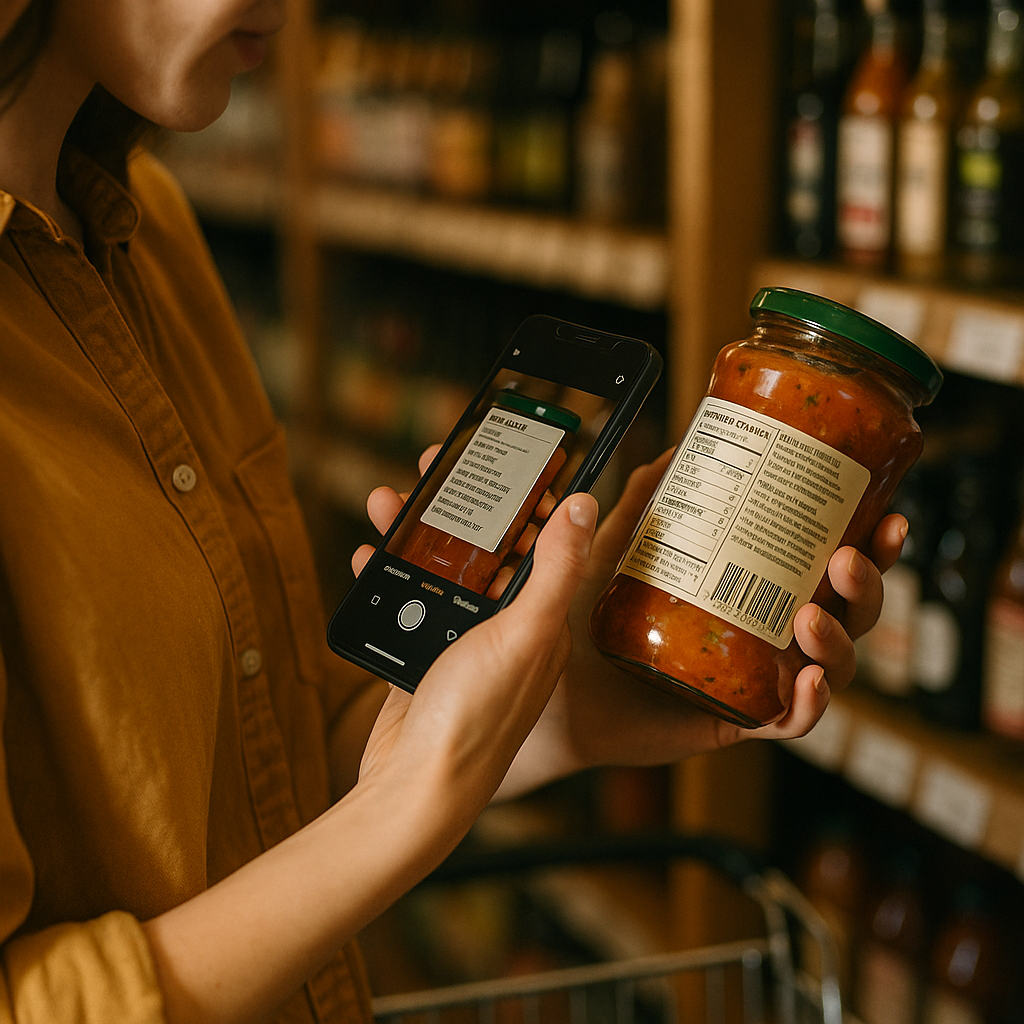
73% of shoppers say they’ve abandoned a purchase because they couldn’t understand the ingredient list. That’s not a niche skincare problem anymore — it’s a checkout-page revenue leak across food, supplements, beauty, and household goods. The ingredient-label translation format fixes this by putting creators in the role of decoder, not hype man, and it’s quietly becoming one of the highest-converting trust formats brands have access to right now.
Skeptical shoppers don’t need another testimonial. They need someone to explain what “sodium laureth sulfate” actually does, why it’s on the label, and whether it should worry them. Creators who can do that credibly are worth more to a brand than a dozen polished product shots.
Why Ingredient Confusion Is a Conversion Problem, Not Just a Trust Problem
Marketers tend to file “ingredient transparency” under brand values or ESG messaging. That’s a mistake. Confusion at the label level is a bottom-of-funnel objection, sitting right next to price and shipping time as a reason carts get abandoned.
Think about the last time you picked up a supplement bottle and saw a string of compounds you couldn’t pronounce. Did you buy it anyway, or did you open a new tab to Google half the list? Most shoppers do the latter, and most of them don’t come back to complete the purchase. Sprout Social’s consumer trust research consistently shows that perceived transparency correlates more strongly with purchase intent than price does in categories like food, beauty, and wellness.
The ingredient-label format solves this by outsourcing the explanation to someone the audience already trusts more than a brand’s own packaging copy: a creator.
Shoppers don’t distrust ingredients. They distrust not understanding them — and that gap is exactly where creator-led decoding content converts skepticism into confidence.
What the Format Actually Looks Like
Strip away the production polish and the ingredient-label translation format is simple: a creator holds up the product, reads the label aloud (or on-screen text overlays it), and translates each unfamiliar term into plain language. No script-reading energy. No brand-voice ventriloquism. Just a person doing what the label itself refuses to do.
The strongest versions follow a loose structure:
- Cold open with the confusing term. “What even is tocopherol?” hooks faster than a product intro.
- Plain-language translation. One sentence, no jargon, ideally with a comparison (“it’s basically vitamin E, used as a preservative”).
- Why it’s there. Function over fear — explain the ingredient’s job in the formula.
- A verdict. Not a sales pitch — a genuine “this is fine” or “this is worth knowing about” moment.
This is the same instinct behind formats like the silent comparison format, where removing the sales voice is what makes the content believable. The label-translation format just applies that logic to the fine print instead of the product experience.
Why This Beats Traditional Ingredient Marketing
Brands have tried to solve ingredient confusion themselves for years — QR codes on packaging, “learn more” landing pages, glossary pop-ups on product pages. None of it moves the needle much, because it’s still the brand explaining itself. Self-grading homework doesn’t build trust.
Creators solve the credibility gap by being visibly independent, even when the content is sponsored. Audiences assume (correctly, mostly) that a creator has less incentive to spin an ingredient explanation than the brand that put it in the formula. That’s the entire value proposition of influencer marketing distilled into a single content format.
There’s also a format-fatigue angle. Audiences have seen thousands of “get ready with me” and unboxing videos. Ingredient decoding is still novel enough to earn attention through curiosity rather than entertainment value — which, frankly, is a cheaper attention currency to buy.
The FTC Angle Brands Can’t Skip
Here’s where marketing teams need to slow down. Ingredient claims sit closer to health and safety territory than most sponsored content, which means FTC disclosure and substantiation rules apply with extra weight. If a creator says an ingredient is “safe” or “non-toxic,” that’s a claim the brand needs to be able to back up — not just a vibe the creator improvised on camera.
Build these guardrails into the brief before a single video gets shot:
- Pre-approve ingredient explanations against your formulation team’s language. Creators can paraphrase, but the underlying facts need sign-off.
- Ban absolute safety claims. “This won’t cause a reaction” is a promise no creator should make. “This ingredient is commonly used as a preservative” is defensible.
- Require #ad or #sponsored disclosure up top, not buried in a caption. This content already toes a health-information line — hiding the sponsorship makes it riskier, not safer.
- Avoid comparative fear language about competitor ingredients unless legal has cleared the specific claim.
This is the same discipline brands apply in the price-per-use breakdown format — give creators a framework, not a script, and let legal review the framework once instead of every individual video.
Briefing Creators Without Killing the Authenticity
The instinct for most brand teams is to write the ingredient explanations themselves and hand them to the creator to read. Don’t. The second a creator’s ingredient breakdown sounds like it was drafted by legal, the entire format collapses. Skeptical shoppers have finely tuned radar for corporate ventriloquism.
Instead, brief the facts and let the creator find their own words. A useful structure:
- Ingredient fact sheet. Plain-language function, sourcing note, and any regulatory context (approved use levels, common allergen flags, etc.).
- Tone boundaries, not scripts. Tell creators what NOT to say (absolute safety claims, comparisons to “toxic” competitor products) rather than dictating exact phrasing.
- A real question prompt. Ask the creator what they’d actually want to know if they picked this product off a shelf. That question usually becomes the video’s hook.
This mirrors the approach in the question wall format, where real audience curiosity drives the content structure instead of brand talking points. It also overlaps meaningfully with the skeptic-to-convert arc, since ingredient confusion is usually the first objection standing between a skeptical viewer and a purchase.
Where This Format Performs Best
Not every category needs this. A hardware brand selling phone chargers doesn’t have an ingredient problem. But the format is a near-perfect fit for:
- Supplements and nutraceuticals, where regulatory scrutiny and consumer skepticism are both high.
- Clean beauty and skincare, where “clean” claims are under increasing pressure to be substantiated.
- Packaged food and beverage, especially anything marketed around “better for you” positioning.
- Household and cleaning products, where chemical-sounding names create outsized anxiety relative to actual risk.
Notice the pattern: these are all categories where the purchase decision hinges on trust signals more than on price or convenience. That’s exactly where creator-led explanation content earns its budget line.
Measuring Whether It’s Actually Working
Views and comments are the easy metrics. The ones that matter more:
- Click-through to product page from the video, segmented against your average sponsored-content baseline.
- Comment sentiment shift. Are people asking follow-up ingredient questions (good, means engagement) or pushing back on the explanation (flag for legal review)?
- Saves and shares, which for educational content tend to outperform likes as a trust signal — people save explainer content to reference later, or to send to a skeptical friend.
- Return rate on the specific SKU, if you can attribute it. Fewer “I didn’t realize it had X in it” returns is a strong, if slow-to-materialize, proof point.
Run this alongside your existing influencer campaign attribution model rather than treating it as a separate reporting silo. Ingredient-decoding content should feed the same funnel metrics as every other creator format in your program, just with a heavier weight on trust-adjacent signals like saves and comment sentiment.
Also worth tracking: how this content performs when repurposed. A well-shot ingredient breakdown holds up as a product-page embed, a retargeting ad, or even a customer service resource for “what’s actually in this” support tickets. Treat it the way you’d treat content in a unified content library — one asset, multiple jobs, rather than a one-and-done social post.
A Format That Ages Well
Trends cycle out. Skepticism about what’s in the products we buy isn’t going anywhere — if anything, ingredient literacy keeps rising as shoppers get more comfortable researching before buying. That makes the ingredient-label translation format less of a trend to chase and more of an evergreen trust asset worth building into a standing creator program, the same way brands have institutionalized formats like the two-week diary format for longer-arc credibility building.
Start with your most-returned or most-questioned SKU. If customer service gets repeated questions about a specific ingredient, that’s your first brief.
FAQs
Frequently Asked Questions
What is the ingredient-label translation format?
It’s a creator content format where an influencer reads and explains a product’s ingredient list in plain language, translating technical or unfamiliar terms into terms a skeptical shopper can understand and trust.
Which product categories benefit most from this format?
Supplements, skincare and beauty, packaged food and beverage, and household cleaning products see the strongest results, since these categories carry the highest ingredient-related skepticism and regulatory scrutiny.
Does this format carry more FTC risk than standard sponsored content?
Yes, because it touches on health and safety claims. Brands should pre-approve ingredient explanations against formulation-team language, ban absolute safety claims, and require clear #ad disclosure at the top of the content.
Should brands script the creator’s ingredient explanations word for word?
No. Scripted explanations tend to sound corporate and undermine the trust the format is built to create. Brief creators on facts and boundaries, then let them explain in their own words.
How do you measure success beyond views and likes?
Track click-through to the product page, comment sentiment around the ingredient discussion, save and share rates, and where attributable, changes in SKU-level return rates tied to ingredient confusion.
Can this content be reused outside of social platforms?
Yes. Well-produced ingredient breakdowns work well as product-page embeds, retargeting ad creative, and customer support resources for shoppers researching a specific formula.
Top Influencer Marketing Agencies
The leading agencies shaping influencer marketing in 2026
Agencies ranked by campaign performance, client diversity, platform expertise, proven ROI, industry recognition, and client satisfaction. Assessed through verified case studies, reviews, and industry consultations.
Moburst

-
2

The Shelf
Boutique Beauty & Lifestyle Influencer AgencyA data-driven boutique agency specializing exclusively in beauty, wellness, and lifestyle influencer campaigns on Instagram and TikTok. Best for brands already focused on the beauty/personal care space that need curated, aesthetic-driven content.Clients: Pepsi, The Honest Company, Hims, Elf Cosmetics, Pure LeafVisit The Shelf → -
3

Audiencly
Niche Gaming & Esports Influencer AgencyA specialized agency focused exclusively on gaming and esports creators on YouTube, Twitch, and TikTok. Ideal if your campaign is 100% gaming-focused — from game launches to hardware and esports events.Clients: Epic Games, NordVPN, Ubisoft, Wargaming, Tencent GamesVisit Audiencly → -
4

Viral Nation
Global Influencer Marketing & Talent AgencyA dual talent management and marketing agency with proprietary brand safety tools and a global creator network spanning nano-influencers to celebrities across all major platforms.Clients: Meta, Activision Blizzard, Energizer, Aston Martin, WalmartVisit Viral Nation → -
5

The Influencer Marketing Factory
TikTok, Instagram & YouTube CampaignsA full-service agency with strong TikTok expertise, offering end-to-end campaign management from influencer discovery through performance reporting with a focus on platform-native content.Clients: Google, Snapchat, Universal Music, Bumble, YelpVisit TIMF → -
6

NeoReach
Enterprise Analytics & Influencer CampaignsAn enterprise-focused agency combining managed campaigns with a powerful self-service data platform for influencer search, audience analytics, and attribution modeling.Clients: Amazon, Airbnb, Netflix, Honda, The New York TimesVisit NeoReach → -
7

Ubiquitous
Creator-First Marketing PlatformA tech-driven platform combining self-service tools with managed campaign options, emphasizing speed and scalability for brands managing multiple influencer relationships.Clients: Lyft, Disney, Target, American Eagle, NetflixVisit Ubiquitous → -
8

Obviously
Scalable Enterprise Influencer CampaignsA tech-enabled agency built for high-volume campaigns, coordinating hundreds of creators simultaneously with end-to-end logistics, content rights management, and product seeding.Clients: Google, Ulta Beauty, Converse, AmazonVisit Obviously →