


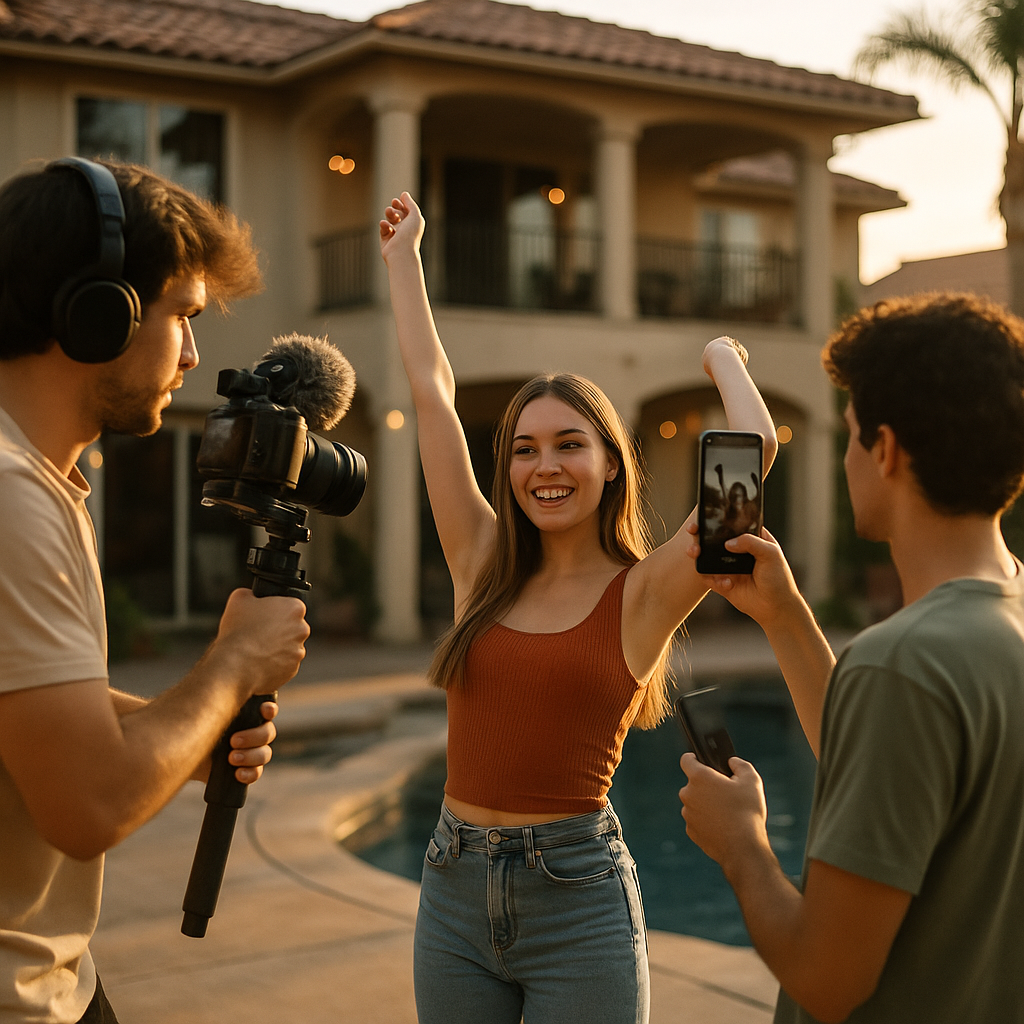
The creator house phenomenon has redefined how online influencers collaborate, monetize, and scale their personal brands. This business model brings together content creators under one roof, leveraging collective creativity and audience cross-pollination. But as creator houses soar in popularity in 2025, questions about sustainability and risk are more pressing than ever. Are creator houses worth the hype?
The Origins and Evolution of Creator Houses
Creator houses—residences where digital influencers live and work together—first emerged as a novel experiment in collaboration and content creation. Early successes on platforms like TikTok and YouTube fueled their popularity. Today, the creator house model has matured, often backed by agencies or investors aiming to professionalize influencer marketing. The draw is simple: uniting diverse talents delivers viral moments and cross-promotion, giving all residents exposure to new audiences.
What’s changed in 2025? Creator houses are no longer ad-hoc experiments. Many now operate as formal businesses, complete with legal agreements, brand deals, and creative direction. The focus has shifted from just generating viral posts to building sustainable digital brands.
How the Creator House Business Model Generates Revenue
At the heart of the creator house business model lies a unique approach to monetization. Multiple streams of income combine to drive impressive revenue potential. These include:
- Brand partnerships: Companies pay houses for sponsored content and product placements, reaping the benefits of access to multiple influencers and their aggregated audiences.
- Shared ad revenue: Collective channels such as a house YouTube account pool views, leading to higher ad revenue versus individual efforts.
- Merchandise sales: Custom merchandise—often exclusive to the house—uses the group’s shared identity to boost sales and foster fandom.
- Live events and appearances: Meet-ups, tours, and live streams offer monetizable fan engagement opportunities.
- Platform incentives: Some social media platforms offer creator funds, providing rewards based on engagement and innovation.
Many houses negotiate as a unit, giving them a collective bargaining advantage when securing brand deals or promotional opportunities.
Collaboration and Audience Growth: The Key to Creator House Success
Collaboration is the lifeblood of any creator house. When influencers pool their expertise and followers, organic audience growth accelerates. According to a 2025 Influencer Marketing Hub report, collaboration increases average engagement rates by 28% compared to solo content.
What’s responsible for this success? A few factors stand out:
- Cross-promotion lets creators reach untapped audiences within the house.
- Co-created content generates fresh ideas and viral trends more quickly.
- Peer-driven feedback sharpens individual skills and content quality.
This synergy results not just in more content, but often in better content—vital for standing out in the competitive creator economy.
Legal, Financial, and Ethical Risks in Creator Houses
Despite the rewards, creator houses present significant risks, from financial disagreements to personal conflicts. Common concerns in 2025 include:
- Legal disputes: Without clear contracts, disputes over revenue sharing and intellectual property often arise. Mere verbal agreements are insufficient; formal documentation is essential for long-term partnerships.
- Financial transparency: When multiple streams of income are pooled and distributed, any opacity can fuel mistrust. Robust financial systems and regular audits are critical for protecting all members’ interests.
- Brand reputation risks: One member’s misstep—a problematic post or controversy—can damage the entire house’s reputation and future earnings.
- Mental health impacts: Pressures of ‘always-on’ content creation and group living can induce burnout, anxiety, and conflict. In 2025, top creator houses now employ wellness professionals to mitigate these issues.
- Intellectual property confusion: Clear ownership of collaborative works, trademarks, and branding must be defined early to avoid costly legal battles.
It’s increasingly common for creator houses to function as limited liability companies (LLCs) or similar legal entities. This structure helps shield individual residents from collective liabilities and formalizes rights and responsibilities.
Sustainability of the Creator House Model in 2025
While creator houses have delivered remarkable short-term results, questions remain about their long-term sustainability. As the influencer landscape matures, several challenges emerge:
- Turnover and burnout: High stress, creative fatigue, and lifestyle mismatch drive frequent resident changes. This disrupts collaborative synergy and can alienate loyal fans.
- Market oversaturation: Imitators flood the space, diluting the novelty that once gave creator houses their edge.
- Platform changes: Algorithm tweaks or changing platform policies can alter revenue opportunities overnight, making overreliance on any single platform risky.
- Brand fatigue: Audiences may tire of overly formulaic or branded content, demanding greater authenticity and innovation.
To address these risks, some creator houses are reinventing themselves as media companies, diversifying content formats and revenue sources beyond social platforms. Others invest in training, mental health, and more flexible living arrangements to keep talent engaged and healthy over time.
Best Practices for Aspiring Creator House Entrepreneurs
For influencers and investors eyeing the creator house model in 2025, several success factors are clear:
- Set clear expectations: Define each member’s creative role, financial stake, and responsibilities upfront. Contracts are non-negotiable.
- Pursue diversity: A varied mix of skills, platforms, and backgrounds delivers richer content and broader audience appeal.
- Balance business with culture: Sustained success depends on strong group dynamics and mutual respect, not just financial incentives.
- Prioritize well-being: Regular downtime, conflict resolution support, and professional guidance can prevent burnout and miscommunication.
- Build for adaptability: A resilient business model anticipates trends, algorithm shifts, and evolving audience interests.
By following these best practices, creator houses can move beyond viral moments to build enduring value in the influencer economy.
Conclusion: Creator Houses, Risks, and the Road Ahead
The creator house phenomenon remains a powerful engine for influencer marketing, revenue generation, and brand building. However, its risks—legal, financial, and personal—require careful planning and transparency. For those who invest in strong foundations and creative collaboration, creator houses will continue to shape the future of online influence in 2025 and beyond.
FAQs: Creator House Phenomenon and Business Model
- What is a creator house?
A creator house is a shared residence where digital influencers live and create content together, pooling audiences and leveraging group creativity for greater reach and revenue. - How do creator houses make money?
Revenue is typically generated from brand deals, shared ad revenue, merchandise sales, live events, and, in some cases, platform incentives or subscription content. - Are creator houses sustainable?
While creator houses can deliver short-term gains, their long-term sustainability depends on legal structure, financial transparency, and the well-being of residents. Adaptable models are the most resilient. - What legal issues should creator houses watch for?
Common legal challenges include revenue-sharing disputes, intellectual property ownership, and liability concerns. Professional legal advice is essential for structuring agreements. - What risks are involved in joining a creator house?
Risks include financial disagreements, personal conflicts, reputation management, and potential burnout. Clear contracts and proactive support can help mitigate these challenges.
Top Influencer Marketing Agencies
The leading agencies shaping influencer marketing in 2026
Agencies ranked by campaign performance, client diversity, platform expertise, proven ROI, industry recognition, and client satisfaction. Assessed through verified case studies, reviews, and industry consultations.
Moburst

-
2

The Shelf
Boutique Beauty & Lifestyle Influencer AgencyA data-driven boutique agency specializing exclusively in beauty, wellness, and lifestyle influencer campaigns on Instagram and TikTok. Best for brands already focused on the beauty/personal care space that need curated, aesthetic-driven content.Clients: Pepsi, The Honest Company, Hims, Elf Cosmetics, Pure LeafVisit The Shelf → -
3

Audiencly
Niche Gaming & Esports Influencer AgencyA specialized agency focused exclusively on gaming and esports creators on YouTube, Twitch, and TikTok. Ideal if your campaign is 100% gaming-focused — from game launches to hardware and esports events.Clients: Epic Games, NordVPN, Ubisoft, Wargaming, Tencent GamesVisit Audiencly → -
4

Viral Nation
Global Influencer Marketing & Talent AgencyA dual talent management and marketing agency with proprietary brand safety tools and a global creator network spanning nano-influencers to celebrities across all major platforms.Clients: Meta, Activision Blizzard, Energizer, Aston Martin, WalmartVisit Viral Nation → -
5

The Influencer Marketing Factory
TikTok, Instagram & YouTube CampaignsA full-service agency with strong TikTok expertise, offering end-to-end campaign management from influencer discovery through performance reporting with a focus on platform-native content.Clients: Google, Snapchat, Universal Music, Bumble, YelpVisit TIMF → -
6

NeoReach
Enterprise Analytics & Influencer CampaignsAn enterprise-focused agency combining managed campaigns with a powerful self-service data platform for influencer search, audience analytics, and attribution modeling.Clients: Amazon, Airbnb, Netflix, Honda, The New York TimesVisit NeoReach → -
7

Ubiquitous
Creator-First Marketing PlatformA tech-driven platform combining self-service tools with managed campaign options, emphasizing speed and scalability for brands managing multiple influencer relationships.Clients: Lyft, Disney, Target, American Eagle, NetflixVisit Ubiquitous → -
8

Obviously
Scalable Enterprise Influencer CampaignsA tech-enabled agency built for high-volume campaigns, coordinating hundreds of creators simultaneously with end-to-end logistics, content rights management, and product seeding.Clients: Google, Ulta Beauty, Converse, AmazonVisit Obviously →