


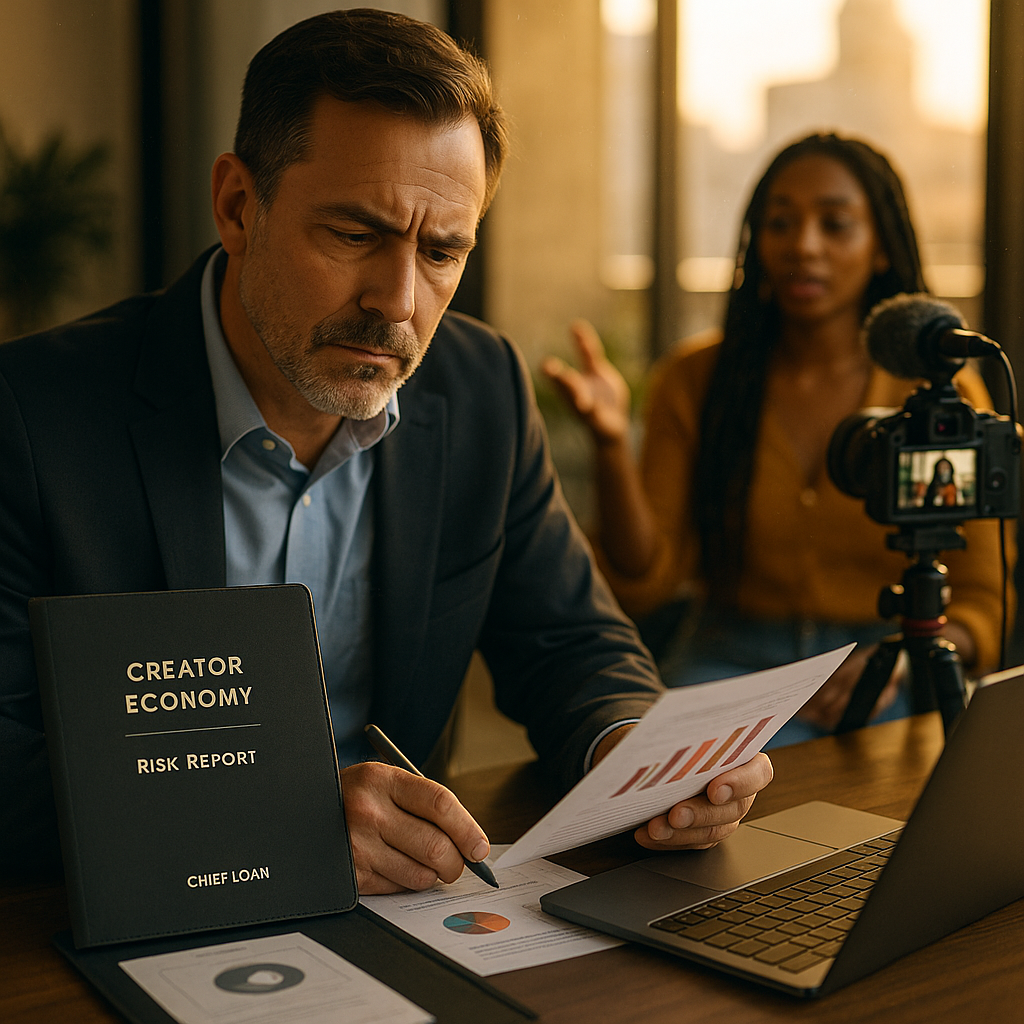
The Creator Economy is rapidly reshaping brand marketing, partnerships, and intellectual property law. For chief legal officers, managing risks in this dynamic landscape has become mission-critical. This guide offers a practical risk mitigation checklist for the creator economy, equipping CLOs with actionable steps to safeguard their organizations and empower compliant innovation. Are you ready to lead your business securely into 2025?
Creator Economy Trends and Key Risks for Legal Leaders
The creator economy, valued at over $250 billion in 2025, fuels new revenue streams via content creation, influencer marketing, and digital platforms. While growth abounds, so do legal challenges. Chief legal officers face issues from copyright disputes to contract ambiguity and privacy infringements. Understanding the evolving ecosystem is the first defense against risk in this digital gold rush.
Key areas of concern include:
- Intellectual property (IP) disputes—Misuse of images, audio, or video by creators, sometimes unintentionally.
- Advertising disclosures—Non-compliance with evolving ad and sponsorship guidelines.
- Platform policy changes—Frequent updates from TikTok, YouTube, Instagram, and emerging platforms.
- Data protection—Challenges regarding creator and audience privacy, especially for minors.
- Brand safety—Unvetted or non-compliant user-generated content harming corporate reputation.
Rising litigation and regulator attention make it essential for legal professionals to stay on top of these areas as they empower business teams to innovate.
Building Robust Intellectual Property Protection Strategies
With the proliferation of multimedia content and collaboration, IP infringement risks have escalated. In 2025, 61% of creators report using a mix of licensed, original, and “found” content. Legal leadership must proactively secure and monitor IP rights across all creator engagements.
- Conduct Content Audits: Review both inbound and outbound content for copyright and trademark compliance before posting or reuse.
- Champion Licenses and Permissions: Mandate that creators and influencers secure proper licenses for music, stock assets, and collaborative works.
- Leverage Technology: Use IP monitoring tools and content fingerprinting to detect unauthorized use of your brand’s IP online.
- Train Internal Teams: Host robust onboarding and continuous training for marketing, social, and legal teams on mitigating copyright pitfalls in creator collaborations.
Robust documentation and up-to-date contracts help contain liability in case a dispute arises, ensuring your organization’s creative assets remain protected and enforceable.
Ensuring FTC, Platform, and Global Compliance
Staying compliant is more complex than ever in 2025, as cross-border campaigns and evolving platform rules must be navigated. The FTC and its international counterparts now aggressively regulate influencer disclosures and paid partnerships.
- Update Campaign Guidelines: Insist on clear, business-specific influencer campaign policies. Spell out disclosure requirements for every region of operation, reflecting laws in the US, EU, and APAC.
- Monitor Platform Policy Updates: Platforms such as YouTube and Instagram update their branded content and monetization requirements frequently. Designate team members to track these changes.
- Standardize Contract Clauses: Insert clauses requiring disclosure compliance and indemnification for violations, especially for cross-border creator partners.
- Audit for Compliance: Conduct post-campaign reviews to ensure all deliverables include appropriate hashtags, audible or visual cues, and platform-mandated disclosures.
Missing compliance in just one campaign can trigger regulator attention, fines, and reputational harm. Defensive documentation and agile policy updates reduce these exposures.
Data Privacy, Sponsorship, and Influencer Agreement Pitfalls
Data privacy remains a high-stakes issue. Many creators collect audience data through newsletters, contests, or app integrations. Global data laws (such as GDPR and CCPA equivalents) govern these interactions and have toughened in 2025 with steeper penalties for breaches.
- Vet Data Flows: Map all personal data touchpoints in your creator partnerships. Require Data Protection Agreements (DPAs) at onboarding.
- Review Sponsorship Terms: Ensure contracts require all creators and influencers to adhere to your privacy policy, notify you of breaches, and immediately halt activities if legal violations are identified.
- Clarify Ownership and Usage Rights: Specify who owns rights to derivative content, co-branded assets, and audience lists generated through collaborations. Avoid ambiguous or outdated template agreements.
- Fast-Track Incident Reporting: Develop an incident response checklist for rapid notification and remediation if a data leak or platform TOS violation surfaces.
These foundational steps keep your organization’s customer data—and its reputation—shielded from avoidable risks in creator alliances.
Brand Safety and Reputation Management in a Decentralized Era
Brands operate in a decentralized, always-on environment where creator missteps can go viral instantly. In 2025, 64% of brands experienced at least one social reputation incident due to a partner creator’s content or conduct.
- Implement Pre-Collaboration Vetting: Screen creators for past content, controversies, legal issues, and social sentiment before onboarding.
- Mandate Morals Clauses: Include termination and penalty provisions in contracts for conduct that could damage your brand’s image—even if it occurs outside paid campaigns.
- Enable Rapid Response Teams: Create ready-made protocols for social listening, crisis communication, and legal remediation in case of viral controversies connected to creator partners.
- Engage Internal Stakeholders: Bridge legal, PR, and marketing teams with clear process flows for swift risk evaluation and resolution.
Combining human judgment with automated monitoring platforms provides the agility needed to mitigate brand crises in today’s creator-powered landscape.
Risk Mitigation Checklist for Chief Legal Officers in the Creator Economy
Chief legal officers can future-proof risk strategies by following this actionable checklist:
- Assess and update all creator and influencer contracts at least quarterly.
- Centralize content audit and compliance review processes.
- Build relationships with key platforms to ensure early access to policy updates.
- Regularly train internal teams and creators on developments in copyright, data privacy, and ad disclosure law.
- Create and rehearse incident response plans for data leaks or reputational crises.
- Document campaign decisions meticulously for regulatory defense and future audits.
- Benchmark risk posture with industry peers and use published standards to evolve compliance frameworks.
Following these steps not only minimizes legal exposure but also empowers business teams to innovate confidently and compliantly alongside creators.
Frequently Asked Questions
-
What is the primary legal risk facing brands in the creator economy?
The leading risk remains intellectual property infringement due to the unauthorized use of content. Other significant risks include inadequate sponsorship disclosures, data privacy violations, and reputation damage from creator actions.
-
How often should legal teams review creator contracts in 2025?
Contracts should be reviewed quarterly and updated in response to major platform policy or regulatory changes to remain compliant.
-
How can companies ensure creator compliance with disclosures?
Companies must offer detailed, region-specific guidelines in contracts, continually monitor content, and provide mandatory training for creators on current disclosure laws and platform standards.
-
What steps help protect brand reputation in creator partnerships?
Vetting creators, using strong morality clauses, employing rapid response protocols, and integrating cross-functional teams are essential best practices for brand safety.
-
Are there automated tools to help legal teams monitor creator compliance?
Yes, in 2025 various AI-driven platforms offer real-time social, IP, and disclosure compliance monitoring, providing timely alerts and in-depth audit trails for legal teams.
The creator economy’s expansion is both an opportunity and a challenge for legal leaders. By implementing this risk mitigation checklist, chief legal officers can secure their organizations, ensuring sustainable growth and legal resilience in an era of continual digital reinvention.
Top Influencer Marketing Agencies
The leading agencies shaping influencer marketing in 2026
Agencies ranked by campaign performance, client diversity, platform expertise, proven ROI, industry recognition, and client satisfaction. Assessed through verified case studies, reviews, and industry consultations.
Moburst

-
2

The Shelf
Boutique Beauty & Lifestyle Influencer AgencyA data-driven boutique agency specializing exclusively in beauty, wellness, and lifestyle influencer campaigns on Instagram and TikTok. Best for brands already focused on the beauty/personal care space that need curated, aesthetic-driven content.Clients: Pepsi, The Honest Company, Hims, Elf Cosmetics, Pure LeafVisit The Shelf → -
3

Audiencly
Niche Gaming & Esports Influencer AgencyA specialized agency focused exclusively on gaming and esports creators on YouTube, Twitch, and TikTok. Ideal if your campaign is 100% gaming-focused — from game launches to hardware and esports events.Clients: Epic Games, NordVPN, Ubisoft, Wargaming, Tencent GamesVisit Audiencly → -
4

Viral Nation
Global Influencer Marketing & Talent AgencyA dual talent management and marketing agency with proprietary brand safety tools and a global creator network spanning nano-influencers to celebrities across all major platforms.Clients: Meta, Activision Blizzard, Energizer, Aston Martin, WalmartVisit Viral Nation → -
5

The Influencer Marketing Factory
TikTok, Instagram & YouTube CampaignsA full-service agency with strong TikTok expertise, offering end-to-end campaign management from influencer discovery through performance reporting with a focus on platform-native content.Clients: Google, Snapchat, Universal Music, Bumble, YelpVisit TIMF → -
6

NeoReach
Enterprise Analytics & Influencer CampaignsAn enterprise-focused agency combining managed campaigns with a powerful self-service data platform for influencer search, audience analytics, and attribution modeling.Clients: Amazon, Airbnb, Netflix, Honda, The New York TimesVisit NeoReach → -
7

Ubiquitous
Creator-First Marketing PlatformA tech-driven platform combining self-service tools with managed campaign options, emphasizing speed and scalability for brands managing multiple influencer relationships.Clients: Lyft, Disney, Target, American Eagle, NetflixVisit Ubiquitous → -
8

Obviously
Scalable Enterprise Influencer CampaignsA tech-enabled agency built for high-volume campaigns, coordinating hundreds of creators simultaneously with end-to-end logistics, content rights management, and product seeding.Clients: Google, Ulta Beauty, Converse, AmazonVisit Obviously →