


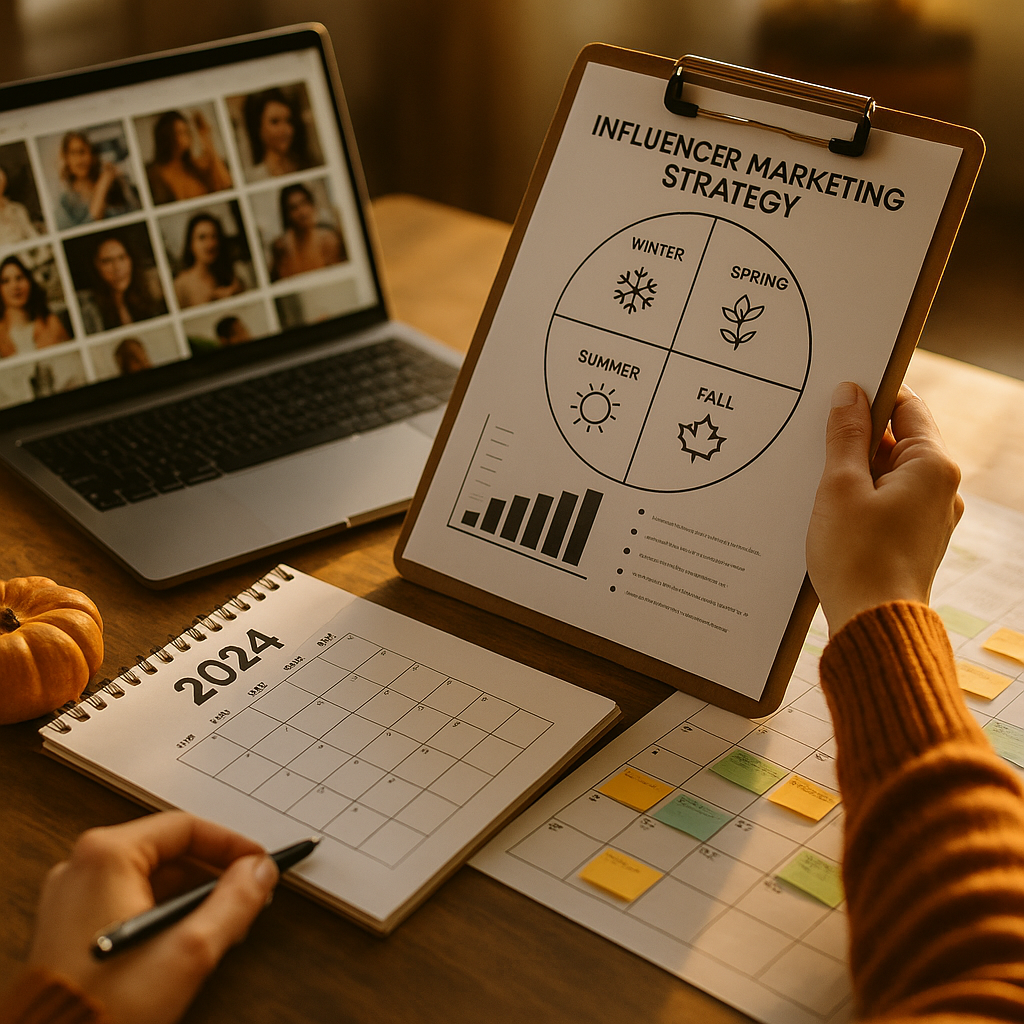
Seasonal influencer strategy planning empowers brands to harness the power of social media personalities at the right moments throughout the year. By aligning campaigns with consumer trends, you not only maximize reach but also drive real engagement. How can you create a year-round roadmap for influencer success and stay ahead of the competition? Let’s dive in.
Understanding Influencer Marketing Cycles
Brands must comprehend the annual rhythms in influencer marketing trends to create strategies that resonate and deliver results. Each quarter brings new consumer behaviors, platform updates, and emerging cultural conversations. Strategic seasonal influencer planning requires anticipating these cycles and responding proactively, rather than reactively. Recent research by Insider Intelligence shows that 78% of marketers are investing in influencer campaigns that align with seasonality to achieve higher ROI.
Key annual cycles include:
- Holidays and Events: Think global moments (Valentine’s Day, Black Friday, back-to-school, climate awareness months).
- Industry-Specific Peaks: For beauty, spring and summer launches; for fitness, New Year or summer body campaigns.
- Platform Trends: Algorithm updates and new content formats (such as Reels or AI-powered stories) often drive what content is prioritized and when.
Mapping out your industry’s calendar is your starting point. It guides content themes, influencer selections, and campaign timing for the greatest impact.
Setting SMART Goals for Seasonal Influencer Campaigns
To achieve meaningful outcomes, brands need to establish SMART (Specific, Measurable, Achievable, Relevant, Time-bound) goals for every seasonal influencer engagement. A vague goal like “increase engagement this summer” lacks focus. Instead, consider:
- Specific: Drive 20% more spring product page visits from Instagram Stories.
- Measurable: Track influencer-driven referral codes or landing page traffic.
- Achievable: Base KPIs on past seasonal performance, competitor benchmarks, or industry standards.
- Relevant: Align objectives with broader marketing goals and customer behaviors.
- Time-bound: Clearly define campaign start and end dates around the season or event.
Transparent goal-setting is critical for earning influencer trust. Sharing your objectives and expectations ensures everyone pulls toward the same outcomes, making your collaborations efficient and rewarding.
Finding and Vetting the Right Seasonal Influencers
Choosing the right creators for your seasonal influencer activation is far more than a numbers game. Relevance, authenticity, and timing are paramount. Today’s consumers value influencers who genuinely embody the season’s spirit—whether that’s fall coziness, summer adventure, or New Year self-improvement.
How to identify and vet seasonal partners:
- Audience Insights: Look for creators whose following matches your target demographic and who see seasonal spikes in engagement.
- Content Relevance: Review prior seasonal posts to ensure alignment in style and message.
- Engagement Metrics: Go beyond follower counts. High engagement rates during previous seasons (likes, shares, comments) are a green flag.
- Collaboration History: Track influencers’ past seasonal partnerships—transparency and positive prior experiences are key indicators.
- Compliance: Ensure influencers understand disclosure guidelines, fair compensation, and are willing to provide performance metrics.
Utilize data-driven platforms or in-house analytics to streamline this selection. An effective match is one where the creator’s passion and expertise naturally connect with your seasonal theme and target consumers.
Crafting Timely, Authentic Seasonal Content
A successful seasonal influencer strategy hinges on content that feels timely, on-brand, and authentically connected to the audience’s current interests. As of 2025, short-form video, interactive polls, and user-generated content top the list for engagement milestones during seasonal spikes.
Best practices for content development:
- Co-creation: Involve influencers early in the planning for more creative, bespoke ideas.
- Storytelling: Avoid overly scripted or salesy content. Focus on real-life moments that tie your product or message to the season’s mood.
- Visual Consistency: Ensure campaigns echo your brand’s seasonal look—be it vibrant summer palettes or muted winter tones.
- Interactivity: Integrate live Q&As, seasonal challenges, or giveaways to boost participation and shareability.
- Tactical Timing: Schedule posts to align with peak seasonal interest—for example, fitness content just ahead of New Year’s resolution season.
Staying agile is key. Monitor trends and be ready to pivot creative approaches should engagement or sentiment shift mid-campaign.
Measuring and Optimizing Seasonal Campaign Performance
Comprehensive measurement is essential to gauge your seasonal influencer strategy’s real-world impact. Leading marketers in 2025 are leveraging robust analytics, AI-driven sentiment analysis, and sales conversion tracking to inform ongoing optimizations and future plans.
Core metrics to track:
- Engagement Rates: Includes likes, comments, shares, and saves—broken down by content format, time, and influencer.
- Traffic and Conversions: Use UTM codes, affiliate links, or platform analytics to measure click-throughs and sales resulting from influencer activity.
- Brand Sentiment: Monitor comments and mentions to assess shifts in brand perception tied to the season.
- Influencer Feedback: Gather post-campaign feedback from partners to identify what worked and what could improve next season.
Continuous improvement is the hallmark of advanced influencer marketing. Routinely review performance data, conduct competitor benchmarking, and use insights to fine-tune your campaigns season after season.
Building Long-Term Seasonal Influencer Partnerships
Brands are moving away from one-off partnerships in favor of nurturing long-term influencer relationships that span multiple seasonal cycles. This approach fosters trust, encourages deeper brand affinity, and produces more impactful content over time.
How to cultivate sustained seasonal collaborations:
- Multi-Season Contracts: Offer year-long or rolling agreements to lock in rising stars before peak demand surges.
- Consistent Communication: Include influencers in early planning and debrief sessions for full continuity.
- Exclusive Perks: Offer early product access, creative control, or input into seasonal launches.
- Mutual Growth: Prioritize relationships with creators who also aim to grow and innovate with your brand each season.
- Recognition: Celebrate influencer achievements and share campaign wins publicly.
Sustained partnerships create a narrative thread across the seasons, building audience anticipation and deepening connections between influencer, brand, and customer.
FAQs: Seasonal Influencer Strategy Planning
-
Why is seasonal influencer planning important?
Seasonal planning ensures your campaigns are timely, relevant, and aligned with consumer interests, boosting reach and engagement while maximizing marketing ROI during key periods of the year.
-
How far in advance should I start planning seasonal influencer campaigns?
Ideally, start 3-6 months ahead of major seasons or events to secure top influencers, co-create content, and align your campaign timeline with key audience moments.
-
What’s the best way to measure the success of a seasonal influencer campaign?
Track both quantitative (engagement rates, traffic, sales conversions) and qualitative (brand sentiment, influencer feedback) metrics to get a complete picture of campaign effectiveness.
-
How do I choose the right influencers for seasonal campaigns?
Look for creators whose audience, style, and past performance align with your brand’s values and the seasonal event’s spirit. Data-driven vetting reduces risk and enhances authenticity.
-
Can I use seasonal influencer content for other marketing channels?
Absolutely. Repurpose high-performing seasonal influencer content for your website, email marketing, paid ads, or in-store displays, maximising your campaign investment.
Effective seasonal influencer strategy planning keeps your brand consistently relevant and resonant year-round. Map your calendar, nurture top partnerships, and use data-driven insights for continuous optimization—so every season, you’re primed for success and lasting impact.
Top Influencer Marketing Agencies
The leading agencies shaping influencer marketing in 2026
Agencies ranked by campaign performance, client diversity, platform expertise, proven ROI, industry recognition, and client satisfaction. Assessed through verified case studies, reviews, and industry consultations.
Moburst

-
2

The Shelf
Boutique Beauty & Lifestyle Influencer AgencyA data-driven boutique agency specializing exclusively in beauty, wellness, and lifestyle influencer campaigns on Instagram and TikTok. Best for brands already focused on the beauty/personal care space that need curated, aesthetic-driven content.Clients: Pepsi, The Honest Company, Hims, Elf Cosmetics, Pure LeafVisit The Shelf → -
3

Audiencly
Niche Gaming & Esports Influencer AgencyA specialized agency focused exclusively on gaming and esports creators on YouTube, Twitch, and TikTok. Ideal if your campaign is 100% gaming-focused — from game launches to hardware and esports events.Clients: Epic Games, NordVPN, Ubisoft, Wargaming, Tencent GamesVisit Audiencly → -
4

Viral Nation
Global Influencer Marketing & Talent AgencyA dual talent management and marketing agency with proprietary brand safety tools and a global creator network spanning nano-influencers to celebrities across all major platforms.Clients: Meta, Activision Blizzard, Energizer, Aston Martin, WalmartVisit Viral Nation → -
5

The Influencer Marketing Factory
TikTok, Instagram & YouTube CampaignsA full-service agency with strong TikTok expertise, offering end-to-end campaign management from influencer discovery through performance reporting with a focus on platform-native content.Clients: Google, Snapchat, Universal Music, Bumble, YelpVisit TIMF → -
6

NeoReach
Enterprise Analytics & Influencer CampaignsAn enterprise-focused agency combining managed campaigns with a powerful self-service data platform for influencer search, audience analytics, and attribution modeling.Clients: Amazon, Airbnb, Netflix, Honda, The New York TimesVisit NeoReach → -
7

Ubiquitous
Creator-First Marketing PlatformA tech-driven platform combining self-service tools with managed campaign options, emphasizing speed and scalability for brands managing multiple influencer relationships.Clients: Lyft, Disney, Target, American Eagle, NetflixVisit Ubiquitous → -
8

Obviously
Scalable Enterprise Influencer CampaignsA tech-enabled agency built for high-volume campaigns, coordinating hundreds of creators simultaneously with end-to-end logistics, content rights management, and product seeding.Clients: Google, Ulta Beauty, Converse, AmazonVisit Obviously →