


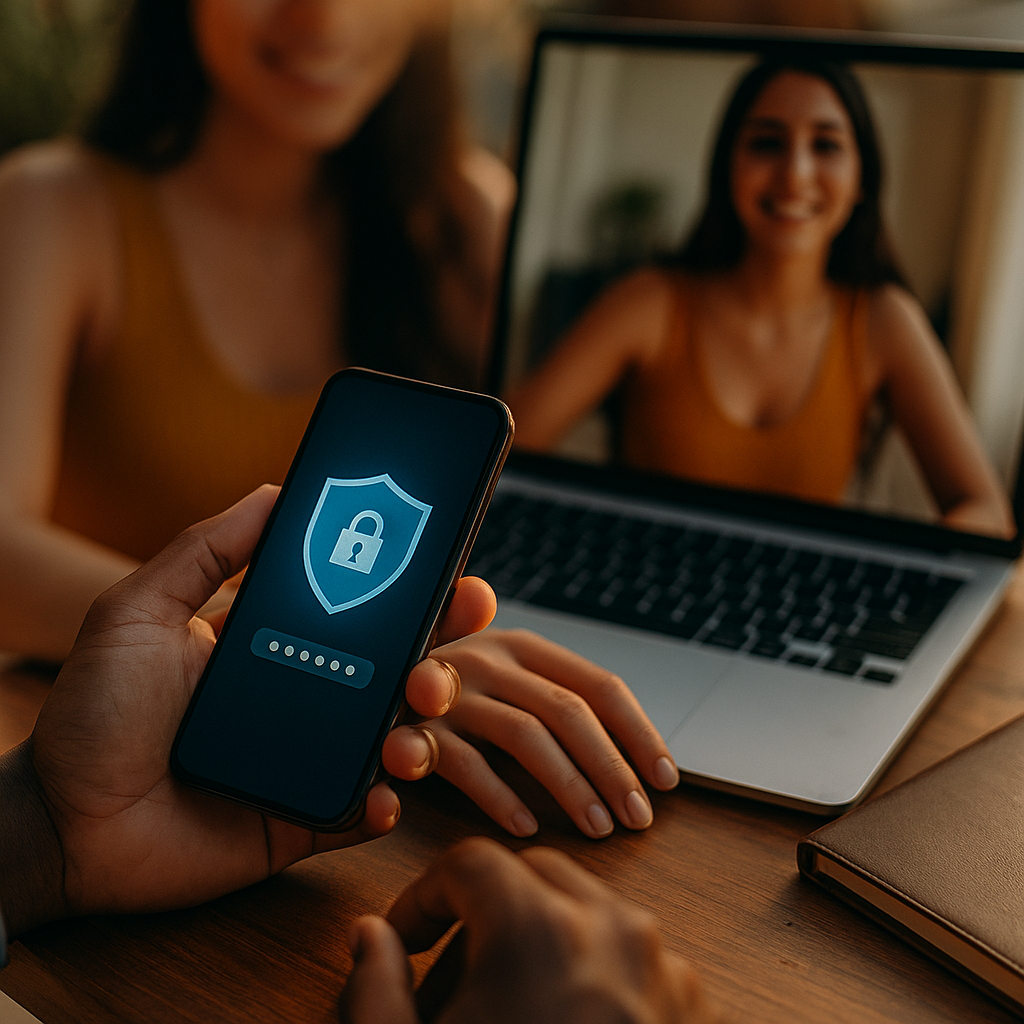
As more brands and creators collaborate online, data privacy best practices in influencer partnerships are vital. From compliance to reputational integrity, protecting personal data supports trustworthy campaigns and meaningful audience engagement. Ready to secure your next influencer campaign and boost your brand’s trustworthiness? Discover the proven strategies that set successful partnerships apart in today’s digital landscape.
Understanding Data Protection in Influencer Campaigns
Modern influencer partnerships rely on sharing and processing personal data—email lists, campaign results, and sensitive audience insights, to name a few. Data security is not only a legal necessity but also central to preserving trust between brands, influencers, and their audiences. As regulations like the General Data Protection Regulation (GDPR) and California Consumer Privacy Act (CCPA) have matured, following clear protocols is now a non-negotiable aspect of influencer marketing in 2025.
Brands and creators must agree on secure data handling from the very first discussion. This includes knowing what counts as personal data, recognizing risks related to influencer tech stacks, and understanding the lifecycle of collected information. The core principle? Every data point exchanged should be necessary, protected, and used transparently.
Securing Influencer Data: Legal Compliance in 2025
Legal compliance tops any checklist for influencer data privacy. In 2025, even micro-influencer campaigns may draw scrutiny under privacy regulations if data is mismanaged. To stay compliant:
- Audit existing data practices—Regularly review how data is collected, stored, and processed for campaigns, updating protocols as needed.
- Draft clear contracts—Include explicit data privacy terms in agreements, specifying what data is shared and how it will be used.
- Gain informed consent—Both influencers and audiences should know how their data is used. Use plain-language consent forms.
- Stay current with global laws—Monitor changes in privacy laws relevant to your campaign territories, as enforcement is expected to tighten in 2025.
Failing to adhere means risking fines or public backlash. Today’s audiences are data-savvy and will notice careless practices almost immediately.
Influencer Vetting and Secure Data Sharing Practices
Choosing the right influencer is about more than reach and relevance–it’s also about their approach to data. Vetting potential partners involves:
- Checking privacy policies—Influencers working with large amounts of data should have visible, current privacy policies.
- Reviewing past partnerships—See if there have been previous issues with data misuse or breaches.
- Assessing digital hygiene—Do they use secure platforms? Is two-factor authentication standard?
Once vetted, formalize secure data transfer protocols. Use encrypted file sharing for sensitive information and avoid open or public platforms. Limit access strictly to those who need it for campaign execution, and ensure data is either deleted or securely archived after campaign end.
Building Audience Trust Through Transparent Data Handling
Audience trust is earned by showing a commitment to transparent data privacy. In 2025, consumers expect brands to disclose exactly what data they (and their influencer partners) collect and why. Strategies for trust-building include:
- Publishing accessible privacy notices—Explain campaign data use in clear, consumer-friendly language.
- Offering opt-outs—Always let audiences withdraw consent at any campaign stage.
- Quickly responding to data inquiries—Build credibility by addressing concerns or requests for erasure promptly.
- Training staff and influencers—Both brand teams and creators should be up-to-date on privacy basics and crisis procedures.
Transparent policies and proactive communication can turn compliance into a competitive advantage.
Managing Data Breaches in Influencer Collaborations
No system is immune to risk. In the event of a data breach within an influencer partnership, speed and transparency are crucial. Best practices for managing breaches in 2025 include:
- Activate your response plan—Have a predefined crisis response that covers both brand and influencer actions.
- Notify all affected parties—Contact influencers, legal teams, audiences, and relevant authorities within regulatory time frames.
- Disclose with integrity—Share what happened, what data is affected, and how you’re addressing the issue, without delay or obfuscation.
- Review and learn—Audit your response and adapt protocols to mitigate future risks.
Being decisive and honest isn’t just required—it can actually reinforce long-term trust, turning a potential crisis into proof of your commitment to privacy.
Future-Proofing Your Influencer Marketing Privacy Strategy
Looking ahead, the influencer marketing landscape will keep evolving, and data protection strategies must evolve too. Invest in technology that automates privacy compliance—like consent management platforms and AI-driven audits. Continuous education for both brands and influencers ensures everyone understands their roles in meeting legal and ethical standards. As new digital trends emerge, the most resilient partnerships will always prioritize privacy by design.
In summary, adopting strong data privacy best practices in influencer partnerships builds trust, supports compliance, and protects both brand reputation and audience loyalty. The takeaway? Secure data handling isn’t just smart—it’s essential for lasting influencer campaign success in 2025.
Frequently Asked Questions
-
What personal data is commonly shared in influencer partnerships?
Brands and influencers often share contact information, campaign analytics, demographic details, and sometimes sensitive user insights. All such exchanges must have explicit consent and use secure transfer protocols. -
Do data privacy laws apply to small influencer campaigns?
Yes, even micro-influencer campaigns can be subject to GDPR, CCPA, or similar regulations if personal data is involved. Compliance measures are essential no matter the campaign’s scale. -
How can influencers demonstrate good data privacy practices?
Influencers should maintain updated privacy policies, use secure platforms, implement two-factor authentication, and only collect or store necessary personal data with appropriate consent. -
What should I do if a data breach occurs during a campaign?
Immediately activate your crisis response plan, notify all affected stakeholders and authorities, disclose full details promptly, and review your procedures for improvement. -
What tools help with data privacy management in influencer marketing?
Popular tools in 2025 include encrypted file sharing systems, consent management platforms, and AI-driven compliance solutions that automate privacy audits and record-keeping.
Top Influencer Marketing Agencies
The leading agencies shaping influencer marketing in 2026
Agencies ranked by campaign performance, client diversity, platform expertise, proven ROI, industry recognition, and client satisfaction. Assessed through verified case studies, reviews, and industry consultations.
Moburst

-
2

The Shelf
Boutique Beauty & Lifestyle Influencer AgencyA data-driven boutique agency specializing exclusively in beauty, wellness, and lifestyle influencer campaigns on Instagram and TikTok. Best for brands already focused on the beauty/personal care space that need curated, aesthetic-driven content.Clients: Pepsi, The Honest Company, Hims, Elf Cosmetics, Pure LeafVisit The Shelf → -
3

Audiencly
Niche Gaming & Esports Influencer AgencyA specialized agency focused exclusively on gaming and esports creators on YouTube, Twitch, and TikTok. Ideal if your campaign is 100% gaming-focused — from game launches to hardware and esports events.Clients: Epic Games, NordVPN, Ubisoft, Wargaming, Tencent GamesVisit Audiencly → -
4

Viral Nation
Global Influencer Marketing & Talent AgencyA dual talent management and marketing agency with proprietary brand safety tools and a global creator network spanning nano-influencers to celebrities across all major platforms.Clients: Meta, Activision Blizzard, Energizer, Aston Martin, WalmartVisit Viral Nation → -
5

The Influencer Marketing Factory
TikTok, Instagram & YouTube CampaignsA full-service agency with strong TikTok expertise, offering end-to-end campaign management from influencer discovery through performance reporting with a focus on platform-native content.Clients: Google, Snapchat, Universal Music, Bumble, YelpVisit TIMF → -
6

NeoReach
Enterprise Analytics & Influencer CampaignsAn enterprise-focused agency combining managed campaigns with a powerful self-service data platform for influencer search, audience analytics, and attribution modeling.Clients: Amazon, Airbnb, Netflix, Honda, The New York TimesVisit NeoReach → -
7

Ubiquitous
Creator-First Marketing PlatformA tech-driven platform combining self-service tools with managed campaign options, emphasizing speed and scalability for brands managing multiple influencer relationships.Clients: Lyft, Disney, Target, American Eagle, NetflixVisit Ubiquitous → -
8

Obviously
Scalable Enterprise Influencer CampaignsA tech-enabled agency built for high-volume campaigns, coordinating hundreds of creators simultaneously with end-to-end logistics, content rights management, and product seeding.Clients: Google, Ulta Beauty, Converse, AmazonVisit Obviously →