


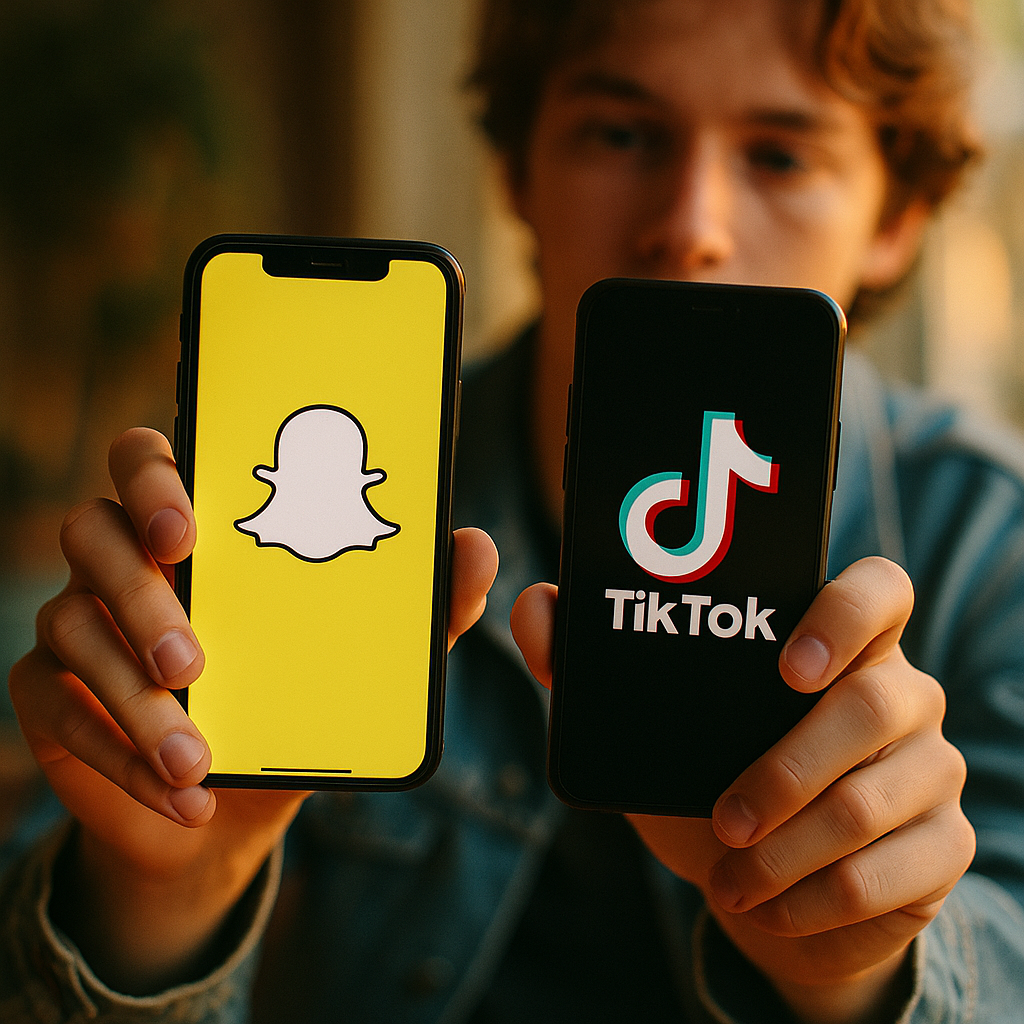
Snapchat vs TikTok for Gen Z marketing is a debate every digital strategist faces as brands chase the “cool factor.” While both platforms dominate the younger demographic, their behaviors, strengths, and content thrive differently. In this article, uncover the data, unique features, and proven strategies behind the battle for Gen Z’s attention—and your brand’s win.
Understanding Gen Z’s Digital Habits in 2025
Gen Z—digital natives born roughly between 1997 and 2012—now outnumber millennials on most major platforms. Their interconnectedness, skepticism toward traditional ads, and preference for authentic content define their online life. Recent surveys by Pew Research and Statista in 2025 show that:
- 88% of Gen Z users use at least one short-form video platform daily.
- Trust, entertainment value, and brand engagement drive their digital decisions.
- Gen Z favors networks that offer privacy, creative tools, and a sense of belonging.
Brand loyalty among Gen Z often hinges on how personally and creatively platforms allow them to express themselves—or connect with others. Brands must understand these drivers before choosing Snapchat or TikTok for campaigns.
Snapchat’s Strengths: Private Engagement and AR Innovation
Snapchat has anchored itself as the “close friends” platform, built on ephemeral messaging and privacy. Recent Snap Inc. data from 2025 indicates over 80% of U.S. teens use Snapchat weekly. Key strengths for Gen Z marketing include:
- Augmented Reality (AR) Lenses & Filters: Snapchat remains the preferred AR playground, with consistently updated creative tools for brands to sponsor or users to remix.
- Stories and Spotlight: Snap’s Stories—ephemeral daily updates—and Spotlight—a TikTok-like short-form video feed—foster discovery and authentic peer content.
- Privacy-first Messaging: The platform’s default to friend-based sharing means branded content can feel more personal and less invasive.
For marketers, Snapchat’s success with Bitmoji avatars and custom AR try-ons offers compelling opportunities for fashion, beauty, and lifestyle brands looking for organic, playful engagement. Ads integrate seamlessly within Stories, while “Snap Map” and location-based campaigns can drive in-person event traffic.
TikTok’s Strengths: Viral Boost and Algorithmic Discovery
TikTok’s explosion rests on its algorithm, rewarding novelty and engagement over follower count. As of 2025, TikTok boasts a global Gen Z user penetration of nearly 70%, with average daily time spent topping 70 minutes. Brands succeed on TikTok by:
- Embracing Trends: TikTok’s “For You Page” surfaces videos based on interest, not existing connections. Gen Z expects brands to play inside trending audio, memes, and challenges.
- Creator Collaboration: Influencers—micro, macro, and mega—serve as trusted taste-makers. Seamless partnership programs let brands co-create genuinely viral moments.
- Educational and Storytelling Content: “Edutok,” life hacks, quick DIYs, and behind-the-scenes narratives cut through the ad fatigue, especially when delivered with Gen Z authenticity.
TikTok’s in-app ad options (TopView, Branded Hashtag Challenges, Spark Ads) allow agile storytelling. E-commerce integration has soared in 2025, letting Gen Z shop directly from their favorite creators’ clips with minimal friction.
Content Styles: Which Resonates More With Gen Z?
Though both platforms champion short-form vertical video, their content cultures diverge. Understanding these can supercharge your campaign.
- Snapchat: Emphasis on intimacy, inside jokes, daily vlogging, and AR play. Friends-first sharing means “cringe” or overly promotional content is quickly skipped or snubbed.
- TikTok: Prioritizes public performance, trend participation, and discoverability. Quick editing, humor, and music overlays are expected. Gen Z leans into transparency—a “fly on the wall” vibe beats polished branding.
Gen Z craves authenticity. On Snapchat, this means brands become part of private chats or personalized AR experiences. On TikTok, success comes from speaking the language of the feed: humorous, unfiltered, and culturally relevant.
Advertising Performance: ROI and Best Practices in 2025
Brands investing in social spend must weigh reach, conversion, and brand lift. Recent HubSpot and Emarketer analyses (2025) reveal:
- Snapchat: Outperforms in-store traffic and hyper-local activations with Gen Z. Highly effective for awareness-to-loyalty pipelines, especially when AR is central.
- TikTok: Delivers triple the engagement, especially for viral launches, e-commerce, and cultural moments. TikTok’s rapid trend cycle can mean massive spikes but demands creative agility.
- Test and Learn: Short campaigns and A/B creative testing reveal which creative resonates before full spend.
- Lean Into Native Formats: Avoid “transplanting” content from other networks—each platform punishes inauthenticity.
- Creators as Connectors: On both platforms, creator-led messaging wins: Gen Z trusts peers over polished brands.
ROI can differ based on sector: retail and beauty thrive on both, but financial services and B2B may see better response rates on TikTok, where “FinTok” and #CareerTok empower aspirational communities.
Choosing the Right Platform For Your Gen Z Marketing Campaigns
Your decision should stem from campaign goals and content strengths, not just user volume. Consider:
- Brand Voice: Playful and “insider”? Snapchat. Outspoken, trend-driven? TikTok.
- Creative Resources: Have AR designers? Snap is your playground. Agile video editors? TikTok unlocks more scale.
- Measurement Focus: Seeking clicks and conversions? Track TikTok campaigns with e-commerce partners. Looking for loyalty and repeat engagement? Invest in Snap’s persistent features.
Advanced marketers in 2025 use both. Cross-platform strategies—such as seeding AR on Snapchat and launching trends on TikTok—can maximize incremental reach and reinforce messaging, provided each channel’s context is respected.
Conclusion: The Gen Z Marketing Platform Showdown
Both Snapchat and TikTok excel at capturing Gen Z’s fleeting attention, but their paths differ. Snapchat fosters private, creative, AR-fueled connection; TikTok delivers viral momentum and mass discovery. The optimal Gen Z marketing strategy in 2025 blends the personal and the public. Play to each platform’s strengths—and earn Gen Z loyalty through authenticity.
FAQs: Snapchat vs TikTok for Gen Z Marketing
-
Which platform is more popular with Gen Z in 2025?
TikTok leads in global time spent, but Snapchat remains dominant for daily private messaging and AR engagement among U.S. teens.
-
Is Snapchat or TikTok better for e-commerce?
TikTok’s native shop features and influencer commerce drive higher immediate conversions, while Snapchat supports brand discovery and longer-term loyalty-building.
-
Can smaller brands succeed on these platforms?
Absolutely. Both platforms empower micro and nano influencers. Creative, authentic storytelling trumps budget, especially on TikTok.
-
Is AR necessary for Snapchat marketing success?
No, but AR lenses and filters significantly boost engagement rates. Younger users expect brands to participate in playful, interactive formats.
-
Should brands invest in both Snapchat and TikTok?
Brands seeking holistic Gen Z coverage should activate both, tailoring content to fit each platform’s norms for maximum impact.
Top Influencer Marketing Agencies
The leading agencies shaping influencer marketing in 2026
Agencies ranked by campaign performance, client diversity, platform expertise, proven ROI, industry recognition, and client satisfaction. Assessed through verified case studies, reviews, and industry consultations.
Moburst

-
2

The Shelf
Boutique Beauty & Lifestyle Influencer AgencyA data-driven boutique agency specializing exclusively in beauty, wellness, and lifestyle influencer campaigns on Instagram and TikTok. Best for brands already focused on the beauty/personal care space that need curated, aesthetic-driven content.Clients: Pepsi, The Honest Company, Hims, Elf Cosmetics, Pure LeafVisit The Shelf → -
3

Audiencly
Niche Gaming & Esports Influencer AgencyA specialized agency focused exclusively on gaming and esports creators on YouTube, Twitch, and TikTok. Ideal if your campaign is 100% gaming-focused — from game launches to hardware and esports events.Clients: Epic Games, NordVPN, Ubisoft, Wargaming, Tencent GamesVisit Audiencly → -
4

Viral Nation
Global Influencer Marketing & Talent AgencyA dual talent management and marketing agency with proprietary brand safety tools and a global creator network spanning nano-influencers to celebrities across all major platforms.Clients: Meta, Activision Blizzard, Energizer, Aston Martin, WalmartVisit Viral Nation → -
5

The Influencer Marketing Factory
TikTok, Instagram & YouTube CampaignsA full-service agency with strong TikTok expertise, offering end-to-end campaign management from influencer discovery through performance reporting with a focus on platform-native content.Clients: Google, Snapchat, Universal Music, Bumble, YelpVisit TIMF → -
6

NeoReach
Enterprise Analytics & Influencer CampaignsAn enterprise-focused agency combining managed campaigns with a powerful self-service data platform for influencer search, audience analytics, and attribution modeling.Clients: Amazon, Airbnb, Netflix, Honda, The New York TimesVisit NeoReach → -
7

Ubiquitous
Creator-First Marketing PlatformA tech-driven platform combining self-service tools with managed campaign options, emphasizing speed and scalability for brands managing multiple influencer relationships.Clients: Lyft, Disney, Target, American Eagle, NetflixVisit Ubiquitous → -
8

Obviously
Scalable Enterprise Influencer CampaignsA tech-enabled agency built for high-volume campaigns, coordinating hundreds of creators simultaneously with end-to-end logistics, content rights management, and product seeding.Clients: Google, Ulta Beauty, Converse, AmazonVisit Obviously →