


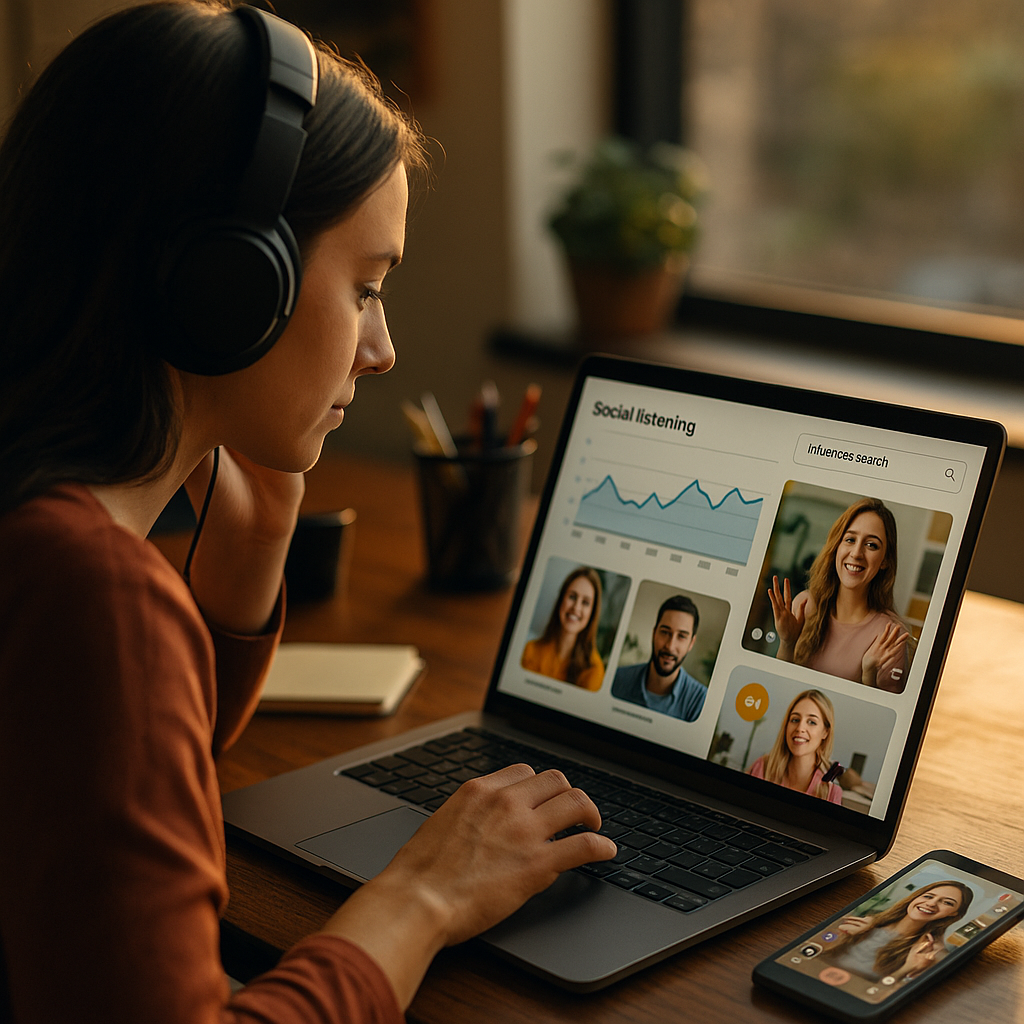
Social listening tools for influencer discovery and monitoring have become essential for brands aiming to identify partnerships and drive authentic engagement. Leveraging cutting-edge analytics, these platforms offer more than keyword tracking—they uncover trends and evaluate influencer impact. But which tools deliver the insights needed for 2025’s competitive digital ecosystem? Explore how you can transform influencer strategies for measurable results.
The Role of Social Listening in Influencer Discovery
Influencer discovery platforms powered by social listening are now central to successful marketing campaigns. Brands no longer rely on manual searches or gut feelings; instead, they utilize AI-driven tools that analyze billions of conversations across social networks. These platforms filter potential influencers based on audience relevance, engagement rates, niches, and even sentiment around specific topics. This targeted approach minimizes risk and ensures authentic alignment between brands and creators.
Modern social listening tools further enable brands to identify emerging talent before they gain mainstream traction. By monitoring trending hashtags, discussions, and content formats, marketers can spot micro and nano-influencers who genuinely shape consumer opinions. This proactive discovery supports both large-scale campaigns and hyper-local activations, creating a robust foundation for influencer collaborations in 2025.
Key Features of Leading Social Listening Tools for Analysis
Social media analytics platforms packed with intelligent features are vital for effective influencer discovery and ongoing monitoring. Among the most critical features are:
- Advanced filtering: Narrow down influencer lists by demographics, region, follower count, and content performance.
- Sentiment analysis: Understand how an influencer’s audience feels about specific topics or brands.
- Engagement metrics: Track likes, shares, comments, saves, and click-throughs for a holistic view of impact.
- Historical trend data: Evaluate consistency by analyzing engagement and content quality over time.
- Audience authenticity: Identify fake followers, suspicious engagement rates, and bot activity.
- Competitor benchmarking: Monitor which influencers are working with rival brands and learn from their strategies.
By combining these analytical capabilities, brands ensure data-driven decisions, optimize influencer budgets, and improve overall campaign outcomes.
How to Use Social Media Monitoring Tools for Brand Safety
Brand safety monitoring is essential as influencer partnerships become more visible and scrutinized. Social listening tools provide continuous oversight, sending real-time alerts for potential risks such as inappropriate content, drastic sentiment shifts, or negative publicity linked to an influencer.
Platforms with real-time media monitoring track both public posts and comments across all major social channels. Automated alerts help PR teams respond quickly, protecting brand reputation. Thanks to customizable monitoring dashboards, managers can define specific keywords, competitor mentions, or sensitive subjects to watch for—empowering brands to react swiftly and maintain alignment with core values.
This vigilance also helps brands ensure regulatory compliance, a growing concern as influencer marketing guidelines evolve. With robust monitoring, marketers can document campaign compliance, influencer disclosures, and content appropriateness—minimizing legal risks and safeguarding consumer trust.
Maximizing Campaign Success with Influencer Engagement Metrics
Influencer campaign tracking doesn’t end at selecting the right creator. Social listening tools are crucial for measuring campaign outcomes across the customer journey. Meaningful metrics go beyond vanity figures like follower count. Instead, brands track:
- Reach: Total audience exposed to a campaign message, including shares and reposts.
- Engagement rate by post: The ratio of interactions to audience size, indicating resonance and content quality.
- Traffic and conversions: Direct impact on website visits and sales attributed to influencer activity.
- Share of voice: The brand’s presence in relevant conversations versus competitors, mapped over time.
- Brand sentiment lifts: Shifts in perception and sentiment during and after influencer campaigns.
By implementing ongoing monitoring, brands can compare campaign ROI by influencer, refine future collaborations, and strategically reallocate investments for optimal growth in 2025’s dynamic landscape.
Choosing the Right Social Listening Tool for Influencer Marketing
Choosing a social listening solution requires precise alignment with your brand’s objectives, resources, and audience. The market offers a spectrum of tools, from enterprise-scale analytics suites to nimble plug-ins designed for growing businesses. Consider these evaluation criteria:
- Data coverage: Ensure the platform analyzes all key networks (Instagram, TikTok, YouTube, LinkedIn, X, and emerging spaces).
- Integration: Seamless links with CRM, analytics, and campaign management software amplify usability and data accuracy.
- User experience: Intuitive dashboards, customizable reports, and actionable insights save time and drive adoption across teams.
- Scalability: Pick tools that accommodate expanding influencer programs and multiple regions or brands within your organization.
- Support and training: Responsive help desks and continuous education ensure your investment unlocks maximum value.
By aligning these considerations with your influencer discovery and monitoring goals, you boost campaign efficiency and foster more impactful partnerships.
Future Trends: AI and Automation in Influencer Monitoring
AI in influencer marketing has evolved from experimental to indispensable by 2025. The latest social listening solutions deploy generative AI to forecast influencer success, recommend ideal posting times, and even draft campaign briefs personalized for each creator. Automated sentiment analysis now distinguishes between sarcasm, support, and subtle audience reactions in real time, producing nuanced brand intelligence unavailable in manual reviews.
Looking ahead, integrations with e-commerce platforms will close attribution loops between influencer content and in-cart actions, making ROI measurement seamless. Automated competitor analysis unveils shifts in competitive strategy, while predictive modeling alerts marketers about trending topics or rising creators before viral moments unfold.
Embracing these AI-driven advancements lets brands operate ahead of emerging risks and opportunities—transforming influencer marketing from intuitive art into strategic science.
In summary, social listening tools for influencer discovery and monitoring power smarter, safer, and more authentic brand collaborations. By embracing advanced analytics, robust monitoring, and AI-driven insights, marketers will unlock efficiencies and maximize campaign returns in 2025’s fast-moving digital landscape.
FAQs about Social Listening Tools for Influencer Discovery and Monitoring
-
What is a social listening tool, and why is it important for influencer discovery?
A social listening tool analyzes online conversations, trends, and sentiment across social media. For influencer discovery, it uncovers creators who align with your brand and evaluates their authenticity, impact, and audience relevance.
-
How do social listening tools detect fake followers or engagement?
Advanced tools use machine learning to spot irregular follower growth, suspicious engagement patterns, and bot accounts, helping brands avoid influencers with inauthentic audiences.
-
Can social listening tools monitor influencers across all social networks?
Leading platforms cover mainstream channels like Instagram, TikTok, YouTube, LinkedIn, and X, plus some emerging platforms. Always verify data coverage before subscribing.
-
How do social listening tools help with brand safety?
They monitor influencer content for risks, such as inappropriate posts or drastic sentiment changes, and send real-time alerts, allowing brands to act quickly to protect their reputation.
-
What are some key metrics to track with social listening tools in influencer campaigns?
Track engagement rates, reach, traffic and conversion data, share of voice, and brand sentiment shifts for a comprehensive view of campaign impact.
Top Influencer Marketing Agencies
The leading agencies shaping influencer marketing in 2026
Agencies ranked by campaign performance, client diversity, platform expertise, proven ROI, industry recognition, and client satisfaction. Assessed through verified case studies, reviews, and industry consultations.
Moburst

-
2

The Shelf
Boutique Beauty & Lifestyle Influencer AgencyA data-driven boutique agency specializing exclusively in beauty, wellness, and lifestyle influencer campaigns on Instagram and TikTok. Best for brands already focused on the beauty/personal care space that need curated, aesthetic-driven content.Clients: Pepsi, The Honest Company, Hims, Elf Cosmetics, Pure LeafVisit The Shelf → -
3

Audiencly
Niche Gaming & Esports Influencer AgencyA specialized agency focused exclusively on gaming and esports creators on YouTube, Twitch, and TikTok. Ideal if your campaign is 100% gaming-focused — from game launches to hardware and esports events.Clients: Epic Games, NordVPN, Ubisoft, Wargaming, Tencent GamesVisit Audiencly → -
4

Viral Nation
Global Influencer Marketing & Talent AgencyA dual talent management and marketing agency with proprietary brand safety tools and a global creator network spanning nano-influencers to celebrities across all major platforms.Clients: Meta, Activision Blizzard, Energizer, Aston Martin, WalmartVisit Viral Nation → -
5

The Influencer Marketing Factory
TikTok, Instagram & YouTube CampaignsA full-service agency with strong TikTok expertise, offering end-to-end campaign management from influencer discovery through performance reporting with a focus on platform-native content.Clients: Google, Snapchat, Universal Music, Bumble, YelpVisit TIMF → -
6

NeoReach
Enterprise Analytics & Influencer CampaignsAn enterprise-focused agency combining managed campaigns with a powerful self-service data platform for influencer search, audience analytics, and attribution modeling.Clients: Amazon, Airbnb, Netflix, Honda, The New York TimesVisit NeoReach → -
7

Ubiquitous
Creator-First Marketing PlatformA tech-driven platform combining self-service tools with managed campaign options, emphasizing speed and scalability for brands managing multiple influencer relationships.Clients: Lyft, Disney, Target, American Eagle, NetflixVisit Ubiquitous → -
8

Obviously
Scalable Enterprise Influencer CampaignsA tech-enabled agency built for high-volume campaigns, coordinating hundreds of creators simultaneously with end-to-end logistics, content rights management, and product seeding.Clients: Google, Ulta Beauty, Converse, AmazonVisit Obviously →