


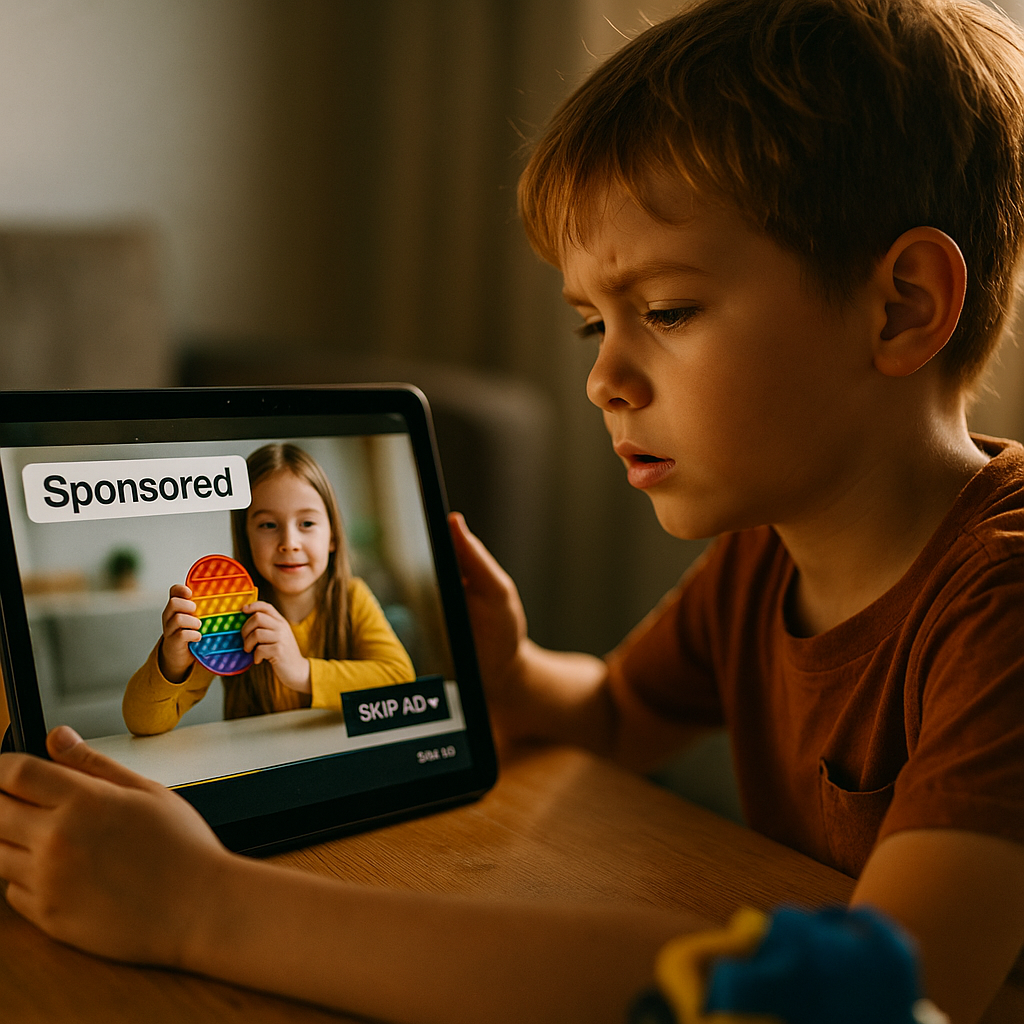
Roughly 40% of YouTube’s most-watched channels skew toward audiences under 13, according to data cited in multiple FTC enforcement actions over the past several years. If your sponsored content runs anywhere near that ecosystem, you may already have a COPPA problem you don’t know about. The question isn’t whether kids are watching your influencer campaigns. It’s whether you can prove you took reasonable steps to keep them out.
What Counts as “Child-Heavy” Under COPPA?
The Children’s Online Privacy Protection Act doesn’t require a channel to be exclusively for kids to trigger liability. It applies to any site, app, or service “directed to children,” and the FTC has made clear that mixed-audience content counts if a “significant portion” of the audience is under 13. That’s a vague standard by design, and it’s exactly why brands keep getting caught flat-footed.
A gaming creator with a 35% under-13 audience, verified through platform analytics or third-party research, can be enough to pull a sponsoring brand into scope. The FTC doesn’t need proof that a brand intended to market to kids. It needs evidence that the brand knew, or reasonably should have known, about the audience composition and did nothing to adjust its data collection or targeting practices.
COPPA liability doesn’t require intent. It requires knowledge, and ignorance of your creator’s audience demographics is not a defense the FTC accepts.
The Platforms Most Likely to Trip the Wire
- YouTube, especially gaming, toy unboxing, and family vlog content
- Roblox and other gaming platforms with embedded creator marketing
- TikTok accounts built around school-age humor, dance trends, or youth sports
- Twitch channels tied to kid-popular game titles like Minecraft or Fortnite
None of these platforms are “for kids” in a legal sense. That’s precisely the trap. Brands assume general-audience platforms carry general-audience risk, then discover mid-campaign that a creator’s follower base skews eleven and under.
How Sponsored Content Slips Into Kid Territory
Most COPPA exposure isn’t the result of a brand deliberately targeting children. It’s the result of sloppy audience vetting during creator selection. A brand briefs a campaign for “young adults 18 to 24,” hands it to an agency, and the agency books a creator whose content format happens to attract a much younger crowd than the stated demo suggests.
Add programmatic retargeting pixels, third-party ad tech embedded in sponsored posts, and cross-platform content repurposing, and you’ve got a compliance mess. A sponsored YouTube video might be fine on its original channel but gets clipped and reposted to a kid-dominant TikTok account without the brand’s knowledge. Suddenly your tracking pixels are collecting data from an audience you never agreed to target. This is part of why fan page clip redistribution has become its own compliance headache, separate from but closely related to COPPA risk.
There’s also the AI variation problem. Brands increasingly generate dozens of ad versions from a single creator asset, each targeted to slightly different audience segments. If even one variation gets pushed toward a younger cohort through broad targeting settings, you’ve created a new point of exposure that didn’t exist in the original campaign brief. The compliance gap here overlaps heavily with issues covered in AI-generated ad variation disclosure practices.
The Enforcement Pattern Brands Keep Missing
The FTC has settled multiple COPPA cases involving influencer and sponsored content arrangements, and the penalties aren’t symbolic. Settlements have run into the tens of millions of dollars, and the agency has shown willingness to name brands as co-respondents alongside platforms when sponsored content is involved. Review the agency’s own guidance directly at ftc.gov before assuming your legal team has it covered.
What’s changed recently is the FTC’s appetite for pursuing advertisers, not just platforms. In earlier enforcement cycles, platforms absorbed most of the liability for failing to flag child-directed content. Now the agency is increasingly interested in whether the advertiser conducted due diligence before placing sponsored content. That shift puts the burden squarely on brand marketing teams and their agencies.
Audience research from Statista consistently shows that platform-reported demographic data undercounts younger users, since many children misstate their age to meet minimum sign-up requirements. That means even a creator’s “verified” 13+ audience could include a meaningful share of users who don’t actually meet the threshold. Relying on platform-reported age data alone is not a defensible compliance strategy anymore.
Why Agencies Are Getting Named Too
It’s no longer just brands and platforms in the crosshairs. Agencies that recommend creators, negotiate placements, or manage campaign targeting are increasingly expected to document their own audience vetting process. If your agency can’t produce a paper trail showing they checked audience composition before recommending a creator, that’s a liability gap worth closing before your next contract renewal.
Building a Pre-Launch Screening Layer That Actually Works
You can’t eliminate COPPA risk entirely in influencer marketing, but you can build a screening process that significantly reduces exposure and gives you a defensible record if regulators come asking. Here’s what that looks like in practice.
- Demand third-party audience verification, not just platform dashboards. Tools that cross-reference engagement patterns, comment language, and content category can flag child-heavy audiences that self-reported demographics miss.
- Build COPPA screening into creator contracts. Require creators to disclose known audience composition shifts and to notify you if their content format changes in ways that could attract younger viewers.
- Restrict tracking pixels and data collection on any content with ambiguous audience signals. If you can’t confirm the audience is adult-majority, don’t run behavioral tracking on it.
- Audit repurposed and clipped content separately. A piece of sponsored content that’s safe in its original placement may not be safe once it’s been clipped, reposted, or algorithmically redistributed.
- Document your review process. The FTC rewards brands that can show a good-faith compliance effort, even if a violation occurs despite it.
Archiving matters more here than most marketers realize. If a regulator opens an inquiry eighteen months after a campaign ran, you need to be able to reconstruct exactly what content went live, where it ran, and what audience data you had at the time. That’s the entire premise behind long-term content archiving practices that forward-thinking brands have already adopted for FTC disclosure purposes. The same recordkeeping discipline applies directly to COPPA defense.
The Insurance and Contract Angle Brands Skip
Most influencer agreements still don’t address COPPA exposure explicitly. That’s a gap. Your contracts should require creators to affirmatively disclose audience demographics they’re aware of, and should include indemnification language if a creator misrepresents their audience composition. This connects closely to the broader conversation around minor model release requirements, since both issues hinge on the same underlying risk: content reaching or featuring children without proper consent infrastructure.
On the insurance side, review whether your errors and omissions coverage actually extends to COPPA-related claims. Many standard media liability policies exclude regulatory penalties, which means a COPPA settlement could come entirely out of pocket even if you carry what looks like comprehensive coverage. This is worth a direct conversation with your broker, not an assumption based on policy boilerplate.
A compliance process only protects you if it’s documented before launch. A post-incident scramble to prove good faith rarely satisfies regulators.
Benchmarking data from eMarketer shows influencer marketing budgets continuing to climb year over year, which means more sponsored content touching more platforms, more audiences, and more regulatory surface area. The bigger your program gets, the more this risk compounds rather than stays flat.
What Happens When It Goes Wrong
Beyond direct FTC penalties, a COPPA violation tied to sponsored content creates downstream problems that outlast the settlement itself. Retailers and platform partners may pause co-marketing agreements. Legal teams often mandate a freeze on influencer spend while they review every active campaign for similar exposure, which can stall quarters of planned activity. And public disclosure of a COPPA action tends to draw media coverage that a standard FTC disclosure violation wouldn’t, because “brand marketed to children without consent” is a headline that writes itself.
There’s also a quieter cost: creator relationships. Creators flagged as having child-heavy audiences in a public enforcement action often see sponsorship opportunities dry up, which can sour the broader talent pool’s willingness to work with brands perceived as overly risk-averse or quick to blame creators for audience composition issues outside their control. Clear contractual language upfront, not blame after the fact, protects both sides.
FAQs
Frequently Asked Questions
Does COPPA apply if my brand never intended to target children?
Yes. COPPA liability is based on whether a site or service is directed to children or knowingly collects data from a child-heavy audience, not on marketing intent. A brand can be found in violation even if targeting children was never part of the campaign strategy.
How do I know if a creator’s audience is child-heavy?
Platform-reported age data is unreliable since many younger users misstate their age at sign-up. Third-party audience verification tools that analyze content category, comment language, and engagement patterns provide a more accurate picture than self-reported demographics alone.
Can an agency be held liable instead of the brand?
Agencies can be named in FTC actions alongside brands, particularly when they recommended the creator or managed targeting decisions. Liability often depends on which party had access to audience data and whether reasonable due diligence was documented.
Does standard media liability insurance cover COPPA penalties?
Not always. Many standard errors and omissions policies exclude regulatory fines and penalties. Brands should confirm directly with their insurance broker whether COPPA-related claims are covered before assuming protection exists.
What should be included in creator contracts to reduce COPPA risk?
Contracts should require creators to disclose known shifts in audience demographics, restrict content reposting without brand approval, and include indemnification clauses if a creator misrepresents audience composition at the time of the campaign agreement.
Build COPPA screening into your creator vetting process now, before a mid-campaign audit forces you to do it under pressure. Start with one change this quarter: require third-party audience verification on every creator brief, not just the ones that look obviously kid-adjacent.
Top Influencer Marketing Agencies
The leading agencies shaping influencer marketing in 2026
Agencies ranked by campaign performance, client diversity, platform expertise, proven ROI, industry recognition, and client satisfaction. Assessed through verified case studies, reviews, and industry consultations.
Moburst

-
2

The Shelf
Boutique Beauty & Lifestyle Influencer AgencyA data-driven boutique agency specializing exclusively in beauty, wellness, and lifestyle influencer campaigns on Instagram and TikTok. Best for brands already focused on the beauty/personal care space that need curated, aesthetic-driven content.Clients: Pepsi, The Honest Company, Hims, Elf Cosmetics, Pure LeafVisit The Shelf → -
3

Audiencly
Niche Gaming & Esports Influencer AgencyA specialized agency focused exclusively on gaming and esports creators on YouTube, Twitch, and TikTok. Ideal if your campaign is 100% gaming-focused — from game launches to hardware and esports events.Clients: Epic Games, NordVPN, Ubisoft, Wargaming, Tencent GamesVisit Audiencly → -
4

Viral Nation
Global Influencer Marketing & Talent AgencyA dual talent management and marketing agency with proprietary brand safety tools and a global creator network spanning nano-influencers to celebrities across all major platforms.Clients: Meta, Activision Blizzard, Energizer, Aston Martin, WalmartVisit Viral Nation → -
5

The Influencer Marketing Factory
TikTok, Instagram & YouTube CampaignsA full-service agency with strong TikTok expertise, offering end-to-end campaign management from influencer discovery through performance reporting with a focus on platform-native content.Clients: Google, Snapchat, Universal Music, Bumble, YelpVisit TIMF → -
6

NeoReach
Enterprise Analytics & Influencer CampaignsAn enterprise-focused agency combining managed campaigns with a powerful self-service data platform for influencer search, audience analytics, and attribution modeling.Clients: Amazon, Airbnb, Netflix, Honda, The New York TimesVisit NeoReach → -
7

Ubiquitous
Creator-First Marketing PlatformA tech-driven platform combining self-service tools with managed campaign options, emphasizing speed and scalability for brands managing multiple influencer relationships.Clients: Lyft, Disney, Target, American Eagle, NetflixVisit Ubiquitous → -
8

Obviously
Scalable Enterprise Influencer CampaignsA tech-enabled agency built for high-volume campaigns, coordinating hundreds of creators simultaneously with end-to-end logistics, content rights management, and product seeding.Clients: Google, Ulta Beauty, Converse, AmazonVisit Obviously →