


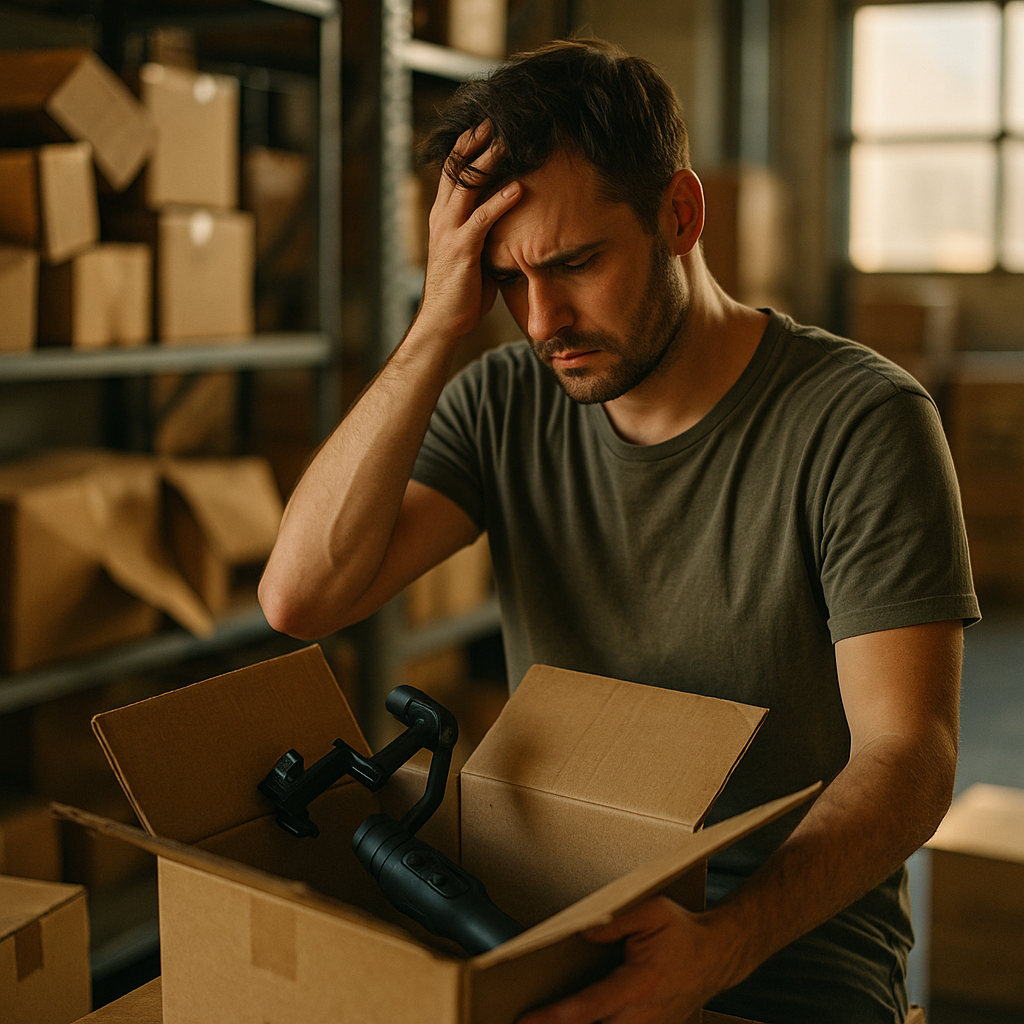
When a creator brand crumbles, the story often begins behind the scenes. In this post-mortem: a creator brand that failed due to supply chain mismanagement, we dissect how operational missteps can quietly sabotage even the most promising ventures. Read on to uncover how supply chain decisions make or break success, and what you can learn from their mistakes.
Understanding Creator Brands and Their Unique Challenges
Creator brands emerge when influential individuals leverage their audience to sell products, bridging community engagement with entrepreneurship. Their rapid rise brings unique supply chain risks. Unlike traditional companies with established logistics, creator brands frequently operate with lean teams, limited forecasting tools, and fluctuating market demands, making them vulnerable to supply chain disruptions. This makes robust operational planning essential from day one.
The Supply Chain Blunders That Sparked the Downfall
Central to this creator brand’s collapse was its reliance on fragile suppliers and inflexible logistics partners. Early success led to inflated confidence, resulting in bulk orders from a single overseas manufacturer. When that supplier faced unexpected delays due to port backlogs and labor shortages in early 2025, the brand had no backup. Inventory quickly dried up, backorders piled high, and customers grew frustrated with lengthy wait times. Social media, once the brand’s biggest asset, soon amplified these issues as loyal fans voiced their disappointment publicly.
How Poor Inventory Management Erodes Trust
The brand’s inventory mismanagement extended beyond late shipments. Without sophisticated demand forecasting, stockouts were frequent, followed by massive overstocks when delayed goods finally arrived. Refund requests surged. According to a 2025 Shopify survey, 43% of online shoppers abandon a brand after two negative supply chain experiences. This creator brand, once thriving on loyalty, saw customer lifetime value plummet as fans sought reliability elsewhere.
The Ripple Effect on Brand Reputation
Brand reputation is where supply chain failures become irreversible. As missed delivery deadlines and customer service mishaps snowballed, review platforms filled with negative feedback. Industry blogs picked up the story, citing the brand as a cautionary tale. Affiliate partners distanced themselves. By mid-2025, even influencer friends were hesitant to promote products, fearing backlash from their own followers. At this stage, recovery would have required a complete operational overhaul—resources and momentum this brand lacked.
What Supply Chain Best Practices Could Have Prevented Collapse?
Success in 2025 demands more than audience engagement. Sustainable creator brands invest in:
- Diversified suppliers: Ensuring backups to reduce risk from regional disruptions.
- Transparent inventory tracking: Using real-time technology to monitor stock.
- Proactive customer communication: Notifying buyers of delays, thus fostering trust.
- Agile logistics partnerships: Collaborating with partners who can quickly adapt to demand spikes and disruptions.
- Regular scenario planning: Stress-testing operations for potential bottlenecks and preparing contingency strategies.
Implementing these supply chain best practices would have allowed the creator brand to navigate the unexpected. Recent data from Statista notes that brands with supply chain contingency plans are 38% more likely to retain customers post-crisis.
Lessons for Aspiring Creator Brands in 2025
The failure of this creator brand isn’t just a warning—it’s a blueprint for better practices. Aspiring entrepreneurs should partner early with supply chain experts, invest in adaptable technology, and communicate transparently with fans about any issues. Above all, they should recognize that behind every viral launch, robust operational discipline must anchor the brand’s promise—customers expect nothing less.
FAQs: Post-Mortem Supply Chain Lessons for Creator Brands
-
What is supply chain mismanagement?
Supply chain mismanagement refers to poor planning, coordination, or execution in the movement of goods from production to the customer—leading to delays, stockouts, or wasted inventory. -
How can creator brands mitigate supply chain risks?
By diversifying suppliers, using real-time inventory tracking, maintaining transparent communication, and developing contingency plans for disruptions. -
Why is customer communication vital during supply chain issues?
Clear updates help manage expectations and can preserve trust, even during unavoidable delays or shortages. -
What are some early warning signs of supply chain problems?
Frequent backorders, supplier delays, mismatched inventory levels, and negative customer feedback are strong indicators of underlying issues. -
Can poor supply chain management impact brand reputation permanently?
Yes. Repeated failures erode consumer trust, complicating recovery efforts and impacting long-term brand viability.
In summary, the failure chronicled in this post-mortem of a creator brand that failed due to supply chain mismanagement shows that operational excellence is non-negotiable. For lasting success, creator brands must invest early in resilient supply chains, safeguarding both reputation and relationships with their audience.
Top Influencer Marketing Agencies
The leading agencies shaping influencer marketing in 2026
Agencies ranked by campaign performance, client diversity, platform expertise, proven ROI, industry recognition, and client satisfaction. Assessed through verified case studies, reviews, and industry consultations.
Moburst

-
2

The Shelf
Boutique Beauty & Lifestyle Influencer AgencyA data-driven boutique agency specializing exclusively in beauty, wellness, and lifestyle influencer campaigns on Instagram and TikTok. Best for brands already focused on the beauty/personal care space that need curated, aesthetic-driven content.Clients: Pepsi, The Honest Company, Hims, Elf Cosmetics, Pure LeafVisit The Shelf → -
3

Audiencly
Niche Gaming & Esports Influencer AgencyA specialized agency focused exclusively on gaming and esports creators on YouTube, Twitch, and TikTok. Ideal if your campaign is 100% gaming-focused — from game launches to hardware and esports events.Clients: Epic Games, NordVPN, Ubisoft, Wargaming, Tencent GamesVisit Audiencly → -
4

Viral Nation
Global Influencer Marketing & Talent AgencyA dual talent management and marketing agency with proprietary brand safety tools and a global creator network spanning nano-influencers to celebrities across all major platforms.Clients: Meta, Activision Blizzard, Energizer, Aston Martin, WalmartVisit Viral Nation → -
5

The Influencer Marketing Factory
TikTok, Instagram & YouTube CampaignsA full-service agency with strong TikTok expertise, offering end-to-end campaign management from influencer discovery through performance reporting with a focus on platform-native content.Clients: Google, Snapchat, Universal Music, Bumble, YelpVisit TIMF → -
6

NeoReach
Enterprise Analytics & Influencer CampaignsAn enterprise-focused agency combining managed campaigns with a powerful self-service data platform for influencer search, audience analytics, and attribution modeling.Clients: Amazon, Airbnb, Netflix, Honda, The New York TimesVisit NeoReach → -
7

Ubiquitous
Creator-First Marketing PlatformA tech-driven platform combining self-service tools with managed campaign options, emphasizing speed and scalability for brands managing multiple influencer relationships.Clients: Lyft, Disney, Target, American Eagle, NetflixVisit Ubiquitous → -
8

Obviously
Scalable Enterprise Influencer CampaignsA tech-enabled agency built for high-volume campaigns, coordinating hundreds of creators simultaneously with end-to-end logistics, content rights management, and product seeding.Clients: Google, Ulta Beauty, Converse, AmazonVisit Obviously →