


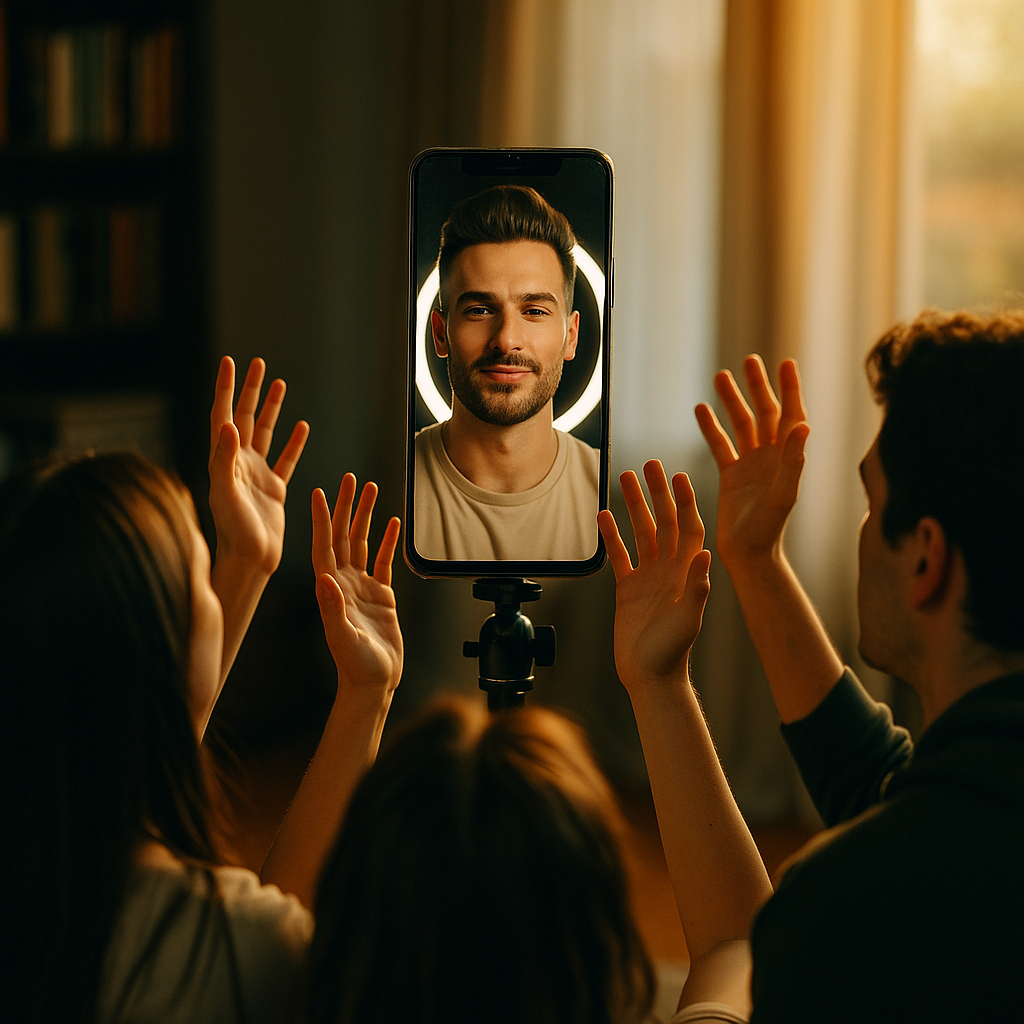
The cult of personality has become an undeniable force in the digital era, driving creator worship and fanaticism across social platforms. From YouTube stars to streaming sensations, creators wield influence that rivals traditional celebrities. But what happens when adoration turns fanatical? Examining the roots and risks of this phenomenon yields vital lessons for audiences and creators alike.
The Rise of Creator Worship in Digital Communities
Creator worship is the elevation of influencers, content creators, and digital celebrities to almost mythic status within their communities. According to a 2024 Pew Research Center report, over 70% of Gen Z consumers follow at least five creators online, often engaging with them daily. This direct accessibility, combined with creators’ storytelling and branding prowess, cultivates a sense of intimacy—and sometimes, dependency—among followers.
Social media algorithms amplify this effect by prioritizing content that elicits strong emotional reactions. Over time, audiences may develop parasocial relationships, where fans feel a personal connection to a creator who may not even know they exist. This dynamic often leads to communities fiercely defending their chosen personalities, sometimes at the expense of critical thinking.
The Psychological Appeal of Personality Cults Online
Why do modern audiences gravitate toward personality-driven communities? Psychological theories suggest that many fans seek belonging, identity, and purpose in the vast digital landscape. By aligning themselves with a favorite creator, followers might feel part of an exclusive tribe, united by inside jokes, shared beliefs, or niche interests.
Research published in the Journal of Media Psychology in early 2025 indicates that frequent engagement with online creators can activate dopamine responses similar to those in traditional group settings. The human brain craves attachment and social validation, both of which are readily offered by “stan” communities, fan clubs, and Discord servers built around creators.
However, this connection can blur boundaries. Fans may equate a creator’s online persona with their real identity, overlooking the fact that most online identities are curated and, to a degree, performative.
Risks and Real-World Consequences of Fanaticism
Though fandom can be a positive force—motivating creativity, fundraising, and social change—unchecked creator worship poses real dangers. Online and offline, fanaticism has led to:
- Harassment: Critics or perceived rivals are targeted by angry fans, leading to mobbing, doxxing, or cyberbullying.
- Misinformation: Blind trust in creators can spread myths, unverified advice, or harmful trends.
- Financial Exploitation: Fans may overspend on merchandise, subscriptions, or donations, expecting exclusive attention or status.
In 2025, the backlash against “toxic fandoms” has become a hot topic on platforms like X and TikTok. Social experts warn that some creator-driven communities can develop cult-like behaviors, policing dissent and promoting black-and-white thinking. This echo chamber effect not only distorts reality but can isolate individuals from dissenting views and even family and friends.
How Creators Navigate Responsibility and Influence
With great influence comes ethical responsibility. The most reputable creators study their communities carefully, establishing clear boundaries and open communication. Many have adopted transparency measures:
- Direct statements on parasocial boundaries and the limits of creator-fan relationships.
- Community guidelines to discourage harassment and promote respectful discussion.
- Disclosure of sponsorships, partnerships, and financial interests to promote trust and honesty.
Some creators leverage their platforms for positive impact, encouraging critical thinking and signaling when content is comedic, dramatized, or opinion-based. Yet not all do so—those who rely on drama or outrage for engagement risk cultivating obsessive, combative communities.
Brands and platforms are increasingly holding creators accountable. In 2025, both YouTube and Twitch have rolled out stricter community standards, demanding proactive moderation from channel owners and penalizing those who incite harassment.
Healthy Fandoms: Balancing Admiration and Critical Thinking
Is it possible to admire a creator without falling into the trap of fanaticism? Absolutely. Healthy fandoms distinguish between appreciation and obsession in the following ways:
- Encouraging open dialogue and dissent.
- Recognizing the curated nature of online personas.
- Practicing media literacy—verifying information before sharing or acting on it.
- Setting personal boundaries around spending and emotional investment.
Fans should remember that creators are neither infallible idols nor intimate friends. Maintaining perspective helps ensure that enjoyment doesn’t harm personal well-being or distort reality. Many online communities in 2025 have begun developing “fan codes of conduct,” aiding followers in supporting creators responsibly and respectfully.
The Future of Creator Worship: Trends and Safeguards
As more people live, work, and socialize online, the cult of personality is unlikely to disappear. However, both users and platforms are learning from past missteps. Trends shaping the landscape in 2025 include:
- Algorithmic moderation: Automated tools for detecting harassment and echo chambers.
- Digital literacy campaigns: Schools and organizations teaching users to recognize manipulation and peer pressure online.
- Creator-led initiatives: Influencers collaborating on industry standards for transparency and community care.
With open discussion and shared responsibility, the dangers of creator worship can be mitigated—transforming fanatic devotion into thoughtful appreciation and collaboration.
Conclusion: The Responsible Path Forward
The cult of personality will continue to shape digital culture, but awareness and active engagement can help prevent the perils of fanaticism. By setting healthy boundaries, practicing critical thinking, and fostering positive, inclusive communities, both creators and fans can cultivate a vibrant, responsible creator economy for years to come.
FAQs: Creator Worship and the Cult of Personality
-
What is the cult of personality?
The cult of personality refers to when a public figure—often a creator or celebrity—is elevated to an almost idol-like status, with followers showing intense admiration or devotion, sometimes to an unhealthy degree.
-
How is creator worship different from traditional celebrity fandom?
Creator worship leverages direct, ongoing interactions via social media, allowing fans to feel closer and more connected than with distant celebrities. This intimacy can heighten emotional investment and foster parasocial relationships.
-
What are common signs of unhealthy fanaticism?
Warning signs include obsessive monitoring of a creator’s activity, aggressive defense against criticism, inability to tolerate dissenting opinions, and excessive spending or emotional investment.
-
How can fans maintain healthy boundaries?
By recognizing the curated nature of online personas, practicing media literacy, engaging in open discussions, and setting spending and time limits, fans can appreciate creators without becoming fanatical.
-
What responsibilities do creators have?
Ethical creators set boundaries, communicate transparently, moderate their communities, and discourage harassment or blind loyalty. They encourage fans to think critically and treat all online content with discernment.
Top Influencer Marketing Agencies
The leading agencies shaping influencer marketing in 2026
Agencies ranked by campaign performance, client diversity, platform expertise, proven ROI, industry recognition, and client satisfaction. Assessed through verified case studies, reviews, and industry consultations.
Moburst

-
2

The Shelf
Boutique Beauty & Lifestyle Influencer AgencyA data-driven boutique agency specializing exclusively in beauty, wellness, and lifestyle influencer campaigns on Instagram and TikTok. Best for brands already focused on the beauty/personal care space that need curated, aesthetic-driven content.Clients: Pepsi, The Honest Company, Hims, Elf Cosmetics, Pure LeafVisit The Shelf → -
3

Audiencly
Niche Gaming & Esports Influencer AgencyA specialized agency focused exclusively on gaming and esports creators on YouTube, Twitch, and TikTok. Ideal if your campaign is 100% gaming-focused — from game launches to hardware and esports events.Clients: Epic Games, NordVPN, Ubisoft, Wargaming, Tencent GamesVisit Audiencly → -
4

Viral Nation
Global Influencer Marketing & Talent AgencyA dual talent management and marketing agency with proprietary brand safety tools and a global creator network spanning nano-influencers to celebrities across all major platforms.Clients: Meta, Activision Blizzard, Energizer, Aston Martin, WalmartVisit Viral Nation → -
5

The Influencer Marketing Factory
TikTok, Instagram & YouTube CampaignsA full-service agency with strong TikTok expertise, offering end-to-end campaign management from influencer discovery through performance reporting with a focus on platform-native content.Clients: Google, Snapchat, Universal Music, Bumble, YelpVisit TIMF → -
6

NeoReach
Enterprise Analytics & Influencer CampaignsAn enterprise-focused agency combining managed campaigns with a powerful self-service data platform for influencer search, audience analytics, and attribution modeling.Clients: Amazon, Airbnb, Netflix, Honda, The New York TimesVisit NeoReach → -
7

Ubiquitous
Creator-First Marketing PlatformA tech-driven platform combining self-service tools with managed campaign options, emphasizing speed and scalability for brands managing multiple influencer relationships.Clients: Lyft, Disney, Target, American Eagle, NetflixVisit Ubiquitous → -
8

Obviously
Scalable Enterprise Influencer CampaignsA tech-enabled agency built for high-volume campaigns, coordinating hundreds of creators simultaneously with end-to-end logistics, content rights management, and product seeding.Clients: Google, Ulta Beauty, Converse, AmazonVisit Obviously →