


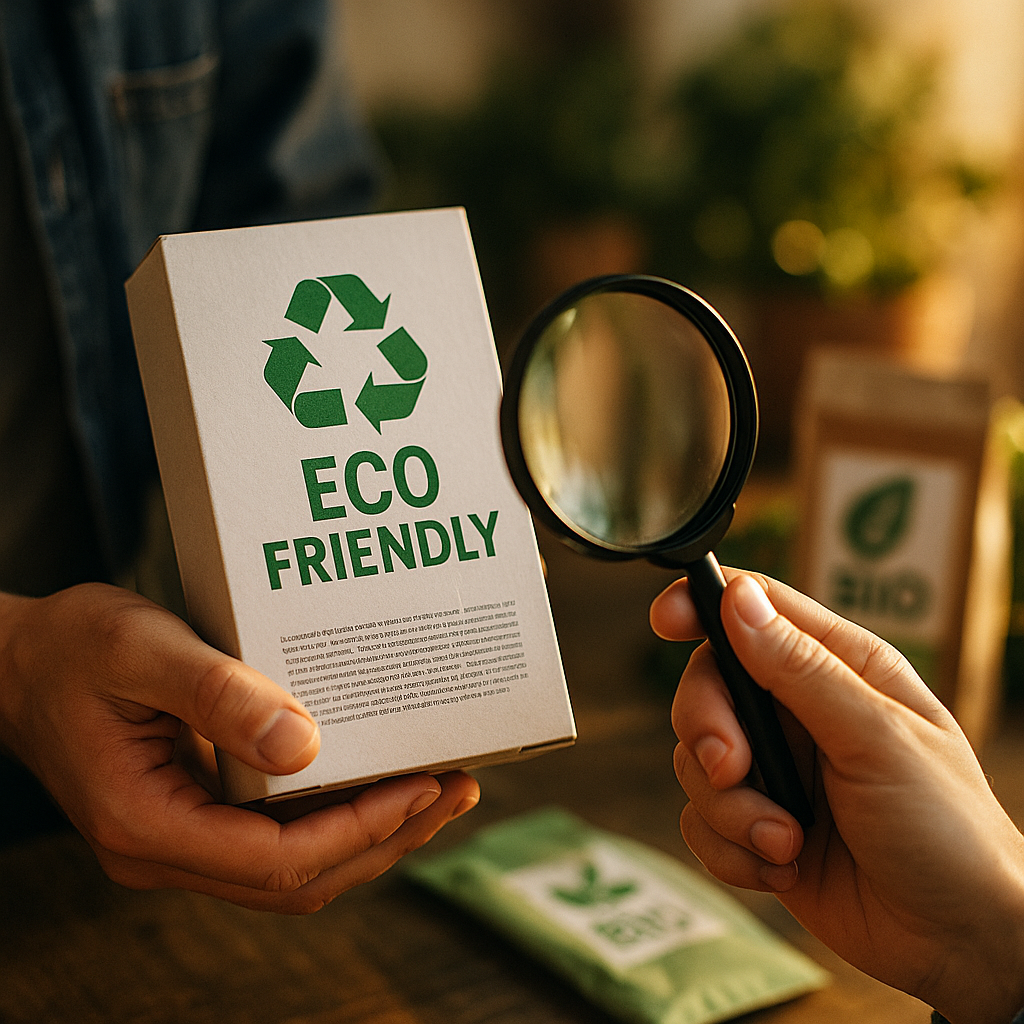
Learning how to spot and avoid “greenwashing” in sustainability influencer campaigns is crucial for eco-conscious consumers. As brands increasingly collaborate with influencers, deceptive practices can undermine genuine environmental progress. In 2025, informed audiences must know what’s authentic—and what’s not—in the fast-evolving world of green marketing. Ready to make smarter decisions? Read on for expert strategies and insights.
Understanding Greenwashing in Influencer Marketing
Greenwashing refers to the deceptive practice where brands exaggerate or falsely claim environmentally friendly actions, products, or initiatives. In influencer marketing, this can mean influencers promote products or services as sustainable without factual backing. According to a 2024 Nielsen report, nearly 63% of global consumers prioritize brands with authentic green initiatives. However, as audiences become more eco-aware, so do tactics to mask non-sustainable practices.
Influencers hold significant sway over consumer choices. When they share misleading or unverified claims, audiences may inadvertently support companies contributing to environmental harm. That’s why it’s vital to understand the subtle forms greenwashing can take, from overstated environmental benefits to vague eco-friendly language.
Key Signs of Greenwashing in Influencer Campaigns
Spotting greenwashing starts by recognizing common red flags in influencer content:
- Vague or Generic Claims: Phrases like “eco-friendly” or “all natural” without supporting details often signal weak or unsubstantiated claims.
- Missing Third-Party Certifications: Trustworthy sustainability initiatives typically display credible certifications, such as Energy Star, Fair Trade, or B Corp.
- Lack of Transparency: When influencers or brands do not disclose manufacturing processes, ingredient sources, or supply chain details, claims should be questioned.
- One-off Green Campaigns: Brands with minimal history of sustainability may launch short-term campaigns to capitalize on eco-trends without making systemic changes.
- Misleading Visuals: Abundant nature imagery, green color schemes, or idyllic backdrops can distract from poor environmental records.
Staying alert to these patterns empowers consumers to probe deeper before supporting campaigns labeled as “green.”
Evaluating Influencer Credibility and Authenticity
In the crowded world of sustainability influencer campaigns, credibility is everything. Trusted influencers are transparent about their values, partnerships, and the research underpinning their endorsements. Here’s how to discern genuine advocates:
- Consistent Eco Messaging: Authentic influencers regularly discuss environmental topics, share resources, and engage in real-life sustainability practices.
- Fact-Checking and Sources: Reliable influencers cite credible studies, respected certifications, and independent third-party data in their posts and stories.
- Open Dialogue: Influencers who welcome questions and provide thoughtful, fact-based responses contribute to a trustworthy digital ecosystem.
- Disclosure of Partnerships: Ethical influencers clearly indicate paid partnerships and explain why they’ve chosen to partner with a given brand.
Consumers in 2025 increasingly demand influencers “walk the talk.” Before buying into any campaign, look at the influencer’s track record—does it reflect authentic activism or opportunistic promotion?
Verifying Sustainability Claims with Research
Due diligence is at the core of avoiding greenwashing. Researching claims made by influencers and brands helps separate truth from marketing fiction. Effective strategies include:
- Consult Independent Databases: Platforms like the Environmental Working Group, Certified B Corporation directory, and Fashion Revolution’s Transparency Index provide detailed brand ratings.
- Analyze Supply Chains: Investigate whether brands disclose complete information on how and where products are made, including sourcing and labor practices.
- Scrutinize Product Materials: Authentic claims outline the percentage of recycled or responsibly sourced materials with traceable data rather than buzzwords.
- Check for Public Sustainability Reports: Reliable brands regularly publish annual sustainability reports outlining goals, challenges, and progress with verifiable metrics.
Over half of European consumers, according to a 2024 Statista survey, say they “always or often” research a brand’s environmental reputation before purchase. Empower yourself with information to confidently discern fact from fiction.
Supporting Genuine Sustainable Influencer Campaigns
Once you know how to spot greenwashing, shift your focus to supporting truly sustainable campaigns. Here’s how to make a tangible impact:
- Champion Accountable Influencers: Promote influencers who prioritize honesty, education, and community-building over short-term gimmicks.
- Engage with Transparent Brands: Choose brands that publish certified progress and foster open communication about their sustainability journey.
- Share Resources: Use your platforms to highlight campaigns with real environmental impact, spreading credible information further.
- Provide Constructive Feedback: If you encounter greenwashing, respectfully call it out and request more transparency or proof from both influencers and brands.
Consumer support—both through purchases and online engagement—can reward integrity and encourage brands and influencers to maintain higher standards in sustainability.
Frequently Asked Questions
-
What is an example of greenwashing in influencer marketing?
An influencer partners with a fast-fashion brand to promote a “green” clothing line, but the brand offers no lifecycle analysis or third-party certifications and continues unsustainable practices elsewhere.
-
How can consumers verify sustainability claims?
Cross-reference claims with third-party certifications, sustainability reports, and databases like B Corporation or EWG. Look for transparent supply chain disclosures and factual, traceable details in advertising.
-
How do you know if an influencer is trustworthy on sustainability?
Trustworthy influencers demonstrate consistent, authentic engagement with eco-issues, cite credible sources, disclose paid partnerships, and respond openly to questions about their content and values.
-
Why is greenwashing harmful?
Greenwashing undermines genuine sustainability efforts by misleading consumers, eroding trust, and delaying real environmental progress. It can also reward companies prioritizing image over substantive change.
-
Are there regulations against greenwashing in influencer campaigns?
Many countries, including those in Europe and North America, have introduced advertising standards requiring truthful representation of environmental claims. However, enforcement varies and relies on vigilant consumers and watchdogs.
Authenticity in sustainability influencer campaigns protects both our planet and your values. By learning to spot greenwashing, researching claims, and rewarding truth-tellers, you help elevate standards for brands and influencers in 2025 and beyond. Always double-check before you support—your choices genuinely matter.
Top Influencer Marketing Agencies
The leading agencies shaping influencer marketing in 2026
Agencies ranked by campaign performance, client diversity, platform expertise, proven ROI, industry recognition, and client satisfaction. Assessed through verified case studies, reviews, and industry consultations.
Moburst

-
2

The Shelf
Boutique Beauty & Lifestyle Influencer AgencyA data-driven boutique agency specializing exclusively in beauty, wellness, and lifestyle influencer campaigns on Instagram and TikTok. Best for brands already focused on the beauty/personal care space that need curated, aesthetic-driven content.Clients: Pepsi, The Honest Company, Hims, Elf Cosmetics, Pure LeafVisit The Shelf → -
3

Audiencly
Niche Gaming & Esports Influencer AgencyA specialized agency focused exclusively on gaming and esports creators on YouTube, Twitch, and TikTok. Ideal if your campaign is 100% gaming-focused — from game launches to hardware and esports events.Clients: Epic Games, NordVPN, Ubisoft, Wargaming, Tencent GamesVisit Audiencly → -
4

Viral Nation
Global Influencer Marketing & Talent AgencyA dual talent management and marketing agency with proprietary brand safety tools and a global creator network spanning nano-influencers to celebrities across all major platforms.Clients: Meta, Activision Blizzard, Energizer, Aston Martin, WalmartVisit Viral Nation → -
5

The Influencer Marketing Factory
TikTok, Instagram & YouTube CampaignsA full-service agency with strong TikTok expertise, offering end-to-end campaign management from influencer discovery through performance reporting with a focus on platform-native content.Clients: Google, Snapchat, Universal Music, Bumble, YelpVisit TIMF → -
6

NeoReach
Enterprise Analytics & Influencer CampaignsAn enterprise-focused agency combining managed campaigns with a powerful self-service data platform for influencer search, audience analytics, and attribution modeling.Clients: Amazon, Airbnb, Netflix, Honda, The New York TimesVisit NeoReach → -
7

Ubiquitous
Creator-First Marketing PlatformA tech-driven platform combining self-service tools with managed campaign options, emphasizing speed and scalability for brands managing multiple influencer relationships.Clients: Lyft, Disney, Target, American Eagle, NetflixVisit Ubiquitous → -
8

Obviously
Scalable Enterprise Influencer CampaignsA tech-enabled agency built for high-volume campaigns, coordinating hundreds of creators simultaneously with end-to-end logistics, content rights management, and product seeding.Clients: Google, Ulta Beauty, Converse, AmazonVisit Obviously →