


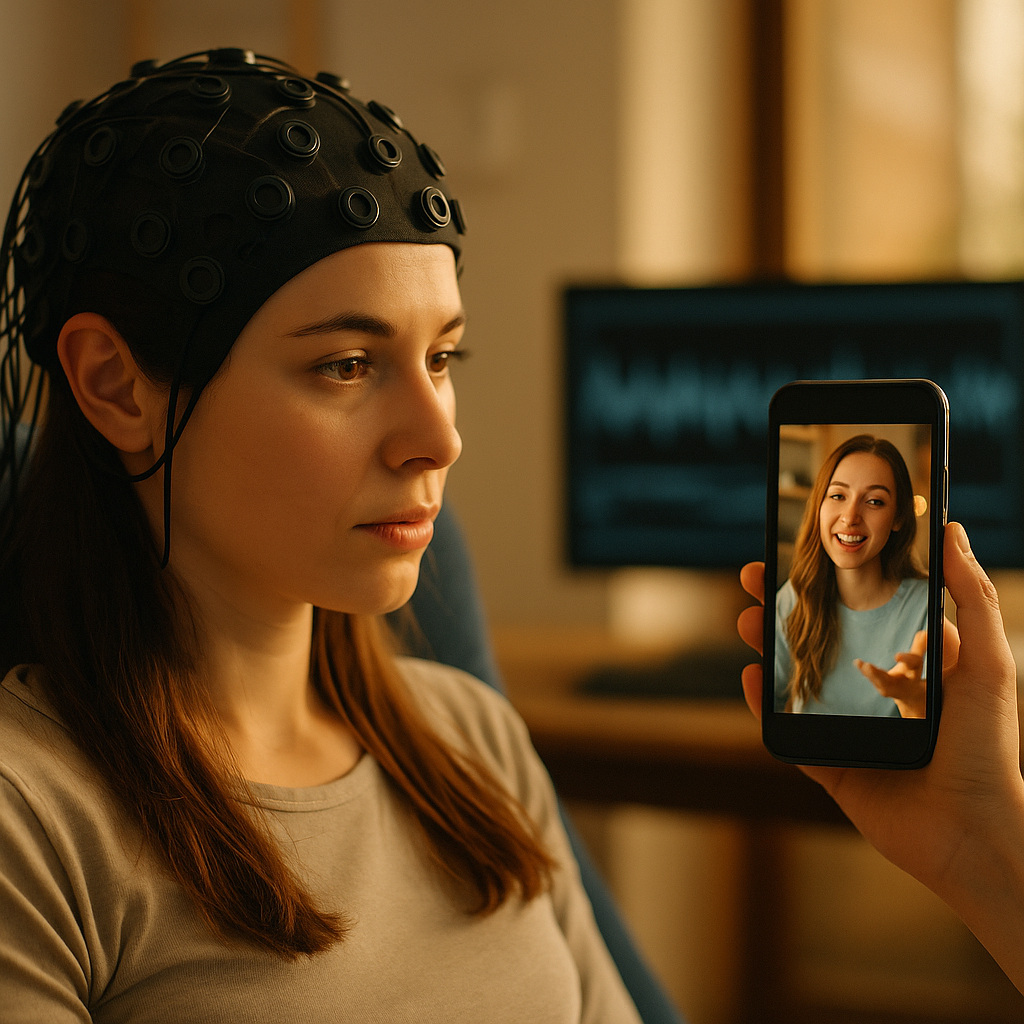
The psychology behind influencer trust is a fascinating blend of neuroscience and digital savvy. As social media shapes decisions, understanding the science of influencer trust is critical for brands and consumers alike. Recent discoveries in brain research reveal surprising truths about why influencers impact our choices. What exactly happens in our minds when we decide to trust an influencer?
Why Do We Trust Influencers? The Science of Social Proof
Social proof—our tendency to follow the actions or recommendations of others—is central to influencer psychology. Neuroscience studies, including functional MRI research, show that the human brain’s reward centers activate when we see others endorse a product or lifestyle. This effect intensifies if the influencer feels relatable or aspirational. We’re wired to seek belonging; seeing someone we admire use a product sparks our mirror neurons and prompts us to imagine the same outcome for ourselves. In 2025, over 80% of purchases are influenced by what people see on social media, underscoring how powerful this psychological trigger has become.
The Role of Authenticity in Influencer Credibility
Authenticity remains a cornerstone of influencer trust psychology. Neuroscientific studies illustrate that the brain’s prefrontal cortex—responsible for decision-making—lights up more in response to perceived authenticity than to overt promotional content. This neural response translates to greater trust and willingness to act. Influencers who openly share personal stories, show vulnerability, and admit mistakes appear more genuine. Recent surveys show that 74% of social media users can instantly spot insincere endorsements. As consumers grow savvier, influencers who maintain honesty and transparency stand out as the most credible voices.
Parasocial Relationships and the Illusion of Closeness
Parasocial relationships are one-sided connections we form with public figures, such as influencers. Neuroscience has found that the brain areas associated with real friendships become active when we consume regular, intimate content from an influencer. This illusion of closeness makes their recommendations feel personally relevant. It’s not delusion—it’s biology. Social media platforms amplify this effect by enabling direct interactions (Q&As, comments, DMs), reinforcing the sense of real connection. In 2025, over 60% of Gen Z report feeling as close to their favorite influencer as they do to real-life friends, highlighting the influence of this psychological mechanism.
Neuroeconomics: How Our Brains Evaluate Influencer Endorsements
Our brains use a blend of logic and emotion to evaluate influencer recommendations. Neuroeconomics research reveals that influencer marketing activates both the limbic system (responsible for emotion) and the prefrontal cortex (handling analytical reasoning). The more positive emotion we associate with an influencer, the less skeptical we become of their endorsements. However, if a recommendation feels too sales-driven or inconsistent with the influencer’s usual communication, the brain’s skepticism center (the anterior cingulate cortex) quickly reduces trust. This helps explain why subtle, congruent promotion outperforms blatant advertising and why consistency is key for influencer trustworthiness.
The Impact of Diversity and Representation on Trust
Representation matters in influencer marketing. Neuroscience suggests that seeing people who look like us, or share similar backgrounds, activates empathy circuits in the brain, making us more receptive to their messages. A 2025 Ipsos report highlights that 68% of global consumers trust influencers who reflect their values or identity, compared to only 34% for those who do not. Brands now collaborate with micro-influencers across diverse communities—understanding that relatability drives engagement and loyalty. Including a spectrum of voices leads to broader appeal and deeper, longer-lasting trust among varied audiences.
Building Long-Term Influencer Trust: Strategies and Pitfalls
Establishing and maintaining influencer trust isn’t a one-off task—it requires ongoing effort grounded in neuroscience insights. Brands should encourage influencers to share authentic narratives, avoid aggressive selling, and engage regularly with their audience. Monitoring consistency helps mitigate trust-damaging slip-ups, like promoting competing products or contradictory values. From a neurological perspective, repeated exposure to trustworthy behavior strengthens the mental association between influencer and reliability. However, breaches of trust—such as undisclosed sponsorships or misleading reviews—can cause immediate disengagement, as the same brain circuits that govern social exclusion light up in response to perceived dishonesty.
Conclusion: The Neuroscience of Influencer Trust in 2025
In 2025, the psychology behind influencer trust is deeply intertwined with our brain’s wiring. From social proof to parasocial relationships, authenticity to representation, the neural circuits steering trust can make or break digital influence. Understanding these mechanisms empowers both brands and consumers to foster genuine, lasting connections in an evolving social landscape.
FAQs: Understanding the Psychology Behind Influencer Trust
-
How does neuroscience explain the power of influencer marketing?
Neuroscience reveals that brain regions linked to reward, empathy, and decision-making light up when we view influencer content, making endorsements feel trustworthy and personally relevant.
-
What role does authenticity play in influencer trust?
Authenticity strongly boosts trust because our brains are highly sensitive to honesty and consistency. Genuine influencers activate neural pathways tied to trust and reduce skepticism toward their recommendations.
-
Why do parasocial relationships matter in influencer marketing?
Parasocial relationships create a sense of closeness and loyalty, making us more receptive to influencer advice. Neuroscience shows these one-sided bonds trigger similar brain responses as real friendships.
-
Can influencer trust be rebuilt after a breach?
It’s possible, but challenging. Once trust circuits are damaged by dishonesty or manipulation, neural skepticism increases. Authentic apologies, transparency, and consistent trustworthy behavior are vital to recovery.
-
Does diversity among influencers affect trust levels?
Yes. Neuroscience indicates that representation activates empathy and relatability in audiences. Diverse influencers are seen as more trustworthy, especially when they reflect the audience’s identity or values.
Top Influencer Marketing Agencies
The leading agencies shaping influencer marketing in 2026
Agencies ranked by campaign performance, client diversity, platform expertise, proven ROI, industry recognition, and client satisfaction. Assessed through verified case studies, reviews, and industry consultations.
Moburst

-
2

The Shelf
Boutique Beauty & Lifestyle Influencer AgencyA data-driven boutique agency specializing exclusively in beauty, wellness, and lifestyle influencer campaigns on Instagram and TikTok. Best for brands already focused on the beauty/personal care space that need curated, aesthetic-driven content.Clients: Pepsi, The Honest Company, Hims, Elf Cosmetics, Pure LeafVisit The Shelf → -
3

Audiencly
Niche Gaming & Esports Influencer AgencyA specialized agency focused exclusively on gaming and esports creators on YouTube, Twitch, and TikTok. Ideal if your campaign is 100% gaming-focused — from game launches to hardware and esports events.Clients: Epic Games, NordVPN, Ubisoft, Wargaming, Tencent GamesVisit Audiencly → -
4

Viral Nation
Global Influencer Marketing & Talent AgencyA dual talent management and marketing agency with proprietary brand safety tools and a global creator network spanning nano-influencers to celebrities across all major platforms.Clients: Meta, Activision Blizzard, Energizer, Aston Martin, WalmartVisit Viral Nation → -
5

The Influencer Marketing Factory
TikTok, Instagram & YouTube CampaignsA full-service agency with strong TikTok expertise, offering end-to-end campaign management from influencer discovery through performance reporting with a focus on platform-native content.Clients: Google, Snapchat, Universal Music, Bumble, YelpVisit TIMF → -
6

NeoReach
Enterprise Analytics & Influencer CampaignsAn enterprise-focused agency combining managed campaigns with a powerful self-service data platform for influencer search, audience analytics, and attribution modeling.Clients: Amazon, Airbnb, Netflix, Honda, The New York TimesVisit NeoReach → -
7

Ubiquitous
Creator-First Marketing PlatformA tech-driven platform combining self-service tools with managed campaign options, emphasizing speed and scalability for brands managing multiple influencer relationships.Clients: Lyft, Disney, Target, American Eagle, NetflixVisit Ubiquitous → -
8

Obviously
Scalable Enterprise Influencer CampaignsA tech-enabled agency built for high-volume campaigns, coordinating hundreds of creators simultaneously with end-to-end logistics, content rights management, and product seeding.Clients: Google, Ulta Beauty, Converse, AmazonVisit Obviously →