


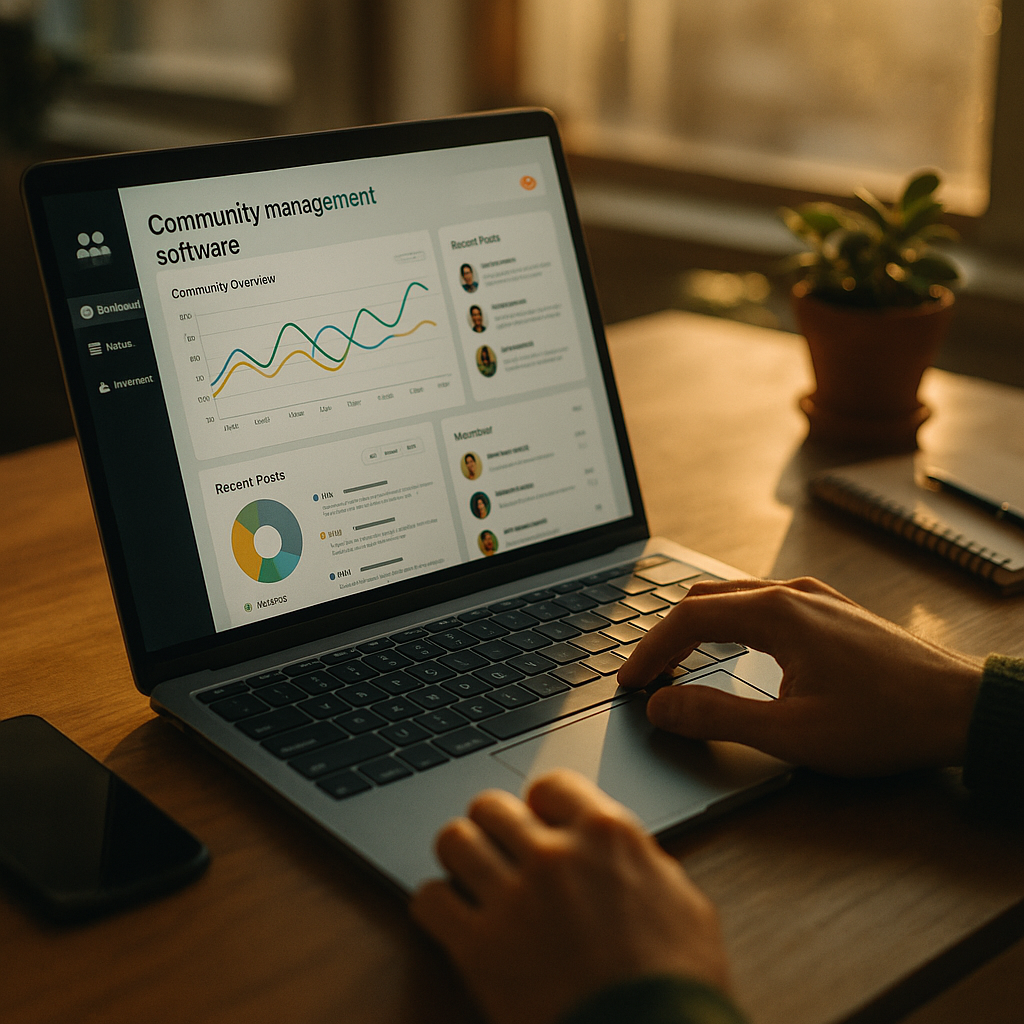
Community management and engagement software for brands has transformed the way businesses connect with audiences, streamline social interactions, and foster authentic engagement. With competition fiercer than ever in 2025, choosing the right platform is crucial to stand out and build loyal communities. Dive in to discover which solutions align best with your brand’s unique needs and engagement goals.
Understanding Community Management Platforms for Brand Success
Effective community management platforms empower brands to organize, monitor, and nurture their online communities at scale. These tools centralize customer interactions, streamline team collaboration, and enable proactive outreach, making them essential for brands aiming to enhance loyalty and advocacy in crowded markets. Top solutions today come with built-in analytics, integration capabilities, and multi-channel management.
At its core, a robust platform provides:
- Unified inboxes for all digital channels
- Automated moderation and workflow tools
- Deep analytics on sentiment, engagement, and trends
- Secure data handling and compliance features
- Seamless integrations with CRM and marketing suites
Brands leveraging these features bridge the gap between teams and fans, creating spaces where engagement feels personal and scalable—an absolute necessity for growth in 2025’s digital-first environment.
The Most Popular Brand Engagement Software Solutions
Brand engagement software continues to evolve rapidly, with several industry leaders providing powerful capabilities tailored for enterprises and growing businesses alike. Notable platforms dominating today’s market include:
- Sprout Social: Renowned for its intuitive dashboards, smart scheduling, and advanced analytics, Sprout Social helps teams prioritize and respond swiftly to community input.
- Brandwatch: A powerhouse for sentiment analysis and digital listening, Brandwatch equips brands with actionable insights across millions of conversations.
- Khoros: Built for large-scale communities, Khoros offers a comprehensive suite for forum management, knowledge bases, and seamless omnichannel engagement.
- Zendesk: Although best known for customer support, its community features empower brands to harness peer-to-peer support and crowdsource solutions efficiently.
- Discourse: An open-source forum solution, Discourse supports custom workflows and automation, ideal for brands that prioritize flexibility and self-hosting.
These platforms differentiate themselves through varying strengths—be it AI-driven automation, integrations, or analytical depth. Brands should match their business objectives and team workflows to the tool’s core strengths to maximize return on investment.
Key Features Driving Community Engagement Software Value
Choosing between engagement software solutions means assessing which features will most directly empower your brand’s unique engagement strategies. Top features driving value in 2025 include:
- Intelligent Automation: AI-powered moderation, response suggestions, and content automation cut manual workloads and ensure consistency.
- Integrated Analytics: Real-time dashboards provide granular insights, revealing what content resonates and spotting emerging trends early.
- Personalization Tools: Sophisticated targeting and customization features enable brands to tailor content and outreach for specific audience segments.
- Multi-Channel Support: Seamless management across social media, forums, messaging apps, and websites prevents fragmentation and boosts visibility.
- Compliance and Security: With tightening data regulations globally, best-in-class solutions facilitate data privacy, moderation, and robust security protocols.
These features empower brands to not just manage but meaningfully engage communities—transforming passive followers into vocal brand advocates. Evaluating which features align with team size, objectives, and existing tech stacks is a critical part of any procurement process.
Proven Strategies for Engaging Brand Communities in 2025
Software is only as powerful as the strategy behind it. High-performing brands in 2025 combine technology with human-centric engagement tactics, leveraging their platforms for:
- Active Listening: Monitoring mentions and feedback to anticipate and resolve issues before they escalate.
- Personalized Outreach: Utilizing segmentation tools to deliver content and rewards to super fans and influencers.
- Building Peer-to-Peer Support: Facilitating conversations among community members, turning loyal customers into ambassadors.
- Insights-Driven Campaigns: Using analytics to iterate on content, campaigns, and community guidelines for sustained engagement.
- Measurement and Reporting: Clear KPIs, regular reporting, and cross-team collaboration ensure accountability and continuous improvement.
Adopting these strategies, grounded in both platform capabilities and organizational values, positions brands not just as vendors, but as communities their audiences are eager to join and champion.
Selecting the Right Community Management Tool for Your Brand
With numerous options available, selecting the best tool requires aligning technology with your brand’s tone, infrastructure, and growth ambitions:
- Assess Your Needs: Define your community goals—whether brand awareness, customer support, or product feedback.
- Budget and Scalability: Consider both current requirements and future growth to avoid costly platform switching later.
- Integration: Ensure compatibility with your CMS, CRM, email, and marketing analytics tools to avoid workflow disruptions.
- Onboarding and Support: Evaluate the quality of training, documentation, and customer support available from solution providers.
- User and Admin Experience: Prioritize intuitive interfaces and administrative controls that empower teams at every skill level.
Free trials and demos are invaluable for testing real-world fit. Involve cross-functional teams from marketing, support, and IT to ensure holistic buy-in and successful implementation.
Future Trends in Brand Community Software and Engagement
Looking forward through 2025, several trends are shaping the community management landscape:
- AI-Driven Personalization: Deeper machine learning models automate content formats, timing, and recommendations for maximum relevance.
- Augmented Reality Integration: Communities are deploying AR-powered events and experiences for immersive interaction.
- Privacy-First Engagement: As data regulation ramps up, privacy-focused features and zero-party data collection are differentiators.
- Hyperlocal Communities: Brands leverage geotargeted forums and events to foster in-person connections and local advocacy.
- Unified Community Commerce: Platforms merge social interaction and e-commerce, enabling purchasing and support within conversations.
Brands prepared to leverage these trends—and equipped with agile, scalable software tools—will continue to set the tone for what authentic, two-way customer relationships look like in the digital era.
FAQs About Community Management and Engagement Software for Brands
-
What is community management software?
Community management software provides brands with tools to organize, moderate, and engage digital communities across forums, social media, and websites, helping streamline communication and boost engagement.
-
Why do brands need community engagement software in 2025?
Brands need these platforms to manage high engagement volumes, provide real-time support, gather insights, and nurture loyalty in today’s competitive and fast-moving digital landscape.
-
How do I choose the best community management platform for my brand?
Assess your community goals, required features, integration needs, scalability, and budget. Prioritize free trials and seek platforms with excellent onboarding and support.
-
What are the latest trends in community engagement software?
Rising trends include AI-driven personalization, AR community experiences, privacy-focused design, hyperlocal engagement, and seamless integration between conversation and commerce.
-
Can small brands benefit from community management tools?
Absolutely. Scalable solutions and entry-level plans mean even small brands can centralize conversations, automate routine moderation, and build loyalty without large teams.
In 2025, investing in the right community management and engagement software for brands is critical for authentic connections, scalable support, and long-term advocacy. Prioritize platforms that align with your goals and embrace the evolving trends to build a community that grows stronger with every interaction.
Top Influencer Marketing Agencies
The leading agencies shaping influencer marketing in 2026
Agencies ranked by campaign performance, client diversity, platform expertise, proven ROI, industry recognition, and client satisfaction. Assessed through verified case studies, reviews, and industry consultations.
Moburst

-
2

The Shelf
Boutique Beauty & Lifestyle Influencer AgencyA data-driven boutique agency specializing exclusively in beauty, wellness, and lifestyle influencer campaigns on Instagram and TikTok. Best for brands already focused on the beauty/personal care space that need curated, aesthetic-driven content.Clients: Pepsi, The Honest Company, Hims, Elf Cosmetics, Pure LeafVisit The Shelf → -
3

Audiencly
Niche Gaming & Esports Influencer AgencyA specialized agency focused exclusively on gaming and esports creators on YouTube, Twitch, and TikTok. Ideal if your campaign is 100% gaming-focused — from game launches to hardware and esports events.Clients: Epic Games, NordVPN, Ubisoft, Wargaming, Tencent GamesVisit Audiencly → -
4

Viral Nation
Global Influencer Marketing & Talent AgencyA dual talent management and marketing agency with proprietary brand safety tools and a global creator network spanning nano-influencers to celebrities across all major platforms.Clients: Meta, Activision Blizzard, Energizer, Aston Martin, WalmartVisit Viral Nation → -
5

The Influencer Marketing Factory
TikTok, Instagram & YouTube CampaignsA full-service agency with strong TikTok expertise, offering end-to-end campaign management from influencer discovery through performance reporting with a focus on platform-native content.Clients: Google, Snapchat, Universal Music, Bumble, YelpVisit TIMF → -
6

NeoReach
Enterprise Analytics & Influencer CampaignsAn enterprise-focused agency combining managed campaigns with a powerful self-service data platform for influencer search, audience analytics, and attribution modeling.Clients: Amazon, Airbnb, Netflix, Honda, The New York TimesVisit NeoReach → -
7

Ubiquitous
Creator-First Marketing PlatformA tech-driven platform combining self-service tools with managed campaign options, emphasizing speed and scalability for brands managing multiple influencer relationships.Clients: Lyft, Disney, Target, American Eagle, NetflixVisit Ubiquitous → -
8

Obviously
Scalable Enterprise Influencer CampaignsA tech-enabled agency built for high-volume campaigns, coordinating hundreds of creators simultaneously with end-to-end logistics, content rights management, and product seeding.Clients: Google, Ulta Beauty, Converse, AmazonVisit Obviously →