


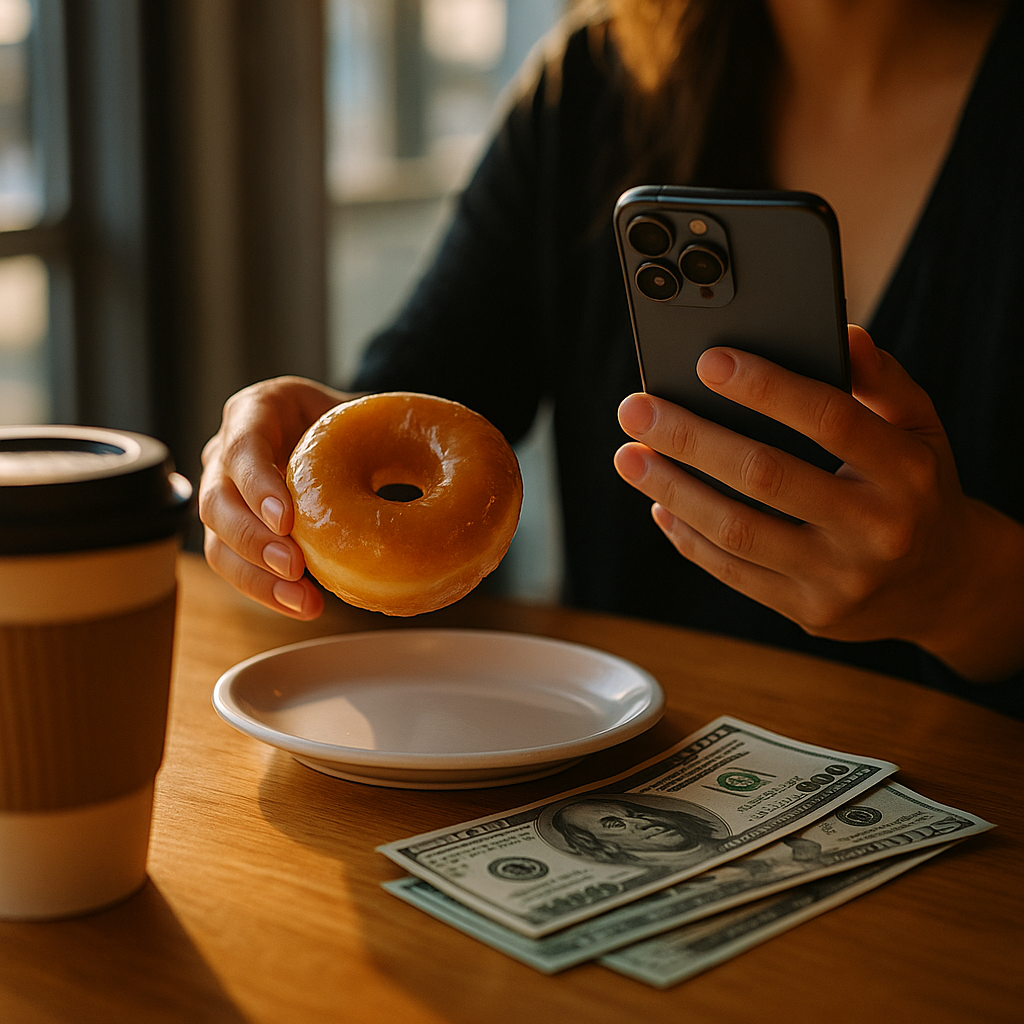
Treatonomics is reshaping how people spend in 2025: consumers cut back on big-ticket purchases yet keep room for small indulgences that feel earned, affordable, and mood-lifting. From premium snacks to “little luxuries” in beauty and beverages, brands that understand this mindset can grow even in cautious markets. The question is: will your marketing meet the moment?
Understanding Treatonomics: the small indulgence consumer
Treatonomics describes a spending pattern where consumers remain value-conscious overall but still buy small, emotionally satisfying items. It is not irrational “splurging.” It is a deliberate trade-off: people postpone major upgrades and discretionary experiences, yet preserve budget for products that provide quick pleasure, comfort, or identity reinforcement.
In 2025, this behavior shows up across categories:
- Food and beverage: premium chocolate bars, craft sodas, functional “treat” drinks, upgraded coffee add-ons.
- Beauty and personal care: mini serums, lip oils, travel sizes, “self-care” bath products.
- Quick-service and convenience retail: limited-time flavors, bundle add-ons, small desserts at checkout.
- Digital goods: microtransactions, creator subscriptions, stickers/emotes, short-term perks.
What the small indulgence consumer is really buying is a combination of permission (“I deserve this”), control (“It fits my budget”), and impact (“It changes my day”). Treatonomics rewards brands that respect financial pressure while making the purchase feel meaningful.
If you market indulgence as status or excess, you risk alienating buyers who are vigilant about value. If you market only savings, you miss the emotional job the product performs. The winning approach blends both: an affordable upgrade that feels personal.
Small luxury marketing: why micro-rewards win in 2025
Small luxury marketing works because it aligns with how decisions get made under constraint. When budgets feel tight, consumers tend to:
- Scrutinize high-cost commitments (subscriptions, appliances, travel) because regret risk is high.
- Seek low-risk joy via items that are inexpensive, consumable, and instantly rewarding.
- Rationalize with “value framing” (“It’s only a few dollars more,” “I’ll skip something else”).
That combination makes micro-rewards a resilient growth lever. But it also increases competition: many brands try to claim the same “little treat” space. You need a sharper reason-to-believe than “delicious” or “premium.”
Focus on three drivers that consistently convert small indulgence shoppers:
- Sensory specificity: name the experience precisely (texture, aroma, finish, temperature, crunch, melt). “Creamy” is weak; “slow-melt cocoa with toasted hazelnut crunch” is concrete.
- Situational triggers: define the moment (after-school, post-work decompression, end-of-day ritual, mid-afternoon slump). Treat purchases are often tied to routines.
- Justification cues: provide a reason that feels responsible (portion control, clean ingredients, functional benefits, limited waste, resealable packaging).
Consumers also want brands to acknowledge reality without preaching. “Affordable indulgence” messaging lands best when it is confident, not apologetic. Treatonomics consumers do not want guilt; they want permission with boundaries.
Affordable indulgence trends: products, pricing, and packaging that convert
Treatonomics is not only a messaging shift; it is a product and merchandising play. In 2025, the most effective affordable indulgence trends share one trait: they reduce friction while increasing perceived reward.
1) Right-sized formats and “mini premium”
Smaller packs lower the barrier to entry, simplify trial, and support impulse purchase. Importantly, “small” should not read as “less.” Use clear value cues such as improved ingredients, distinctive flavors, or craftsmanship markers. Minis also let consumers explore variety without committing to a full-size price.
2) Tiered price architecture
Treatonomics shoppers trade up and down depending on mood and cash flow. Offer a good/better/best ladder:
- Entry treat: low-price, high-frequency item (e.g., single bar, single-serve drink).
- Upgrade treat: slightly higher price for a noticeable lift (limited edition, premium ingredient).
- Giftable treat: premium packaging, multi-pack, seasonal set.
This structure prevents churn: if the shopper cannot justify “best” this week, they can still buy “entry” without leaving the brand.
3) Limited-time offers (LTOs) with discipline
LTOs create urgency and novelty, which are powerful in indulgence categories. The risk is training customers to wait for the next flavor drop. Use LTOs to highlight your core promise, not distract from it. Anchor LTOs in a repeatable platform (seasonal rotations, regional collaborations, fandom partnerships) so they strengthen brand identity.
4) Packaging that signals value and responsibility
In small indulgences, the pack does heavy work: it justifies the purchase in seconds. Practical signals matter—resealable features, portion clarity, easy carry, reduced mess. Responsible packaging claims must be precise and verifiable. Avoid vague sustainability promises; use specific statements you can document.
5) “Functional treats” without overclaiming
Consumers like indulgence that feels productive: protein desserts, better-for-you sodas, mood or focus ingredients. The trust requirement is high. Keep benefits grounded, use compliant language, and provide accessible ingredient explanations. Treatonomics rewards brands that make a consumer feel smart, not tricked.
Common follow-up question: Should brands simply shrink products to hit a price point? Not as a default. If you reduce size, protect the experience. A smaller treat can still feel premium if the sensory payoff is intact and the value story is honest.
Consumer behavior insights: the psychology behind “little treats”
Marketing to the small indulgence consumer works best when you understand the mental math happening at the shelf and on the screen. Treatonomics decisions tend to be fast, emotional, and justified afterward. That means your marketing needs to support both the impulse and the rationalization.
Key psychological mechanisms:
- Micro-escapism: small treats offer a brief break from stress. Your creative should dramatize the “moment of relief,” not just the product.
- Progress rewards: people treat themselves after completing tasks. Messaging that pairs the product with “earned” moments (after work, after a workout, after errands) can lift conversion.
- Identity reinforcement: consumers pick treats that match who they are (adventurous, nostalgic, health-aware, culturally connected). Brand voice and flavor choices can signal identity quickly.
- Control and predictability: in uncertain times, predictable rituals feel stabilizing. Position your treat as part of a repeatable routine.
How to translate this into creative:
- Show the occasion (desk snack, commute beverage, evening skincare reset) so the consumer can picture themselves using it.
- Use specific sensory language to shorten the “will I like this?” question.
- Make the “permission” explicit with cues like portioning, ingredient quality, or multipurpose value.
Another likely follow-up: Is treatonomics only for budget-conscious shoppers? No. Higher-income consumers also use micro-indulgences as time-efficient mood boosts. The difference is not income; it is the preference for low-commitment reward.
Brand trust and EEAT: building credibility in indulgence marketing
Indulgence categories can attract skepticism—especially when brands claim premium quality, wellness benefits, or ethical sourcing. In 2025, trust is a conversion lever. Google’s EEAT principles (Experience, Expertise, Authoritativeness, Trustworthiness) map cleanly to what consumers want: proof, clarity, and accountability.
Experience: demonstrate real product experience instead of generic adjectives.
- Publish tasting notes, usage routines, and “what to expect” guides.
- Use authentic creator content with clear disclosure and consistent standards.
- Show behind-the-scenes process steps that influence quality (roasting, fermentation, small-batch mixing, testing).
Expertise: support claims with qualified input.
- For functional treats, involve credentialed experts (food scientists, dietitians) and keep language compliant.
- Explain ingredient purpose in plain language and link it to sensory or practical outcomes.
Authoritativeness: earn recognition in your niche.
- Highlight verified awards, retail partnerships, and reputable third-party reviews.
- Build topical authority through educational content (flavor origins, ingredient sourcing, recipe pairings, portion guidance).
Trustworthiness: remove doubt at the moment of purchase.
- Make pricing, shipping, and returns easy to understand.
- Use precise sourcing and sustainability statements; avoid broad, unprovable claims.
- Provide transparent nutrition and allergen information, especially for impulse purchases.
Trust is also a UX issue. If your landing page loads slowly, hides key details, or buries ingredients behind clicks, you lose the treatonomics buyer—because the purchase is optional and substitution is easy.
Marketing strategies: how to win at checkout, on social, and in search
Treatonomics rewards brands that capture attention quickly and then provide enough reassurance for a fast yes. The most effective strategy combines in-store execution, performance marketing, and content that matches intent.
1) Merchandising and point-of-sale
- Place treats where decisions happen: checkout, endcaps, and high-traffic bundles.
- Use clear benefit signage: “new flavor,” “limited batch,” “perfect with coffee,” “under X calories” (only if accurate and compliant).
- Bundle with complements: pair a treat with an everyday item (coffee + mini dessert, cleanser + mini balm). This makes the indulgence feel like an add-on rather than a separate expense.
2) Social and creator marketing
- Prioritize “moment content”: 10–20 second videos showing the ritual and the payoff (snap, pour, melt, glow).
- Make sensory proof visible: texture shots, sound, close-ups, side-by-side comparisons.
- Use creators for credibility, not scripts: give boundaries (claims, brand safety) but let creators explain the experience in their own voice.
3) Search strategy for treatonomics intent
Small-indulgence shoppers often search with specific intent: “best mini ___,” “low sugar treat,” “single serve,” “new flavor,” “dessert under ___ calories,” “giftable snack box.” Build pages that answer these queries directly, with clear product details and comparisons that help decision-making.
- Create category pages for mini sizes, limited editions, and giftable bundles.
- Add FAQ blocks that address ingredients, allergens, shipping, and “what it tastes like.”
- Use structured internal linking so shoppers can move from discovery to purchase in one session.
4) Email and loyalty for repeat treats
- Offer “treat drops” with predictable cadence so customers look forward to them.
- Reward frequency, not just spend (stamp-style programs work well for micro-purchases).
- Use replenishment reminders tied to routines (“your Friday night flavor is back”).
5) Measurement: what to track
- Attach rate (add-on purchases at checkout).
- Repeat purchase window by SKU and by format (mini vs full size).
- LTO halo effect on core products.
- Price elasticity for entry vs upgrade tiers.
- Creative diagnostics (which sensory or occasion cues drive the most conversions).
Follow-up question: How do you avoid discounting while still feeling affordable? Lead with format and value design (right-sized packs, bundles, tiering) rather than constant promotions. Discounting should be occasional and strategic—otherwise the treat loses its “special” feeling and margins erode.
FAQs: Treatonomics and marketing to small indulgences
What is treatonomics in simple terms?
Treatonomics is the trend where consumers reduce major discretionary spending but continue to buy small, affordable indulgences that improve their mood or routine.
Which industries benefit most from treatonomics?
Food and beverage, beauty, personal care, convenience retail, quick-service restaurants, and digital microtransactions benefit because they offer low-commitment rewards with immediate gratification.
How can a brand position a product as a “treat” without sounding irresponsible?
Pair emotional appeal with responsible cues: portion clarity, quality ingredients, transparent labeling, and a defined occasion. Make the pleasure explicit and the boundaries clear.
Do limited-time flavors actually drive growth?
They can, when used to reinforce a core platform (seasonal rotations or signature bases). Track whether LTO buyers return to core products; if not, you may be renting attention instead of building loyalty.
What content should a treat brand publish for SEO in 2025?
Occasion-based guides, “mini vs full-size” comparisons, ingredient explainers, allergen and nutrition FAQs, and pages for limited editions and bundles. Keep information specific and easy to verify.
How do you build trust for functional or “better-for-you” treats?
Use precise, compliant claims, explain ingredients in plain language, provide transparent nutrition/allergen info, and involve qualified experts when discussing benefits.
Treatonomics will keep influencing buying decisions in 2025 because small indulgences deliver fast emotional payoff with manageable financial risk. Brands win by designing right-sized products, tiered pricing, and occasion-led storytelling that supports both impulse and justification. Build trust with clear claims and specific sensory proof, then measure repeat behavior. If your treat earns permission and delivers delight, growth follows.