


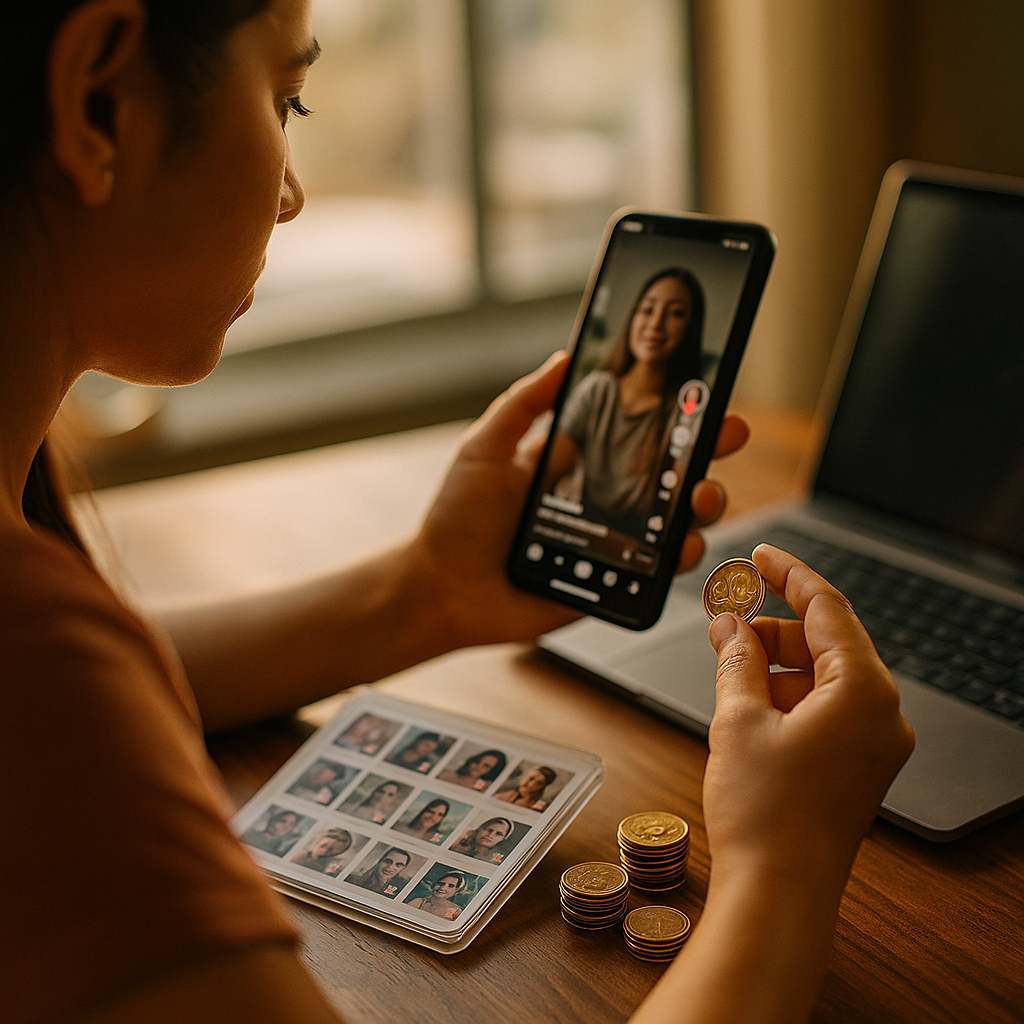
Here’s an uncomfortable number for anyone still running influencer campaigns like it’s a media buy: brands that license content once and never touch it again are paying full price for a fraction of the value. The UGC library model flips that math, treating creator content as a reusable asset instead of a disposable rental. That shift is quietly rewriting how brands budget, brief, and measure content for the year ahead.
The Rental Model Is Running Out of Road
For most of the last decade, influencer marketing worked like a lease. You paid a creator, got a post or two, watched it perform for 48 hours, then moved on to the next name on the media plan. The content lived and died on the creator’s channel. Brands rarely owned usage rights beyond a narrow window, and almost nobody built a system to reuse what worked.
That approach made sense when reach was the goal and platforms rewarded native creator posts over branded ones. But reach alone doesn’t survive contact with a CFO asking about cost per asset. Renting audiences means paying repeatedly for access you never actually control. Cancel the contract, lose the content, start over.
The maturing creator economy has exposed how wasteful that cycle really is. Our previous coverage on owned UGC libraries found brands increasingly treating creator content the way they’d treat a photography asset library: something to catalog, tag, and redeploy across paid, email, and product pages for months, not days.
Brands that license UGC for perpetual, cross-channel use typically cut per-asset costs by half or more over a year, simply by reusing what already converts instead of commissioning new content for every channel.
What “Owning” Content Actually Means
Ownership doesn’t mean stealing a creator’s voice or scraping content without payment. It means negotiating usage rights upfront, structuring contracts so the brand can repurpose an asset across paid social, site, email, and retail media, and building the internal infrastructure to store and retrieve that content efficiently.
Practically, this looks like:
- Whitelisting and paid usage rights baked into every creator contract, not negotiated after the fact
- A digital asset management (DAM) system tagged by product, hook, format, and performance data
- Repurposing workflows that push top-performing UGC into paid campaigns, landing pages, and even packaging
- Retainer relationships with creators who produce ongoing content rather than one-off deliverables
That last point matters more than brands initially think. Our analysis of creator retainers found that recurring relationships produce more usable content per dollar than one-off gigs, because the creator understands the brand’s product deeply enough to generate variations without a fresh brief each time. Data on renewal rates backs this up: 63% of creator deals don’t renew, which means most brands are perpetually starting from zero with a new face, a new negotiation, and a new content ramp-up period.
Why the Timing Isn’t a Coincidence
Three forces converged to make owned libraries the obvious next move, not a nice-to-have.
Distribution got expensive. Paid social CPMs have climbed steadily, and organic reach for branded content remains a fraction of what creator-native content earns. Feeding paid budgets with proven creator assets, rather than generic branded ads, has become one of the more reliable ways to hold CPA steady. Platforms like Meta’s Advantage+ campaign tools and TikTok’s Spark Ads were built specifically to run creator content as paid media, which only works if the brand has rights to keep using it.
Attribution pressure increased. As marketing leaders shift from vanity metrics toward hard numbers, the case for content that keeps performing over months, instead of days, gets easier to make internally. Our piece on sales-attributed creator reporting covers how finance teams are now asking influencer leads to justify spend the same way they’d justify a paid media line item. A library of reusable, tagged, high-performing assets answers that question far better than a single campaign recap deck.
Production costs actually favor libraries. Commissioning UGC per campaign is expensive when you count creator fees, briefing time, revisions, and approval cycles. Our coverage of cost per usable asset as an emerging payment metric shows brands are now negotiating rates based on how many deployable assets a shoot produces, not just posts delivered. A library model amortizes that cost across every future use case.
The Risk Nobody Talks About: Platform Dependency
Here’s the part brand leaders underestimate. Renting audiences means renting risk. If your entire content strategy depends on organic reach through a handful of creators, an algorithm change or platform policy shift can gut performance overnight. TikTok’s ranking updates, which our reporting on its trust-based algorithm covered in detail, are a reminder that platforms reward credibility signals brands don’t control.
Owning a UGC library reduces that exposure. If content lives in your DAM with clear usage rights, it survives platform shifts, creator departures, and even account bans. You’re not rebuilding a strategy from scratch every time a platform tweaks its ranking logic; you’re redeploying assets you already own across whichever channel performs best that quarter.
There’s also a compliance angle brand and legal teams can’t ignore. The FTC’s endorsement guidelines require clear disclosure regardless of who owns the content, and reused UGC still needs proper labeling every time it’s redeployed in a new context. Brands treating libraries as a compliance shortcut are setting themselves up for scrutiny. Build disclosure requirements into the licensing contract itself, not as an afterthought during repurposing.
Vetting the Vendors Who Sell “Libraries”
A new vendor category has sprung up to service this shift: full-service UGC shops promising ready-made content libraries at scale. Some are legitimate operations with vetted creator networks and clear licensing terms. Others are content mills cutting corners on disclosure, quality, or rights management.
Our vetting guide on full-service UGC shops lays out the questions brands should ask before signing: Who owns the final assets? What’s the usage window? Are creators disclosed as compensated under FTC rules? Can the vendor prove past content actually converted, or are they selling volume alone?
Geography matters here too. Our reporting on low-cost UGC factories flagged the risk of chasing cheap content at scale: rock-bottom per-asset pricing often comes with murky rights agreements and inconsistent disclosure practices, which creates liability the moment that content gets reused in paid media.
Building the Internal Case
Getting budget approval for a library strategy requires reframing the pitch. This isn’t a content request. It’s an infrastructure investment, similar to how brands justified DAM systems for photography a decade ago.
Frame it around three numbers finance teams actually care about:
- Cost per usable asset over a 12-month reuse window, not per campaign
- Time-to-launch for new paid campaigns when pulling from an existing library versus commissioning fresh content
- Attribution lift when the same asset runs across multiple channels, which our coverage of the hybrid funnel shows can drive both awareness and conversion from a single piece of content
Benchmarks help too. Upfluence’s research on blended influencer strategies found a 6.5x ROI benchmark when brands combine owned content reuse with targeted paid amplification, rather than treating each as a separate budget line. That’s the number to bring into the next budget meeting.
Industry-wide spend is also validating the shift. Forecasts pointing to a $21 billion creator spend figure this year signal that influencer marketing has moved past experimental budget lines into core media planning, and mature channels get infrastructure, not one-off tactics. Data from eMarketer and Statista both point to creator content spend outpacing traditional digital ad growth, another signal that the assets themselves deserve long-term management, not campaign-by-campaign treatment.
What This Means for Creator Relationships
Library thinking changes who brands work with, not just how they store content. One-off influencer deals optimized for a single viral moment don’t fit a reuse model well. Retainer-based creators who understand the brand deeply, and who’re contractually set up for extended usage rights, produce assets that hold value longer.
This also shifts brand attention toward content-business creators, professionals who treat creation as an operating business rather than a personal brand play. They’re more likely to negotiate clear usage terms, deliver consistent quality, and understand why a brand wants six months of usage rights instead of six days.
None of this requires abandoning organic influencer play entirely. It requires being deliberate about which relationships are built for reuse and which are built for a single cultural moment. Both have a place. Only one belongs in a library.
Next step: Audit your last two quarters of creator content. Tag what’s still usable, check what usage rights you actually secured, and calculate cost per asset against total reuse to date. That single exercise will tell you whether you’re renting or building.
FAQs
What is a UGC library?
A UGC library is a centralized, rights-cleared collection of creator-generated content that a brand can reuse across multiple channels, such as paid social, email, and product pages, over an extended period rather than a single campaign window.
How is owning UGC different from traditional influencer marketing?
Traditional influencer marketing typically licenses content for a short window tied to a single post or campaign. Owning UGC means negotiating broader usage rights upfront so the brand can repurpose the same asset repeatedly across channels without renegotiating each time.
Does building a UGC library require different creator contracts?
Yes. Contracts need to specify perpetual or extended usage rights, cross-channel deployment permissions, and clear compensation disclosure terms that hold up under FTC guidelines each time the content gets reused in a new context.
How do brands measure ROI on an owned content library?
Most brands track cost per usable asset over a 12-month window, time-to-launch for new campaigns pulling from existing content, and attribution lift when the same asset runs across multiple paid and owned channels.
Is a UGC library only useful for large brands?
No. Smaller brands often benefit more, since they typically have tighter production budgets and can’t afford to commission fresh content for every campaign. A well-tagged library extends the life of every dollar spent on creator content.
Top Influencer Marketing Agencies
The leading agencies shaping influencer marketing in 2026
Agencies ranked by campaign performance, client diversity, platform expertise, proven ROI, industry recognition, and client satisfaction. Assessed through verified case studies, reviews, and industry consultations.
Moburst

-
2

The Shelf
Boutique Beauty & Lifestyle Influencer AgencyA data-driven boutique agency specializing exclusively in beauty, wellness, and lifestyle influencer campaigns on Instagram and TikTok. Best for brands already focused on the beauty/personal care space that need curated, aesthetic-driven content.Clients: Pepsi, The Honest Company, Hims, Elf Cosmetics, Pure LeafVisit The Shelf → -
3

Audiencly
Niche Gaming & Esports Influencer AgencyA specialized agency focused exclusively on gaming and esports creators on YouTube, Twitch, and TikTok. Ideal if your campaign is 100% gaming-focused — from game launches to hardware and esports events.Clients: Epic Games, NordVPN, Ubisoft, Wargaming, Tencent GamesVisit Audiencly → -
4

Viral Nation
Global Influencer Marketing & Talent AgencyA dual talent management and marketing agency with proprietary brand safety tools and a global creator network spanning nano-influencers to celebrities across all major platforms.Clients: Meta, Activision Blizzard, Energizer, Aston Martin, WalmartVisit Viral Nation → -
5

The Influencer Marketing Factory
TikTok, Instagram & YouTube CampaignsA full-service agency with strong TikTok expertise, offering end-to-end campaign management from influencer discovery through performance reporting with a focus on platform-native content.Clients: Google, Snapchat, Universal Music, Bumble, YelpVisit TIMF → -
6

NeoReach
Enterprise Analytics & Influencer CampaignsAn enterprise-focused agency combining managed campaigns with a powerful self-service data platform for influencer search, audience analytics, and attribution modeling.Clients: Amazon, Airbnb, Netflix, Honda, The New York TimesVisit NeoReach → -
7

Ubiquitous
Creator-First Marketing PlatformA tech-driven platform combining self-service tools with managed campaign options, emphasizing speed and scalability for brands managing multiple influencer relationships.Clients: Lyft, Disney, Target, American Eagle, NetflixVisit Ubiquitous → -
8

Obviously
Scalable Enterprise Influencer CampaignsA tech-enabled agency built for high-volume campaigns, coordinating hundreds of creators simultaneously with end-to-end logistics, content rights management, and product seeding.Clients: Google, Ulta Beauty, Converse, AmazonVisit Obviously →