


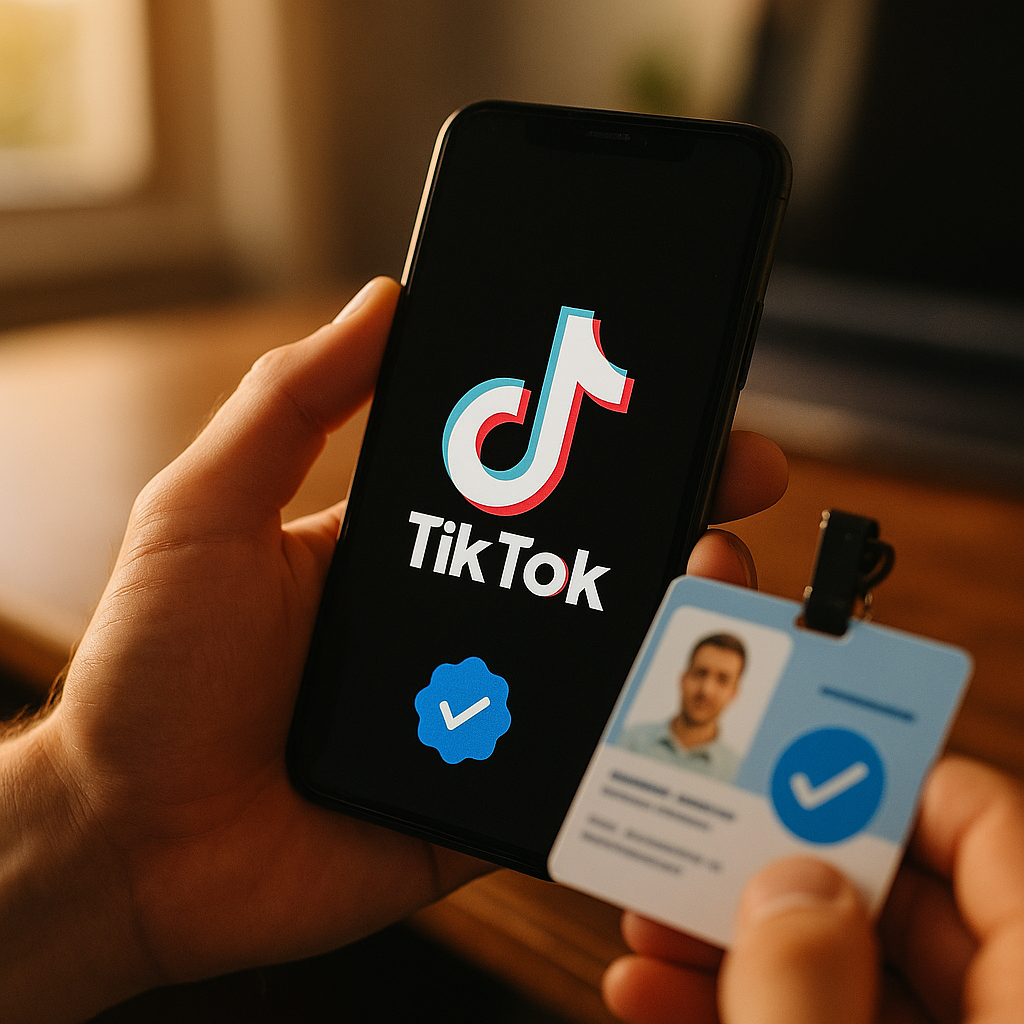
A creator with 40,000 followers can now outperform one with 4 million on TikTok. That’s not an anomaly anymore — it’s the design. TikTok’s trust-based distribution algorithm has quietly rewired how content earns reach, and most brand teams are still buying media the old way: chasing follower counts instead of credibility signals. That gap is about to get expensive.
The Reach Era Is Over, Whether Brands Are Ready or Not
For years, TikTok’s For You Page ran on a relatively simple premise: engagement velocity plus watch time equals distribution. Post something that hooked viewers in the first three seconds, and the algorithm would push it to strangers regardless of who made it. That’s why unknown accounts could go viral overnight. It’s also why the platform became a magnet for engagement bait, follow-for-follow schemes, and creators gaming completion rates with jump cuts and cliffhangers.
That model is fading. TikTok has spent the past several product cycles layering in signals that weight who is posting, not just how the content performs in isolation. Account history, topical consistency, community feedback (not just likes, but comments that indicate genuine reaction), and cross-video credibility now factor into how far a single post travels. A brand-new account with one viral fluke doesn’t get the same algorithmic benefit of the doubt it used to.
Think of it as a reputation ledger. Every post either adds or subtracts from a creator’s standing, and that standing increasingly determines baseline reach before a single view happens.
The shift from reach-based to trust-based distribution means a creator’s history now functions like a credit score — and brands who ignore it are underwriting risk blind.
What “Credibility Signals” Actually Mean in Practice
TikTok doesn’t publish its ranking weights (no platform does), but patterns are visible to anyone running paid and organic creator programs at scale. Several signals show up consistently:
- Niche consistency: Accounts that stay in a lane (beauty, finance, parenting) build topical authority that the algorithm rewards with more reliable reach in that category.
- Comment quality over comment volume: Genuine, on-topic replies seem to outweigh generic emoji spam, even when spam volume is higher.
- Completion and rewatch patterns across a body of work, not just one clip: A single viral hit from an otherwise low-performing account doesn’t carry the same weight as consistent mid-tier performance.
- Account longevity and violation history: Community guideline strikes, even minor ones, appear to suppress reach for weeks or months after the fact.
- Off-platform signals creeping in: Search visibility, whether a creator’s name returns credible results on Google, is starting to correlate with on-platform trust in ways that mirror how Google’s search quality guidelines have long treated E-E-A-T for web content.
This isn’t unique to TikTok. It’s part of a broader platform trend where algorithm behavior varies significantly by platform, and treating every feed as a single monolithic ranking system is a mistake brands keep making.
Why This Matters More Than a Typical Algorithm Tweak
Algorithm updates are constant. Most are noise. This one is structural because it changes the unit of value from content to creator. A brand can no longer treat a TikTok partnership as a single-transaction media buy. The creator’s cumulative trust becomes an asset the brand is renting, and that asset appreciates or depreciates based on behavior the brand doesn’t fully control.
That has direct implications for vetting, contracting, and even how marketing teams measure success internally, which ties back to why sales-attributed reporting is replacing vanity metrics across the industry. Follower count was never a great proxy for value. Now it’s not even a reliable proxy for reach.
The Brand-Side Risk Nobody’s Pricing In
Here’s the uncomfortable part. If distribution is tied to a creator’s trust signal, then a brand’s content performance is now hostage to a creator’s entire history, including behavior before the partnership existed and after it ends. Sign a creator who racks up a strike for misinformation three weeks post-campaign, and the halo effect on your remaining content in that partnership can dim. Nobody signs a contract clause for “algorithmic reputation decay,” but maybe they should start.
This is precisely the kind of exposure covered in how brands should vet creator income streams, and it extends naturally to vetting creator conduct patterns, not just financial transparency. Due diligence used to mean checking engagement rate and audience demographics. Now it means checking whether a creator has a track record of staying inside platform guidelines, because that record is now baked into reach potential.
There’s also a sourcing angle. TikTok itself seems to know brands need better creator discovery tools in this new environment — its push toward structured creator meetings and vetted talent pipelines, covered in TikTok’s creator meeting initiative, reads like a direct response to the sourcing chaos that trust-based ranking creates. If reach is no longer democratized, brands need better ways to find creators who already have algorithmic goodwill.
Micro and Niche Creators Are the Quiet Winners
Nano and micro creators with tight, consistent niches are structurally advantaged under this model. They’ve spent years building topical authority in narrow categories, exactly the kind of consistency the algorithm now rewards. This lines up with data out of APAC, where micro-community engagement models are already delivering 25% higher ROI than broad-reach influencer buys.
It’s not a coincidence. Trust-based distribution and micro-community strength are two sides of the same shift: platforms and audiences both increasingly value depth over breadth. A creator with 15,000 followers who has posted skincare content consistently for two years, with clean guideline history and genuine engagement, will often out-distribute a 500,000-follower generalist account with erratic upload patterns.
For brand teams, this reframes the entire influencer tiering conversation. Reach-first media planning undervalues exactly the accounts the algorithm now favors.
A tight, guideline-clean niche creator with modest followers can now out-distribute a large generalist account — reach-first media planning is measuring the wrong variable.
What This Means for Paid Amplification and Spark Ads
Paid distribution isn’t immune either. TikTok’s Spark Ads product, which boosts organic creator content through paid spend, appears to inherit some of the organic trust weighting rather than operating as a fully separate auction. Early anecdotal evidence from media buyers suggests that boosting content from low-trust accounts costs more per result than boosting equivalent content from high-trust accounts, even at identical bids.
That’s a meaningful shift for budget planning. If a $50,000 paid boost performs worse purely because of the source account’s standing, then creator selection becomes a media efficiency decision, not just a brand-fit decision. This dovetails with broader industry data showing blended organic-paid creator strategies outperform pure paid plays, and it strengthens the case for treating creator vetting as a performance marketing function, not just a partnerships function.
Practically, this means media planners should request a creator’s recent standing indicators (video removal history, current restriction status, engagement consistency) as part of the RFP process, the same way they’d request audience demographics. It should be table stakes, not a nice-to-have.
How Should Brands Actually Respond?
A few operational shifts make sense given where this is heading:
- Build a standing-check step into creator vetting, alongside the usual audience quality and fraud checks.
- Weight historical consistency, not just current follower count, when shortlisting for campaigns tied to reach goals.
- Favor longer creator relationships over one-off transactional deals, since retained creators build compounding trust that benefits every subsequent post, a point that aligns with why creator retainers make a stronger internal business case than constant roster churn.
- Diversify away from single-platform dependency. A trust penalty on TikTok doesn’t necessarily follow a creator to Instagram or YouTube, so multi-platform creators offer some insulation against single-algorithm risk.
- Push for transparency in contracts around guideline violations during the partnership window, since those can suppress reach on the exact content the brand paid for.
None of this requires an overhaul. It requires treating “algorithmic trust” as a measurable, requestable data point, the same way brands already treat engagement rate or audience location. Platforms like Sprout Social and creator marketplaces are starting to surface some of these signals, though standardized reporting is still immature industry-wide.
The Bigger Signal About Platform Discovery
Step back and this looks like part of a pattern, not an isolated TikTok decision. Search engines moved from keyword density to authority and trust signals years ago. Amazon moved from pure sales velocity to a blend that includes return rates and review authenticity. Now social discovery is following the same arc: raw performance metrics get gamed too easily, so platforms layer in reputation as a stabilizing force.
For brands, that means the discovery layer of every major platform is converging on a similar principle, reward consistency, penalize manipulation, and treat historical behavior as predictive of future value. TikTok is simply the latest, and arguably the most consumer-facing, example of this pattern playing out in real time. Marketers who treated TikTok as the “wild west” platform where anything could go viral need to recalibrate that assumption now, because the wild west is closing.
The next move: audit your current TikTok creator roster for guideline history and posting consistency this quarter, not after the next campaign underperforms. Trust is now a distribution asset, and brands that measure it will out-plan the ones still buying on follower count alone.
Frequently Asked Questions
What is TikTok’s trust-based distribution algorithm?
It’s the evolving system TikTok uses to determine content reach based on a creator’s cumulative credibility signals, including account history, topical consistency, community guideline compliance, and genuine engagement quality, rather than relying solely on a single video’s performance metrics.
How is this different from TikTok’s previous algorithm approach?
Previously, TikTok’s For You Page weighted individual video performance heavily, allowing new or unknown accounts to go viral based on one strong post. The trust-based model weighs the creator’s broader track record, meaning reach compounds or erodes over time rather than resetting with each upload.
Does this mean follower count matters less for brand partnerships?
Yes, relatively speaking. Follower count remains a factor, but consistency, niche authority, and clean guideline history now play a larger role in determining actual reach, which means smaller creators with strong trust signals can outperform larger accounts with erratic histories.
How can brands check a creator’s algorithmic standing before signing a deal?
There’s no public trust score, but brands can review a creator’s recent violation history, posting consistency, engagement authenticity, and cross-platform reputation as proxy indicators. Requesting this data as part of vetting, similar to audience demographic reports, is becoming standard practice.
Does a creator’s guideline violation affect a brand’s paid Spark Ads performance?
Anecdotal evidence from media buyers suggests boosted content from lower-trust accounts can underperform equivalent content from higher-trust accounts at similar bids, though TikTok has not published official documentation confirming the exact mechanics.
Is this trend unique to TikTok, or happening across other platforms too?
It mirrors patterns seen in search engines and marketplaces, where platforms shift from pure performance metrics toward blended trust and authority signals. Instagram and YouTube have made similar, less publicized moves toward rewarding consistency and penalizing manipulation.
Top Influencer Marketing Agencies
The leading agencies shaping influencer marketing in 2026
Agencies ranked by campaign performance, client diversity, platform expertise, proven ROI, industry recognition, and client satisfaction. Assessed through verified case studies, reviews, and industry consultations.
Moburst

-
2

The Shelf
Boutique Beauty & Lifestyle Influencer AgencyA data-driven boutique agency specializing exclusively in beauty, wellness, and lifestyle influencer campaigns on Instagram and TikTok. Best for brands already focused on the beauty/personal care space that need curated, aesthetic-driven content.Clients: Pepsi, The Honest Company, Hims, Elf Cosmetics, Pure LeafVisit The Shelf → -
3

Audiencly
Niche Gaming & Esports Influencer AgencyA specialized agency focused exclusively on gaming and esports creators on YouTube, Twitch, and TikTok. Ideal if your campaign is 100% gaming-focused — from game launches to hardware and esports events.Clients: Epic Games, NordVPN, Ubisoft, Wargaming, Tencent GamesVisit Audiencly → -
4

Viral Nation
Global Influencer Marketing & Talent AgencyA dual talent management and marketing agency with proprietary brand safety tools and a global creator network spanning nano-influencers to celebrities across all major platforms.Clients: Meta, Activision Blizzard, Energizer, Aston Martin, WalmartVisit Viral Nation → -
5

The Influencer Marketing Factory
TikTok, Instagram & YouTube CampaignsA full-service agency with strong TikTok expertise, offering end-to-end campaign management from influencer discovery through performance reporting with a focus on platform-native content.Clients: Google, Snapchat, Universal Music, Bumble, YelpVisit TIMF → -
6

NeoReach
Enterprise Analytics & Influencer CampaignsAn enterprise-focused agency combining managed campaigns with a powerful self-service data platform for influencer search, audience analytics, and attribution modeling.Clients: Amazon, Airbnb, Netflix, Honda, The New York TimesVisit NeoReach → -
7

Ubiquitous
Creator-First Marketing PlatformA tech-driven platform combining self-service tools with managed campaign options, emphasizing speed and scalability for brands managing multiple influencer relationships.Clients: Lyft, Disney, Target, American Eagle, NetflixVisit Ubiquitous → -
8

Obviously
Scalable Enterprise Influencer CampaignsA tech-enabled agency built for high-volume campaigns, coordinating hundreds of creators simultaneously with end-to-end logistics, content rights management, and product seeding.Clients: Google, Ulta Beauty, Converse, AmazonVisit Obviously →