


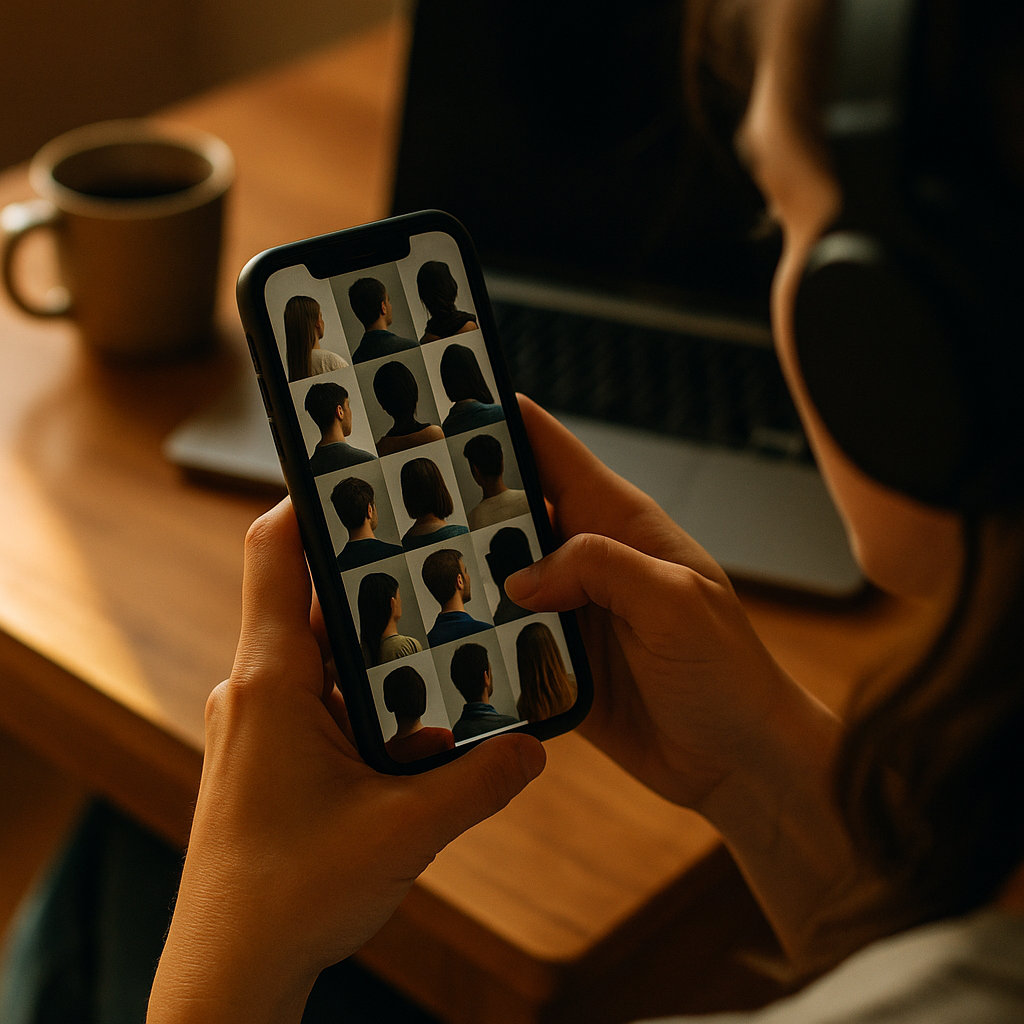
Nearly 40% of marketers say user-generated content now outperforms professionally produced video on paid social, according to eMarketer benchmarks tracked over the past two years. Yet the fastest-growing segment of creators fueling that content doesn’t have a public following at all. Welcome to the UGC specialist pool — a roster of skilled, camera-comfortable talent who make demo videos and testimonials for brands, then disappear back into anonymity. No fans. No comment sections to moderate. Just content.
If that sounds like a workaround, it is. And it’s working.
What Exactly Is a UGC Specialist Pool?
A UGC specialist pool is a curated bench of creators hired specifically to produce authentic-feeling content — unboxings, demos, testimonials, “get ready with me” style reviews — without any obligation to post it themselves. Brands own the distribution. The creator’s job ends at delivery.
This is a meaningful departure from traditional influencer marketing, where the creator’s audience is the product. Here, the audience doesn’t matter. What matters is performance on camera: can this person hold a phone at the right angle, deliver a script that sounds unscripted, and react to a product the way a real customer might? Agencies like Billo, Insense, and JoinBrands built entire businesses around this exact model, and platforms such as TikTok Creative Exchange have leaned into it as well.
Compare that to a classic sponsored post from a creator with 200K followers. You’re paying for reach and reputation. With UGC specialists, you’re paying for a raw content asset you’ll run through your own paid media engine. Different line item, different KPI, different risk profile entirely.
The shift isn’t about replacing influencers — it’s about separating the job of “making believable content” from the job of “having an audience.” Brands are realizing those two skills don’t need to live in the same person.
Why Brands Are Outsourcing Instead of Building In-House
Producing high-converting UGC at scale in-house is expensive and slow. You need casting, scripting, filming, editing, and usage rights management — for every single variant you want to test. Most internal creative teams aren’t built for that volume.
Outsourcing to a specialist pool solves three operational headaches at once:
- Speed to volume. Agencies can deliver dozens of demo variations in the time it takes to brief one traditional influencer campaign.
- Predictable cost structure. Flat per-video rates replace the murky negotiation dance of influencer sponsorship deals.
- Full usage rights, no ambiguity. Contracts typically hand over broad, sometimes perpetual, usage rights — critical when content is destined for paid ads rather than organic reach.
This matters even more given how fast performance creative decays. Meta and TikTok algorithms reward fresh assets and punish repetition, so brands running always-on paid social need a constant feed of new UGC-style content, not a handful of polished hero videos refreshed quarterly. That reality is part of why TikTok’s trust-based algorithm has pushed more budget toward native-feeling, high-frequency content over big-swing productions.
The Non-Public-Facing Advantage — Fewer Risks, More Control
Here’s the part brand safety teams actually care about. When you hire a creator with an audience, you inherit their history — old tweets, controversial takes, a brand-safety audit that never really ends. Non-public-facing UGC talent carries almost none of that baggage because there’s no public feed to audit in the first place.
That doesn’t mean zero risk. Brands still need contracts covering usage rights, disclosure requirements, and content ownership. The FTC’s endorsement guidelines apply regardless of whether the creator has 12 followers or 1.2 million, and the FTC has made clear that paid UGC used in advertising still requires proper disclosure. Skipping that step because “it’s not really an influencer post” is a compliance mistake dressed up as a loophole.
Still, the operational risk profile is dramatically simpler. No need to vet years of social history the way you would for creator income streams and brand affiliations in a traditional partnership. No worry about a creator suddenly going silent mid-campaign or getting swept into a platform controversy that drags your brand down with them. You’re hiring a skill, not a relationship.
Where the ROI Actually Shows Up
Performance marketers didn’t adopt this model out of curiosity. They adopted it because the numbers held up.
UGC-style ad creative consistently posts lower cost-per-click and higher click-through rates than polished studio content, particularly on TikTok and Instagram Reels placements. Sprout Social research on content authenticity has repeatedly found that audiences rate peer-style content as more trustworthy than brand-produced ads, even when they know it’s paid. That perception gap is the entire business case.
Three ROI levers show up most often in brand case studies:
- Lower cost per asset at scale. A single specialist pool contract can yield 10-20 video variants for the price of one traditional influencer collaboration.
- Faster creative testing cycles. More variants mean more A/B tests, which means faster identification of winning hooks and angles.
- Content that survives platform trust shifts. As algorithm trust collapses across major platforms, native-feeling content keeps outperforming polished ads that read as inauthentic.
None of this replaces influencer marketing. It complements it. Brands running retainer relationships with mid-tier creators — the kind of setup covered in why retainers win on ROI — are increasingly layering UGC specialist content underneath as top-of-funnel testing fuel, saving the relationship-driven influencer spend for mid-funnel trust building.
How Brands Are Building These Pools
Most brands don’t build a UGC specialist roster from scratch. They tap into marketplaces that already run the casting and vetting process. Billo, JoinBrands, Trend, and Insense all operate on a similar model: brands post a brief, creators apply or get matched, content gets delivered within days.
Some brands go further and build proprietary pools — a rotating bench of five to fifteen creators who understand brand tone well enough to produce content without heavy briefing each time. This looks a lot like the retainer model gaining traction in traditional influencer work, except the deliverable is raw footage instead of a public post.
The vetting criteria differ from influencer vetting too. Instead of scrutinizing audience demographics or engagement authenticity, brands screen for:
- Camera presence and delivery — can they sound natural reading a script?
- Turnaround reliability — do they hit deadlines without chasing?
- Range — can they play multiple “customer personas” for different ad angles?
- Technical basics — lighting, audio, framing, without a full production crew
AI tools are starting to creep into this process too, helping brands score raw footage against brief requirements before it ever reaches a human editor. That mirrors a broader trend covered in AI cutting creator discovery costs — the sourcing gets cheaper, but the judgment calls on quality and compliance still need a human in the loop.
The Trade-Offs Nobody Puts in the Case Study
It’s not all upside. Non-public-facing UGC content has no built-in distribution — every asset needs a media budget behind it to actually reach anyone. That changes the math compared to influencer partnerships, where organic reach is baked into the deal.
There’s also a ceiling on believability. Audiences are getting sharper at spotting stock-feeling “authentic” testimonials, especially as the format gets oversaturated. A demo video that feels performative undermines the entire premise. And because these creators have no public reputation on the line, brands can’t rely on personal accountability the way they might with an established influencer who has an audience to answer to.
Disclosure compliance also gets murkier in execution, even if the rules are clear on paper. Teams running high-volume UGC production need airtight processes for tagging paid content correctly, particularly when that footage gets reused across multiple campaigns and platforms months after the original contract closed.
FAQs
Frequently Asked Questions
What is the difference between a UGC specialist and a traditional influencer?
A UGC specialist is hired to produce content for the brand’s own channels and paid media, without posting it on their own social accounts. A traditional influencer publishes to their own audience, and the value includes their reach and credibility. UGC specialists are compensated for production skill, not follower count.
Do brands still need FTC disclosure for non-public-facing UGC content?
Yes. If the creator was compensated to produce the content and the brand uses it in advertising, FTC endorsement guidelines still apply regardless of whether the creator has a public following. Brands should build disclosure requirements into every UGC contract.
How much does it cost to hire UGC specialist creators?
Rates vary by platform and creator experience, but most marketplace-sourced UGC videos range from roughly $50 to $500 per video, depending on usage rights, script complexity, and turnaround time. Bulk contracts and retainer arrangements typically bring the per-video cost down further.
Can UGC-style content really outperform professionally produced ads?
In many paid social contexts, yes. Content that feels native to the platform often earns higher click-through rates and lower cost-per-click than polished studio production, particularly on TikTok and Instagram Reels. That said, performance depends heavily on execution quality and how well the script matches real customer language.
What usage rights should brands secure when hiring UGC specialists?
Brands should negotiate broad usage rights upfront, ideally covering paid and organic use across all relevant platforms, with a clear time frame or perpetual license. Ambiguous usage terms are one of the most common sources of dispute after content delivery.
Frequently Asked Questions (Structured Data)
The brands winning with UGC specialist pools treat them as a distinct creative supply chain, not a cheaper substitute for influencer marketing. Build the vetting process, lock down usage rights before filming starts, and keep disclosure compliance non-negotiable — the format only stays effective if audiences keep believing it’s real.
Top Influencer Marketing Agencies
The leading agencies shaping influencer marketing in 2026
Agencies ranked by campaign performance, client diversity, platform expertise, proven ROI, industry recognition, and client satisfaction. Assessed through verified case studies, reviews, and industry consultations.
Moburst

-
2

The Shelf
Boutique Beauty & Lifestyle Influencer AgencyA data-driven boutique agency specializing exclusively in beauty, wellness, and lifestyle influencer campaigns on Instagram and TikTok. Best for brands already focused on the beauty/personal care space that need curated, aesthetic-driven content.Clients: Pepsi, The Honest Company, Hims, Elf Cosmetics, Pure LeafVisit The Shelf → -
3

Audiencly
Niche Gaming & Esports Influencer AgencyA specialized agency focused exclusively on gaming and esports creators on YouTube, Twitch, and TikTok. Ideal if your campaign is 100% gaming-focused — from game launches to hardware and esports events.Clients: Epic Games, NordVPN, Ubisoft, Wargaming, Tencent GamesVisit Audiencly → -
4

Viral Nation
Global Influencer Marketing & Talent AgencyA dual talent management and marketing agency with proprietary brand safety tools and a global creator network spanning nano-influencers to celebrities across all major platforms.Clients: Meta, Activision Blizzard, Energizer, Aston Martin, WalmartVisit Viral Nation → -
5

The Influencer Marketing Factory
TikTok, Instagram & YouTube CampaignsA full-service agency with strong TikTok expertise, offering end-to-end campaign management from influencer discovery through performance reporting with a focus on platform-native content.Clients: Google, Snapchat, Universal Music, Bumble, YelpVisit TIMF → -
6

NeoReach
Enterprise Analytics & Influencer CampaignsAn enterprise-focused agency combining managed campaigns with a powerful self-service data platform for influencer search, audience analytics, and attribution modeling.Clients: Amazon, Airbnb, Netflix, Honda, The New York TimesVisit NeoReach → -
7

Ubiquitous
Creator-First Marketing PlatformA tech-driven platform combining self-service tools with managed campaign options, emphasizing speed and scalability for brands managing multiple influencer relationships.Clients: Lyft, Disney, Target, American Eagle, NetflixVisit Ubiquitous → -
8

Obviously
Scalable Enterprise Influencer CampaignsA tech-enabled agency built for high-volume campaigns, coordinating hundreds of creators simultaneously with end-to-end logistics, content rights management, and product seeding.Clients: Google, Ulta Beauty, Converse, AmazonVisit Obviously →